反应方程式

[C:1]([OH:5])(=[O:4])[CH:2]=[CH2:3].[C:6]([S:19]([NH:22][CH2:23][CH2:24][CH2:25][N:26]([CH3:28])[CH3:27])(=[O:21])=[O:20])([C:9]([C:12]([C:15]([F:18])([F:17])[F:16])([F:14])[F:13])([F:11])[F:10])([F:8])[F:7].C1C2NC3C(=CC=CC=3)SC=2C=CC=1.C(OCCOCCO)CCC>O>[C:6]([S:19]([N:22]([CH2:23][CH2:24][CH2:25][N:26]([CH3:27])[CH3:28])[CH2:3][CH2:2][C:1]([OH:5])=[O:4])(=[O:20])=[O:21])([C:9]([C:12]([C:15]([F:16])([F:17])[F:18])([F:14])[F:13])([F:11])[F:10])([F:8])[F:7]参与物





反应条件
- 温度
- 125 °C
实验过程
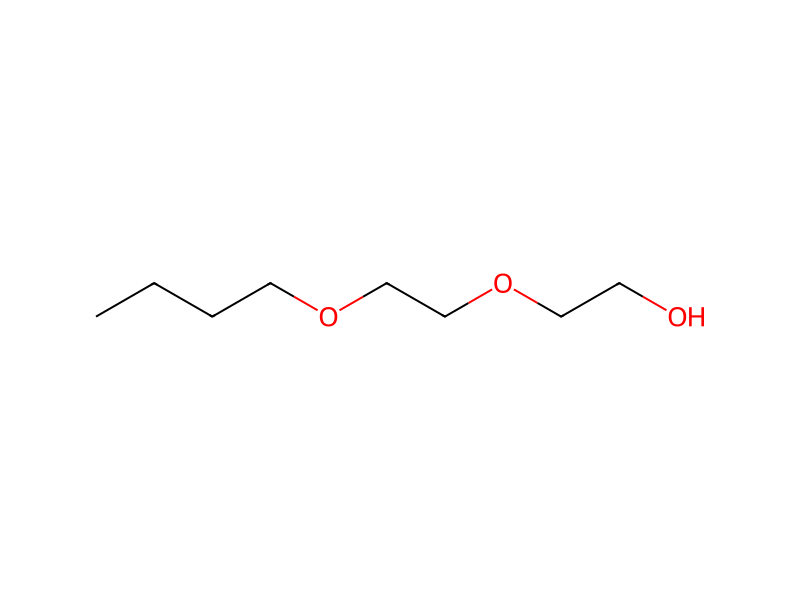
An acrylic acid Michael addition reaction was then run according to the general procedure given in U.S. Pat. No. 5,144,069 (Stern et al.). 50 g (0.12 mole) of the purified C4F9SO2N(H)C3H6N(CH3)2, 16.4 g (0.23 mole) of acrylic acid and 0.2 g of phenothiazine (free radical polymerization inhibitor) were added to a 250-mL three-neck flask equipped with an air stirrer and thermometer. The resulting mixture was heated to 125° C. and was allowed to react for 6 hours. After this reaction period, a positive solubility check of the product in water of pH 7 indicated that the Michael addition reaction was essentially complete. While still mixing, a solvent blend of 18 g of diethylene glycol monobutyl ether and 42 g of deionized water was added and the mixture was allowed to cool to room temperature. The water solubility test was run again with the same positive result, showing good conversion to the desired Michael addition product, C4F9SO2N(C2H4COOH)C3H6 (CH3)2.
后处理
- customequipped with an air stirrer
- customto react for 6 hours
- customAfter this reaction period
- additionWhile still mixing
- temperatureto cool to room temperature
来源与证据
- ORD记录
- ord-6db07f2762984316b90d6f5c14a17a70
- 来源数据集
- uspto-grants-1995_11
- 专利号
- US05468353
关联笔记
加载中…