反应方程式
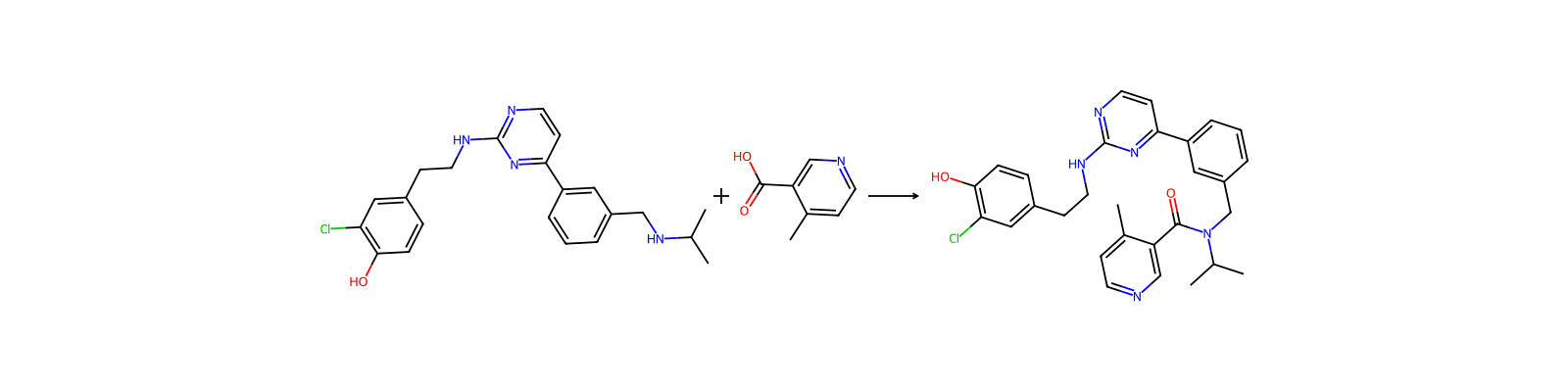
[Cl:1][C:2]1[CH:7]=[C:6]([CH2:8][CH2:9][NH:10][C:11]2[N:16]=[C:15]([C:17]3[CH:22]=[CH:21][CH:20]=[C:19]([CH2:23][NH:24][CH:25]([CH3:27])[CH3:26])[CH:18]=3)[CH:14]=[CH:13][N:12]=2)[CH:5]=[CH:4][C:3]=1[OH:28].[CH3:29][C:30]1[C:35]([C:36](O)=[O:37])=[CH:34][N:33]=[CH:32][CH:31]=1>>[Cl:1][C:2]1[CH:7]=[C:6]([CH2:8][CH2:9][NH:10][C:11]2[N:16]=[C:15]([C:17]3[CH:18]=[C:19]([CH:20]=[CH:21][CH:22]=3)[CH2:23][N:24]([CH:25]([CH3:26])[CH3:27])[C:36](=[O:37])[C:35]3[C:30]([CH3:29])=[CH:31][CH:32]=[N:33][CH:34]=3)[CH:14]=[CH:13][N:12]=2)[CH:5]=[CH:4][C:3]=1[OH:28]参与物
3


实验过程
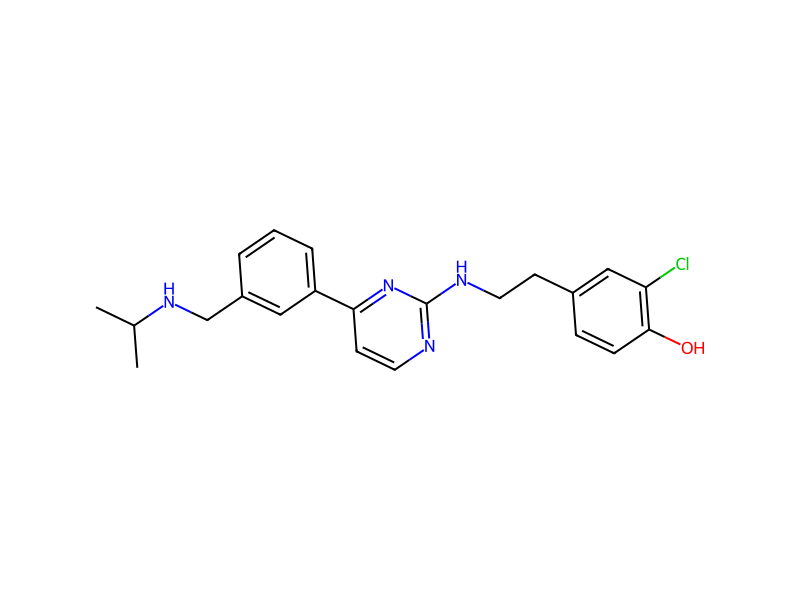
2-Chloro-4-(2-{4-[3-(isopropylamino-methyl)-phenyl]-pyrimidin-2-ylamino}-ethyl)-phenol (compound 132) was coupled with 4-methyl-nicotinic acid following procedure D2. LC-MS showed the product had the expected M+H+ of 516. 1H NMR (Varian 300 MHz, CDCl3, shifts relative to the solvent peak at 7.24 ppm) δ 9.3 (s, 1H)) 8.6 (s, 1H) 8.5 (s, 1H) 8.3 (d, 1H) 8.1 (s, 1H) 7.9 (d, 1H) 7.5 (m, 1H) 7.4 (m, 2H) 7.2 (m, 3H) 6.9 (d, 1H) 5.6 (s, br, 1H) 3.9 (s, 2H) 3.7 (m, 2H) 3.0 (d, 1H) 2.9 (m, 2H) 2.7 (s, 3H) 1.2 (d, 6H).
来源与证据
- ORD记录
- ord-5f1f95b9127c4157b0645dac81ea51b1
- 来源数据集
- uspto-grants-2010_06
- 专利号
- US07732444B2
关联笔记
加载中…