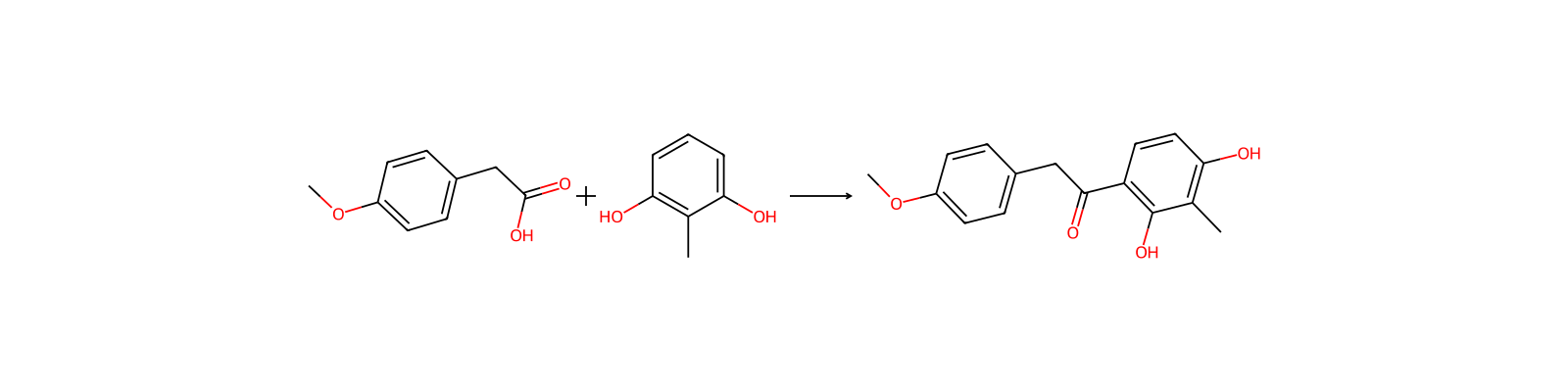
HRID 4884As reactant

608-25-3Cc1c(O)cccc1OZTMADXFOCUXMJE-UHFFFAOYSA-N608-25-3DTXSID0025571CHEMBL2332773Cosmetic ingredients (2-Methylresorcinol) -> CIR (Cosmetic Ingredient Review)
Hair dyeing
Safety information is for reference only and does not replace the supplier’s Safety Data Sheet (SDS), applicable regulations, or professional assessment.
This chemical does not meet GHS hazard criteria for 0.5% (1 of 192) of reports.
Danger
H301 (94.8%): Toxic if swallowed [Danger Acute toxicity, oral]
P261, P264, P264+P265, P270, P271, P272, P273, P280, P301+P316, P302+P352, P304+P340, P305+P351+P338, P305+P354+P338, P317, P319, P321, P330, P332+P317, P333+P317, P337+P317, P362+P364, P391, P403+P233, P405, and P501 (click each P-code to see the statement)
Aggregated GHS information provided per 192 reports by companies from 23 notifications to the ECHA C&L Inventory. Each notification may be associated with multiple companies.
Danger
Chemical: 1,3-Benzenediol, 2-methyl-
REACH registered substance: 2-methylresorcinol (EC: 210-155-8)
1,3-Benzenediol, 2-methyl-: Does not have an individual approval but may be used as a component in a product covered by a group standard. It is not approved for use as a chemical in its own right.
Irritating to skin and corrosive to eyes in rabbits; Considered a moderate skin sensitizer based on results from a mouse local lymph node assay; No evidence of teratogenicity or developmental toxicity; [EC: SCCP] Causes weight loss in 13-week oral studies of rats; [RTECS] A skin and strong eye irritant; Toxic by ingestion; [Aldrich MSDS] See Resorcinol.
Acute Tox. 3 (94.8%)
Acute toxicity - category 4
CIR ingredient: 2-Methylresorcinol
Used in oxidative and non-oxidative hair dye formulations; [EC: SCCP]
Dressing Hair [Category: Other]
Uses2-Methylresorcinol is used in the preparation of aromatic benziporphyrins, tripyrrane analogs and C-5-bromo-2-hydroxyphenylcalix[4]-2-methylresorcinarene. Further, it is employed in oxidative and non-oxidative hair dye formulations.
General DescriptionThe reaction between 2-methylresorcinol and 2-alkenals was studied to investigate the scavenging ability of m-diphenols for the 2-alkenals formed during lipid oxidation.
PreparationSynthesis of 2-methylresorcinol: The synthetic routes to an alkylresorcinol that is partially alkylated at a position other than the 4th position on the aromatic ring are multistep and give low overall yields. For example, a 50% yield of a 2-methylresorcinol is obtained by hydrogenation of resorcinol and methylation of the resulting dihydroresorcinol to 2-methylcyclohexane-1,3-dione which on treatment with bromine is converted into 4,6-dibromo-2-methylresorcinol and finally hydrogenolysis of the dibromo derivative to produce the 2-methylresorcinol. Another example is that 5-methylresorcinol can be prepared by a five-step synthesis starting with p-toluidine or a four-step synthesis starting from ethyl crotonate. The five-step synthesis involves acetylation, two-step nitration, reductive hydrogenation, and hydrolysis.Literature source US04086281