
HRID 6739As reactant

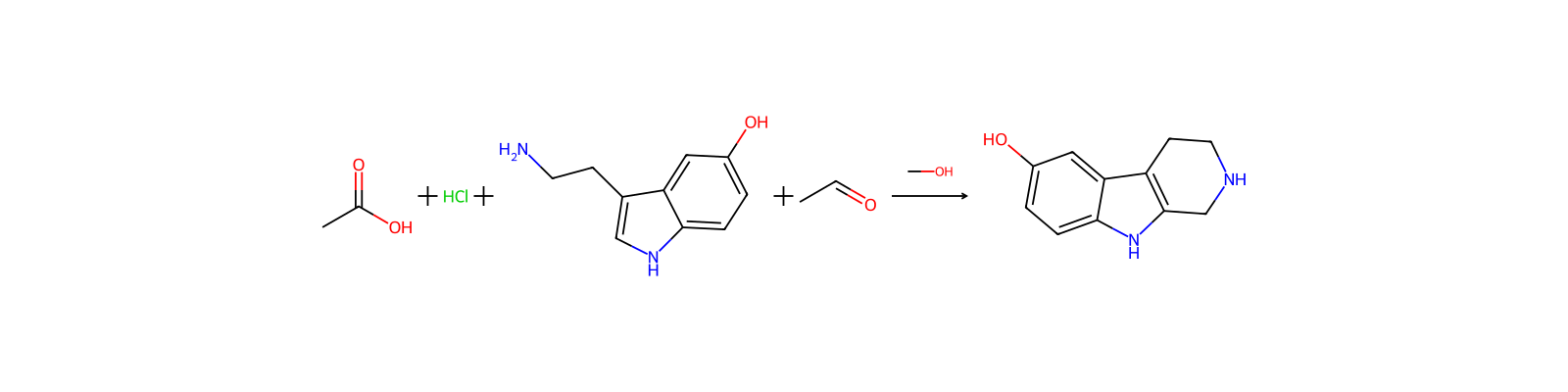
153-98-0Cl.NCCc1c[nH]c2ccc(O)cc12MDIGAZPGKJFIAH-UHFFFAOYSA-NSerotonin hydrochloride is a member of tryptamines. It is functionally related to a serotonin.
153-98-0、21591-86-6DTXSID80165186CHEMBL535832Safety information is for reference only and does not replace the supplier’s Safety Data Sheet (SDS), applicable regulations, or professional assessment.
Danger
H301 (14.6%): Toxic if swallowed [Danger Acute toxicity, oral]
P261, P264, P264+P265, P270, P271, P280, P301+P316, P301+P317, P302+P352, P304+P340, P305+P351+P338, P317, P319, P321, P330, P332+P317, P337+P317, P362+P364, P403+P233, P405, and P501 (click each P-code to see the statement)
Aggregated GHS information provided per 48 reports by companies from 8 notifications to the ECHA C&L Inventory. Each notification may be associated with multiple companies.
UsesNeurotransmitter;5-HT agonist
UsesSerotonin is a monoamine neurotransmitter that is biochemically derived from tryptophan and produced in serotonergic neurons in the central nervous system and in enterochromaffin cells in the gastrointestinal tract. Serotonin is important in the regulation of mood, sleep, vomiting, sexuality, and appetite. Low levels of serotonin are associated with several disorders, including depression, migraines, bipolar disorder, and anxiety. Its actions are terminated primarily via uptake of serotonin from the synapse. Serotonin reuptake can be inhibited with MDMA, cocaine, tricyclic antidepressants, and selective serotonin reuptake inhibitors.[Cayman Chemical]
UsesSerotonin hydrochloride is used as a neurotransmitter and function as an endogenous serotonin receptor agonist in various biochemical processes. It is an active component, which is used to regulate the mood, emesis, cognition and appetite in vivo.
UsesA neurotransmitter.
UsesSerotonin is a monoamine neurotransmitter.
DefinitionChEBI: Serotonin hydrochloride is a member of tryptamines. It is functionally related to a serotonin.


CHEBI:181195