StartseiteMCPSkillsWorkbenchOpenChem
StartseiteWorkbenchBenachrichtigungenMein Bereich
llms.txt · skill.md · MCP-AnleitungDatenschutz · Nutzungsbedingungen · Supportv1.8.4
  1. Startseite
  2. /Verbindung

Palladiumacetat

palladium(II) acetate

HCID 167845
Neue Reaktion
Drucken
GrundinformationenÜberblickNamen und BezeichnerEigenschaftenSicherheit und RegulatorischesChemie und IndustrieZugehörige ReaktionenNotizen zur Verbindung
TeilstruktursucheÄhnliche Strukturen suchen

Grundinformationen

CAS
19807-27-3
Standard-SMILES
CC(=O)[O-].CC(=O)[O-].[Pd+2]
InChIKey
YJVFFLUZDVXJQI-UHFFFAOYSA-L
Summenformel
C4H6O4Pd
Durchschnittliche Molmasse
224,51 g/mol
Monoisotopische Masse
223,93009

Überblick

Palladium acetate is a chemical compound of palladium. It is used as a catalyst for many organic reactions and as a precursor to other palladium(II) compounds. Palladium is a chemical element with the chemical symbol Pd and an atomic number of 46. It is found as a free metal alloyed with gold and other platinum group metals and in the rare minerals cooperite and polarite. (L794, L804)

Namen und Bezeichner

Bevorzugter Name
palladium(II) acetate
IUPAC
palladium(2+) diacetate
Lokaler Name
Palladiumacetat
Englischer Name
palladium acetate
Summenformel
C2H4O2.xPd
Molmasse
0

Namen und Synonyme

Palladium(II) acetate3375-31-3Palladium diacetateDiacetatopalladiumDiacetoxypalladiumBis(acetato)palladiumPalladous acetateBisacetylpalladiumPalladium(2+) acetatePd(OAc)2Acetic acid palladium saltAcetic acid, palladium salt
Weitere Namen anzeigen
Einecs 243-333-9Acetic acid, palladium salt (1:)
0LTG3460Y5DTXSID10890575(ACETYLOXY)PALLADIO ACETATERefChem:169636DTXCID601030789222-164-4243-333-9Palladium acetate

Datenbank-Bezeichner

CAS
19807-27-3、3375-31-3
PubChem CID
167845
DTXSID
DTXSID10890575
UNII
0LTG3460Y5
EC Number
222-164-4、243-333-9
Nikkaji
J10.642I

Eigenschaften

Berechnete Struktureigenschaften

Polarare Oberfläche (TPSA)
80,3 Ų
H-Brücken-Donoren
0
H-Brücken-Akzeptoren
4
Frei drehbare Bindungen
0
Schwere Atome
9
Formalladung
0
Komplexität
25,5

Experimentelle und physikochemische Eigenschaften

Chemical ClassesMetals -> Organic Acids, Metal Salts
Physical DescriptionReddish-brown solid; Insoluble in water; [Hawley] Powder; [MSDSonline]

Physikochemische Eigenschaften

Schmelzpunkt
205 ° · 205° (dec)
EPA chemische Informationen
Acetic acid, palladium salt (19807-27-3)

Sicherheit und Regulatorisches

Sicherheitsangaben dienen nur zur Orientierung und ersetzen weder das Sicherheitsdatenblatt (SDB) des Lieferanten noch geltende Vorschriften oder eine fachliche Bewertung.

GHS-Klassifizierung

GHS Classification · 4 Einträge

Danger

H302 (11.3%): Harmful if swallowed [Warning Acute toxicity, oral]

P261, P264, P264+P265, P270, P272, P273, P280, P301+P317, P302+P352, P305+P354+P338, P317, P321, P330, P333+P317, P362+P364, P391, and P501 (click each P-code to see the statement)

Aggregated GHS information provided per 265 reports by companies from 18 notifications to the ECHA C&L Inventory. Each notification may be associated with multiple companies.

Gefahrenhinweise

Regulatory Information · 3 Einträge

Chemical: Acetic acid, palladium(2+) salt

REACH registered substance: Palladium(II) acetate (EC: 222-164-4)

Palladium (II) acetate: Does not have an individual approval but may be used under an appropriate group standard

Other Safety InformationIMAP assessments - Acetic acid, palladium(2+) salt: Environment tier I assessment
Hazards SummaryCorrosive to eyes; [eChemPortal: ERMA] An irritant; May cause serious injury to eyes; [MSDSonline]
Hazard Classes and CategoriesAcute Tox. 4 (11.3%)

Toxikologische Informationen

Health EffectsContact with palladium may cause palladium sensitivity and allergy. Animal studies have shown that palladium may damage the liver and kidney. (L798)
Toxicity Summary · 1 Eintrag

Chemie und Industrie

Pharmakologische Informationen

Metabolism/Metabolites · 1 Eintrag

Palladium may be absorbed through oral, dermal, and inhalation exposure. Once in the body it distributes to the kidney, liver, spleen, lymph nodes, adrenal gland, lung and bone. Palladium's ability to form complexes allows it the bind to amino acids, proteins, DNA, and other macromolecules. Palladium and its metabolites are excreted in the urine and faeces. (A21)

Verwendung und Herstellung

Uses · 2 Einträge

Used as a catalyst in organic chemistry; [Hawley]

Palladium acetate is used as a catalyst for many organic reactions and as a precursor to other palladium(II) compounds. (L804)

General Manufacturing Information · 2 Einträge

Acetic acid, palladium(2+) salt (2:1): ACTIVE

Acetic acid, palladium salt (1:?): INACTIVE

Anwendungen

VerwendenCatalyst.

Zugehörige Reaktionen

29.821
Reaktionsaufzeichnung erstellen
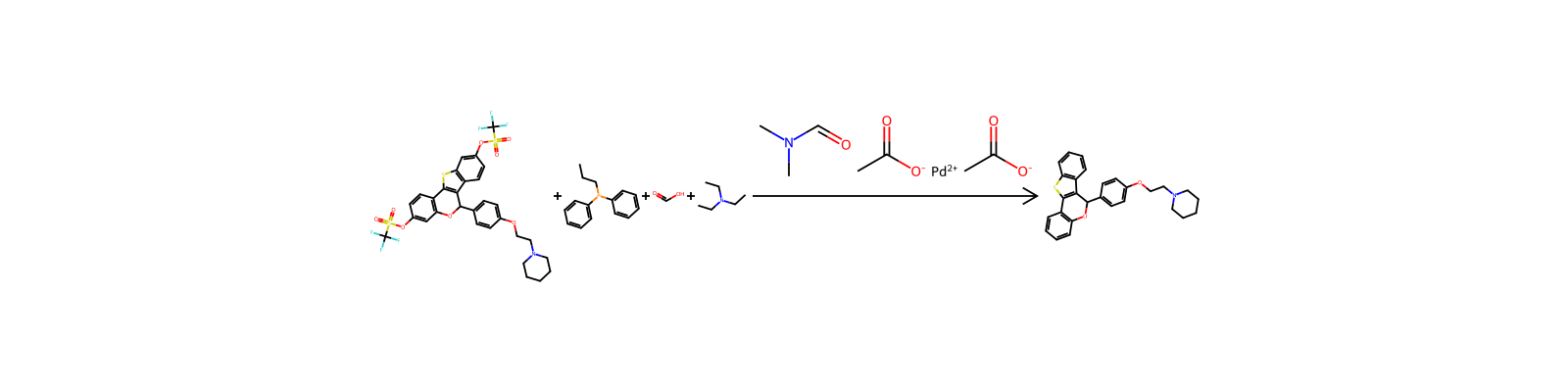
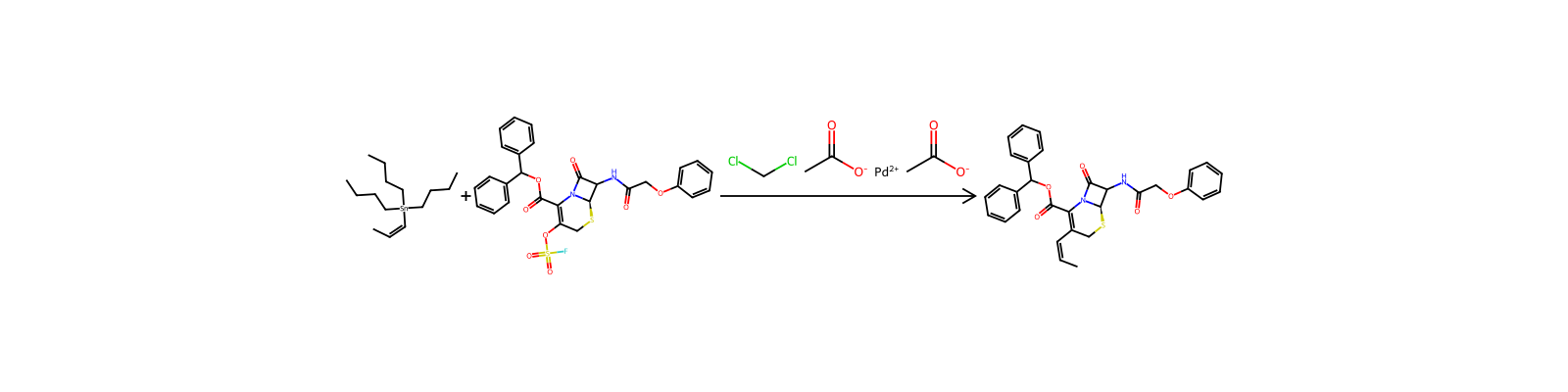
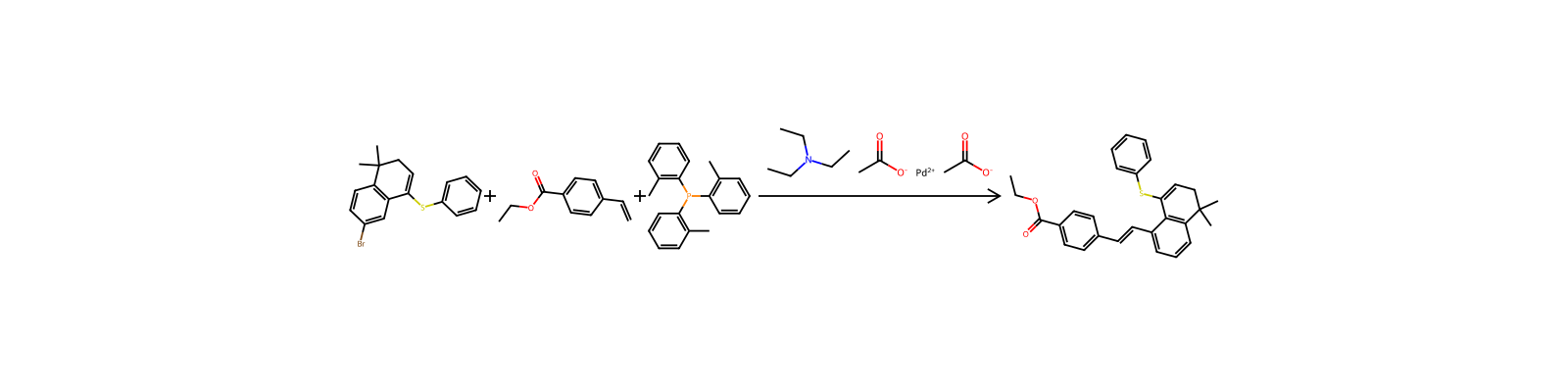
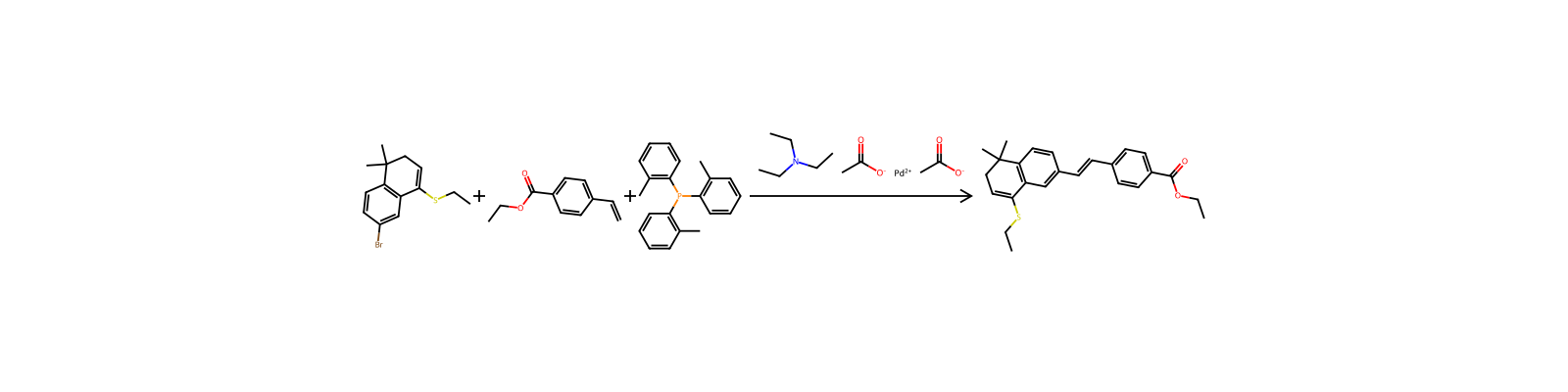
HRID 1370als Katalysator
HRID 1371als Katalysator
HRID 1669als Katalysator
HRID 1708als Katalysator
HRID 1755als Katalysator
HRID 5545als Katalysator
HRID 5546als Katalysator
HRID 5548als Katalysator
ZurückSeite 1 von 3728

Notizen zur Verbindung

Auf dieser SeiteGrundinformationenÜberblickNamen und BezeichnerEigenschaftenSicherheit und RegulatorischesChemie und IndustrieZugehörige ReaktionenNotizen zur Verbindung

Due to their ability to form strong complexes with both inorganic and organic ligands, palladium ions can disturb cellular equilibria, replace other essential ions, and interact with functional groups of macromolecules, such as proteins or DNA. Palladium complexes binding to DNA and RNA leads to strand breakage. Palladium ions are able to inhibit most major cellular functions, including DNA and RNA synthesis. Palladium compounds have been shown to bind to and inhibit various enzymes, including creatine kinase and prolyl hydroxylase. (L798)

Signs and SymptomsSkin contact with palladium may cause contact dermatitis, erythema, and oedema. (L798)
Carcinogen ClassificationNo indication of carcinogenicity to humans (not listed by IARC).

Sicherheitsdaten

tsca
TSCA listed