홈MCP워크벤치Skills
홈워크벤치알림마이페이지
llms.txt · MCP 가이드개인정보처리방침 · 이용약관 · 지원v1.8.0
  1. 홈
  2. /화합물

구리 염화물

Cupric Chloride

HCID 24014
새 노트새 반응견적 요청하기
인쇄 미리보기

데이터를 보충하는 중입니다. 잠시 후 페이지를 새로 고치면 최신 내용을 볼 수 있습니다

기본 정보개요이름 및 식별자물성안전 및 규제화학 및 산업관련 반응화합물 노트
부분 구조 검색유사 구조 찾기

기본 정보

CAS
1344-67-8
표준 SMILES
[Cl][Cu][Cl]
InChIKey
ORTQZVOHEJQUHG-UHFFFAOYSA-L
분자식
Cl2Cu
평균 분자량
134.45 g/mol

개요

Copper chloride appears as a yellowish-brown powder (the anhydrous form) or a green crystalline solid (the dihydrate). Noncombustible but hydrogen chloride gas may form when heated in a fire. Corrosive to aluminum. Used to manufacture other chemicals, in dyeing, in printing, in fungicides, as a wood preservative.

이름 및 식별자

우선 이름
Cupric Chloride
IUPAC
dichlorocopper
현지명
구리 염화물
영어명
Cupric chloride
분자식
Cl.Cu
분자량
0

이름 및 동의어

CUPRIC CHLORIDECopper(II) chlorideCupric chloride anhydrousCopper bichlorideCupric dichlorideCopper(2+) chloridedichlorocopperCopper(2+)chlorideCopper chloride (CuCl2)CuCl2Copper(II) chloride (1:2)Coclor
이름 더 보기
구리염화물구리염화물(COPPERCHLORIDE)COPPER CHLORIDECOPPER ATOMIC SPECTROSCOPY STANDARDUn2802HAMP-OLKirticopperEinecs 215-704-5Copper, diaquadichloro-COPPER AA STANDARD CONCENTRATECopper chloride [un2802] [corrosive]
Cupric chloride in plastic containerCHEBI:49553P484053J2YNSC-165706RefChem:5712Copper (as cupric chloride)231-210-27447-39-4

데이터베이스 식별자

CAS
1344-67-8、7447-39-4
PubChem CID
24014
ChEMBL
CHEMBL444436
ChEBI
CHEBI:49553
EC Number
215-704-5、231-210-2

물성

구조 계산 물성보충 중

극성 표면적
0 Ų
수소 결합 공여자 수
0
수소 결합 수용자 수
0
회전 가능 결합 수
0
무거운 원자 수
3
형식 전하
0
복잡도
2.8

실험 및 물리화학적 성질

Chemical Classes · 2건

Metals -> Metals, Inorganic Compounds

Corrosives

SpringerMaterials Propertiesdielectric constant
Density · 3건

2.54 at 68 °F (USCG, 1999) - Denser than water; will sink

3.39 @ 25 °C/4 °C

3.4 @25 °C

Color/Form · 2건

Yellow to brown, microcrystalline powder

Yellow-brown, monoclinic crystals

Solubility · 6건

Green to blue powder or orthorhombic, bipyramidal crystals; deliquescent in moist air, efflorescent in dry air; water loss occurs from 70-200 °C; mp 100 °C; ... freely sol in water, methanol, ethanol; moderately sol in acetone, ethyl acetate; slightly sol in ether. The aq soln is acid to litmus; pH of 0.2 molar soln 3.6; /Dihydrate/

Soluble in acetone.

SOL IN HOT SULFURIC ACID.

70.6 g/100 cc water @ 0 °C, 107.9 g/100 cc water @ 100 °C

53 g/100 cc alcohol @ 15 °C

For more Solubility (Complete) data for COPPER(II) CHLORIDE (6 total), please visit the HSDB record page.

CorrosivityIt is corrosive to aluminum.
Human Drugs · 2건

FDA approved drugs -> Active ingredient

FDA approved drugs -> Active ingredient

안전 및 규제

안전 정보는 참고용이며, 공급업체의 물질안전보건자료(SDS), 관련 법규 및 전문가 평가를 대체하지 않습니다.

GHS 분류

GHS Classification · 6건

This chemical does not meet GHS hazard criteria for 0.9% (5 of 550) of reports.

Danger

H290 (10.4%): May be corrosive to metals [Warning Corrosive to Metals]

P234, P264, P264+P265, P270, P273, P280, P301+P317, P302+P352, P305+P351+P338, P305+P354+P338, P317, P321, P330, P332+P317, P337+P317, P362+P364, P390, P391, P406, and P501 (click each P-code to see the statement)

Aggregated GHS information provided per 550 reports by companies from 33 notifications to the ECHA C&L Inventory. Each notification may be associated with multiple companies.

Danger

유해성 정보

Regulatory Information · 6건

Chemical: Copper chloride (CuCl2)

Chemical: Copper chloride

Commission Regulation No 844/2012

Copper chloride (CuCl2) is listed on the EPA's Chemical Data Reporting (CDR) system. Manufacturers and importers of Copper chloride (CuCl2) are required to report information about their production and use of this chemical to the EPA under the Toxic Substances Control Act (TSCA). (40 eCFR Part 711)

Status: Active Update: 11-11-2021 https://echa.europa.eu/registration-dossier/-/registered-dossier/14831

Copper chloride: Does not have an individual approval but may be used as a component in a product covered by a group standard. It is not approved for use as a chemical in its own right.

Other Safety Information · 2건

IMAP assessments - Copper chloride: Human health tier I assessment

IMAP assessments - Copper chloride (CuCl2): Human health tier I assessment

DOT Label · 2건

Corrosive

Class 9

Fire Hazards · 3건

Special Hazards of Combustion Products: Irritating hydrogen chloride gas may form in fire. (USCG, 1999)

Excerpt from ERG Guide 171 [Substances (Low to Moderate Hazard)]:

화학 및 산업

약리 정보

Pharmacodynamics · 1건

Copper is an essential nutrient which serves as a co factor for serum ceruloplasmin, an oxidase necessary for proper formation of the iron carrier protein, transferrin. Copper also helps maintain normal rates of red and white blood cell formation. Providing copper during Total Parenteral Nutrition helps prevent development of the following deficiency symptoms: Leukopenia, neutropenia, anemia, depressed ceruloplasmin levels, impaired transferrin formation, secondary iron deficiency and osteoporosis.

Mechanism of Action · 2건

The in vitro interaction of organic copper compounds with rat liver glutathione S-transferases was studied with reduced glutathione and 1-chloro-2,4-dinitrobenzene as substrates. Both organic and inorganic copper are spontaneously conjugated with glutathione, but interact with glutathione S-transferase by direct binding to these proteins.

The in vitro interaction of organic copper compounds with rat liver glutathione S-transferases was studied with reduced glutathione and 1-chloro-2,4-dinitrobenzene as substrates. Both organic and inorganic copper are spontaneously conjugated with glutathione, but interact with glutathione S-transferase by direct binding to these proteins.

Metabolism/Metabolites · 1건

Copper is mainly absorbed through the gastrointestinal tract, but it can also be inhalated and absorbed dermally. It passes through the basolateral membrane, possibly via regulatory copper transporters, and is transported to the liver and kidney bound to serum albumin. The liver is the critical organ for copper homoeostasis. In the liver and other tissues, copper is stored bound to metallothionein, amino acids, and in association with copper-dependent enzymes, then partitioned for excretion through the bile or incorporation into intra- and extracellular proteins. The transport of copper to the peripheral tissues is accomplished through the plasma attached to serum albumin, ceruloplasmin or low-molecular-weight complexes. Copper may induce the production of metallothionein and ceruloplasmin. The membrane-bound copper transporting adenosine triphosphatase (Cu-ATPase) transports copper ions into and out of cells. Physiologically normal levels of copper in the body are held constant by alterations in the rate and amount of copper absorption, compartmental distribution, and excretion. (L277, L279)

관련 반응

660건
반응 기록 만들기
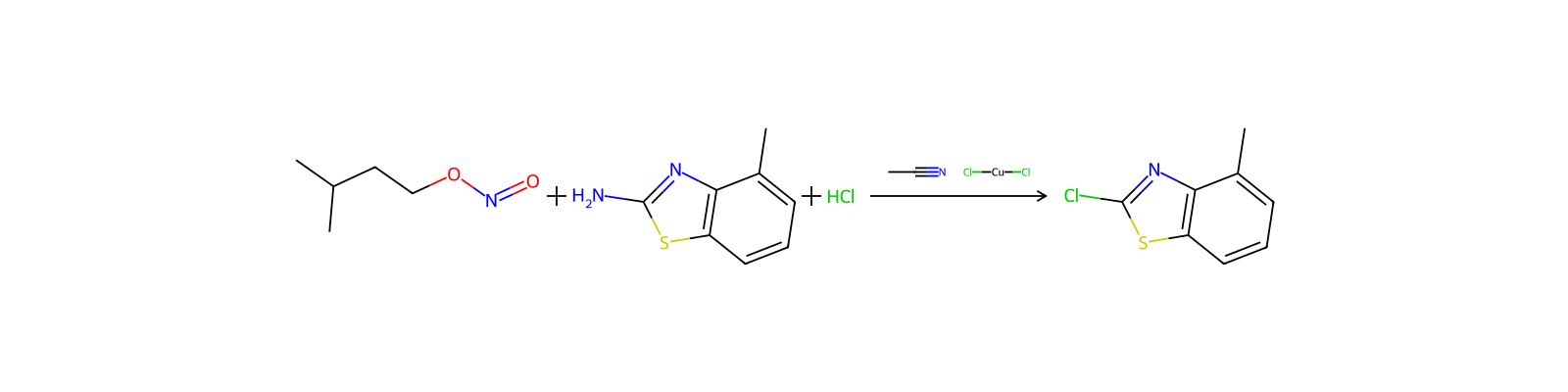
HRID 1836 반응식
HRID 1836촉매로uspto-grants-1998_03
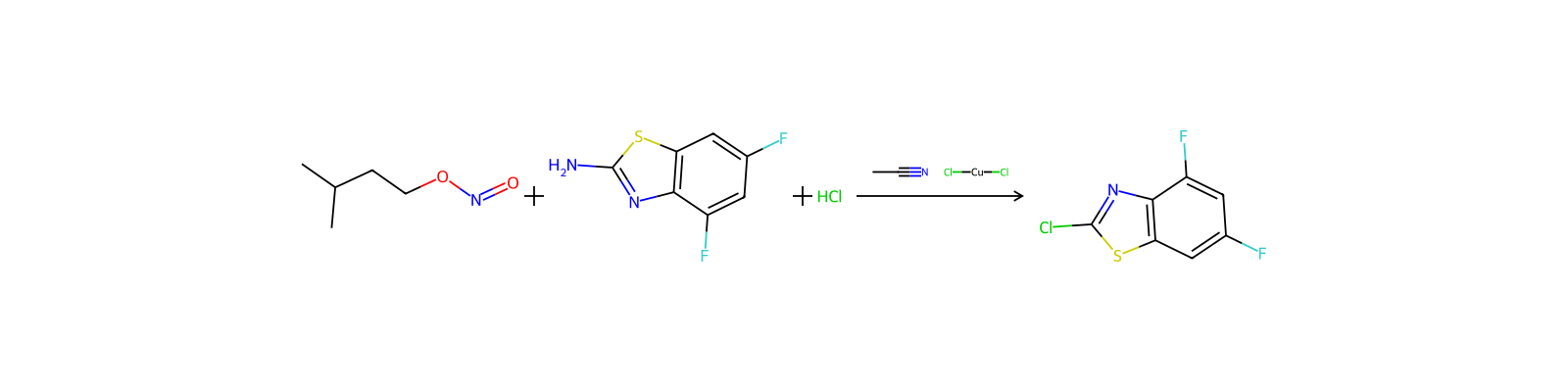
HRID 8642 반응식
HRID 8642촉매로uspto-grants-2006_08
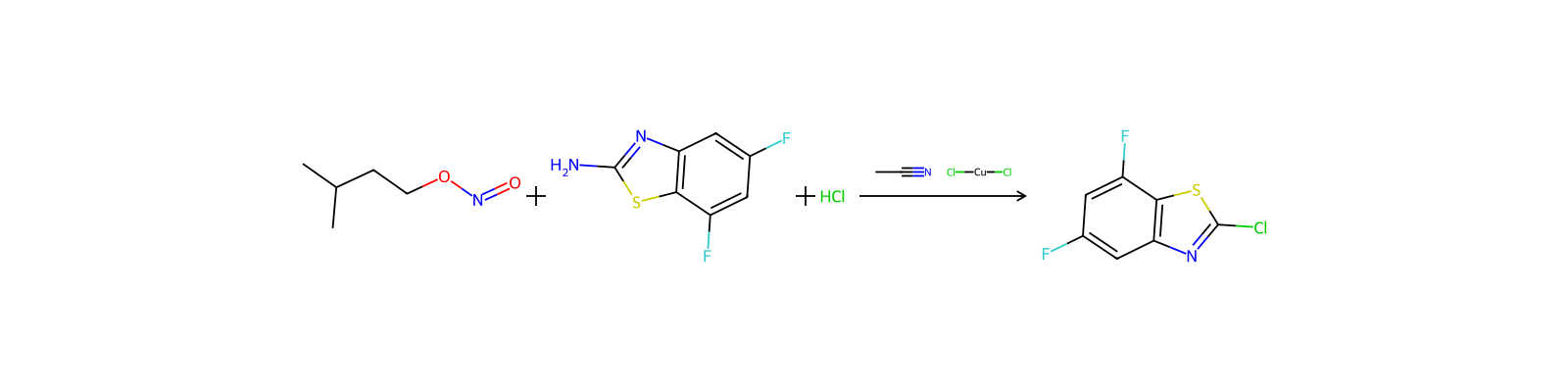
HRID 9566 반응식
HRID 9566촉매로uspto-grants-2006_08
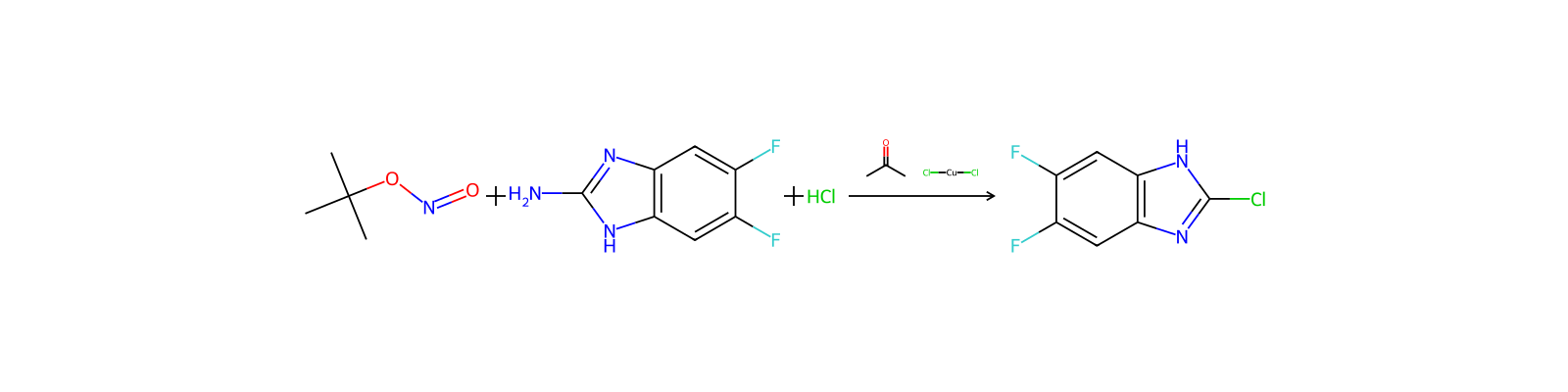
HRID 9567 반응식
HRID 9567촉매로uspto-grants-2006_08
HRID 9568 반응식
HRID 9568촉매로uspto-grants-2006_08
HRID 9571 반응식
HRID 9571촉매로uspto-grants-2006_08
HRID 9581 반응식
HRID 9581촉매로uspto-grants-2006_08
HRID 11306 반응식
HRID 11306촉매로uspto-grants-2006_08
1 / 83 페이지

화합물 노트

불러오는 중…

이 페이지에서기본 정보개요이름 및 식별자물성안전 및 규제화학 및 산업관련 반응화합물 노트
더보기
새 노트새 반응견적 요청하기
Boiling Point · 2건

993 °C DECOMP TO CUPROUS CHLORIDE

993 °C @760 [mm Hg]

Decomposition · 2건

... WHEN HEATED TO DECOMP ... THEY EVOLVE TOXIC FUMES OF /HYDROGEN CHLORIDE/.

993 °C DECOMP TO CUPROUS CHLORIDE

Melting Point · 2건

630 °C (extrapolated)

598 °C

Physical Description · 4건

Copper chloride appears as a yellowish-brown powder (the anhydrous form) or a green crystalline solid (the dihydrate). Noncombustible but hydrogen chloride gas may form when heated in a fire. Corrosive to aluminum. Used to manufacture other chemicals, in dyeing, in printing, in fungicides, as a wood preservative.

Cupric chloride and ammonia contains various concentrations of cupric chloride in ammonium hydroxide. This forms a copper ammonia complex. It is corrosive to skin, eyes, mucous membranes and metal. This material is used to etch copper from printed circuit boards.

Liquid; Wet Solid; Dry Powder; Large Crystals; Other Solid

Yellow to brown deliquescent solid; Forms dihydrate in moist air; Soluble in water; [Merck Index] Yellow-brown powder; [MSDSonline]

Stability/Shelf LifeForms dihydrate in moist air.

물리화학적 성질

녹는점
620 °C · 620 °C(lit.)
끓는 점
993 °C · 993 °C
밀도
3.386 g/mL · 3.386 g/mL at 25 °C(lit.)
저장 조건
2 · 2-8°C
용해도
2 O: · H2O: 용해성
물리적 상태
가루
InChI
InChI=1S/ClH.Cu/h1H;
InChIKey
NNIYFVYSVUWTOA-UHFFFAOYSA-N
SMILES
Cl.[Cu]
EPA
Copper chloride (1344-67-8)

화학적 성질

(1) Brownish-yellow powder, hygroscopic, (2) green, deliquescent crystals, soluble in water and alcohol.

· Non-combustible, substance itself does not burn but may decompose upon heating to produce corrosive and/or toxic fumes.

Fire PotentialIt is noncombustible.
Health Hazards · 3건

Inhalation causes coughing and sneezing. Ingestion causes pain and vomiting. Contact with solutions irritates eyes; contact with solid causes severe eye surface injury and skin irritation. (USCG, 1999)

Excerpt from ERG Guide 171 [Substances (Low to Moderate Hazard)]:

· TOXIC and/or CORROSIVE; inhalation, ingestion or skin contact with material may cause severe injury or death.

Hazards Summary · 1건

A skin and mucous membrane irritant; [Merck Index] A skin and eye irritant; Solid can cause severe injury to surface of eyes; [CAMEO] Contact with solid causes eye injury and skin irritation; [CHRIS] A corrosive substance that can cause injury to the skin, eyes, and mucous membranes; [MSDSonline] See Copper.

DOT ID and Guide2802 154
Reactive Group · 2건

Salts, Acidic

Amines, Phosphines, and Pyridines

Reactivity Profile · 2건

Solutions of COPPER CHLORIDE are acidic (they contain moderate concentrations of hydrogen ions and have pH's of less than 7.0). They react as acids to neutralize bases. These neutralizations generate heat, but far less than is generated by neutralization of inorganic acids, inorganic oxoacids, and carboxylic acid.

CUPRIC CHLORIDE SOLUTION, [AMMONIATED] has weak oxidizing or reducing powers. Redox reactions can however still occur. The majority of compounds in this class are slightly soluble or insoluble in water. If soluble in water, then the solutions are usually neither strongly acidic nor strongly basic. These compounds are not water-reactive.

DOT Emergency Guidelines · 5건

/GUIDE 154: SUBSTANCES - TOXIC AND/OR CORROSIVE (NON-COMBUSTIBLE)/ Health: TOXIC; inhalation, ingestion, or skin contact with material may cause severe injury or death. Contact with molten substance may cause severe burns to skin and eyes. Avoid any skin contact. Effects of contact or inhalation may be delayed. Fire may produce irritating, corrosive and/or toxic gases. Runoff from fire control or dilution water may be corrosive and/or toxic and cause pollution.

/GUIDE 154: SUBSTANCES - TOXIC AND/OR CORROSIVE (NON-COMBUSTIBLE)/ Fire or Explosion: Non-combustible, substance itself does not burn but may decompose upon heating to produce corrosive and/or toxic fumes. Some are oxidizers and may ignite combustibles (wood, paper, oil, clothing, etc.). Contact with metals may evolve flammable hydrogen gas. Containers may explode when heated.

/GUIDE 154: SUBSTANCES - TOXIC AND/OR CORROSIVE (NON-COMBUSTIBLE)/ Public Safety: CALL Emergency Response Telephone Number ... . As an immediate precautionary measure, isolate spill or leak area in all directions for at least 50 meters (150 feet) for liquids and at least 25 meters (75 feet) for solids. Keep unauthorized personnel away. Stay upwind. Keep out of low areas. Ventilate enclosed areas.

/GUIDE 154: SUBSTANCES - TOXIC AND/OR CORROSIVE (NON-COMBUSTIBLE)/ Protective Clothing: Wear positive pressure self-contained breathing apparatus (SCBA). Wear chemical protective clothing that is specifically recommended by the manufacturer. It may provide little or no thermal protection. Structural firefighters' protective clothing provides limited protection in fire situations ONLY; it is not effective in spill situations where direct contact with the substance is possible.

For more DOT Emergency Guidelines (Complete) data for COPPER(II) CHLORIDE (8 total), please visit the HSDB record page.

DOT Hazard Classification · 6건

Copper chloride

Severe marine pollutant

Cupric chloride

Severe marine pollutant

Copper chloride

UN2802

안전 및 보호

Fire Fighting · 2건

Excerpt from ERG Guide 154 [Substances - Toxic and/or Corrosive (Non-Combustible)]:

Excerpt from ERG Guide 171 [Substances (Low to Moderate Hazard)]:

Accidental Release Measures · 2건

· CALL 911. Then call emergency response telephone number on shipping paper. If shipping paper not available or no answer, refer to appropriate telephone number listed on the inside back cover.

· ELIMINATE all ignition sources (no smoking, flares, sparks or flames) from immediate area.

First Aid · 3건

INHALATION: move to fresh air.

Excerpt from ERG Guide 171 [Substances (Low to Moderate Hazard)]:

General First Aid:

Exposure Control and Personal Protection · 2건

· Wear positive pressure self-contained breathing apparatus (SCBA).

0.01 [mg/m3], respirable fraction (Cu, inorganic cmpnds)[German Research Foundation (DFG)]

Fire Fighting ProceduresIf material involved in fire: Extinguish fire using agent suitable for type of surrounding fire. (Material itself does not burn or burns with difficulty.)
Storage Conditions · 1건

... MATERIALS WHICH ARE TOXIC AS STORED OR WHICH CAN DECOMP INTO TOXIC COMPONENTS DUE TO CONTACT WITH HEAT, MOISTURE, ACIDS, OR ACID FUMES, SHOULD BE STORED IN COOL, WELL-VENTILATED PLACE, OUT OF DIRECT RAYS OF THE SUN, AWAY FROM AREAS OF HIGH FIRE HAZARD, & SHOULD BE PERIODICALLY INSPECTED AND MONITORED. INCOMPATIBLE MATERIALS SHOULD BE ISOLATED FROM EACH OTHER. /CHLORIDES/

Cleanup Methods · 2건

Environmental consideration - land spill: Dig a pit, pond, lagoon, or holding area to contain liquid or solid material. /SRP: If time permits, pits, ponds, lagoons, soak holes, or holding areas should be sealed with an impermeable flexible membrane liner./ Cover solids with a plastic sheet to prevent dissolving in rain or fire fighting water.

Environmental consideration - water spill: Neutralize with agricultural lime (calcium oxide), crushed limestone (calcium carbonate), or sodium bicarbonate (NaHCO3). Use mechanical dredges or lifts to remove immobilized masses of pollutants & precipitates.

Nonfire Spill Response · 2건

Excerpt from ERG Guide 154 [Substances - Toxic and/or Corrosive (Non-Combustible)]:

Excerpt from ERG Guide 171 [Substances (Low to Moderate Hazard)]:

Disposal Methods · 1건

SRP: At the time of review, criteria for land treatment or burial (sanitary landfill) disposal practices are subject to significant revision. Prior to implementing land disposal of waste residue (including waste sludge), consult with environmental regulatory agencies for guidance on acceptable disposal practices.

Preventive Measures · 3건

If material not involved in fire: Keep material out of water sources & sewers. Build dikes to contain flow as necessary.

Personnel protection: Keep upwind. ... Avoid breathing vapors or dusts. Wash away any material which may have contacted the body with copious amt of water or soap & water.

SRP: The scientific literature for the use of contact lenses in industry is conflicting. The benefit or detrimental effects of wearing contact lenses depend not only upon the substance, but also on factors including the form of the substance, characteristics and duration of the exposure, the uses of other eye protection equipment, and the hygiene of the lenses. However, there may be individual substances whose irritating or corrosive properties are such that the wearing of contact lenses would be harmful to the eye. In those specific cases, contact lenses should not be worn. In any event, the usual eye protection equipment should be worn even when contact lenses are in place.

Isolation and Evacuation · 3건

Excerpt from ERG Guide 154 [Substances - Toxic and/or Corrosive (Non-Combustible)]:

Excerpt from ERG Guide 171 [Substances (Low to Moderate Hazard)]:

Immediate precautionary measure

Minimum Risk LevelAcute Oral: 0.01 mg/kg/day (L134) Intermediate Oral: 0.01 mg/kg/day (L134)

독성 정보

Treatment · 1건

EYES: irrigate opened eyes for several minutes under running water. INGESTION: do not induce vomiting. Rinse mouth with water (never give anything by mouth to an unconscious person). Seek immediate medical advice. SKIN: should be treated immediately by rinsing the affected parts in cold running water for at least 15 minutes, followed by thorough washing with soap and water. If necessary, the person should shower and change contaminated clothing and shoes, and then must seek medical attention. INHALATION: supply fresh air. If required provide artificial respiration.

Interactions · 5건

The effects of superoxide dismutase, catalase, copper(II) (3,5-diisopropylsalicylate)2 and other copper compounds on radiation transformation in vitro using C3H 10T1/2 cells have been studied. When present only during irradiation, cupric chloride and cuprous chloride inhibited the initiation phase of radiation transformation.

The ameliorating effects of copper(+2) and sulfate(2-) ions on concurrent selenite toxicity were compared in two factorial experiments in weanling rats. 0, 500 and 1,000 mg copper (as cupric chloride)/kg diet were fed in conjuction with 0, 5, 10 and 20 mg selenium (as Na2Se)3)/kg diet. Cupric(+2) ion, but not sulfate(2-) ion, prevented mortality among selenite intoxicated rats. There were significant copper-selenium interaction effects on feed intake, daily gain, packed cell volume, serum copper and iron, sperm counts, and weights of liver, kidney and testis. Sulfate increased liver copper concentrations.

Oral LD50 values (at 24 and 168 hr) for 8 metal salts were detected in female mice pretreated orally with small doses (1/10 of the challenge doses) of the same metal ions or with deionized water at 24 hr prior to the challenge doses. Pretreatment with copper(2+), had little effect on the lethality of the same ion. Pretreatment with copper(2+), mercury(2+), or zinc(2+) protected mice against the toxic action of cadmium(2+).

Salts of metals which are carcinogenic, noncarcinogenic, or of unknown carcinogenicity were assayed for their abilities to modulate ultraviolet induced mutagenesis in Escherichia coli WP2. Copper chloride acted as comutagen in E coli WP2, which has wild type DNA repair capability, but was much less comutagenic in the repair deficient strain WP2S (uvra). The survival of irradiated or unirradiated cells was not affected by the compound. The comutagenic effects might occur either via metal induced decreases in the fidelity of repair replication or via metal induced depurination.

For more Interactions (Complete) data for COPPER(II) CHLORIDE (6 total), please visit the HSDB record page.

Health Effects · 1건

People must absorb small amounts of copper every day because copper is essential for good health, however, high levels of copper can be harmful. Very-high doses of copper can cause damage to your liver and kidneys, and can even cause death. Copper may induce allergic responses in sensitive individuals. (L278, L279)

Ecotoxicity Values · 5건

EC50 Selenastrum capricornatum (green alga) 85 ug/l/14 days /Cell volume bioassay/

EC50 Thalassiosira pseudonana (alga, saltwater) 5 ug/l/72 hr /Growth rate bioassay/

EC50 Nitschia closterium (alga, saltwater) 33 ug/l/96 hr /Growth rate bioassay/

EC50 Chlorella stigmatophora (alga, saltwater) 70 ug/l/21 days /Cell volume bioassay/

For more Ecotoxicity Values (Complete) data for COPPER(II) CHLORIDE (7 total), please visit the HSDB record page.

Adverse EffectsOccupational hepatotoxin - Secondary hepatotoxins: the potential for toxic effect in the occupational setting is based on cases of poisoning by human ingestion or animal experimentation.
Exposure RoutesOral (L277) ; inhalation (L277) ; dermal (L277)
Toxicity Summary · 2건

For healthy, non-occupationally-exposed humans the major route of exposure to copper is oral. The mean daily dietary intake of copper in adults ranges between 0.9 and 2.2 mg. ... In some cases, drinking water may make a substantial additional contribution to the total daily intake of copper, particularly in households where corrosive waters have stood in copper pipes. ... All other intakes of copper (inhalation and dermal) are insignificant in comparison to the oral route. Inhalation adds 0.3-2.0 ug/day from dusts and smoke. Women using copper IUDs are exposed to only 80ug or less of copper per day from this source. The homeostasis of copper involves the dual essentiality and toxicity of the element. Its essentiality arises from its specific incorporation into a large number of proteins for catalytic and structural purposes. The cellular pathways of uptake, incorporation into protein and export of copper are conserved in mammals and modulated by the metal itself. Copper is mainly absorbed through the gastrointestinal tract. From 20 to 60% of the dietary copper is absorbed, with the rest being excreted through the feces. Once the metal passes through the basolateral membrane it is transported to the liver bound to serum albumin. The liver is the critical organ for copper homeostatis. The copper is partitioned for excretion through the bile or incorporation into intra- and extracellular proteins. The primary route of excretion is through the bile. The transport of copper to the peripheral tissues is accomplished through the plasma attached to serum albumin, ceruloplasmin or low-molecular weight complexes. ... The biochemical toxicity of copper, when it exceeds homeostatic control, is derived from its effects on the structure and function of biomolecules, such as DNA, membranes and proteins directly or through oxygen-radical mechanisms. The toxicity of a single oral dose of copper varies widely between species. ... The major soluble salts (copper(II) sulfate, copper(II) chloride) are generally more toxic than the less soluble salts (copper(II) hydroxide, copper (II) oxide). Death is preceded by gastric hemorrhage, tachycardia, hypotension, hemolytic crisis, convulsions and paralysis. ... Long-term exposure in rats and mice showed no overt signs of toxicity other than a dose-related reduction in growth after ingestion ... The effects included inflammation of the liver and degeneration of kidney tubule epithelium. ... Some testicular degeneration and reduced neonatal body and organ weights were seen in rats ... and fetotoxic effects and malformations were seen at high dose levels. ... Neurochemical changes have been reported after oral administration ... A limited number of immunotoxicity studies showed humoral and cell-mediated immune function impairment in mice after oral intakes in drinking-water ... Copper is an essential element and adverse health effects /in humans/ are related to deficiency as well as excess. Copper deficiency is associated with anemia, neutropenia and bone abnormalities but clinically evident deficiency is relatively infrequent in humans. .. Except for occasional acute incidents of copper poisoning, few effects are noted in normal /human/ populations. Effects of single exposure following suicidal or accidental oral exposure have been reported as metallic taste, epigastric pain, headache, nausea, dizziness, vomiting and diarrhea, tachycardia, respiratory difficulty, hemolytic anemia, hematuria, massive gastrointestinal bleeding, liver and kidney failure, and death. Gastrointestinal effects have also resulted from single and repeated ingestion of drinking-water containing high copper concentrations, and liver failure has been reported following chronic ingestion of copper. Dermal exposure has not been associated with systemic toxicity but copper may induce allergic responses in sensitive individuals. Metal fume fever from inhalation of high concentrations in the air in occupational settings have been reported ... A number of groups are described where apparent disorders in copper homeostasis result in greater sensitivity to copper deficit or excess than the general population. Some disorders have a well-defined genetic basis. These include Menkes disease, a generally fatal manifestation of copper deficiency; Wilson disease (hepatolenticular degeneration), a condition leading to progressive accumulation of copper; and hereditary aceruloplasminemia, with clinical symptoms of copper overload. Indian childhood cirrhosis and idiopathic copper toxicosis are conditions related to excess copper which may be associated with genetically based copper sensitivity ... These are fatal conditions in early childhood where copper accumulates in the liver. ... Other groups potentially sensitive to copper excess are hemodialysis patients and subjects with chronic liver disease. Groups at risk of copper deficiency include infants (particularly low birth weight/preterm babies, children recovering from malnutrition, and babies fed exclusively with cow's milk), people with maladsorption syndrome (e.g., celiac disease, sprue, cystic fibrosis), and patients on total parenteral nutrition. Copper deficiency has been implicated in the pathogenesis of cardiovascular disease. The adverse effects of copper must be balanced against its essentiality. Copper is an essential element for all biota ... At least 12 major proteins require copper as an integral part of their structure. It is essential for the utilization of iron in the formation of hemoglobin, and most crustaceans and molluscs possess the copper-containing hemocyanin as their main oxygen-carrying blood protein. ... A critical factor in assessing the hazard of copper is its bioavailablity. Adsorption of copper to particles and complexation by organic matter can greatly limit the degree to which copper will be accumulated ... At many sites, physiochemical factors limiting bioavailability will warrant higher copper limits. ...

Signs and SymptomsBreathing high levels of copper can cause irritation of the nose and throat. Ingesting high levels of copper can cause nausea, vomiting, diarrhea, headache, dizziness, and respiratory difficulty. (L278, L279)
Human Toxicity ExcerptsIN GENERAL SOL IONIZED SALTS OF COPPER ARE MUCH MORE TOXIC THAN INSOL OR SLIGHTLY DISSOCIATED CMPD. PROBABLY THE MOST POISONOUS SALTS ARE CHLORIDE & SUBACETATE.
Carcinogen ClassificationNo indication of carcinogenicity to humans (not listed by IARC).
Drug Induced Liver Injury · 6건

Drug Induced Liver Injury Rank (DILIrank 2.0)

Cupric chloride

vNo-DILI-concern

0

No match

DOI:10.1016/j.drudis.2016.02.015

Non-Human Toxicity Excerpts · 5건

COPPER CHLORIDE APPLIED IN 0.08 TO 0.16 MOLAR SOLN TO CORNEAS OF RABBITS AFTER REMOVAL OF EPITHELIUM, OR INJECTED INTO STROMA, CAUSES SEVERE REACTION WITH PERMANENT OPACIFICATION.

... 25 MG OF COPPER CHLORIDE INJECTED SC IN 1% SOLN IN RABBITS CAUSED LOCAL NECROSIS & LOSS IN WT. ...

The freshwater teleost Tilapia mossambica was subjected to lethal (6.0 mg/l= LC50/48 hr) and sublethal (1.5 mg/l) copper treatment for 1, 7, and 14 days. The whole animal oxygen consumption and the activity levels of succinate dehydrogenase and lactate dehydrogenase in liver and muscle were studied. The decrease in oxygen consumption and succinate dehydrogenase activity and significant increase in lactate dehydrogenase activity suggest that the stressed fish is meeting its energy requirement through anaerobic oxidation and these enzymes can be used as indicators in monitoring metal induced toxicity in fish.

The role of lysosomes in the pathogenesis of copper induced hepatotoxicity was studied in mice. Two strains of female C57B1-mice (conventional and beige) were injected intraperitoneally with 0 or 8 milligrams per kilogram aqueous copper (II) chloride daily for up to 4 weeks. Macroscopically, the livers of mice treated for 1 week were similar to those of the controls. After 2 weeks, livers of treated animals were diffusely tan to red and the edges of the individual lobes were blunted. At 4 weeks, the livers were gray to tan, and their lobes were marked rounded. Hepatic lesions consisting of karyomegaly, accumulation of lipofuscin within hepatocytes, and Kupffer cells, acute necrosis of random hepatocytes, and aggregation of leukocytes within the sinusoids developed in both strains; however, they developed more quickly and were more severe in beige mice. In both strains, the onset of the hepatic lesions closely paralleled the appearance and distribution of copper within the leukocytes. Beige mice are more susceptible to copper mediated hepatotoxicity, suggesting that normal lysosomes have protective effects for hepatocytes by sequestering copper from other cytoplasmic components.

For more Non-Human Toxicity Excerpts (Complete) data for COPPER(II) CHLORIDE (13 total), please visit the HSDB record page.

규제 정보

CERCLA Reportable Quantities · 1건

Persons in charge of vessels or facilities are required to notify the National Response Center (NRC) immediately, when there is a release of this designated hazardous substance, in an amount equal to or greater than its reportable quantity of 10 lb or 4.54 kg. The toll free number of the NRC is (800) 424-8802; In the Washington D.C. metropolitan area (202) 426-2675. The rule for determining when notification is required is stated in 40 CFR 302.4 (section IV. D.3.b).

Clean Water Act Requirements · 2건

Cupric chloride is designated as a hazardous substance under section 311(b)(2)(A) of the Federal Water Pollution Control Act and further regulated by the Clean Water Act Amendments of 1977 and 1978. These regulations apply to discharges of this substance. This designation includes any isomers and hydrates, as well as any solutions and mixtures containing this substance.

Toxic pollutant designated pursuant to section 307(a)(1) of the Federal Water Pollution Control Act and is subject to effluent limitations. /Copper and cmpd/

State Drinking Water Guidelines(AZ) ARIZONA 1300 ug/l /Copper/
Federal Drinking Water StandardsEPA 1300 ug/l (Action Level) /Copper/
Federal Drinking Water GuidelinesEPA 1000 ug/l /Copper/

안전 데이터

wgk
2
tsca
TSCA listed
rtecs
GL7000000
ridadr
UN 3264 8/PG 3
risk_code
52/53
hazard_code
N
safety_code
61
기존화학 물질
KE-08908
F 고인화성물질
3
Absorption, Distribution and Excretion · 4건

Mean copper absorption of 57 percent (range 40 to 70 per cent) following oral administration of 0.4 - 4.5 mg copper (as copper acetate) to four volunteers. An early human study suggested a maximum blood copper concentration was reached some two hours after oral copper chloride administration (1.5 - 12 mg copper)

Renal

Copper is distributed to all tissues with the highest concentrations in liver, heart, brain, kidneys and muscle. Intracellular copper is predominantly metallothionein-bound. Reported copper in the lungs, liver, kidney, blood, bile and stomach (33.7, 35.1, 41.4, 13.8, 2.8, and 2988 µg/g wet weight respectively)

ICR male mice aged 5 weeks were injected subcutaneously with cadmium chloride, lead acetate, silver nitrate, cupric chloride, a combination of cadmium and silver compounds, or a combination of copper and silver compounds. These injections were carried out 3 times. Twenty four hours after the last injection, they were sacrificed. Cadmium injection significantly stimulated serum ceruloplasmin activity and copper concentration, accompanied by an increase in hepatic copper. Lead injection also slightly increased the serum ceruloplasmin level. In contrast, silver injection markedly decreased both serum ceruloplasmin activity and copper concentration in the serum. Hepatic copper increased slightly after silver injection. The copper injection stimulated copper binding to metallothionein and bile excretion of copper, but not serum ceruloplasmin release. With a copper and silver combination, the effect of silver on serum ceruloplasmin was lost, with a concomitant disappearance of silver from the serum ceruloplasmin fraction in the serum. In the mouse, cadmium and silver, copper antagonistic metals, influence different sites of serum ceruloplasmin metabolism. Excess hepatic copper is partly eliminated by excretion of bile and is partly detoxified by metallothionein induction.

용도 및 제조

Uses · 6건

Used as a catalyst, deodorizing and desulfurizing agent (petroleum industry), mordant (textiles industry), oxidizing agent (aniline dyestuffs); Also used in inks, metallurgy (refining copper, silver, and gold), tinting baths (iron and tin), electrotyping baths (plating copper or aluminum), photography (fixer), pyrotechnics, pigments for glass and ceramics, feed additives, wood preservatives, disinfectants, fungicides, and water purification; [HSDB]

Aluminum Producing [Category: Industry]

Ceramics making [Category: Hobbies]

As catalyst for org and inorg reactions; in petroleum industry as deodorizing, desulfurizing, purifying agent; as mordant for dyeing and printing textiles; as oxidizing agent for aniline dyestuffs; in indelible, invisible, and laundry marking inks; in metallurgy in wet process for recovering mercury from ores; in refining copper, silver, gold; in tinting baths for iron, tin; in electrotyping baths for plating copper or aluminum; in photography as fixer, desensitizer, and reagent; in producing color in pyrotechnic compositions; in manufacturing of acrylonitrile, fast black (melanin); in pigments for glass, ceramics; as feed additive, wood preservative, disinfectant.

Isomerization and cracking catalyst. Mordant in dyeing and printing fabrics, sympathetic ink, disinfectant, pyrotechnics, wood preservation, fungicides, metallurgy, preservation of pulpwood, deodorizing and desulfurizing petroleum distillates, photography, water purification, feed additive, electroplating baths, pigment for glass and ceramics, acrylonitrile manufacturing.

In the preparation of copper(II) oxychloride; as a catalyst in numerous organic chlorination reactions such as the production of vinyl chloride or 1,2-dichloroethane; mordant and in the petroleum industry to sweeten sulfidic crude oil; for platting copper on aluminum, and in tinning baths for tin and germanium; as a pigment in glass and ceramics; as a wood preservative; and in water treatment.

U.S. Production2023: 5,500,000 - <7,000,000 lb
Consumer UsesIntermediate
Industry UsesPlating agent
Methods of Manufacturing · 5건

REACTION OF METALLIC COPPER WITH CHLORINE AT 400-500 DEGREES C.

Prepn: Pray, Inorg Syn 5: 153 (1957); Gmelin's, Copper (8th ed) 60b: 253-95 (1958); Glemser, Sauer in Handbook of Preparative Inorganic Chemistry, vol 2, G Brauer, ed (Academic Press, New York, 2nd ed, p 1008 (1965).

(1) By the union of copper and chlorine. (2) Copper carbonate is treated with hydrochloric acid and the product crystallized. /Dihydrate/

COPPER(II) CHLORIDE SOLN CAN BE PREPARED BY DIRECT METATHESIS USING, EG COPPER(II) SULFATE AND BARIUM CHLORIDE.

For more Methods of Manufacturing (Complete) data for COPPER(II) CHLORIDE (7 total), please visit the HSDB record page.

Formulations/PreparationsGrades: technical; chemically pure; reagent /Dihydrate/
General Manufacturing Information · 6건

All Other Basic Inorganic Chemical Manufacturing

Copper chloride: ACTIVE

Copper chloride (CuCl2): ACTIVE

AS READILY AVAILABLE FORM OF COPPER IN FEEDING TRIALS. COMPARES FAVORABLY WITH COPPER SULFATE IN CATTLE AND SWINE TRIALS.

... SALTS OF COPPER, INCLUDING THE SUBACETATE, OXYCHLORIDE, CHLORIDE AND OXIDE, HAVE FUNGICIDAL PROPERTIES AND OCCASIONALLY REPLACE THE SULFATE IN SPRAYS. ...

CONCENTRATED CUPRIC CHLORIDE SOLUTIONS ABSORB LARGE QUANTITIES OF NITROGEN GAS & HENCE ARE OF INTEREST IN POLLUTION CONTROL.

응용 분야 · 1건

용도Isomerization and cracking catalyst, mordant in dyeing and printing fabrics, sympathetic ink, disinfectant, pyrotechnics, wood preservation, fungicides, metallurgy, preservation of pulpwood, deodorizing and desulfurizing petroleum distillates, photography, water purification, feed additive, electroplating baths, pigment for glass and ceramics, acrylonitrile manufacturing.

Excess copper is sequestered within hepatocyte lysosomes, where it is complexed with metallothionein. Copper hepatotoxicity is believed to occur when the lysosomes become saturated and copper accumulates in the nucleus, causing nuclear damage. This damage is possibly a result of oxidative damage, including lipid peroxidation. Copper inhibits the sulfhydryl group enzymes such as glucose-6-phosphate 1-dehydrogenase, glutathione reductase, and paraoxonases, which protect the cell from free oxygen radicals. It also influences gene expression and is a co-factor for oxidative enzymes such as cytochrome C oxidase and lysyl oxidase. In addition, the oxidative stress induced by copper is thought to activate acid sphingomyelinase, which lead to the production of ceramide, an apoptotic signal, as well as cause hemolytic anemia. Copper-induced emesis results from stimulation of the vagus nerve. (L277, T49, A174, L280)