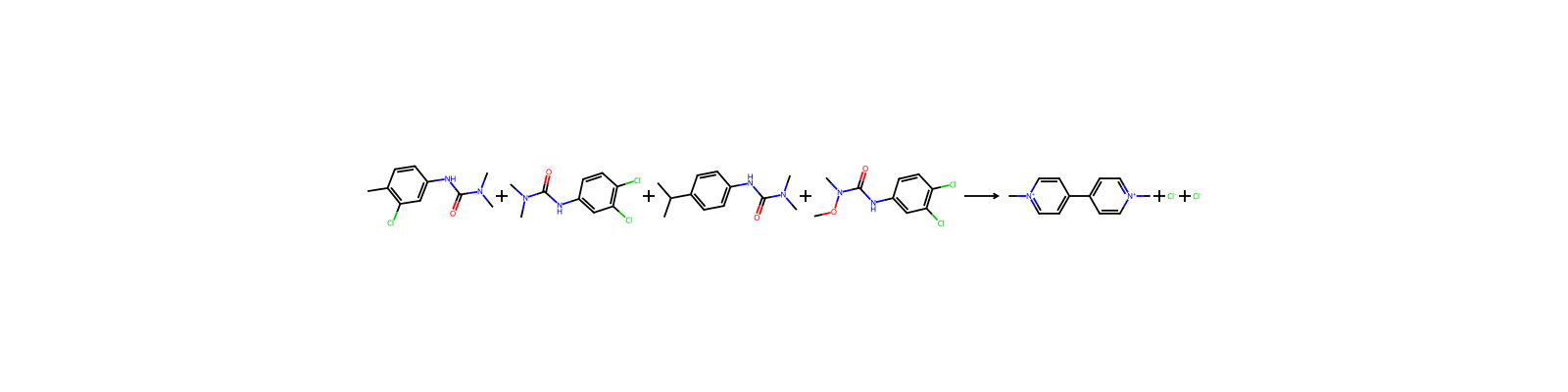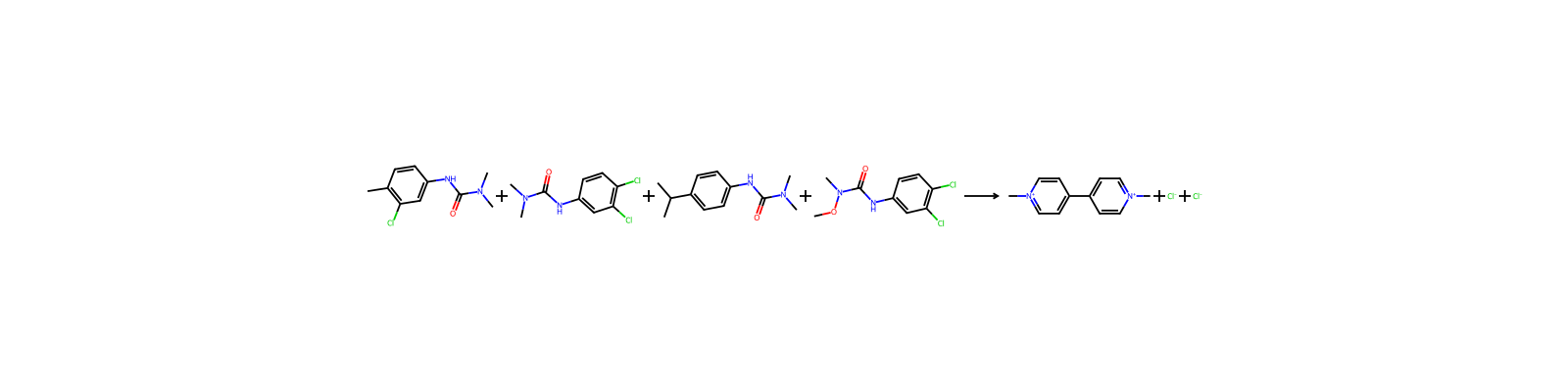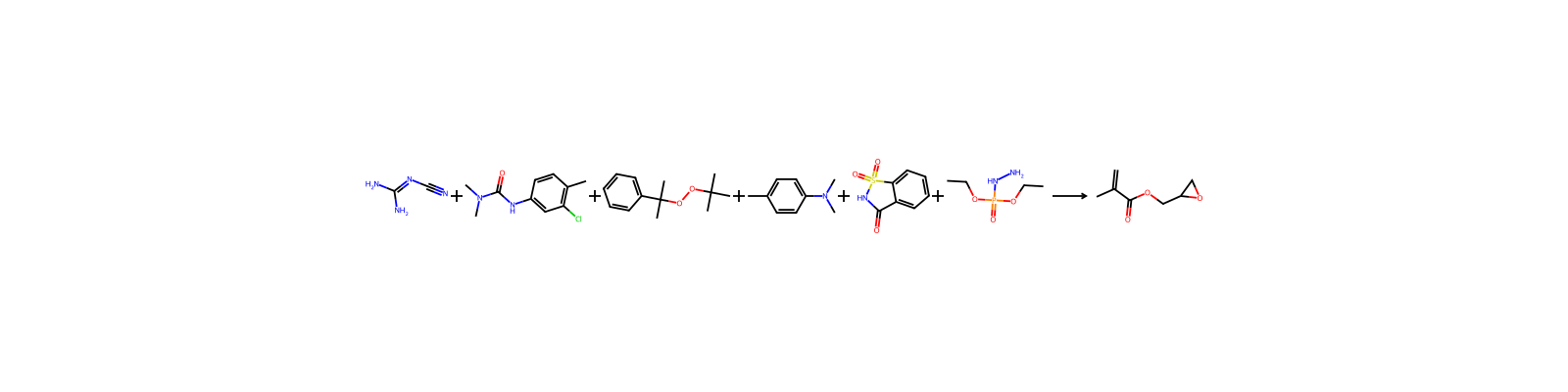
HRID 845111As reactant

15545-48-9Cc1ccc(NC(=O)N(C)C)cc1ClJXCGFZXSOMJFOA-UHFFFAOYSA-NChlorotoluron is a member of the class of phenylureas that is urea in which one of the nitrogens is substituted by two methyl groups while the other is substituted by a 3-chloro-4-methylphenyl group. A herbicide that is non-toxic to honeybees but moderately toxic to mammals, birds, earthworms and most aquatic organisms. It has a role as a herbicide, an agrochemical, a xenobiotic and an environmental contaminant. It is a member of phenylureas and a member of monochlorobenzenes.
15545-48-9DTXSID8052853CHEMBL1900581CHEBI:81981Agrochemicals -> Pesticide active substances
Active substance -> EU Pesticides database: Approved
Environmental transformation -> Pesticides (parent, predecessor)
Herbicides
Pesticide
Pesticide (Chlorotoluron) -> USDA PDB
Log Kow = 2.41
2.5
2.41
140 g/cu cm
1.4 g/cm³
COLORLESS CRYSTALS
white powder
IT IS SOLUBLE IN MOST ORGANIC SOLVENTS
In acetone 5%, ethyl acetate 2%, benzene 2.4%, isopropanol 1.5%, methylene chloride 4.3% w/v
In water, 70 mg/L at 25 °C
In acetone 54, dichloromethane 51, ethanol 48, toluene 3.0, hexane 0.06, n-octanol 24, ethyl acetate 21 (all in g/L at 25 °C)
Solubility in water, g/100ml at 25 °C: 0.0074 (very poor)
Safety information is for reference only and does not replace the supplier’s Safety Data Sheet (SDS), applicable regulations, or professional assessment.
Warning
H351: Suspected of causing cancer [Warning Carcinogenicity]
P203, P273, P280, P318, P391, P405, and P501 (click each P-code to see the statement)
Warning
H351 (100%): Suspected of causing cancer [Warning Carcinogenicity]
P203, P273, P280, P318, P391, P405, and P501 (click each P-code to see the statement)
Chemical: Urea, N'-(3-chloro-4-methylphenyl)-N,N-dimethyl-
05/53/EC, Reg. (EU) 2017/1511, Reg. (EU) 2018/1262, Reg. (EU) 2019/1589, Reg. (EU) 2020/1511, Reg. (EU) 2021/1449, Reg. (EU) 2022/1480, Reg. (EU) 2023/1757, Reg. (EU) 2026/1421, Reg. (EU) No 533/2013, Reg. (EU) No 540/2011
Chlorotoluron: Does not have an individual approval but may be used as a component in a product covered by a group standard. It is not approved for use as a chemical in its own right.
Collected Data on Herbicide Toxicology; Verlag Chemie GmBH, Postfach 1260/1280, 6940 Weinheim, Fed Rep of Germany, 4th instalment 2: 272 pages (1983). A loose-leaf collection published by the pesticides Committee of the German Research Association. A statement of the criteria involved in toxicological assessment of pesticides is followed by monographs on several herbicides, their applications, their toxicity to animals and man, and their metabolism or transformation in plants, soil and water. Each monograph is completed by a toxicological evaluation and a bibliography. The 4th supplement offers new or updated information on chlortoluron.
RECOGNIZED N-DEMETHYLATION &/OR N-DEMETHOXYLATION REACTIONS OF PHENYLUREA HERBICIDES IN BIOLOGICAL ENVIRONMENTS--CHLORTOLURON-- SOIL/MICROBIAL MEDIA: IN SILTY CLAY SOIL; PLANTS: IN WHEAT; MAMMALS: IN RAT /FROM TABLE/
...FATE OF (14)C-TOLYL-LABELED HERBICIDE /CHLORTOLURON/ IN RAT. ...METHYL RING SUBSTITUENT WAS SUBJECTED TO STEPWISE OXIDATION, YIELDING FIRST CORRESPONDING HYDROXYMETHYL AND THEN CARBOXY DERIVATIVE. ... COMBINED N-DEMETHYLATION/SIDE-CHAIN OXIDATION PATHWAY IN RATS IS /SRP: 3-(3-CHLORO-4-HYDROXYMETHYLPHENYL)-1,1-DIMETHYLUREA; 3-(3-CHLORO-4-CARBOXYPHENYL)-1,1-DIMETHYLUREA; 3-(3-CHLORO-4-HYDROXYMETHYLPHENYL)-1-METHYLUREA; 3-(3-CHLORO-4-CARBOXYPHENYL)-1-METHYLUREA; 3-(3-CHLORO-4-HYDROXYMETHYLPHENYL)UREA AND 3-(3-CHLORO-4-CARBOXYPHENYL)UREA/.
THE METABOLISM OF CHLORTOLURON IN WHEAT EXHIBITED ESSENTIALLY THE SAME QUALITATIVE PATTERN OF DEGRADATION. HOWEVER, THE MAJOR PORTION OF THE HYDROXYMETHYL METABOLITE (3-(3-CHLORO-4-HYDROXYMETHYLPHENYL)-1,1-DIMETHYLUREA) WAS FIRST TRAPPED AS WATER-SOL CONJUGATE(S). FURTHER OXIDATION TO CORRESPONDING CARBOXY DERIVATIVE OCCURRED ONLY IN LATER STAGES OF PLANT GROWTH. IN ADDN, N-DEMETHYLATION DID NOT PROCEED BEYOND N-MONOMETHYL STAGE.
The metabolism of chlortoluron was investigated in several plant species. Chlortoluron was degraded via both N-demethylation and ring-methyl oxidation reactions. The latter pathway was the major degradative route in wheat and barley. Since the products of ring-methyl oxidation are nonphytotoxic, the existence of such a detoxification mechanism in these cereals may account for their enhanced resistance to chlortoluron. The major metabolites in the susceptible cereal weeds, Avena fatua, Alopecurus myosuroides and Lolium perenne, and in resistant cotton were products of N-demethylation. This reaction in the cereal weeds proceeded only very slightly beyond the state the mono-N-demethylated metabolites some of which retain considerable phytotoxicity. In cotton, however, N-demethylation was more efficient, giving rise to substantial amounts of N-didemethylated metabolites which are non-phytotoxic.
For more Metabolism/Metabolites (Complete) data for CHLORTOLURON (7 total), please visit the HSDB record page.
147-148 °C
148.1 °C
3.6X10⁻⁸ MM HG @ 20 °C
Vapor pressure at 20 °C: negligible
Geissbuhler H; How Safe are Pesticides; Experientia 38 (8): 890-5 (1982). The safety of the pesticides, chlortoluron and atrazine, is discussed in relation to use, exposure, pollution, etc.
Carc. 2 (100%)
Carcinogenicity - category 2
Carc. 2
Fresh air, rest.
Remove contaminated clothes. Rinse and then wash skin with water and soap.
First rinse with plenty of water for several minutes (remove contact lenses if easily possible), then refer for medical attention.
Rinse mouth.
SRP: At the time of review, criteria for land treatment or burial (sanitary landfill) disposal practices are subject to significant revision. Prior to implementing land disposal of waste residue (including waste sludge), consult with environmental regulatory agencies for guidance on acceptable disposal practices.
Levels of cytochrome p450s and rates of monooxygenase activities were studied in microsomes prepared from wheat cell suspension cultures. Cytochrome contents and enzymatic activities, namely, the enzymatic systems responsible for chlorotoluron ring-methy1 hydroxy1ation and N-demethylation, were enhanced after pretreatment of cells with 2,4-D, procloraz, mecoprop, chlorotoluron, and oxime ether safeners. Effects of various agrochemicals were also determined on chlorotoluron ring-methyl hydroxylase and N-demethylase, following their direct addition to microsomal preparations. Plant growth regulators and fungicide, as well as piperonyl butoxide decreased both activities, tetcyclacis, and procloraz being marked1y inhibitory. Naphthalic anhydride, oxime ether safeners, dich1ormid, and tridiphane had only weak effects. The substrate specificities of chlorotoluron ring-methyl hydroxylase and N-demethylase were also investigated using structural analogues of the herbicide. Diuron was the strongest inhibitor among the tested phenylureas. Other herbicides that can be metabolized by wheat affected both activities to different extents. However, diclofop enhanced only chlorotoluron N-demethylase.
TERRESTRIAL FATE: Measured Koc values ranging from 1 to 3467(1) were obtained in a study of seventeen soils from Australia; generally, measured Koc values averaged from 150-420(2-4) with adsorption dependent on the percentage of organic matter present in the soil(1). Based on a recommended classification scheme(5), these values indicate that chlortoluron will generally have moderate mobility in soil(SRC). Absorption follows an L-isotherm indicating a decrease in site availability as the solution concentration of this compound increases(6). Biodegradation is expected to be the major fate process for chlortoluron in soil(7-9). In an outdoor lysimeter experiment, half-lives of 49 days and 52 days were reported for a silty loam and silty sand soil, respectively(7). Major metabolites of monomethyl chlortoluron(8) and N-demethylated chlortoluron(7) indicate that degradation of chlortoluron proceeds via cleavage of the C-N bond(10). Biodegradation may be slightly attenuated in soils containing higher concentrations of organic matter as sorption may have a protective effect(11). Volatilization of chlortoluron will not be important from moist or dry soil surfaces(SRC) based on an estimated value for its Henry's Law constant(12,13,SRC), and its measured vapor pressure, 3.6X10⁻⁸ mm Hg(12), respectively. Half-lives from 4-16 weeks have been determined for chlortoluron in soil(14).
AQUATIC FATE: Based on a recommended classification scheme(1), measured Koc values averaging 150-420(2-4) indicate that chlortoluron may adsorb to suspended solids and sediment(SRC) in the water column. Based on results from soil studies(5-7), biodegradation may be an important fate process for this compound in water(SRC). Half-lives from 4-16 weeks have been determined for chlortoluron in soil(5); monomethyl chlortoluron(6) and N-demethylated chlortoluron(5) were the major metabolites of this process. Chlortoluron should not volatilize from water surfaces(8,SRC) based on an estimated Henry's Law constant of 1.4X10⁻¹⁰ atm-cu m/mole(SRC), calculated from experimental values for vapor pressure(9) and water solubility(10). An estimated BCF value of 40(11,SRC), from an experimental log Kow(11), suggests that chlortoluron will not bioconcentrate in aquatic organisms(SRC) according to a recommended classification scheme(12).
ATMOSPHERIC FATE: According to a suggested classification scheme(1), an experimental vapor pressure of 3.6X10⁻⁸ mm Hg at 25 °C(2,SRC) indicates that chlortoluron will exist solely in the particulate phase in the ambient atmosphere. Particulate-phase chlortoluron may be physically removed from the air by wet and dry deposition(SRC).
An average organic matter-water distribution of 60 was measured for seven soils (organic matter range 1.09-5.92%; pH range 5.9-7.5)(1). Seventeen soils from Australia had a range of organic matter-water distribution values for this compound from 25-85, giving Koc values ranging from 1-3467 (organic matter range 0.19-6.62; pH range 4.8-8.4)(2). Leaching was studied following field application of chlortoluron to a sandy soil; after 10 cm of rain had fallen, >2 mg/kg, 1 mg/kg, 0.5 mg/kg, and a trace remained in the 0-2.5, 2.5-5, 5-7.5, and 7.5-10 cm depth, respectively(2). Chlortoluron has measured Koc values ranging from 146-346 for eight Czechoslovakian soils (mean=228), with higher values corresponding to soils with a greater content of organic matter(3). Koc values of 271 and 419 were measured for a loamy sand and a mucky peat soil, respectively, at 25 °C(4). According to a recommended classification scheme(5), these estimated Koc values suggest that chlortoluron has moderate mobility in soil(SRC). Adsorption of chlortoluron corresponds to an L-isotherm indicating that as the solution concentration increases, there is a decrease in site availability(6). Chlortoluron, applied at a rate of 2.0 kg/ha to sandy soil monoliths containers, had a measured Koc of 160 and 113 in the A and B horizons, respectively(7). The addition of liquid manure, increasing the organic carbon content, resulted in reduced mobility(7).
Degradation of chlortoluron proceeds through the cleavage of the C-N bond as demonstrated using both soil and microbial culture studies(1). Chlortoluron had a half-life in soil of 4-6 weeks(2). The only metabolite identified in this study was monomethyl chlortoluron(2). A half-life of between 6-18 weeks was reported for chlortoluron(3). In biometer experiments, half-lives of 93 days and 40 days were measured for chlortoluron in a silty sand and silty loam soil, respectively(4). However, the disappearance of this compound in an outdoor lysimeter experiment was slower in silty loam (49 days, fallow land; 38 days, barley field) than in silty sand(52 days, fallow land; 14 days, barley field)(4). The main metabolite of chlortoluron degradation was N-dimethylated chlortoluron(4). Chlortoluron, applied as either a suspendible concentrate or wettable powder, had a calculated half-life of 96 days for both conditions in one soil (pH 5.1; organic carbon 4.1%; silt 16%; water holding capacity 27%); a second soil (pH 7.0; organic carbon 1.6%; silt 11% water holding capacity 16.6%) had calculated half-lives of 82 and 84 days for a suspendible concentrate and wettable powder, respectively(5).
Chlortoluron at 5 and 100 umol/kg soil was incubated at 25 °C in both a sandy loam and a mucky peat(1). Degradation was slow and there was no indication of a lag phase. The percentage of total applied 14C activity evolved as 14CO2 from the soil varied from 0.21 to 0.14% in peat and sand, respectively, at the 5 umol/kg soil herbicide concentration and from 0.25 to 0.38% in peat and sand, respectively, at the 100 umol/kg soil herbicide concentration(1). The higher rate for the sandy soil at 100 umol/kg soil concentration was believed due to the protective effect of sorption (in the peat soil) on the degradation process(1). A half-life of chlortoluron in soil was estimated at 25 °C as 2306 and 4730 days for peat and sand soils, respectively, at a herbicide concentration of 5 umol/kg soil(1). A half-life of 1949 and 1335 days for peat and sand soils, respectively, was estimated for a herbicide concentration of 100 umol/kg soil(1). These half-lives were derived from the rate of 14CO2 production under laboratory conditions(1).
An estimated BCF value of 40 was calculated for chlortoluron(SRC), using an experimental log Kow of 2.41(1,SRC) and a recommended regression-derived equation(2). According to a classification scheme, this BCF value suggests that bioconcentration in aquatic organisms is moderate, not high(3). Winter wheat grown in soil containing 4.7 mg chlortoluron/kg dry soil had bioconcentration factors of 21 and 22 for root material and for shoots, respectively (bioconcentration factor is the concentration of 14C from the chlortoluron in the plant versus the soil)(4).
...(TOLYL-(14)C)CHLORTOLURON WAS ADMIN DAILY TO RATS FOR...2 WK...CONCN OF RADIOACTIVITY IN BLOOD & VARIOUS ORGANS REACHED THEIR HIGHEST LEVEL ON 1ST OR 2ND DAY...& DID NOT INCR FOR REMAINDER OF EXPT. ...WHEN FEEDING OF LABEL WAS ABANDONED, RADIOACTIVITY IN ALL TISSUES DECR BELOW DETECTABLE LEVELS WITHIN...9 DAYS.
...PHENYLUREAS LABELED WITH (14)C IN DIFFERENT POSITIONS WERE ADMIN ORALLY TO RATS, IT WAS OBSERVED THAT TOTAL RADIOACTIVITY WAS RAPIDLY & EFFICIENTLY ELIMINATED IN URINE & FECES. ...90% OR MORE OF RADIOACTIVITY APPLIED WAS ACCOUNTED FOR IN EXCRETA WITHIN 72 HR AFTER ADMIN...(TOLYL-(14)C)CHLORTOLURON. WITH MOST MENTIONED CMPD /(TOLYL-(14)C)CHLORTOLURON/ MAJOR PORTION OF LABEL WAS ELIMINATED IN URINE, WHEREAS AMT OF FECAL RADIOACTIVITY WAS USUALLY NO MORE THAN 20% IN TERMS OF DOSE APPLIED.
HERBICIDE
Selective herbicide, absorbed by the roots and foliage. Inhibits photosynthesis. Effective both as a residual soil-acting herbicide and a contact foliar-spray against many broad-leaved and grass weeds of winter cereals, especially against Alopecurus myosuroides.
Dicuran 80 wettable powder (800 g ai/kg) and 500 flowable (500 g/l)
...in combination with mecoprop (Lumeton forte 60 wettable powder)
Chlortoluron is combined with mecoprop to improve the control of Galium, Papaver and Veronica spp.
(Chlortoluron +) bifenox; mecoprop; pendimethalin; terbutryn; trifluralin; terbuthylazine + terbutryn
Suspension concentrate; Wettable powder; Granule
Herbicides
Pharmaceuticals
Environmental transformation -> Pesticides (parent, predecessor)
Urea, N'-(3-chloro-4-methylphenyl)-N,N-dimethyl-: ACTIVE
IT WAS INTRODUCED, IN 1969, BY CIBA AG...UNDER CODE NUMBER C2242, TRADE MARK DICURAN & PROTECTED BY BELGIAN PATENT 728267. ITS HERBICIDAL PROPERTIES WERE FIRST DESCRIBED BY L'HERMITE Y ET AL; CR JOURN ETUD HERBIC CONF, COLUMA, 5TH, 1969, II, 349.
IT IS EFFECTIVE BOTH AS RESIDUAL SOIL-ACTING HERBICIDE & AS CONTACT FOLIAR-ACTING SPRAY AGAINST GRASS WEEDS & MANY BROAD-LEAVED WEEDS OF CEREAL CROPS, PARTICULARLY AGAINST BLACK GRASS (ALOPECURUS MYOSUROIDES). IT IS USED ON WINTER CEREALS IMMEDIATELY AFTER SOWING AT 1.5 TO 3 KG AI/HA; FOR POST-EMERGENCE, AT SAME RATES WHEN CEREAL IS AT THE 3-LEAF STAGE TO END OF TILLERING. IT IS COMBINED WITH MECOPROP (LUMETON FORTE) TO IMPROVE THE CONTROL OF GALLIUM, VERONICA & PAPAVER SPP.
Not marketed in the United States.
DescriptionChloroturon is a commonly used urea herbicide. It is moderately soluble in water, volatile with a high potential for leaching to groundwater. It is moderately persistent in soil but tends not to be persistent in water due to rapid aqueous photolysis. Chloroturon has a low mammalian toxicity but may bioaccumulate. Whilst it is non-toxic to honeybees it is moderately toxic to birds, earthworms and most aquatic organisms.
UsesHerbicide.
DefinitionChEBI: A member of the class of ureas that is N-methyl urea substituted by a 3-chloro-4-methylphenyl group at position 3 and a methyl group at position 1. A herbicide that is non-toxic to honeybees but is moderately toxic to mammals, birds, ea thworms and most aquatic organisms.