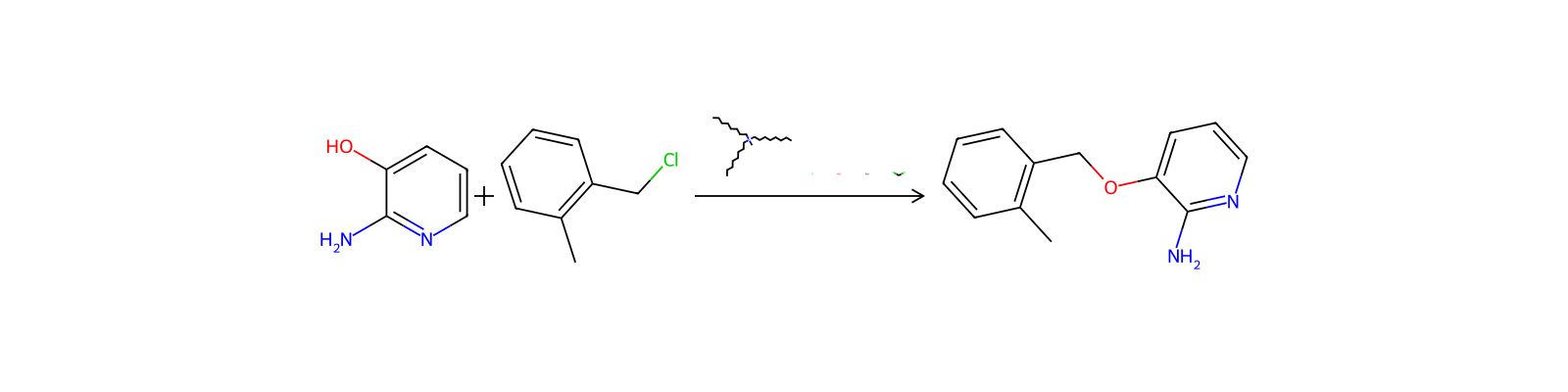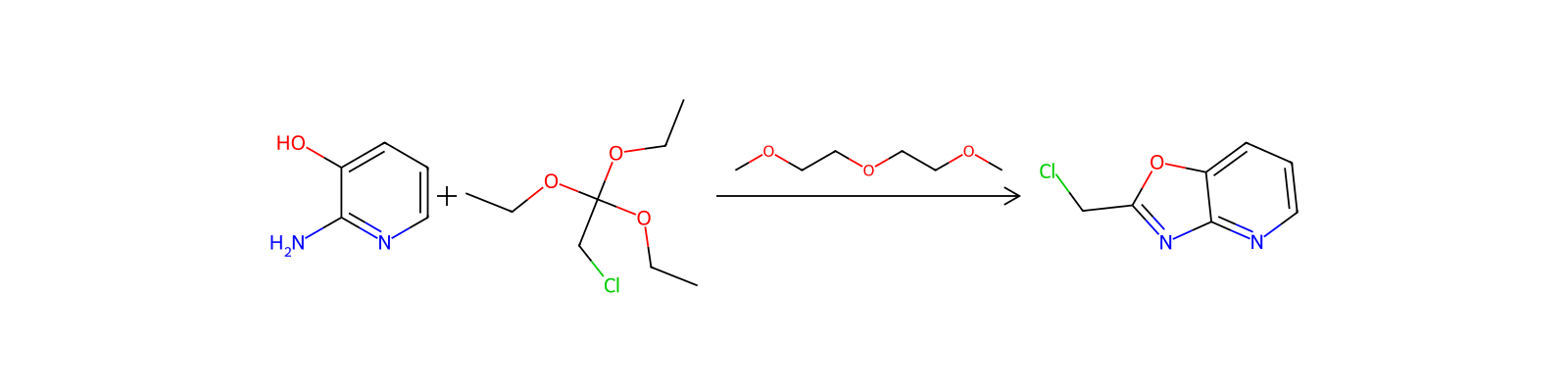
HRID 3923As reactant

16867-03-1Nc1ncccc1OBMTSZVZQNMNPCT-UHFFFAOYSA-N2-amino-3-hydroxypyridine is a monohydroxypyridine and an aminopyridine.
16867-03-1DTXSID50168588CHEMBL4777856CHEBI:195501Cosmetic ingredients (2-Amino-3-Hydroxypyridine) -> CIR (Cosmetic Ingredient Review)
Hair dyeing
Safety information is for reference only and does not replace the supplier’s Safety Data Sheet (SDS), applicable regulations, or professional assessment.
Danger
H301 (15.7%): Toxic if swallowed [Danger Acute toxicity, oral]
P260, P261, P262, P264, P264+P265, P270, P271, P273, P280, P301+P316, P301+P317, P302+P352, P304+P340, P305+P351+P338, P316, P319, P321, P330, P332+P317, P337+P317, P361+P364, P362+P364, P391, P403+P233, P405, and P501 (click each P-code to see the statement)
Aggregated GHS information provided per 191 reports by companies from 27 notifications to the ECHA C&L Inventory. Each notification may be associated with multiple companies.
Chemical: 3-Pyridinol, 2-amino-
REACH registered substance: 2-aminopyridin-3-ol (EC: 240-886-8)
2-Amino-3-hydroxypyridine: Does not have an individual approval but may be used under an appropriate group standard
Uses2-Amino-3-hydroxypyridine was used as reagent in reaction of dimethyl acetylenedicarboxylate and triphenylphosphine to yield functionalized coumarins and 1,4-oxazines.
General Description2-Amino-3-hydroxypyridine forms complexes with number of transition metals. It inhibits the corrosion of aluminium and copper in acidic solutions. It undergoes condensation with 2-hydroxy-1-naphthaldehyde and 2-hydroxybenzaldehyde to form Schiffs bases. It is useful in the preparation of clinical anti-inflammatory analgesics.