
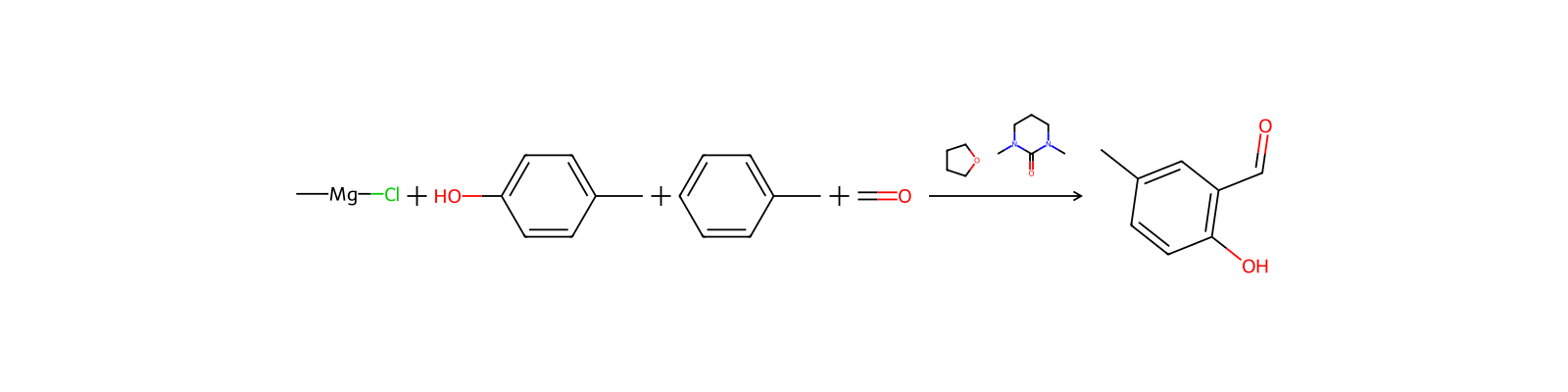
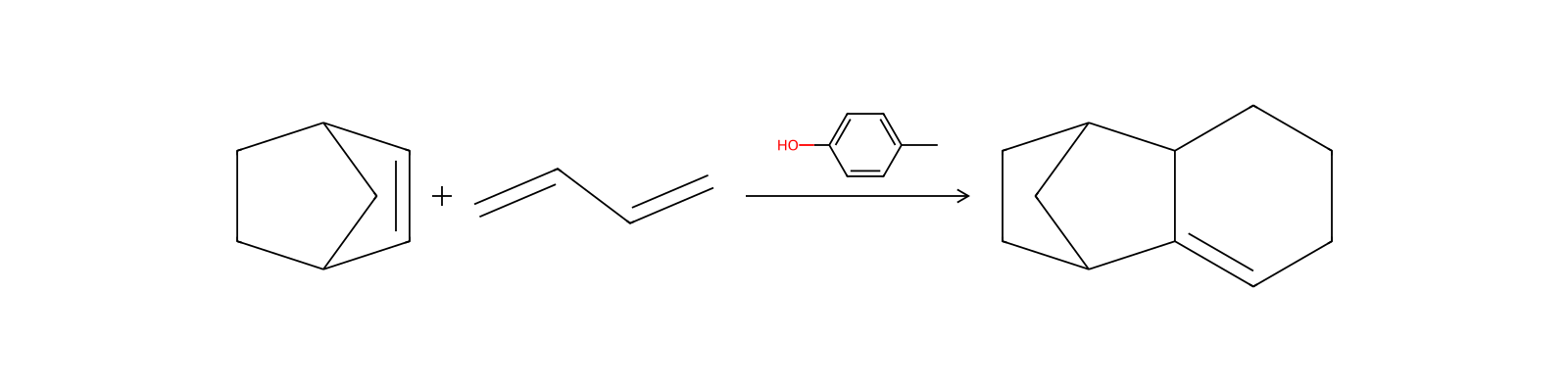
HRID 791As reactant

106-44-5Cc1ccc(O)cc1IWDCLRJOBJJRNH-UHFFFAOYSA-NP-cresol is a colorless solid with a tar like odor. Sinks and mixes slowly with water. (USCG, 1999)
106-44-5、1319-77-3、2876-02-0DTXSID7021869CHEMBL16645CHEBI:17847Other Classes -> Phenols
Carcinogens
Industrial compound
Semi-Volatile Organic Compound (SVOC) and(or) Waste-water effluent contaminant
Cosmetics ingredient -> Buffering/pH Adjusting; Fragrance; Preservative/Stabilizer; Solvent
Cosmetic ingredients (p-Cresol) -> CIR (Cosmetic Ingredient Review)
Antimicrobial
log Kow = 1.94
1.94
1.94
2.03
Phenolic odor
Sweet, tarry odor
Safety information is for reference only and does not replace the supplier’s Safety Data Sheet (SDS), applicable regulations, or professional assessment.
Danger
H301: Toxic if swallowed [Danger Acute toxicity, oral]
P260, P262, P264, P270, P280, P301+P316, P301+P330+P331, P302+P352, P302+P361+P354, P304+P340, P305+P354+P338, P316, P321, P330, P361+P364, P363, P405, and P501 (click each P-code to see the statement)
Danger
H301+H311 (16.1%): Toxic if swallowed or in contact with skin [Danger Acute toxicity, oral; acute toxicity, dermal]
P260, P262, P264, P270, P273, P280, P301+P316, P301+P330+P331, P302+P352, P302+P361+P354, P304+P340, P305+P354+P338, P316, P321, P330, P361+P364, P363, P405, and P501 (click each P-code to see the statement)
Chemical: Phenol, 4-methyl-
Hazard Traits - Musculoskeletal Toxicity; Respiratory Toxicity
Commission Regulation (EC) No 1565/2000 (Repealed by Com. Implementing Reg. (EU) No 872/2012)
Phenol, 4-methyl- is listed on the EPA's Chemical Data Reporting (CDR) system. Manufacturers and importers of Phenol, 4-methyl- are required to report information about their production and use of this chemical to the EPA under the Toxic Substances Control Act (TSCA). (40 eCFR Part 711)
REACH registered substance: p-cresol (EC: 203-398-6)
4-Cresol: Does not have an individual approval but may be used under an appropriate group standard
Special Hazards of Combustion Products: Emits highly toxic fumes.
Combustible. Gives off irritating or toxic fumes (or gases) in a fire. Above 86 °C explosive vapour/air mixtures may be formed.
p-Cresol fed to rabbits is excreted in the urine as the glucuronide (60%) and sulfate (15%) conjugates, some 10% is oxidized to p-hydroxybenzoic acid and a trace is hydroxylated to 3,4-dihydroxytoluene.
p-Cresol yields p-cresyl-beta-d-glucuronide, p-cresyl sulfate, p-hydroxybenzyl alcohol, 4-methylcatechol, and p-methylanisole in rabbits.
p-Cresol yields p-cresyl sulfate in man.
p-Cresol yields p-cresyl sulfate and p-methylanisole in rats.
For more Metabolism/Metabolites (Complete) data for p-CRESOL (18 total), please visit the HSDB record page.
4-Methylphenol has known human metabolites that include 4-methyl-hydroquinone, 4-Methyl-2,5-cyclohexadien-1-one, (2S,3S,4S,5R)-3,4,5-Trihydroxy-6-(4-methylphenoxy)oxane-2-carboxylic acid, and 4-Hydroxybenzyl alcohol.
Humans normally excrete approximately 50 mg of p-cresol in the urine daily. p-Cresol is produced endogenously from tyrosine by anaerobic bacteria in the gastrointestinal tract.
The normal human excretes 16 to 39 mg p-cresol/day.
Cresols are slightly more corrosive /to the skin or eyes/ than phenol, but systemic effects may be a little milder because of slower absorption.
Healthy humans excrete an average of about 50 mg (range 16-74 mg) of p-cresol in the urine daily. Endogenous p-cresol is produced from tyrosine, an amino acid present in most proteins, by anaerobic bacteria in the intestine. Free p-cresol formed in this way is absorbed from the intestine and eliminated in the urine as conjugates.
For more Absorption, Distribution and Excretion (Complete) data for p-CRESOL (9 total), please visit the HSDB record page.


1.034 at 68 °F (USCG, 1999) - Denser than water; will sink
1.0185 at 40 °C/4 °C
Percent in saturated air at 25 °C: 0.0142; density of saturated air at 25 °C: 1.00039 (Air= 1)
1.02 g/cm³
1.04
Flammable when exposed to /SRP66: spark/ heat, flames, or oxidants.
Combustible liquid
INHALATION: Irritation of nose or throat. EYES: Intense irritation and pain, swelling of conjunctiva and corneal damage may occur. SKIN: Intense burning, loss of feeling, white discoloration and softening. Gangrene may occur. INGESTION: Burning sensation in mouth and esophagus. Vomiting may result. Absorption by all routes may cause muscular weakness, gastroenteric disturbance, severe depression and collapse. Effects are primarily on central nervous system, edema of lungs, injury of spleen and pancreas may occur. (USCG, 1999)
Causes burns; Inhalation may cause pulmonary edema; Short-term exposure may have effects on the CNS (lowering of consciousness) and blood (destruction of blood cells); Prolonged or repeated exposure may have effects on the nervous system (impaired functions) and blood (anemia); Can be absorbed through skin; [ICSC] May cause second degree skin burns after a few minutes contact; [CHRIS] The most toxic of the three cresol isomers; May cause skin sensitization; [HSDB] No evidence of skin sensitization in limited studies of humans and guinea pigs using p-cresol and m-/p-cresol; A survey reports hypersensitivity reactions of certain individuals to cresol (unspecified isomer); Neither isomer produced mortality or clinical signs of toxicity following exposure to saturated vapor concentrations, although inhalation of aerosols may be fatal; [OECD SIDS: m-/p-Cresol Category - 2003] Safe when used as a flavoring agent in food; [JECFA] Causes burns; Inhalation may cause corrosive injuries to upper respiratory tract and lungs; Highly toxic by inhalation; Toxic by ingestion and skin absorption; Targets the CNS, lungs, liver, kidney, and eyes; [Sigma-Aldrich MSDS] See Cresol, all isomers.
The major hazards encountered in the use and handling of p-cresol stem from its toxicologic properties. Toxic by all routes (ie, inhalation, ingestion, and dermal absorption), exposure to this colorless to white, tar-smelling, crystalline substance may occur from its use in coal desulfurization, and in the production of disinfectants, explosives, perfumery materials, and phenolic resins. Effects from exposure may include nausea, contact burns to the skin and eyes, ventricular arrhythmias, pulmonary edema, seizures, coma, and death. Both the OSHA PEL and the ACGIH TLV have been set at a TWA of 5 ppm. In activities or situations where over exposure may occur, wear a self-contained breathing apparatus and full chemical protective clothing which is specifically recommended by the shipper or producer to prevent skin contact with p-cresol. If contact should occur, immediately flush affected skin or eyes with running water for at least 15 minutes, and remove contaminated clothing and shoes at the site. Eyewash and quick drench facilities should be readily available in p-cresol work areas. While p-cresol does not ignite easily, it can burn with the production of irritating and poisonous gases. Also, containers of p-cresol can explode violently in the heat of a fire. Fires involving p-cresol may be extinguished with dry chemical, CO2, Halon, water spray, or standard foam. Water spray, if used, should be applied with caution because it may cause frothing. Fight the fire from a maximum distance and dike runoff from fire control water. p-Cresol should be stored in iron or steel containers, in cool, dry, well-ventilated areas, away from oxidizing materials, and sources of ignition and physical damage. p-Cresol may be shipped via air, rail, road, and water. Small spills of p-cresol may be shovelled into clean, dry, covered containers for later disposal (solutions are first absorbed with sand or other noncombustible material). Large spills on land should be contained in pits or other excavated holding areas that are sealed with an impermeable flexible membrane liner. Any surface flow should be diked with sand bags, foamed concrete, or foamed polyurethane. Once contained, bulk p-cresol solutions can be neutralized with crushed limestone, soda ash, or lime, and absorbed with fly ash, cement powder, or sawdust. For spills in bodies of water, trap the material at the bottom with sand bags, or add activated carbon, then use mechanical dredges to remove the immobilized masses. p-Cresol is a good candidate for fluidized bed and rotary kiln forms of incineration. Prior to implementing land disposal of p-cresol, consult with environmental regulatory agencies for guidance.
p-Cresol is a food additive permitted for direct addition to food for human consumption as a synthetic flavoring substance and adjuvant in accordance with the following conditions: a) they are used in the minimum quantity required to produce their intended effect, and otherwise in accordance with all the principles of good manufacturing practice, and 2) they consist of one or more of the following, used alone or in combination with flavoring substances and adjuvants generally recognized as safe in food, prior-sanctioned for such use, or regulated by an appropriate section in this part.
Fire Extinguishing Agents Not to Be Used: Water may cause frothing.
Use water spray, foam, powder, carbon dioxide.
Fresh air, rest. Half-upright position. Artificial respiration may be needed. Refer immediately for medical attention.
Remove contaminated clothes. Rinse skin with plenty of water or shower. Refer immediately for medical attention.
Rinse with plenty of water (remove contact lenses if easily possible). Refer immediately for medical attention.
Rinse mouth. Do NOT induce vomiting. Refer immediately for medical attention.
EYES: First check the victim for contact lenses and remove if present. Flush victim's eyes with water or normal saline solution for 20 to 30 minutes while simultaneously calling a hospital or poison control center. Do not put any ointments, oils, or medication in the victim's eyes without specific instructions from a physician. IMMEDIATELY transport the victim after flushing eyes to a hospital even if no symptoms (such as redness or irritation) develop.
(General first aid procedures)
...Vapors will seek out low-lying areas where they can accumulate.
Sealed closed containers can build up pressure if exposed to heat (fire).
Wear goggles & self-contained breathing apparatus.
Use water spray, dry chemical, foam, or carbon dioxide. Use water spray to keep fire-exposed containers cool.
Water may be used to blanket fire.
If material on fire or involved in fire: Use water in flooding quantities as fog. Solid streams of water may be ineffective. Cool all affected containers with flooding quantities of water. Apply water from as far a distance as possible. Use foam, dry chemical, or carbon dioxide. Use water spray to knock-down vapors.
For more Fire Fighting Procedures (Complete) data for p-CRESOL (6 total), please visit the HSDB record page.
Keep container tightly closed in a dry and well-ventilated place. Hygroscopic. Air and light sensitive. Handle and store under inert gas.
Avoid loading together with explosives, oxidizing materials and organic peroxides.
Store in a cool, dry, well ventilated location. Separate from oxidizing materials.
All bulk containers that hold cresol shall carry, in a readily visible location, a label that bears the trade name of the product, if appropriate, and information on the effects of exposure to the compound on human health.
Cresol should be stored in iron or steel containers, properly labelled.
Optimum conditions for removing cresol from wastewater with Lewatit MP 500 (a strong-base, large-pore, polystyrene-based anion exchange resin) were pH 6, 30 °C, and a flow rate of 1 L/hr, and when removing cresol from 10 mg/L solutions, the capacity of the exchanger was 0.46 equiv/L.
Approach release from upwind. Control runoff and isolate discharged material for proper disposal.
Environmental considerations - Water spill: Use natural deep water pockets, excavated lagoons, or sand bag barriers to trap material at bottom. If dissolved, in region of 10 ppm or greater concentration, apply activated carbon at ten times the spilled amount. Use mechanical dredges or lifts to remove immobilized masses of pollutants and precipitates.
Environmental considerations - Land spill: Dig a pit, pond, lagoon, or holding area to contain liquid or solid material. /SRP: If time permits, pits, ponds, lagoons, soak holes, or holding areas should be sealed with an impermeable flexible membrane liner./ Dike surface flow using soil, sand bags, foamed polyurethane, or foamed concrete. Absorb bulk liquid with fly ash, cement powder, or commercial sorbents.
For more Cleanup Methods (Complete) data for p-CRESOL (6 total), please visit the HSDB record page.
SMALL SPILLS AND LEAKAGE: Should a spill occur while you are handling this chemical, FIRST REMOVE ALL SOURCES OF IGNITION, then you should dampen the solid spill material with 60-70% ethanol and transfer the dampened material to a suitable container. Use absorbent paper dampened with 60-70% ethanol to pick up any remaining material. Seal the absorbent paper, and any of your clothes, which may be contaminated, in a vapor-tight plastic bag for eventual disposal. Solvent wash all contaminated surfaces with 60-70% ethanol followed by washing with a soap and water solution. Do not reenter the contaminated area until the Safety Officer (or other responsible person) has verified that the area has been properly cleaned.
Generators of waste (equal to or greater than 100 kg/mo) containing this contaminant, EPA hazardous waste numbers F004, U052 and D025, must conform with USEPA regulations in storage, transportation, treatment and disposal of waste.
Chemical Treatability of p-Cresol; Concentration Process: Biological Treatment; Chemical Classification: Phenols; Scale of Study: Unknown; Type of Wastewater Used: Pure (one solute in a solvent); Results of Study: 95.5% reduction based on chemical oxygen demand; rate of biodegradation 55 mg chemical oxygen demand/g hr. (Activated sludge process).
Chemical Treatability of p-Cresol; Concentration Process: Solvent Extraction; Chemical Classification: Phenols; Scale of Study: Laboratory Scale, Continuous flow; Type of Wastewater Used: Industrial Wastewater; Results of Study: 91% reduction (Extraction of evaporation condensate from spent caustic processing using isobutylene (S/W= 1.8); spray extractor used).
Cresol: A good candidate for rotary kiln incineration at temperature range of 820 to 1,600 °C and residence times of seconds for liquids and gases, and hours for solids. A good candidate for fluidized bed incineration at a temperature range of 450 to 980 °C and residence times of seconds for liquids and gases, and longer for solids. /Cresols/
For more Disposal Methods (Complete) data for p-CRESOL (6 total), please visit the HSDB record page.
Personal protection: filter respirator for organic gases and particulates adapted to the airborne concentration of the substance and chemical protection suit. Do NOT let this chemical enter the environment. Sweep spilled substance into containers. If appropriate, moisten first to prevent dusting. Carefully collect remainder. Then store and dispose of according to local regulations.
Avoid contact with skin, eyes and clothing. Wash hands before breaks and immediately after handling the product.
Gloves must be inspected prior to use. Use proper glove removal technique (without touching glove's outer surface) to avoid skin contact with this product. Dispose of contaminated gloves after use in accordance with applicable laws and good laboratory practices. Wash and dry hands.
Avoid contact with skin and eyes. Avoid formation of dust and aerosols. Provide appropriate exhaust ventilation at places where dust is formed.
Workers whose clothing may have become contaminated should change into uncontaminated clothing before leaving the work premises.
For more Preventive Measures (Complete) data for p-CRESOL (12 total), please visit the HSDB record page.
If the compound has been ingested, rapid gastric lavage should be performed using 5% sodium bicarbonate. For skin contact, the skin should be washed with soap and water. If the compound has entered the eyes, they should be washed with large quantities of isotonic saline or water. In serious cases, atropine and/or pralidoxime should be administered. Anti-cholinergic drugs work to counteract the effects of excess acetylcholine and reactivate AChE. Atropine can be used as an antidote in conjunction with pralidoxime or other pyridinium oximes (such as trimedoxime or obidoxime), though the use of '-oximes' has been found to be of no benefit, or possibly harmful, in at least two meta-analyses. Atropine is a muscarinic antagonist, and thus blocks the action of acetylcholine peripherally.
/LABORATORY ANIMALS: Chronic Exposure or Carcinogenicity/ Mice were given a single dermal application of 9,10-dimethyl-1,2-benzanthracene (DMBA), a cancer initiator, followed by application of 20% solutions of o-, p-, or m-cresol in benzene twice a week for 12 weeks. This level of cresols exposure proved to be acutely toxic, producing relatively high nontumor-related mortality. Consequently, all tumor results were based on number of survivors (14-20 per group). Promotion with cresols led to increases in the average number of skin papillomas per mouse and the percentage of exposed mice with at least one papilloma. o-Cresol was the most potent isomer, and p-cresol the least. Carcinomas were not observed following cresols exposure, although the observed papillomas have the potential to develop into carcinomas. A problem with the study was use of benzene, a known carcinogen, as the solvent for the cresols. However, benzene controls in the cresols experiment did not develop papillomas, and neither did benzene controls in four parallel series of experiments (a few papillomas were observed in a fifth benzene control group). Therefore, the results of this study showing that all three cresol isomers are capable of promoting skin tumors initiated by DMBA appear to be valid.
P-cresol is a well-known uremic toxin and environmental toxicant that may affect platelet functions. In this study, p-cresol (1-5 uM) inhibited the arachidonic acid (AA)-induced platelet aggregation, with 47% and 82% of inhibition at concentrations of 2 and 5 uM, respectively. Under similar experimental condition, p-cresol showed little effect on the U46619-induced platelet aggregation. p-cresol (<500 uM) revealed no discernable cytotoxicity to platelets as analyzed by quantification of lactate dehydrogenase release. Antiplatelet effect of p-cresol was related to inhibition of thromboxane A(2) (TXA(2)) and prostaglandin D(2) (PGD(2)) formation. P-cresol (2-100 uM) partly inhibited the AA-induced reactive oxygen species (ROS) production as well as the extracellular signal-regulated kinase (ERK1/2) and p38 phosphorylation in platelets. P-cresol further inhibited the AA-induced aggregation of rabbit platelet-rich plasma (PRP) with an IC50 of 2 uM and aggregation of human PRP (IC50 = 13.6 uM). Intravenous administration of p-cresol (250-1000 nmole) into mice effectively suppressed the ex vivo platelet aggregation, whereas showed little effect on the value of RBC, hemoglobin (HGB), hematocrit, MCV, MCH, MCHC, platelets and lymphocyte counts. These results indicate that in acute p-cresol-poisoning and long-term exposure to cresol as in severe uremic patients, p-cresol may potentially inhibit blood clot formation and lead to hemorrhagic disorders via inhibition of platelet aggregation, ROS production, ERK/p38 activation and TXA(2) production.
... DNA adduct formation in myeloperoxidase containing HL-60 cells treated with the toluene metabolite p-cresol /was examined/. Treatment of HL-60 cells with the combination of p-cresol and H2O2 produced four DNA adducts 1: (75.0%), 2: (9.1%), 3: (7.0%) and 4: (8.8%) and adduct levels ranging from 0.3 to 33.6 x 10⁻⁷. The levels of DNA adducts formed by p-cresol were dependent on concentrations of p-cresol, H2O2 and treatment time. In vitro incubation of p-cresol with myeloperoxidase and H2O2 produced three DNA adducts 1: (40.5%), 2: (28.4%) and 3: (29.7%) with a relative adduct level of 0.7x10⁻⁷. The quinone methide derivative of p-cresol (PCQM) was prepared by Ag(I)O oxidation. Reaction of calf thymus DNA with PCQM produced four adducts 1: (18.5%), 2: (36.4%), 3: (29.0%) and 5: (16.0%) with a relative adduct level 1.6x10⁻⁷. Rechromatography analyses indicates that DNA adducts 1-3 formed in HL-60 cells treated with p-cresol and after myeloperoxidase activation of p-cresol were similar to those formed by reaction of DNA with PCQM. This observation suggests that p-cresol is activated to a quinone methide intermediate in each of these activation systems. Taken together, these results suggest PCQM is the reactive intermediate leading to the formation of DNA adducts in HL-60 cells treated with p-cresol. Furthermore, the DNA adducts formed by PCQM may provide a biomarker to assess occupational exposure to toluene.
Acute exposure to cholinesterase inhibitors can cause a cholinergic crisis characterized by severe nausea/vomiting, salivation, sweating, bradycardia, hypotension, collapse, and convulsions. Increasing muscle weakness is a possibility and may result in death if respiratory muscles are involved. Accumulation of ACh at motor nerves causes overstimulation of nicotinic expression at the neuromuscular junction. When this occurs symptoms such as muscle weakness, fatigue, muscle cramps, fasciculation, and paralysis can be seen. When there is an accumulation of ACh at autonomic ganglia this causes overstimulation of nicotinic expression in the sympathetic system. Symptoms associated with this are hypertension, and hypoglycemia. Overstimulation of nicotinic acetylcholine receptors in the central nervous system, due to accumulation of ACh, results in anxiety, headache, convulsions, ataxia, depression of respiration and circulation, tremor, general weakness, and potentially coma. When there is expression of muscarinic overstimulation due to excess acetylcholine at muscarinic acetylcholine receptors symptoms of visual disturbances, tightness in chest, wheezing due to bronchoconstriction, increased bronchial secretions, increased salivation, lacrimation, sweating, peristalsis, and urination can occur. Certain reproductive effects in fertility, growth, and development for males and females have been linked specifically to organophosphate pesticide exposure. Most of the research on reproductive effects has been conducted on farmers working with pesticides and insecticdes in rural areas. In females menstrual cycle disturbances, longer pregnancies, spontaneous abortions, stillbirths, and some developmental effects in offspring have been linked to organophosphate pesticide exposure. Prenatal exposure has been linked to impaired fetal growth and development. Neurotoxic effects have also been linked to poisoning with OP pesticides causing four neurotoxic effects in humans: cholinergic syndrome, intermediate syndrome, organophosphate-induced delayed polyneuropathy (OPIDP), and chronic organophosphate-induced neuropsychiatric disorder (COPIND). These syndromes result after acute and chronic exposure to OP pesticides.
LC50; Species: Pimephales promelas (Fathead minnow) juvenile; Conditions: static, 18-22 °C; Concentration: >30 mg/L for 1 hr
LC50; Species: Pimephales promelas (Fathead minnow) juvenile; Conditions: static, 18-22 °C; Concentration: 26 mg/L for 24 hr
LC50; Species: Pimephales promelas (Fathead minnow) juvenile; Conditions: static, 18-22 °C; Concentration: 21 mg/L for 48 hr
LC50; Species: Pimephales promelas (Fathead minnow) juvenile; Conditions: static, 18-22 °C; Concentration: 21 mg/L for 72 hr
For more Ecotoxicity Values (Complete) data for p-CRESOL (22 total), please visit the HSDB record page.
TERRESTRIAL FATE: Based on a classification scheme(1), a measured Koc range of 27-500(2-4) indicates that p-cresol is expected to have very high to moderate mobility in soil(SRC). Volatilization of p-cresol from moist soil surfaces is expected to occur(SRC) given a Henry's Law constant of 1.0X10⁻⁶ atm-cu m/mole(5). p-Cresol may volatilize from dry soil surfaces(SRC) based upon a vapor pressure of 0.11 mm Hg at 25 °C(6). Based upon available test results, including OECD screening methods, p-cresol can be considered as being readily biodegradable under aerobic conditions(7). Biodegradation half-lives of 1 and 0.5 days were reported for 2 agricultural soils(8).
AQUATIC FATE: Based on a classification scheme(1), a measured soil Koc range of 27-500(2-4) and a reported sediment Koc of 645(4) indicate that p-cresol is not expected to adsorb to suspended solids and sediment in water(SRC). Volatilization from water surfaces is expected(5) based upon a Henry's Law constant of 1.0X10⁻⁶ atm-cu m/mole(6). Using this Henry's Law constant and an estimation method(5), volatilization half-lives for a model river and model lake are 38 and 281 days, respectively(SRC). According to a classification scheme(7), an estimated BCF of 9(SRC), from a log Kow of 1.94(8), and a regression derived equation(9), suggests the potential for bioconcentration in aquatic organisms is low. Based upon available test results, including OECD screening methods, p-cresol can be considered as being readily biodegradable under aerobic conditions(10). Aerobic biodegradation is considered to be the major removal mechanism for p-cresol in the hydrosphere(10). Complete degradation of p-cresol occurred within 4 and 6 days using Lake Tahoe, CA water(11). p-Cresol is a phenol and phenols in surface waters exposed to sunlight react with photo-oxidants (such as hydroxyl radicals, peroxy radicals and singlet oxygen) with a half-life on the order of 13 days(12). p-Cresol is not expected to undergo hydrolysis in the environment due to the lack of functional groups that hydrolyze under environmental conditions(5).
ATMOSPHERIC FATE: According to a model of gas/particle partitioning of semivolatile organic compounds in the atmosphere(1), p-cresol, which has a vapor pressure of 0.11 mm Hg at 25 °C(2), is expected to exist solely as a vapor in the ambient atmosphere. Vapor-phase p-cresol is degraded in the atmosphere by reaction with photochemically-produced hydroxyl radicals(SRC); the half-life for this reaction in air is estimated to be 7 hours(SRC) from its rate constant of 4.96X10⁻¹¹ cu cm/molecule-sec at 21 °C(3). Vapor-phase p-cresol is also degraded in the atmosphere by reaction with nitrate radicals(SRC); the half-life for this reaction in air is estimated to be 3 minutes(SRC) from its rate constant of 1.66X10⁻¹¹ cu cm/molecule-sec at 25 °C(3). The nitrate radical is the dominant atmospheric oxidant during the night-time in most atmospheric environments(4), therefore, night-time degradation appears to be a major atmospheric loss process for p-cresol(SRC). p-Cresol absorbs at wavelengths >290 nm(5) and, therefore, may be susceptible to direct photolysis by sunlight(SRC). p-Cresol has been detected in rain water(6,7) indicating it may be removed from the air by wet deposition(SRC).
p-Cresol has been identified, not quantified, in the volatiles of cooked pork(1) and roasted filberts(2). p-Cresol was detected in 3 sets of fermented soybean samples at mean concentrations of 67.3, 63.9 and 52 ug/kg(3). Unspecified cresol isomers were detected in various brands of Scotch whiskey, whiskeys made outside of Scotland, cognac, armagnac, brandy other than cognac and armagnac, and white and dark rums at concentrations ranging from 0.01 to 0.20 ppm, 0.01 to 0.07 ppm, trace to 0.02 ppm, trace to 0.02 ppm, trace to 0.02 ppm, and trace to 0.20 ppm, respectively(4). Honey samples from holm-oak, oak and forest honeydews contained mean p-cresol concentrations of 17.2, 26.3 and 10.3 ug/kg respectively(5). p-Creosol has been reportedly found in asparagus, peppermint oil, cheddar cheese, provolone cheese, butter, milk, lean fish, boiled egg, smoked pork, rum, Scotch whiskey, red wine, whitw wine, coffee and mango(6).
The substance can be absorbed into the body by inhalation, through the skin and by ingestion. Serious local effects by all routes of exposure.
inhalation, skin absorption, ingestion, skin and/or eye contact
Inhalation (L528) ; dermal (L528) ; oral (L528)
p-Cresol is a food additive permitted for direct addition to food for human consumption as a synthetic flavoring substance and adjuvant in accordance with the following conditions: a) they are used in the minimum quantity required to produce their intended effect, and otherwise in accordance with all the principles of good manufacturing practice, and 2) they consist of one or more of the following, used alone or in combination with flavoring substances and adjuvants generally recognized as safe in food, prior-sanctioned for such use, or regulated by an appropriate section in this part.
U052; As stipulated in 40 CFR 261.33, when cresol, as a commercial chemical product or manufacturing chemical intermediate or an off-specification commercial chemical product or a manufacturing chemical intermediate, becomes a waste, it must be managed according to Federal and/or State hazardous waste regulations. Also defined as a hazardous waste is any residue, contaminated soil, water, or other debris resulting from the cleanup of a spill, into water or on dry land, of this waste. Generators of small quantities of this waste may qualify for partial exclusion from hazardous waste regulations (40 CFR 261.5). /Cresol/
F004; When cresols are a spent solvent, they are classified as a hazardous waste from a nonspecific source (F004), as stated in 40 CFR 261.31, and must be managed according to State and/or Federal hazardous waste regulations.
D025; A solid waste containing p-cresol may become characterized as a hazardous waste when subjected to testing for toxicity as stipulated in 40 CFR 261.24, and if so characterized, must be managed as a hazardous waste. If o-, m-, and p-cresol concentrations cannot be differentiated, the total cresol (D026) concentration is used.
Pursuant to section 8(d) of TSCA, EPA promulgated a model Health and Safety Data Reporting Rule. The section 8(d) model rule requires manufacturers, importers, and processors of listed chemical substances and mixtures to submit to EPA copies and lists of unpublished health and safety studies. p-Cresol is included on this list. Effective date: 10/04/82; Sunset date: 10/04/92.
This action promulgates standards of performance for equipment leaks of Volatile Organic Compounds (VOC) in the Synthetic Organic Chemical Manufacturing Industry (SOCMI). The intended effect of these standards is to require all newly constructed, modified, and reconstructed SOCMI process units to use the best demonstrated system of continuous emission reduction for equipment leaks of VOC, considering costs, non air quality health and environmental impact and energy requirements. p-Cresol is produced, as an intermediate or a final product, by process units covered under this subpart.
Persons in charge of vessels or facilities are required to notify the National Response Center (NRC) immediately, when there is a release of this designated hazardous substance, in an amount equal to or greater than its reportable quantity of 100 lb or 45.4 kg. The toll free number of the NRC is (800) 424-8802. The rule for determining when notification is required is stated in 40 CFR 302.4 (section IV.D.3.b).
p-Cresol is designated as a hazardous substance under section 311(b)(2)(A) of the Federal Water Pollution Control Act and further regulated by the Clean Water Act Amendments of 1977 and 1978. These regulations apply to discharges of this substance. This designation includes any isomers and hydrates, as well as any solutions and mixtures containing this substance.
(FL) FLORIDA 35 ug/L
(ME) MAINE 3.5 ug/L
(MN) MINNESOTA 3 ug/L
(NH) NEW HAMPSHIRE 40 ug/L
CIR ingredient: p-Cresol
Used as an industrial solvent, to make synthetic resins, and in disinfectants and fungicides; [Merck Index] Used to make explosives, fragrances, antioxidants, lubricating oils, motor oils, rubbers, polymers, elastomers, and other chemicals; Also used as a metal cleaning agent, solvent for wire enamels, ore flotation agent, coal desulfurizing agent, flavoring agent, and in the petroleum, photographic, paint, dye, and agricultural industries; [HSDB] Used in degreasing compounds, paintbrush cleaners, engine cleaners, and in the textile industry; [NTP] Naturally occurring in many plants, human urine, petroleum, and coal tar, as well as emissions from the combustion of wastes, coal, wood, vehicles, and cigarettes; Used primarily as an intermediate for BHT (antioxidant), other antioxidants, anisaldehyde, and other intermediates; Uses for all cresol isomers include as preservatives or stabilizers in cleaning/washing agents, surface treatment products, paints, adhesives, binding agents, corrosion inhibitors, and impregnation materials; [OECD SIDS: m-/p-Cresol Category - 2003]
Metal Degreasing [Category: Clean]
Chemical intermediate for tricresyl phosphate & cresyl diphenyl phosphate; agent in production of disinfectants, explosives, & synthetic perfumery materials; metal cleaning agent; solvent for wire enamels; agent in ore flotation; monomer for phenolic resins
Organic sulfur is removed from coal by extraction with p-cresol.
p-Cresol has been used in synthetic resins, explosive, petroleum, photographic, paint and agricultural industries.
(1975) 2.15X10+9 g
(1983) 9.06X10+8 g
2023: 25,000,000 - <40,000,000 lb
(1986) >10 million-50 million pounds
(1990) >10 million-50 million pounds
(1994) >50 million-100 million pounds
(1998) >50 million-100 million pounds
For more U.S. Production (Complete) data for p-CRESOL (8 total), please visit the HSDB record page.
p-Cresol
106-44-5:; p-Cresol; 1-Hydroxy-4-methylbenzene; 1-Methyl-4-hydroxybenzene; 4-Cresol; 4-Methylphenol; para-Cresol; p-Cresylic acid; Phenol, 4-methyl-; p-Hydroxytoluene; p-Methylphenol; 1319-77-3:; Cresols; Cresol (mixed isomers); Cresol, pure; Methylphenol; Mixed cresols; Phenol, methyl-
IFRA_STD_260.pdf
51
IFRA 51st Amendment - Guidance for the use of IFRA Standards
Restriction: This material should be used only in the limited quantity as stated in the Standard
... From benzene by the cumene process. Method of purification: crystallization.
... p-Cymene is oxidized and cleaved to produce p-cresol and acetone
Para-cresol is prepared synthetically by methylation of phenol using methanol or by fusion hydrolysis of toluenesulfonic acid
Most nonsynthetic cresol used in industry is derived from petroleum or coal tar acids. Petroleum-based cresol is a by-product of the naphtha-cracking process and is present in the spent caustic liquor used to wash petroleum distillate. Coal tar acids are obtained from coke oven by-products, gas-retort oven tars and distilled tar by-products. The initial fractionation of petroleum or coal tar acids yields a phenolic mixture composed mainly of cresol, phenol, and xylenols. Pure o-cresol can be obtained by further distillation of this mixture, but because of their similar boiling points, the meta and para isomers of cresol must be separated by other methods.
p-Cresol is a 4-methyl deriviative of phenol and is prepared from m-toluic acid or obtained from coal tar or petroleum. Crude cresol is obtained by distilling "gray phenic acid" at a temperature of 180 to 201 °C. p-Cresol may be separated from the crude or purified mixture by repeated fractional distillation in vacuo. It can also be prepared synthetically by diazotization of the specific toluene, or by fusion of the corresponding toluenesulfonic acid with sodium hydroxide.
Grades: Technical, 98%, 99.0% minimum purity or 34 °C minimum freezing point.
Generally, ... /m- and p-/ isomers are used industrially as a mixture containing 40% to 65% m-cresol.
Cosmetics product ingredient: p-Cresol
Information on 11 consumer products that contain P-Cresol in the following categories is provided:
Fragrance Ingredients
Flavouring Agent -> FLAVOURING_AGENT -> JECFA Functional Classes
Flavoring Agents -> JECFA Flavorings Index
Flavouring Agent -> FLAVOURING_AGENT -> JECFA Functional Classes
Flavouring Agent -> FLAVOURING_AGENT -> JECFA Functional Classes
Flavouring Agent -> FLAVOURING_AGENT -> JECFA Functional Classes
All Other Chemical Product and Preparation Manufacturing
Phenol, 4-methyl-: ACTIVE
Meta- & para-cresol are separated by treating the mixture with sulfuric acid. ... Liquid fraction, when hydrolyzed with steam at 130 °C, yields meta-cresol, which may be further purified by double distillation in vacuo.
Zeolite absorbants are used to separate p-cresol from m-cresol after coal tar distillation
0.0050 [Products applied to the lips]
0.0050 [Products applied to the axillae]
0.0050 [Products applied to the face/body using fingertips]
0.0050 [Products related to fine fragrances]
0.0050 [Products applied to the body using the hands (palms), primarily leave-on (Body lotion)]
0.0050 [Products applied to the face using the hands (palms), primarily leave-on (Face moisturizer)]
DefinitionChEBI: P-cresol is a cresol that consists of toluene substituted by a hydroxy group at position 4. It is a metabolite of aromatic amino acid metabolism produced by intestinal microflora in humans and animals. It has a role as a uremic toxin, a human metabolite and an Escherichia coli metabolite.