
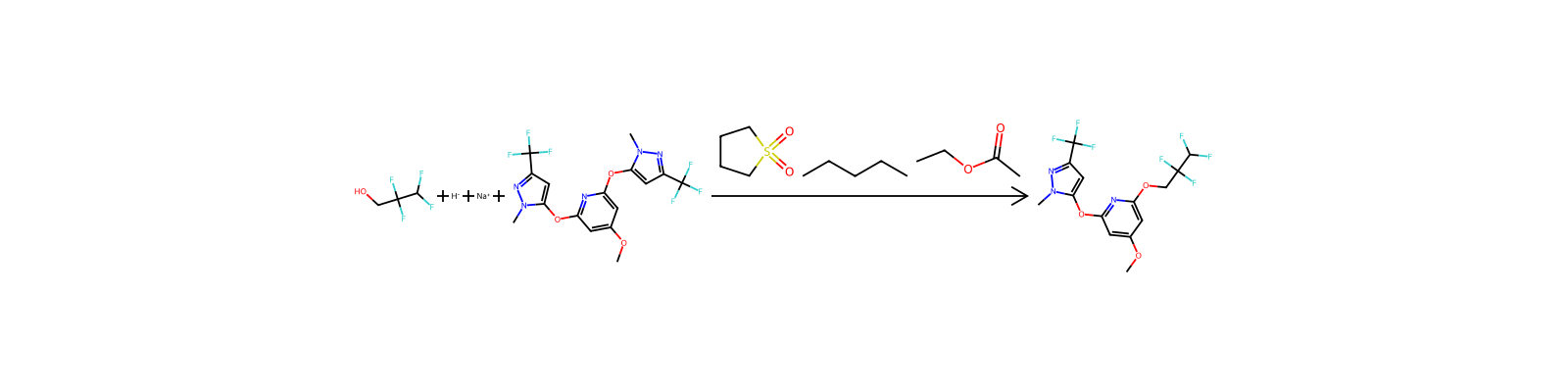
HRID 13565作为反应物
Sulfolane

126-33-0O=S1(=O)CCCC1HXJUTPCZVOIRIF-UHFFFAOYSA-NSulfolane is a colorless oily liquid with a weak oily odor. Solidifies (freezing point is 79 °F) and sinks on first contact with water, then mixes with water. (USCG, 1999)
126-33-0、28452-93-9DTXSID3027037CHEMBL3186899CHEBI:74794log Kow= -0.77
-0.77
1.26 at 86 °F (USCG, 1999) - Denser than water; will sink
1.2606 at 30 °C/4 °C
1.261 @25 °C
Partially miscible with octanes, olefins, naphthenes; miscible with water, Acetone, toluene at 30 °C
Freely soluble in alcohol, soluble in dilute mineral acids
330 °F (USCG, 1999)
177 °C (350 °F) (OPEN CUP)
安全信息仅供参考,不能替代供应商安全技术说明书(SDS)、适用法规与专业评估。
Warning
H302: Harmful if swallowed [Warning Acute toxicity, oral]
P264, P270, P301+P317, P330, and P501 (click each P-code to see the statement)
Danger
H302 (100%): Harmful if swallowed [Warning Acute toxicity, oral]
P203, P264, P270, P280, P301+P317, P318, P330, P405, and P501 (click each P-code to see the statement)
Chemical: Thiophene, tetrahydro-, 1,1-dioxide
Thiophene, tetrahydro-, 1,1-dioxide is listed on the EPA's Chemical Data Reporting (CDR) system. Manufacturers and importers of Thiophene, tetrahydro-, 1,1-dioxide are required to report information about their production and use of this chemical to the EPA under the Toxic Substances Control Act (TSCA). (40 eCFR Part 711)
REACH registered substance: Tetrahydrothiophene 1,1-dioxide (EC: 204-783-1)
Sulpholane: Does not have an individual approval but may be used under an appropriate group standard
Not irritating or sensitizing to rabbit skin; Mildly irritating to rabbit eyes; All rats convulsed during aerosolized exposure in lethal-concentration study; Convulsions observed in sub-chronic inhalation studies of dogs and monkeys and clonic-tonic convulsions noted in rats exposed by oral and parenteral routes; Intraperitoneal injection causes decreased metabolic rate and hypothermia in mice and rats; No evidence of mutagenicity; [HSDB] A mild eye irritant; [Alfa Aesar MSDS]
Substances that act in the brain stem or spinal cord to produce tonic or clonic convulsions, often by removing normal inhibitory tone. They were formerly used to stimulate respiration or as antidotes to barbiturate overdose. They are now most commonly used as experimental tools.
Drugs used to protect against ionizing radiation. They are usually of interest for use in radiation therapy but have been considered for other purposes, e.g. military.
Absorbed rapidly and completely by the gastrointestinal tract. Passed easily through the blood-brain barrier. ...Urine and fecal elimination /times/ were 36.5 and 59 hours respectively. ...Sulfolane is rapidly absorbed by the blood and excreted in urine. ...Excreted mainly as 3-hydroxysulfolane, with some unchanged sulfolane, the percentage of the latter increasing with increasing oral doses.
When administered intraperitoneally, sulfolane is excreted both unchanged and as 3-hydroxysulfolane.
Used as a solvent (aromatics extraction and polymerization), plasticizer, curing agent (epoxy resins) and therapeutic (antibacterial, convulsant, and radiation-protective agent); Also used for acid gas purification, fractionation (wood tars, tall oil, and other fatty acids), and textile finishing; [HSDB] Used in electronic applications, pharmaceutical manufacturing (solvent), jet printing inks (solvent), and medicines (believed to exist only in patent literature); [SIDS UNEP]
Semiconductor Manufacturing [Category: Industry]
Selective solvent for liquid-vapor extractions.
Solvent for aromatics extraction; for acid gas purification.

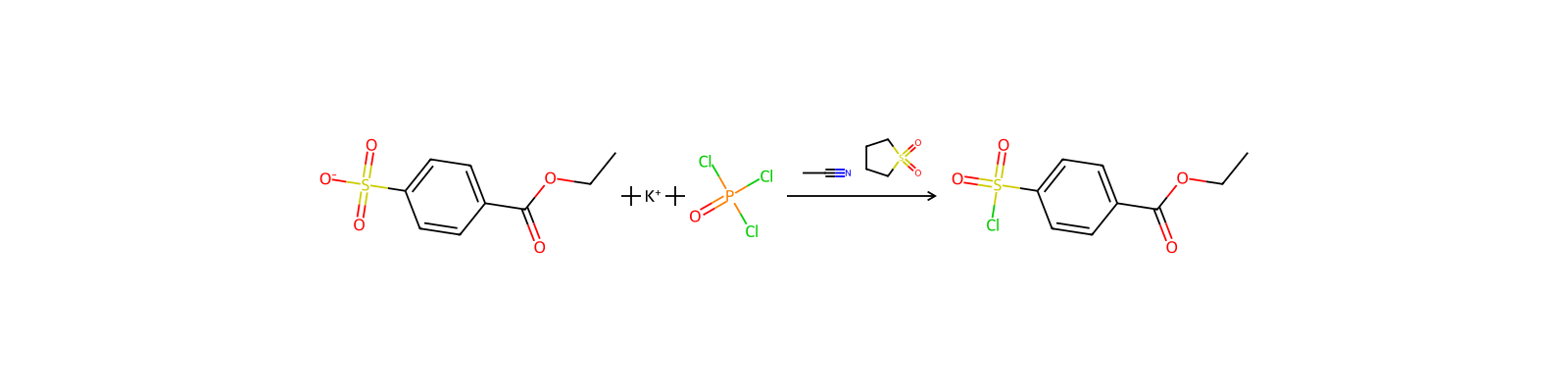
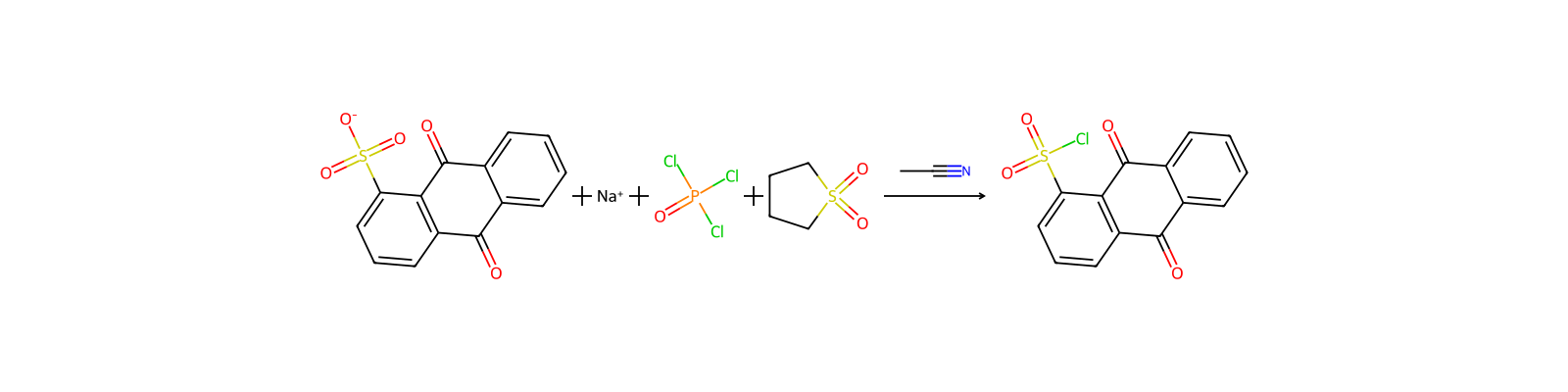
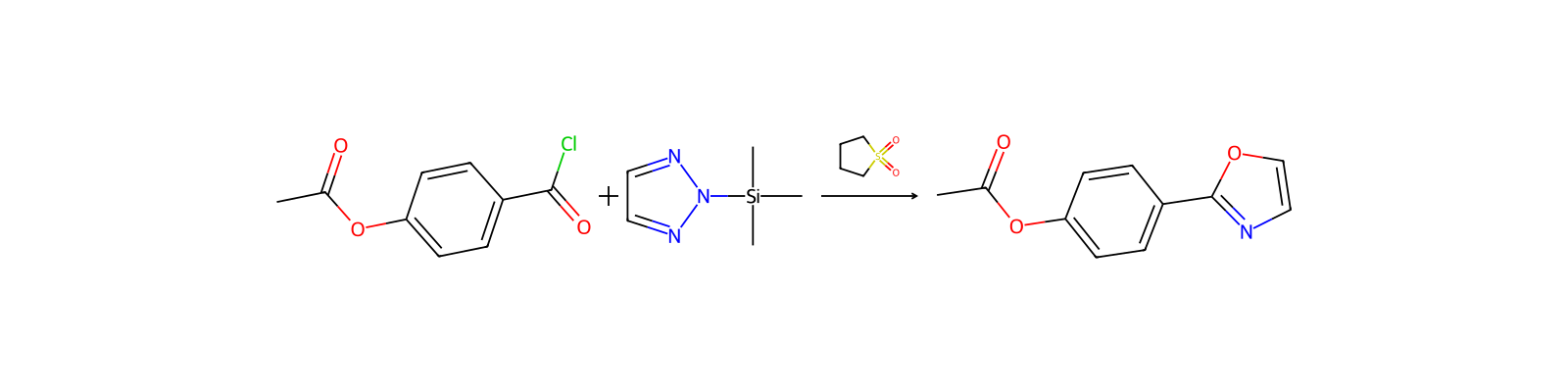
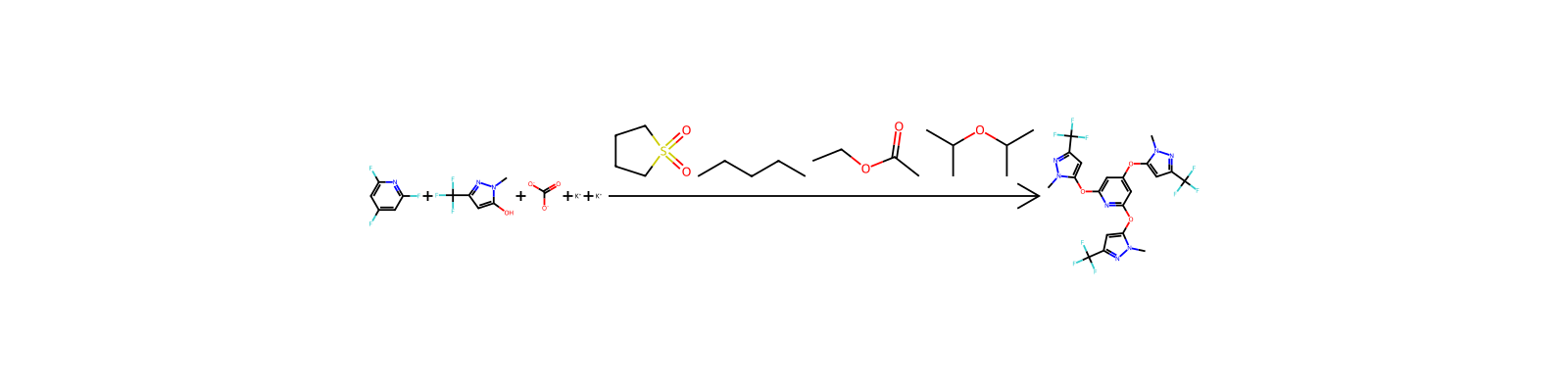

545 °F at 760 mmHg (USCG, 1999)
285 °C
285 °C @760 [mm Hg]
无色无味固体,在27~28℃时,熔化成无色透明液体。 可与水、混合二甲苯、甲硫醇、乙硫醇混溶,也可溶于芳烃和醇类。
USEPA; Chemical Hazard Information Profile Draft Report: Sulfolane (1984). Available data on the hazards of sulfolane is reviewed.
European Chemicals Bureau; IUCLID Dataset, Tetrahydrothiophene 1,1-dioxide (126-33-0) (2000 CD-ROM edition). Available from the database query page: http://ecb.jrc.it/esis/esis.php as of June 27, 2005.
Pursuant to section 8(d) of TSCA, EPA promulgated a model Health and Safety Data Reporting Rule. The section 8(d) model rule requires manufacturers, importers, and processors of listed chemical substances and mixtures to submit to EPA copies and lists of unpublished health and safety studies. Sulfolane is included on this list.
Section 8(a) of TSCA requires manufacturers of this chemical substance to report preliminary assessment information concerned with production, exposure, and use to EPA as cited in the preamble in 51 FR 41329.
Mixing SULFOLANE in equal molar portions with any of the following substances in a closed container caused the temperature and pressure to increase: chlorosulfonic acid and oleum [NFPA 1991]. With nitrating agents (nitronium tetrafluoroborate in sulfolane) very highly exothermic reactions are known to occur [J. Org. Chem., 1978, 43, 4677].
This action promulgates standards of performance for equipment leaks of Volatile Organic Compounds (VOC) in the Synthetic Organic Chemical Manufacturing Industry (SOCMI). The intended effect of these standards is to require all newly constructed, modified, and reconstructed SOCMI process units to use the best demonstrated system of continuous emission reduction for equipment leaks of VOC, considering costs, non air quality health and environmental impact and energy requirements. Sulfolane is produced, as an intermediate or a final product, by process units covered under this subpart.
Water or foam may cause frothing.
Wear goggles and self-contained breathing apparatus. Extinguish with water, foam, dry chemical, or carbon dioxide.
SRP: The most favorable course of action is to use an alternative chemical product with less inherent propensity for occupational exposure or environmental contamination. Recycle any unused portion of the material for its approved use or return it to the manufacturer or supplier. Ultimate disposal of the chemical must consider: the material's impact on air quality; potential migration in soil or water; effects on animal, aquatic, and plant life; and conformance with environmental and public health regulations.
SRP: The scientific literature for the use of contact lenses in industry is conflicting. The benefit or detrimental effects of wearing contact lenses depend not only upon the substance, but also on factors including the form of the substance, characteristics and duration of the exposure, the uses of other eye protection equipment, and the hygiene of the lenses. However, there may be individual substances whose irritating or corrosive properties are such that the wearing of contact lenses would be harmful to the eye. In those specific cases, contact lenses should not be worn. In any event, the usual eye protection equipment should be worn even when contact lenses are in place.
8.0 [mg/m3]
88 [mg/m3]
530 [mg/m3]
After oral or parenteral admin to rodents, analeptic effects of sulfolane were nearly additive with those of metrazol. When injected simultaneously with phenobarbital, it decr phenobarbital sleeping time in mice, but incr time when admin 1 hr before.
Rats receiving sulfolane at 240-300 mg/kg, ip, 20 min before irradiation showed 3 times as many bone marrow karyocytes as did control animals after receiving 300-900 rads gamma-irradiation. Mice receiving 120-240 mg/kg showed twice as many as controls.
LC50 Carassius auratus (Goldfish, 6.2 +/-0.7 cm, approx 3.3 g) 4800 mg/L/24 hr; static, aerated, dissolved oxygen >/= 4 mg/L, pH 6-8, 20 °C
LC50 Gambusia affinis (Mosquitofish) 1930 mg/L/96 hr /Conditions of bioassay not specified in source examined/
EC50 Selenastrum capricornutum (Algae; growth inhibition) >1000 mg/L/96 hr; static, 24 +/- 1 °C, constant illumination
EC50 Crassostrea gigas (Pacific oyster, embryo; embryo larval test) 460 mg/L/24 hr; static, artificial sea water, dissolved oxygen 6.8-7.1 mg/L, pH 7.9, 25 °C
For more Ecotoxicity Values (Complete) data for SULFOLANE (6 total), please visit the HSDB record page.
TERRESTRIAL FATE: Based on a classification scheme(1), Koc values in the range of 4-35 measured in aquifer material from a natural gas plant(2), indicates that sulfolane is expected to have very high mobility in soil(SRC). Volatilization of sulfolane from moist soil surfaces is expected to be an important fate process(SRC) given an estimated Henry's Law constant of 4.8X10⁻⁶ atm-cu m/mole(SRC), using a fragment constant estimation method(3). Sulfolane is not expected to volatilize from dry soil surfaces given a vapor pressure of 0.0062 mm Hg(4). Microcosms constructed of groundwater and sediment obtained from natural gas plants suggest that sulfolane degrades readily under aerobic conditions (half-lives of 2-3 days), but was shown to be recalcitrant under anaerobic conditions(5,6).
AQUATIC FATE: Based on a classification scheme(1), Koc values in the range of 4-35 measured in aquifer material from a natural gas plant(2), indicates that sulfolane is not expected to adsorb to suspended solids and sediment(SRC). Volatilization from water surfaces is expected(3) based upon an estimated Henry's Law constant of 4.8X10⁻⁶ atm-cu m/mole (SRC), developed using a fragment constant estimation method(4). Using this Henry's Law constant and an estimation method(3), volatilization half-lives for a model river and model lake are 6 and 64 days, respectively(SRC). Sulfolane is not expected to undergo hydrolysis in water due to the lack of hydrolyzable functional groups(3). According to a classification scheme(5), BCF values of <13, measured in carp(6) suggest that bioconcentration in aquatic organisms is low(SRC). Sulfolane did not pass the OECD ready biodegradation test(6), suggesting that biodegradation will not be fast. However, aquifer slurries constructed with soil and groundwater from a natural gas plant were shown to be capable of degrading sulfolane under aerobic conditions (half-lives of approximately 2-3 days); no degradation was observed under anaerobic conditions(7,8).
ATMOSPHERIC FATE: According to a model of gas/particle partitioning of semivolatile organic compounds in the atmosphere(1), sulfolane, which has a vapor pressure of 0.0062 mm Hg at 25 °C (2), is expected to exist solely as a vapor in the ambient atmosphere. Vapor-phase sulfolane is degraded in the atmosphere by reaction with photochemically-produced hydroxyl radicals(SRC); the half-life for this reaction in air is estimated to be 29 hours(SRC), calculated from its rate constant of 1.3X10⁻¹¹ cu cm/molecule-sec at 25 °C(SRC) that was derived using a structure estimation method(3).
Sulfolane exhibited very high mobility in batch adsorption experiments using aquifer material from 3 natural gas plants in Canada(1). In each experiment, the soil adsorption isotherms were linear and the soil adsorption coefficient (Kd) of sulfolane was very low (Kd < 1). The corresponding Koc values in these low organic (0.2-0.9% organic carbon) materials were in the range of 4-35. The Koc value of sulfolane using a humus rich soil (pH = 6.9, 3.6% organic carbon) was 3(1). According to a classification scheme(2), this range of Koc values suggests that sulfolane is expected to have very high mobility in soil(SRC).
The mutagenicity of sulfolane was evaluated in Salmonella tester strains TA1535, TA1537, TA1538, TA98 and TA100 (Ames Test), Escherichia coli tester strains WP2 and WP2 urvA, and in Saccharomyces cerevisiae tester strain JD1 with and without Aroclor-induced rat liver S9 metabolic activation. Bacterial cultures were tested at concentrations up to 4000 ug/plate using the plate incorporation technique. Yeast liquid suspension cultures were tested at concentrations up to 5.0 mg/mL. Sulfolane did not produce a positive response in any of the bacterial strains with or without metabolic activation. Sulfolane did not produce a consistent increase in the rate of mitotic gene conversion in Saccharomyces with or without metabolic activation.
The ability of sulfolane to cause chromosome aberrations in cultures of rat liver (RL4) cells was evaluated in the absence of added metabolic activation. Monolayer slide cultures of RL4 cells were exposed to 0, the test material at 250, 500 or 1000 ug/mL for 24 hrs and 100 cells/culture were scored for chromosome aberrations. None of the cultures produced frequencies of chromosome aberrations statistically greater than those produced by the controls (sterile distilled water vehicle).
Sulfolane's use as a solvent for the extraction of benzene, toluene, and xylene from mixtures with aliphatic hydrocarbons and its use in the extraction of acidic components, eg, hydrogen sulfide, carbon dioxide, carbonyl sulfide, carbon dioxide and mercaptans, from sour gas streams(1), may result in its release to the environment through various waste streams(SRC).
AEROBIC: In a 5-day standard BOD test using acclimated or unacclimated sewage as microbial inoculum, no biodegradation of sulfolane was observed(1,2). Sulfolane, present at 100 mg/L, reached 10.1% of its theoretical BOD in 2 weeks using an activated sludge inoculum at 30 mg/L and the Japanese MITI test(3). On the other hand, more than 99% of sulfolane at an initial concn of 100 mg/L biodegraded by activated sludge cultures in 1 day in a batch die-away test(4). In a bench scale aerated lagoon reactor, more than 90% degradation of sulfolane occured at an initial concn 20-80 mg/L biodegraded at hydraulic retention time of 2-2.4 days(4). Inorganic sulfate has been identified as the biodegradation product of sulfolane(4). Aquifer slurries using sediment and groundwater from a sour natural gas plant were shown to be capable of degrading sulfolane at 26 and 8 °C under aerobic conditions(5). Following a 10 day acclimation period, sulfolane added at 20 mg/L to aquifer slurries degraded with half-lives of approximately 2-3 days at 26 °C depending upon whether nitrogen and phosphorous containing nutrients were added(5). At 8 degrees C, sulfolane degradation proceeded at a slower rate, particularly in the absence of nutrients; however, complete degradation was observed within 20 days(5).
ANAEROBIC: Under anaerobic conditions, little or no sulfolane degradation was observed at both 8 and 26 degrees C using aquifer sediments from sour natural gas plants(1).
BCFs of <1.3 and <13 were measured for sulfolane at concentrations of 2.5 mg/L and 0.25 mg/L, respectively, using carp which were exposed over a 6-week period(1). According to a classification scheme(2), these BCF data suggest that bioconcentration in aquatic organisms is low(SRC).
The Henry's Law constant for sulfolane is estimated as 4.8X10⁻⁶ atm-cu m/mole(SRC) using a fragment constant estimation method(1). This Henry's Law constant indicates that sulfolane is expected to volatilize from water surfaces(2). Based on this Henry's Law constant, the volatilization half-life from a model river (1 m deep, flowing 1 m/sec, wind velocity of 3 m/sec)(2) is estimated as 6 days(SRC). The volatilization half-life from a model lake (1 m deep, flowing 0.05 m/sec, wind velocity of 0.5 m/sec)(2) is estimated as 64 days(SRC). Sulfolane's Henry's Law constant indicates that volatilization from moist soil surfaces may occur(SRC). Sulfolane is not expected to volatilize from dry soil surfaces(SRC) based upon a vapor pressure 0.0062 mm Hg(3).
/LABORATORY ANIMALS: Acute Exposure/ Death, apparently from anoxia, occurred within 24 hr of oral administration of sulfolane to mice. When applied to skin of rats at 3.8 g/kg for 24 hr under an impermeable cover, it produced no systemic effects. It did not irritate or sensitize skin of rabbits.
/LABORATORY ANIMALS: Acute Exposure/ The mean survival time of rats exposed to 11,000 mg of aerosolized sulfolane/cu m was 19.4 hr and all rats convulsed during exposure. Concentration expected to yield mean survival time of 24 hr was 4700 mg/cu m.
/LABORATORY ANIMALS: Acute Exposure/ After <24 hr of exposure, leukopenia and convulsions were observed in rats (3600 mg/cu m) or squirrel monkeys (Saimiri sciureus) (4850 mg/cu m).
/LABORATORY ANIMALS: Acute Exposure/ ...Tested full strength on rabbit eyes was only mildly irritating, producing conjunctival reaction which lasted only a few hours, and no injury of the cornea.
For more Non-Human Toxicity Excerpts (Complete) data for SULFOLANE (18 total), please visit the HSDB record page.
Pursuant to section 8(d) of TSCA, EPA promulgated a model Health and Safety Data Reporting Rule. The section 8(d) model rule requires manufacturers, importers, and processors of listed chemical substances and mixtures to submit to EPA copies and lists of unpublished health and safety studies. Sulfolane is included on this list.
Section 8(a) of TSCA requires manufacturers of this chemical substance to report preliminary assessment information concerned with production, exposure, and use to EPA as cited in the preamble in 51 FR 41329.
This action promulgates standards of performance for equipment leaks of Volatile Organic Compounds (VOC) in the Synthetic Organic Chemical Manufacturing Industry (SOCMI). The intended effect of these standards is to require all newly constructed, modified, and reconstructed SOCMI process units to use the best demonstrated system of continuous emission reduction for equipment leaks of VOC, considering costs, non air quality health and environmental impact and energy requirements. Sulfolane is produced, as an intermediate or a final product, by process units covered under this subpart.
Extraction of aromatic hydrocarbons from oil refinery streams; polymerization solvent; plasticizer.
Fractionation of wood tars, tall oil, and other fatty acids; component of hydraulic fluid; textile finishing.
2023: 1,000,000 - <5,000,000 lb
Thiophene, tetrahydro-, 1,1-dioxide is listed as a High Production Volume (HPV) chemical (65FR81686). Chemicals listed as HPV were produced in or imported into the U.S. in >1 million pounds in 1990 and/or 1994. The HPV list is based on the 1990 Inventory Update Rule. (IUR) (40 CFR part 710 subpart B; 51FR21438).
(1986) >1 million - 10 million pounds
(1990) >1 million - 10 million pounds
(1994) >1 million - 10 million pounds
For more U.S. Production (Complete) data for SULFOLANE (7 total), please visit the HSDB record page.
Prepared by catalytic hydrogenation of sulfolene oxides: Mahan, Fauske, US 2578565 (1951 to Phillips Petroleum).
... From butadiene and sulfur dioxide ... Evans, Morris, US 2360859 (1944 to Shell).
Sulfolane ... is made by reacting sulfur dioxide and butadiene to form sulfolene, which is then hydrogenated to give sulfolane
Commercially available as anhydrous sulfolane and as sulfolane containing 3% wt deionized water
Grade: Technical
Sulfolane-W (97% 1,1-tetrahydrothiophenedioxide and 3% water)
Petrochemical Manufacturing
Thiophene, tetrahydro-, 1,1-dioxide: ACTIVE
简介环丁砜溶剂对芳烃具有较高的溶解能力,良好的选择性,热稳定性好,蒸汽压低,毒性小及对碳钢无腐蚀等特点,故环丁砜抽提技术已成为目前世界上应用最广泛的芳烃抽提技术。
应用由于环丁砜是高纯度、高沸点、溶解力强、选择性好的多效极性溶剂,使用于化工行业,在医药、农药、染料、香料、特种工程塑料及多种化工产品生产中用作卤化、甲基化、有机合成、缩合与聚合反应的溶剂。大部分有机化合物与聚合物能溶于环丁砜,或与它混溶。主要用作液萃取的选择性溶剂,在石化工业上用作萃取芳烃的溶剂,聚合物纺丝或浇膜溶剂,天然气及合成气、炼厂气的净化及合成气的净化脱硫,合成氨工业上用于脱除原料气中硫化氢、有机硫和二氧化碳,以及作为橡胶、塑料的溶剂等。此外;还可用于纺织印染工业作为印染助剂,可使色彩鲜明、光亮。
用途用作气相色谱固定液及分析试剂,也用于有机合成
用途一种高效多用途溶剂;气相色谱固定液(最高使用温度100℃,溶剂丙酮),分离分析低级烃异构物;用作气液萃取选择性溶剂,从脂肪烃中萃取芳香烃,从气体混合物中除去酸性气体
用途溶解力强、选择性好的极性溶剂,大部分有机化合物与聚合物能溶于环丁砜,或与它混溶。主要用作芳烃抽提的萃取剂,聚合物纺丝或浇膜溶剂,天然气及合成气、炼厂气的净化、合成气的净化脱硫,以及作为橡胶、塑料的溶济等。此外,还可用于纺织印染工业作为印染助剂,可使色彩鲜明、光亮。 环丁砜溶剂对芳烃具有较高的溶解能力,良好的选择性,热稳定性好,蒸汽压低,毒性小及对碳钢无腐蚀等特点,故环丁砜抽提技术已成为目前世界上应用最广泛的芳烃抽提技术。
用途用于天然气净化脱硫,重整生成油的芳烃抽提,氢气中的二氧化碳、硫化氢及有机硫等杂质的脱除等
生产方法以丁二烯,二氧化硫为原料,在对苯二酚的甲醇溶剂存在下,于耐压反应器内加热(100-110℃)合成为环丁烯砜甲醇溶液,分馏后,精环丁烯砜在含镍催化剂存在下加氢转化为环丁砜,再经气液分离,分馏后得成品。原料消耗定额:丁二烯(>99%)654kg/t、二氧化硫(>97%)909kg/t、铝镍催化剂(Ni45-50%)71kg/t、液体氢氧化钠110kg/t。