HomeMCPSkillsWorkbenchOpenChem
HomeWorkbenchNotificationsMe
llms.txt · skill.md · MCP GuidePrivacy Policy · Terms of Service · Supportv1.8.5
  1. Home
  2. /Compound

4-Chloro-1,2-dinitrobenzene

HCID 33097
New reaction
Print
Basic informationNames & identifiersPropertiesSafety & regulationChemistry & industryRelated reactionsCompound notes
Substructure searchFind similar structures

Basic information

CAS
610-40-2
Standard SMILES
O=[N+]([O-])c1ccc(Cl)cc1[N+](=O)[O-]
InChIKey
QVQSOXMXXFZAKU-UHFFFAOYSA-N
Molecular formula
C6H3Cl(NO2)2
Average molar mass
202.55 g/mol
Monoisotopic mass
201.9781343

Names & identifiers

Preferred name
4-Chloro-1,2-dinitrobenzene
IUPAC
4-chloro-1,2-dinitrobenzene
English name
3,4-Dinitrochlorobenzene
Molecular formula
C6H3ClN2O4
Molecular weight
202.55

Names & synonyms

610-40-24-Chloro-1,2-dinitrobenzene1-Chloro-3,4-dinitrobenzeneBenzene, 4-chloro-1,2-dinitro-1,2-dinitro-4-chlorobenzeneZ29B1F274EEINECS 210-223-7NSC 119343NSC-119343DTXSID3060586RefChem:520704DTXCID7042932
Show more names
4-Chloro-1,2-dinitrobenzen3,4-Dinitrochlorobenzene>1-CHLORO-3,4-DINITROBENZENE1,2-Dinitro-5-chlorobenzene1-Chloro-3,4-dinitrobenzene, 92%+
210-223-73,4-DinitrochlorobenzeneMFCD000072124-chloro-1,2-dinitro-benzene1-Chloro-3.4-dinitrobenzene4-ChlordinitrobenzolBendamustine Impurity 54ghl.PD_Mitscher_leg0.928

Database identifiers

CAS
610-40-2
PubChem CID
33097
DTXSID
DTXSID3060586
UNII
Z29B1F274E
EC Number
210-223-7
Nikkaji
J95.614G

Properties

Computed structural properties

XLogP
2.2
Topological polar surface area
91.6 Ų
Hydrogen bond donors
0
Hydrogen bond acceptors
4
Rotatable bonds
0
Heavy atoms
13
Formal charge
0
Complexity
224

Experimental & physicochemical properties

SpringerMaterials PropertiesSurface tension
LogP2.18
DensityRelative density (water = 1): 1.687
Flash Point>110 °C
Decomposition315 °C
Melting Point40-41 °C
Physical DescriptionYELLOW CRYSTALS.

Physicochemical properties

Melting point
36 °C · 36 °C
Boiling point
315 °C · 315 °C
Density
1.687 g/mL · 1.687 g/mL at 25 °C(lit.)
refractive index
20 · n20/D 1.587(lit.)
Flash point

Safety & regulation

Safety information is for reference only and does not replace the supplier’s Safety Data Sheet (SDS), applicable regulations, or professional assessment.

GHS classification

GHS Classification · 4 items

Danger

H301 (100%): Toxic if swallowed [Danger Acute toxicity, oral]

P260, P261, P262, P264, P270, P271, P273, P280, P301+P316, P302+P352, P304+P340, P316, P319, P321, P330, P361+P364, P391, P403+P233, P405, and P501 (click each P-code to see the statement)

Aggregated GHS information provided per 45 reports by companies from 5 notifications to the ECHA C&L Inventory. Each notification may be associated with multiple companies.

Hazard information

Regulatory InformationBenzene, 4-chloro-1,2-dinitro-: Does not have an individual approval but may be used under an appropriate group standard
Fire HazardsCombustible. Gives off irritating or toxic fumes (or gases) in a fire.
EC ClassificationSymbol: T, N; R: 23/24/25-33-50/53; S: (1/2)-28-36/37-45-60-61; Note: C
UN ClassificationUN Hazard Class: 6.1; UN Pack Group: II
Chemical DangersDecomposes on heating. This produces toxic and corrosive fumes. Reacts with strong oxidants and strong bases.
Packaging and LabellingDo not transport with food and feedstuffs. Marine pollutant.
Hazard Classes and CategoriesAcute Tox. 3 (100%)

Safety & protection

Chemistry & industry

Uses & manufacturing

General Manufacturing InformationBenzene, 4-chloro-1,2-dinitro-: ACTIVE
Applications · 4 items

DescriptionSecurinine is derived from the leaf of Securinega suffruticosa Rehd., which was first separated by V.I.Murav’eva in 1956 . Securinega suffruticosa Rehd., a kind of subshrub plant, is widely distributed in temperate and subtropical regions . It has strong adaptability and can be planted in most parts of China. Moreover, it is rich in natural resources. Securinega suffruticosa Rehd. is a folk medicine whose root is the main component, with the effects of activating circulation, spleen, and stomach to treat rheumatism waist pain, limb numbness, infant malnutrition, and other diseases. The roots, stems, leaves, flowers, and skin of Securinega suffruticosa Rehd. contain alkaloids, in which securinine is the main ingredient.

HistorySecurinine was first isolated by a Soviet scholar from the Wusuli region, but its chemical structure was separated and finally determined by Chinese scholars from local sources . The main structural feature is a tetracyclic compound containing an indolizine, pyrrole elidine, or quinolizine ring and an α, β-unsaturated pentahydrin ring whose basic structural skeleton type is as shown in what follows .Owing to the complexity of the chemical reaction of securinine, reports on its chemical reactivity and structural modification have been relatively scarce since securinine was reported on in 1956. However, the research on chemical total synthesis and biological activities of securinine has made a certain amount of progress.Securinine has a rigid molecular structure containing four rings and three chiral centers, which makes synthesis difficult. From 1974 to 1978, three research groups from Japan, the USA, and Canada studied the biosynthesis of securinine by feeding animals with isotope-labeled S. suffruticosa.

UsesThis compound is a sensitizer.

Uses3,4-Dinitrochlorobenzene is a useful reactant in organic synthesis.

Upstream & downstream products

Related reactions

39 records
New reaction record
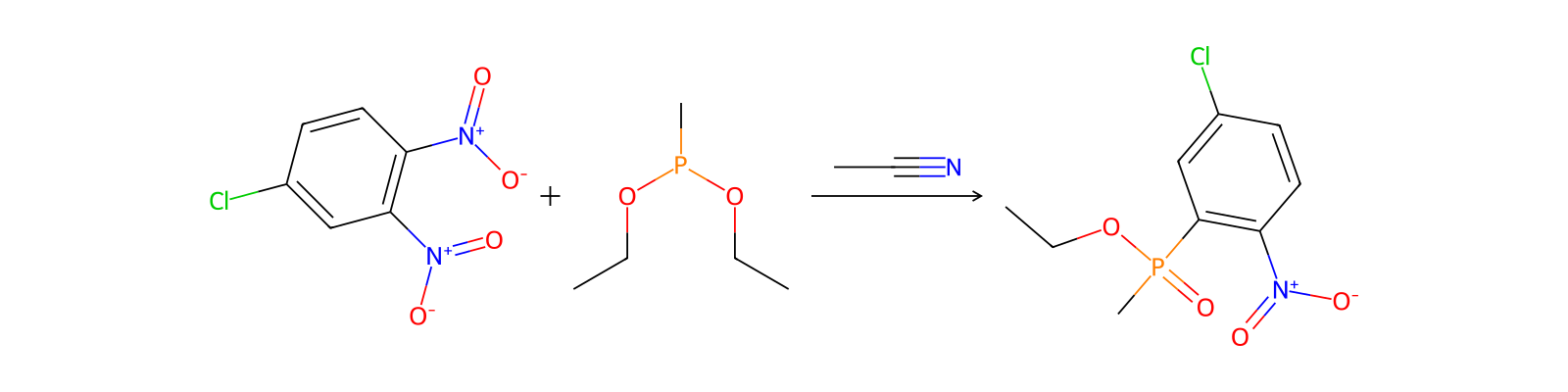
HRID 3971As reactant
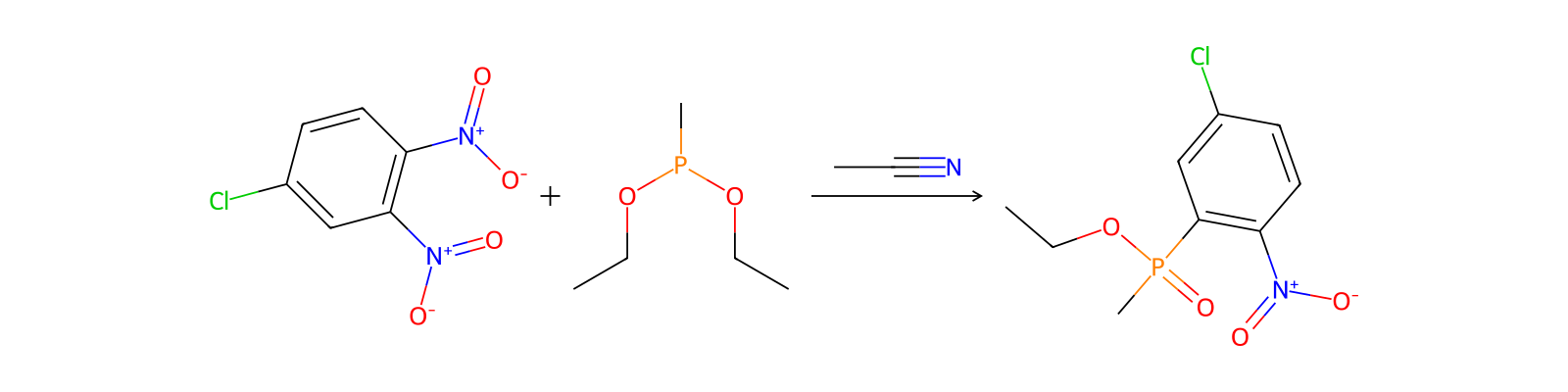
HRID 140083As reactant
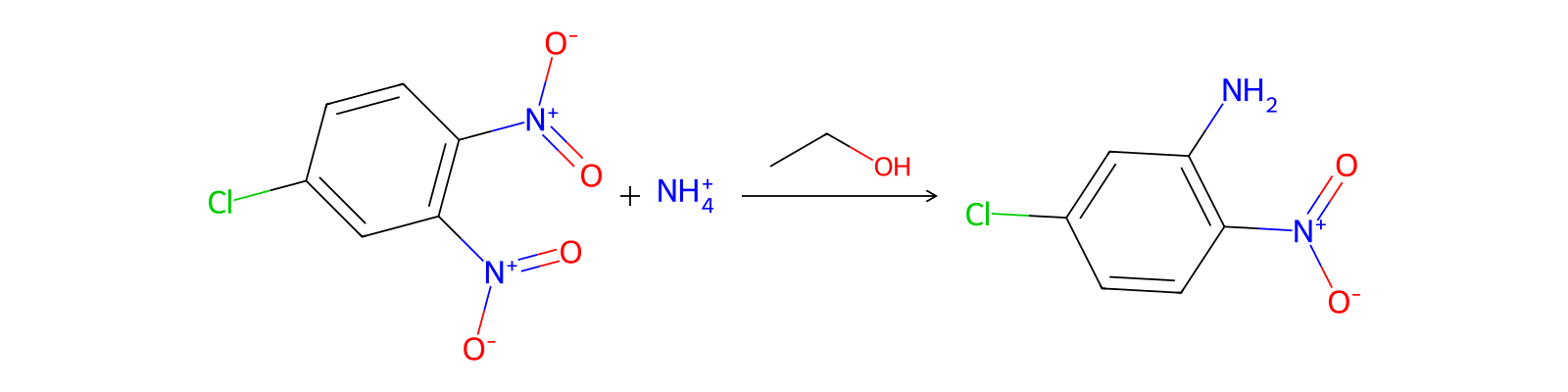
HRID 311045As reactant
HRID 412696As reactant
HRID 463553As reactant
HRID 463560As reactant
HRID 483909As reactant
HRID 662224As reactant
PreviousPage 1 of 5

Compound notes

On this pageBasic informationNames & identifiersPropertiesSafety & regulationChemistry & industryRelated reactionsCompound notes
230 °F · >230 °F
storage temp.
0 · 0-10°C
form
powder to lump
color
Light yellow to Brown to Dark green
Water Solubility
insoluble
BRN
521564 · 521564
CAS DataBase Reference
610 · 610-40-2(CAS DataBase Reference)
FDA UNII
29 B1F274E · Z29B1F274E
NIST Chemistry Reference
4 · Benzene, 4-chloro-1,2-dinitro-(610-40-2)
EPA Substance Registry System
4 · Benzene, 4-chloro-1,2-dinitro- (610-40-2)
Symbol(GHS)
6 · GHS06,GHS07,GHS08,GHS09
Signal word
Danger
Hazard statements
301 · H301+H311+H331-H317-H371-H373-H410-H300-H310-H330-H400
Precautionary statements
260 · P260-P264-P270-P271-P272-P273-P280-P301+P310+P330-P302+P352+P312+P361+P364-P304+P340+P311-P308+P311-P391-P403+P233-P405-P501-P301+P310a-P304+P340-P320-P330-P501a
Hazard Codes
T,N
Risk Statements
23 · 23/24/25-33-50/53
Safety Statements
28 · 28-36/37-45-60-61-28A
RIDADR
3441 · UN 3441 6.1/PG 2
WGK Germany
3 · 3
TSCA
TSCA listed
HazardClass
6.1 · 6.1
PackingGroup
II
HS Code
2904990090 · 2904990090
Limited Quantities
100 ml · 100ml (liquid) or 0.5 Kg (solid)
Excepted Quantities
Max Inner Pack (1g or 1ml) and Max Outer Pack (500g or 500ml)
Fire FightingUse water spray, powder, foam, carbon dioxide.
First Aid Measures · 4 items

Fresh air, rest. Artificial respiration may be needed. Refer for medical attention.

First rinse with plenty of water for at least 15 minutes, then remove contaminated clothes and rinse again. Refer for medical attention .

First rinse with plenty of water for several minutes (remove contact lenses if easily possible), then refer for medical attention.

Rinse mouth. Induce vomiting (ONLY IN CONSCIOUS PERSONS!). Refer for medical attention .

Safe StorageSeparated from strong oxidants, strong bases and food and feedstuffs. Well closed. Keep in a well-ventilated room.
Spillage Disposal · 1 item

Sweep spilled substance into covered containers. If appropriate, moisten first to prevent dusting. Carefully collect remainder. Then store and dispose of according to local regulations. Personal protection: chemical protection suit including self-contained breathing apparatus.

Eye PreventionWear face shield.
Fire PreventionNO open flames.
Inhalation RiskNo indication can be given about the rate at which a harmful concentration of this substance in the air is reached on evaporation at 20 °C.
Skin PreventionProtective gloves. Protective clothing.
Exposure PreventionPREVENT DISPERSION OF DUST!
Ingestion PreventionDo not eat, drink, or smoke during work.
Inhalation PreventionUse local exhaust or breathing protection.
Effects of Long Term ExposureRepeated or prolonged contact may cause skin sensitization. The substance may have effects on the central nervous system, cardiovascular system and blood. This may result in the formation of methaemoglobin.

Toxicology

Exposure RoutesThe substance can be absorbed into the body by inhalation and through the skin.
Signs and Symptoms · 3 items

Blue lips, fingernails and skin. Headache. Dizziness. Nausea. Confusion. Laboured breathing. Convulsions. Unconsciousness.

MAY BE ABSORBED! Further see Inhalation.

Further see Inhalation.

Safety data

wgk
3
tsca
TSCA listed
ridadr
UN 3441 6.1/PG 2
hs_code
2904990090
risk_code
23/24/25-33-50/53
Signal word
Danger
Symbol(GHS)
GHS06,GHS07,GHS08,GHS09
hazard_code
T,N
safety_code
28-36/37-45-60-61-28A
hazard_class
6.1
packing_group
II
Hazard statements
H301+H311+H331-H317-H371-H373-H410-H300-H310-H330-H400
Limited Quantities
100ml (liquid) or 0.5 Kg (solid)
Excepted Quantities
Max Inner Pack (1g or 1ml) and Max Outer Pack (500g or 500ml)
Precautionary statements
P260-P264-P270-P271-P272-P273-P280-P301+P310+P330-P302+P352+P312+P361+P364-P304+P340+P311-P308+P311-P391-P403+P233-P405-P501-P301+P310a-P304+P340-P320-P330-P501a

Downstream products

5-Chloro-2-nitrodiphenylamine3-Chloro-4-fluoronitrobenzenep-[[p-(phenylazo)phenyl]azo]phenol(5-Chloro-2-nitrophenyl)hydrazine