
uspto-grants-1997_04 · 10.6084/m9.figshare.5104873.v1 · US05621009
查看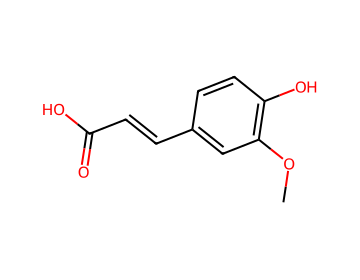
IDENTITY
COMPUTED
PROPERTIES
log Kow = 1.51
1.51
168 - 171 °C
0.00000269 [mmHg]
cis-Form is a yellow liquid; trans-Form is a solid; [Merck Index] trans-Isomer: Tan powder; [Alfa Aesar MSDS]
Tan powder; [Alfa Aesar MSDS]
Solid
pKa = 4.58
1897.1
1881
1867;1911;1875
134.13 Ų [M+H]+ [CCS Type: TW; Method: calibrated with polyalanine and drug standards];130.77 Ų [M+H-H2O]+ [CCS Type: TW; Method: calibrated with polyalanine and drug standards]
139.8 Ų [M-H]- [CCS Type: DT; Method: single field calibrated with ESI Low Concentration Tuning Mix (Agilent)]
128.8 Ų [M+H]+ [CCS Type: TW; Method: calibrated with polyalanine and drug standards]
140.1 Ų [M-H]-
Yellow oil. UV max (alcohol): 316 nm /cis-Form/
Orthorhombic needles from water, mp 174 °C. UV max (alcohol): 236, 322 nm. Soluble in hot water, alcohol, ethyl acetate. Moderately soluble in ether. Sparingly soluble in petroleum ether, benzene. Forms a sodium salt. /trans-Form/
GHS
This chemical does not meet GHS hazard criteria for 2.4% (8 of 329) of reports.
Warning
H315 (97.6%): Causes skin irritation [Warning Skin corrosion/irritation];H319 (97.6%): Causes serious eye irritation [Warning Serious eye damage/eye irritation];H335 (97.6%): May cause respiratory irritation [Warning Specific target organ toxicity, single exposure; Respiratory tract irritation]
P261, P264, P264+P265, P271, P280, P302+P352, P304+P340, P305+P351+P338, P319, P321, P332+P317, P337+P317, P362+P364, P403+P233, P405, and P501 (click each P-code to see the statement)
Aggregated GHS information provided per 329 reports by companies from 8 notifications to the ECHA C&L Inventory. Each notification may be associated with multiple companies.;Reported as not meeting GHS hazard criteria per 8 of 329 reports by companies.;There are 7 notifications provided by 321 of 329 reports by companies with hazard statement code(s).;Information may vary between notifications depending on impurities, additives, and other factors. The percentage value in parenthesis indicates the notified classification ratio from companies that provide hazard codes. Only hazard codes with percentage values above 10% are shown. For more detailed information, please visit ECHA C&L website.
HAZARDS
Chemical: 2-Propenoic acid, 3-(4-hydroxy-3-methoxyphenyl)-
Commission Regulation (EC) No 1565/2000 (Repealed by Com. Implementing Reg. (EU) No 872/2012)
PMN - indicates a commenced PMN (Pre-Manufacture Notices) substance.
Status: Active Update: 05-10-2020 https://echa.europa.eu/registration-dossier/-/registered-dossier/21363
2-Propenoic acid, 3-(4-hydroxy-3-methoxyphenyl)-: Does not have an individual approval but may be used under an appropriate group standard
Causes changes in motor activity, ataxia, and rigidity (including catalepsy) in intraperitoneal lethal-dose studies of mice (LD50 > 350 mg/kg); [RTECS] May cause irritation; [Alfa Aesar MSDS] See Cinnamic acid. See See Sinapinic acid.
A skin and strong eye irritant; [Alfa Aesar MSDS] See Ferulic acid.
Skin Irrit. 2 (97.6%);Eye Irrit. 2 (97.6%);STOT SE 3 (97.6%)
Skin Irrit. 2 (99%);Eye Irrit. 2A (99%);STOT SE 3 (98.1%)
Skin Sens. 1 (100%)
SAFETY
SRP: At the time of review, criteria for land treatment or burial (sanitary landfill) disposal practices are subject to significant revision. Prior to implementing land disposal of waste residue (including waste sludge), consult with environmental regulatory agencies for guidance on acceptable disposal practices.
TOXICITY
The effects of topically applied curcumin, chlorogenic acid, caffeic acid, and ferulic acid on 12-O-tetradecanoylphorbol-13-acetate (TPA)-induced epidermal ornithine decarboxylase activity, epidermal DNA synthesis, and the promotion of skin tumors were evaluated in female CD-1 mice. Topical application of 0.5, 1, 3, or 10 umol of curcumin inhibited by 31, 46, 84, or 98%, respectively, the induction of epidermal ornithine decarboxylase activity by 5 nmol of TPA. In an additional study, the topical application of 10 umol of curcumin, chlorogenic acid, caffeic acid, or ferulic acid inhibited by 91, 25, 42, or 46%, respectively, the induction of ornithine decarboxylase activity by 5 nmol of TPA. The topical application of 10 umol of curcumin together with 2 or 5 nmol of TPA inhibited the TPA-dependent stimulation of the incorporation of [3H]-thymidine into epidermal DNA by 49 or 29%, respectively, whereas lower doses of curcumin had little or no effect. Chlorogenic acid, caffeic acid, and ferulic acid were less effective than curcumin as inhibitors of the TPA-dependent stimulation of DNA synthesis. Topical application of 1, 3, or 10 mumol of curcumin together with 5 nmol of TPA twice weekly for 20 weeks to mice previously initiated with 7,12-dimethylbenz[a]anthracene inhibited the number of TPA-induced tumors per mouse by 39, 77, or 98%, respectively. Similar treatment of mice with 10 mumol of chlorogenic acid, caffeic acid, or ferulic acid together with 5 nmol of TPA inhibited the number of TPA-induced tumors per mouse by 60, 28, or 35%, respectively, and higher doses of the phenolic acids caused a more pronounced inhibition of tumor promotion. The possibility that curcumin could inhibit the action of arachidonic acid was evaluated by studying the effect of curcumin on arachidonic acid-induced edema of mouse ears. The topical application of 3 or 10 umol of curcumin 30 min before the application of 1 umol of arachidonic acid inhibited arachidonic acid-induced edema by 3
... A series of in vivo experiments/were/ carried out to evaluate the ability of caffeic and ferulic acids to reduce, in healthy human volunteers, UVB-induced skin erythema, monitored by means of reflectance spectrophotometry. Caffeic and ferulic acids, dissolved in saturated aqueous solution pH 7.2, proved to afford a significant protection to the skin against UVB-induced erythema...
A variety of synthetic and dietary polyphenols protect mammalian and bacterial cells from cytotoxicity induced by hydroperoxides, especially hydrogen peroxide (H2O2). Cytotoxicity of H2O2 on Chinese hamster V79 cells was assessed with a colony formation assay. Cytotoxicity and mutagenicity of H2O2 on Salmonella TA104 were assessed with the Ames test. SOS response induced by H2O2 was investigated in the SOS chromotest with Escherichia coli PQ37. The polyphenol-bearing o-dihydroxy (catechol) structure, i.e., nordihydroguaiaretic acid, caffeic acid ester, gallic acid ester, quercetin, and catechin, were effective for suppression of H2O2-induced cytotoxicity in these assay systems. In contrast, neither ferulic acid ester-bearing o-methoxyphenol structure nor alpha-tocopherol were effective, indicating that o-dihydroxy or its equivalent structure in flavonoids is essential for the protection. There are many reports describing that polyphenols act as prooxidants in the presence of metal ions. /These/ results suggest, however, that they act as antioxidants in the cells, when no metal ions are added to the medium.
This review describes the modes of mice radiation injuries induced by soft X-irradiation under various conditions and the protective effects of several kinds of substances on these injuries. The models of radiation injuries in this study were bone marrow death after lethal irradiation, skin damage induced by irradiation with long length soft X-ray and leukocytopenia in the peripheral blood after sublethal irradiation. Two bioassay methods were established for the survival effect on the lethal irradiation and protective potency on the skin damage induced by soft X-irradiation. The protective potencies of various sulfur compounds, related compounds of ferulic acid, nucleic acid constitutional compounds, crude drugs and Chinese traditional medicines were determined and then many effective drugs were recognized. Effective components in the methanol extracts of Cnidii Rhizoma and Aloe arborescens recognized as radioprotectable were fractionated. As a result of these studies, it was observed that the active principles in Cnidii Rhizoma were identified as ferulic acid and adenosine. The scavenger action of active oxygens, a protective effect on the damages of deoxyribonucleic acid and superoxide dismutase by in vitro soft X-irradiation were evaluated as radiation protective mechanisms.
For more Interactions (Complete) data for FERULIC ACID (8 total), please visit the HSDB record page.
TERRESTRIAL FATE: Based on a classification scheme(1), an estimated Koc value of 57(SRC), determined from a log Kow of 1.51(2) and a regression-derived equation(3), indicates that ferulic acid is expected to have high mobility in soil(SRC). The pKa of ferulic acid is 4.58(4), indicating that this compound will almost entirely exist in the anion form. In the environment, anions generally do not adsorb more strongly to soils containing organic carbon and clay than their neutral counterparts(5). Volatilization of ferulic acid from moist soil surfaces is not expected to be an important fate process(SRC) given the anionic nature of ferulic acid in the environment. Ferulic acid is not expected to volatilize from dry soil surfaces(SRC) based upon an estimated vapor pressure of 2.7X10⁻⁶ mm Hg(SRC), determined from a fragment constant method(6). Under neutral and acidic conditions in soil, ferulic acid is expected to undergo rapid aerobic biodegradation(7)(8). Under alkaline conditions in soil, ferulic acid is not expected to undergo rapid aerobic biodegradation(8).
AQUATIC FATE: Based on a classification scheme(1), an estimated Koc value of 57(SRC), determined from a log Kow of 1.51(2) and a regression-derived equation(3), indicates that ferulic acid is not expected to adsorb to suspended solids and sediment(SRC). A pKa of 4.58(4) indicates ferulic acid will exist almost entirely in the anion form at pH values of 5 to 9, and therefore volatilization from water surfaces/moist soil is not expected to be an important fate process(5). According to a classification scheme(6), an estimated BCF of 3.2(SRC), from its log Kow of 1.51(2) and a regression-derived equation(7), suggests the potential for bioconcentration in aquatic organisms is low(SRC). Ferulic acid is expected to biodegrade rapidly in water under anaerobic conditions(8).
ATMOSPHERIC FATE: According to a model of gas/particle partitioning of semivolatile organic compounds in the atmosphere(1), ferulic acid, which has a an estimated vapor pressure of 2.7X10⁻⁶ mm Hg at 25 °C(SRC), determined from a fragment constant method(2), will exist in both the vapor and particulate phases. Vapor-phase ferulic acid is degraded in the atmosphere by reaction with photochemically-produced hydroxyl radicals(SRC); the half-life for this reaction in air is estimated to be 8 hours(SRC), calculated from its rate constant of 4.8X10⁻¹¹ cu cm/molecule-sec at 25 °C(SRC), derived using a structure estimation method(3). Particulate-phase ferulic acid may be removed from the air by wet or dry deposition(SRC). Ferulic acid contains a chromophore that absorbs light at wavelengths >290 nm(4) and therefore may be susceptible to direct photolysis by sunlight(SRC).
Neurotoxin - Other CNS neurotoxin
The Koc of ferulic acid is estimated as 57(SRC), using a log Kow of 1.51(1)(SRC) and a regression-derived equation(2). According to a classification scheme(3), this estimated Koc value suggests that ferulic acid is expected to have high mobility in soil. The pKa of ferulic acid is 4.58(4), indicating that this compound will almost entirely exist in the anion form in the environment. Anions generally do not adsorb more strongly to soils containing organic carbon and clay, in comparison with their neutral counterparts(5).
Ferulic acid is found in soil humus, and is derived from the breakdown of lignin from wood/plant materials(1). Ferulic acid has been found in atmospheric particulate matter, the source of which is wood combustion(2).
URBAN/SUBURBAN: Ferulic acid was detected in five out of eight atmospheric fallout samples collected in Tokyo (Japan) between February 1976 and January 1978 at concentrations ranging from 0.06 and 0.74 ug/sq m-day, with an average of 0.43 ug/sq m-day(1). Ferulic acid was detected in two out of two atmospheric particulate samples collected in Bakersfield (California) and Fresno (California) between December 5, 1995 and January 6, 1996 and at concentrations ranging from 0.3 ng/cu m, with an average of 0.45 ng/cu m(2).
RURAL/REMOTE: Ferulic acid was not detected in one atmospheric particulate sample collected in the Kern Wildlife Refuge (Delano, California) between December 5, 1995 and January 6, 1996(1).
/HUMAN EXPOSURE STUDIES/ The aim of this study is to investigate the effects of ferulic acid (FA) on human sperm motility, viability, lipid peroxidation, and cyclic nucleotides in fertile and asthenozoospermic infertile individuals in vitro. The sperm samples were obtained from 10 fertile volunteers and 10 asthenozoospermic infertile patients. Washed spermatozoa were incubated at 37 degrees C in Ham's F-10 medium with 0, 0.1, 0.2, 0.4, 0.8, or 1.6 mM of FA. Samples were analyzed for viability, determined by eosin-Y dye exclusion method at 0, 1, 2, 3, 5, and 6 hr of incubation; motility, determined by the trans-membrane migration method within 2 hr of incubation; LPO, determined by thiobarbituric acid (TBA) method at 3 hr of incubation and the intracellular cAMP and cGMP, determined, respectively, by 3H-cAMP and 125I-cGMP radioimmunoassay at 3 hr of incubation. The results showed: in both fertile and infertile spermatozoa, the viability, trans-membrane migration ratio (TMMR) and the levels of intracellular cAMP and cGMP in FA-treated spermatozoa were significantly higher than those of spermatozoa in control groups, while TBA-reactive substances contents in treated spermatozoa were significantly lower than those in control spermatozoa. The effects of FA on these processes were concentration dependent. These data suggested that FA is beneficial to sperm viability and motility in both fertile and infertile individuals, and that reduction of lipid peroxidative damage to sperm membranes and increase of intracellular cAMP and cGMP may be involved in these benefits.
/GENOTOXICITY/ In the present study, the effects of extracts and polyphenol-rich fractions as well as monomer polyphenols identified in them, from both red and white grapes, on mitomycin C (MMC) induced sister chromatid exchanges (SCEs) in human peripheral blood lymphocytes were investigated. The grape extracts and two of the three polyphenol-rich fractions promoted MMC-induced SCEs at concentrations from 75 to 300 ug/mL. However, none of the extracts or fractions alone induced SCEs. Thus, these results suggest caution especially with regard to the use of grape extracts as dietary supplements. On the other hand, the fact that these extracts were not genotoxic alone may indicate a selective activity against genetically damaged cells. This is the first study regarding the clastogenic effects of grape extracts in human cells. Moreover, from the tested polyphenols, caffeic acid, gallic acid, and rutin hydrate enhanced MMC-induced clastogenicity, whereas ferulic acid, protocatechuic acid, (+)-catechin, (-)-epicatechin, and trans-resveratrol had no effect at concentrations between 5 and 100 uM. The differences in the chemical structures of the tested polyphenols may account for their differential effects on MMC clastogenicity.
/ALTERNATIVE and IN VITRO TESTS/ ... The effects of more physiological concentrations (0.1 um) of various individual polyphenols on gene expression were ... investigated in cultured human umbilical vein endothelial cells (HUVEC) using both microarray and quantitative RT-PCR methodologies. Treatment of HUVEC with ferulic acid, quercetin or resveratrol (0.1 um) resulted in changes to gene expression that for the three treatments amounted to significant (>2-fold) down-regulation of the expression of 363 genes and significant (>2-fold) up-regulation of 233 genes of the 10,000 genes present on the microarray. The majority of these genes were affected by resveratrol. Quantitative RT-PCR studies indicated that resveratrol (0.1 um) significantly increased the expression of the gene encoding endothelial NO synthase (eNOS), which synthesizes the vasodilator molecule NO, and both resveratrol and quercetin decreased expression of the potent vasoconstrictor, endothelin-1 (ET-1), while ferulic acid had no effect...
/ALTERNATIVE and IN VITRO TESTS/ The possible effects of naturally occurring plant phenolics, caffeic acid (CA), chlorogenic acid (CGA) and ferulic acid (FA) on arylamine N-acetyltransferase (NAT) activities on human gastrointestinal microflora, Escherichia coli, Klebsiella pneumoniae, Enterobacter aerogenes, Citrobacter koseri and Pseudomonas aeruginosa, were examined. The bacterial NAT activities were determined by HPLC measuring the acetylation of 2-aminofluorene (2-AF). Among all examined bacteria, P. aeruginosa exerted the highest NAT activity while C. koseri possessed the lowest NAT activity. CA, CGA and FA could suppress the bacterial NAT activities dose-dependently both in the intact cell and cytosolic fraction analysis. According to the analysis of kinetic parameters in E. coli and P. aeruginosa, CA, CGA and FA were shown to be potent noncompetitive inhibitors of bacterial NAT activities. For the time course experiment, 4 mM of CA and FA could inhibit bacterial NAT activities for at least 4 hour but 4 mM of CGA could only significantly suppress NAT activity in E. coli for the same reaction time. These results strongly demonstrated that CA, CGA and FA inhibited NAT activities in human gastrointestinal bacteria.
AEROBIC: Ferulic acid, present at 100 ppm in Greenfield (California) sandy loam with a pH of 7, underwent 60-72% decomposition via 14-CO2 evolution in 28 days(1). In a similar study, ferulic acid, present at 100 ppm in Chino (California) loam with a pH of 5.6, underwent 77% decomposition via 14-CO2 evolution after 28 days(2); in San Jacinto (California) sandy loam with a pH of 8, 100 ppm ferulic acid underwent 13% decomposition by 14-CO2 evolution over 28 days(2). This lower level of decomposition was thought to be due to polymerization of ferulic acid to humic acid type compounds(2). Therefore, under neutral and acidic conditions in soil, ferulic acid is expected to biodegrade rapidly; under alkaline conditions in soil, biodegradation of ferulic acid is not expected to be rapid.
ANAEROBIC: Ferulic acid, present at 300 ppm in water, reached 86% of its theoretical degradation by conversion to CO2 in 24 days, employing a mixed inoculum obtained from sludge(1). Ferulic acid, present at 300 ppm in water, reached 98% of its theoretical degradation by CO2 production in 9 days, employing a mixed inoculum obtained from sludge(2), in which the medium had been acclimated with ferulic acid for 540 days. Degradation products detected were p-hydroxycinnamic acid, cinnamic acid, and phenylpropionic acid(2). Therefore, ferulic acid is expected to biodegrade rapidly in water under anaerobic conditions.
SEDIMEMT: Ferulic acid was detected in four out of four sediment samples collected from the Tama River (Japan), Yatsuse River (Japan), Lake Haruma (Japan) and Komgari Reservoir (Japan) on unknown dates at concentrations ranging from 6.5-22 ug/g dry sediment, with an average of 13 ug/g dry sediment(1); the source was likely from the detritus of vascular plants(1).
SOIL: Ferulic acid was detected in one soil sample collected in Tokyo (Japan) between February 1976 and January 1978 at the concentration of 11 ug/g dry soil(1).
An estimated BCF of 3.2 was calculated in fish for ferulic acid, using a measured log Kow of 1.51 (1) and a regression-derived equation (2). According to a classification scheme(3), this BCF suggests the potential for bioconcentration in aquatic organism is low(SRC), provided the compound is not metabolized by the organism(SRC).
Ferulic acid, with a pKa of 4.58(1), will almost entirely exist in the anion form in the environment at pH values of 5 to 9, and therefore ferulic acid is expected to be essentially nonvolatile from water surfaces and moist soil(2). Ferulic acid is not expected to volatilize from dry soil surfaces(SRC) based upon an estimated vapor pressure of 2.7X10⁻⁶ mm Hg(SRC), determined from a fragment constant method(3).
/LABORATORY ANIMALS: Chronic Exposure or Carcinogenicity/ The modifying effects of dietary administration of the plant phenolic antioxidants caffeic acid (CA), ellagic acid (EA), chlorogenic acid (CGA) and ferulic acid (FA) during the initiation phase on 4-nitroquinoline-1-oxide (4-NQO)-induced tongue carcinogenesis and on the number and area of silver-stained nucleolar organizer region proteins (AgNORs), a new cell proliferation marker, of the tongue squamous epithelium were investigated in male F344 rats. Rats were fed the diet containing 500 ppm CA, 400 ppm EA, 250 ppm CGA or 500 ppm FA for 7 weeks. One week after the commencement of the diets, 4-NQO (20 p.p.m.) was administered in the drinking water for 5 weeks. Feeding of four phenolic compounds significantly reduced the incidences of tongue neoplasms (squamous cell papilloma and carcinoma) and preneoplastic lesions (hyperplasia and dysplasia) by 32 weeks, and rats fed CA or EA had no tongue neoplasms. The number and area of AgNORs per nucleus were decreased significantly by dietary treatment with these four phenolics. Thus, CA, EA, CGA and FA inhibited the tongue carcinogenesis induced by 4-NQO when they were administered concurrently with the carcinogen. These results might suggest possible application of these natural substances for cancer chemoprevention in tongue in addition to other tissues (skin, lung, liver and esophagus).
/LABORATORY ANIMALS: Chronic Exposure or Carcinogenicity/ Effects of ... on -induced oral carcinogenesis were examined in 4 groups of male rats. The incidences of tongue carcinomas and preneoplastic lesions (severe dysplasia) in rats of the group given ferulic acid (FA) in the diet at a dose of 500 ppm after exposure to 4-nitroquinoline-1-oxide (4NQO) for 5 weeks in drinking water at a dose of 20 ppm, was significantly lower on termination of the experiment (32 weeks) in the group with the carcinogen alone (P less than 0.005 and P less than 0.001 respectively). The results suggest chemopreventive activity for this phenolic compound on oral cancer.
/ALTERNATIVE and IN VITRO TESTS/ The modifying effects of dietary administration of the plant phenolic antioxidants caffeic acid (CA), ellagic acid (EA), chlorogenic acid (CGA) and ferulic acid (FA) during the initiation phase on 4-nitroquinoline-1-oxide (4-NQO)-induced tongue carcinogenesis and on the number and area of silver-stained nucleolar organizer region proteins (AgNORs), a new cell proliferation marker, of the tongue squamous epithelium were investigated in male F344 rats. Rats were fed the diet containing 500 ppm CA, 400 ppm EA, 250 ppm CGA or 500 ppm FA for 7 weeks. One week after the commencement of the diets, 4-NQO (20 p.p.m.) was administered in the drinking water for 5 weeks. Feeding of four phenolic compounds significantly reduced the incidences of tongue neoplasms (squamous cell papilloma and carcinoma) and preneoplastic lesions (hyperplasia and dysplasia) by 32 weeks, and rats fed CA or EA had no tongue neoplasms. The number and area of AgNORs per nucleus were decreased significantly by dietary treatment with these four phenolics. Thus, CA, EA, CGA and FA inhibited the tongue carcinogenesis induced by 4-NQO when they were administered concurrently with the carcinogen. These results might suggest possible application of these natural substances for cancer chemoprevention in tongue in addition to other tissues (skin, lung, liver and esophagus).
/ALTERNATIVE and IN VITRO TESTS/ The ... study describes the protective effect of ferulic acid (FA), a naturally occurring nutritional compound on nicotine-induced DNA damage and cellular changes in cultured rat peripheral blood lymphocytes in comparison with N-acetylcysteine (NAC), a well-known antioxidant. One-hour exposure of lymphocytes to nicotine at the doses of 0.125, 0.25, 0.5, 1, 2, 3 and 4 mM induced a statistically significant dose-dependent increase in the levels of thiobarbituric acid reactive substances (TBARS), a lipid peroxidative marker and decrease in the levels of reduced glutathione (GSH), an important endogenous antioxidant. The lowest concentration eliciting significant damage was 1 mM nicotine and maximum damage was observed with 3 mM concentration. Hence, the test concentration was fixed at 3 mM nicotine. ... 5 different doses of FA (10, 50, 100, 150 and 300 uM) and NAC (0.25, 0.5, 1, 2 and 4 mM) /were used/ to test their protective effects. In all the groups, FA and NAC showed a dose-dependent inhibitory effect. Maximum protection was observed at the dose of 150 microM FA and 1mM NAC. So, 150 microM FA and 1mM NAC were used for further studies. There was a significant increase in the levels of lipid peroxidative index (TBARS and hydroperoxides (HP)), severity of DNA damage (evaluated by comet assay) in nicotine-treated group, which were significantly decreased in FA and NAC-treated groups. Nicotine treatment significantly decreased the endogenous antioxidant status viz., superoxide dismutase (SOD), catalase (CAT), glutathione peroxidase (GPx), GSH, vitamin A, E and C. Co-administration of FA and NAC to nicotine-treated lymphocytes showed a significant increase in the antioxidant status. The protective effect of FA was merely equal to that of NAC effect. FA and NAC treatment alone did not produce any toxicity to the normal lymphocytes at their effective doses. On the whole, there is overwhelming evidence that FA has the ability to modulate
For more Non-Human Toxicity Excerpts (Complete) data for FERULIC ACID (7 total), please visit the HSDB record page.
REGULATORY
Chemical: 2-Propenoic acid, 3-(4-hydroxy-3-methoxyphenyl)-
Commission Regulation (EC) No 1565/2000 (Repealed by Com. Implementing Reg. (EU) No 872/2012)
PMN - indicates a commenced PMN (Pre-Manufacture Notices) substance.
Status: Active Update: 05-10-2020 https://echa.europa.eu/registration-dossier/-/registered-dossier/21363
2-Propenoic acid, 3-(4-hydroxy-3-methoxyphenyl)-: Does not have an individual approval but may be used under an appropriate group standard
PHARMACOLOGY
The bioavailability of ferulic acid (FA; 3-methoxy-4-hydroxycinnamic acid) and its metabolites was investigated in rat plasma and urine after an oral short-term ingestion of 5.15 mg/kg of FA. Free FA, glucuronoconjugates, and sulfoconjugates were quickly detected in plasma with a peak of concentration found 30 min after ingestion. Sulfoconjugates were the main derivates ( approximately 50%). In urine, the cumulative excretion of total metabolites reached a plateau 1.5 h after ingestion, and approximately 40% were excreted by this way. Free FA recovered in urine represented only 4.9 +/-1.5% of the native FA consumed by rats. Glucuronoconjugates and sulfoconjugates represented 0.5 +/- 0.3 and 32.7 +/- 7.3%, respectively. These results suggested that a part of FA incorporated in the diet was quickly absorbed and largely metabolized in sulfoconjugates before excretion in urine.
Ferulic acid (FA) is a phytochemical commonly found in fruits and vegetables such as tomatoes, sweet corn and rice bran. It arises from metabolism of phenylalanine and tyrosine by Shikimate pathway in plants.
Ferulic Acid has known human metabolites that include (2S,3S,4S,5R)-6-[4-[(E)-2-carboxyethenyl]-2-methoxyphenoxy]-3,4,5-trihydroxyoxane-2-carboxylic acid.
Anti-inflammatory agents that are non-steroidal in nature. In addition to anti-inflammatory actions, they have analgesic, antipyretic, and platelet-inhibitory actions. They act by blocking the synthesis of prostaglandins by inhibiting cyclooxygenase, which converts arachidonic acid to cyclic endoperoxides, precursors of prostaglandins. Inhibition of prostaglandin synthesis accounts for their analgesic, antipyretic, and platelet-inhibitory actions; other mechanisms may contribute to their anti-inflammatory effects.
Agents that prevent BLOOD CLOTTING.
Drugs used in the treatment of acute or chronic vascular HYPERTENSION regardless of pharmacological mechanism. Among the antihypertensive agents are DIURETICS; (especially DIURETICS, THIAZIDE); ADRENERGIC BETA-ANTAGONISTS; ADRENERGIC ALPHA-ANTAGONISTS; ANGIOTENSIN-CONVERTING ENZYME INHIBITORS; CALCIUM CHANNEL BLOCKERS; GANGLIONIC BLOCKERS; and VASODILATOR AGENTS.
Gastrointestinal agents that stimulate the flow of bile into the duodenum (cholagogues) or stimulate the production of bile by the liver (choleretic).
Substances used for the detection, identification, analysis, etc. of chemical, biological, or pathologic processes or conditions. Indicators are substances that change in physical appearance, e.g., color, at or approaching the endpoint of a chemical titration, e.g., on the passage between acidity and alkalinity. Reagents are substances used for the detection or determination of another substance by chemical or microscopical means, especially analysis. Types of reagents are precipitants, solvents, oxidizers, reducers, fluxes, and colorimetric reagents. (From Grant & Hackh's Chemical Dictionary, 5th ed, p301, p499)
Substances that eliminate free radicals. Among other effects, they protect PANCREATIC ISLETS against damage by CYTOKINES and prevent myocardial and pulmonary REPERFUSION INJURY.
The study described here has investigated the bioavailability of ferulic acid in humans, from tomato consumption, through the monitoring of the pharmacokinetics of excretion in relation to intake. The results show that the peak time for maximal urinary excretion is approximately 7 hr and the recovery of ferulic acid in the urine, on the basis of total free ferulic acid and feruloyl glucuronide excreted, is 11-25% of that ingested.
The ... study investigated the urinary excretion of free and conjugated ferulic acid, present in quantitatively detectable amounts in French maritime pine (Pinus maritima) bark extract (PBE), after oral PBE administration to human subjects. Eleven healthy adult subjects (4 women and 7men) consumed either a single dose (200 mg PBE) or two doses of PBE (100 and 200 mg, respectively) within a 48-hr interval. Two days before the oral administration of PBE and during the urine sample collection period volunteers adhered to a diet low in polyphenols. Aliquots of all urine production were collected over 24 hr. Free and conjugated ferulic acid was assessed in urine by HPLC using diode array detection. A close association between the dietary intake of PBE and the urinary excretion of ferulic acid was detected. Moreover, the results indicate that a considerable proportion of ferulic acid is excreted as glucuronide or sulfate after PBE consumption, varying over the range 2 to 20% between individuals. The kinetics of excretion associated with the administration of 100 mg PBE was quite similar to that obtained after 200 mg PBE. A biphasic trend was evident in a number of subjects. All subjects studied here displayed a significant, although variable level of excretion of ferulic acid after supplementation with PBE, Thus, the data provide evidence that at least a part of the phenolic components of PBE are absorbed, metabolized, and eliminated by humans.
The hydroxycinnamates, intermediates in the phenylpropanoid synthetic pathway, are effective in enhancing the resistance of low-density lipoprotein (LDL) to oxidation in the order caffeic acid greater than ferulic acid greater than p-coumaric acid. It is unclear whether the mode of action of ferulic acid as an antioxidant is based on its activities in the aqueous or the lipophilic phase. Partitioning of 14C-labelled ferulic acid into plasma and its components, LDL and the albumin-rich fractions, has been studied under conditions of maximum aqueous solubility. The majority of ferulic acid associates with the albumin-rich fraction of the plasma, although a proportion is also found to partition between the LDL and aqueous phases; however, ferulic acid does not associate with the lipid portion of the LDL particle, suggesting that it exerts its antioxidant properties from the aqueous phase. This is of particular interest since the results demonstrate that ferulic acid is a more effective antioxidant against LDL oxidation than the hydrophilic antioxidant ascorbic acid.
The major constituents of artichoke extracts are hydroxycinnamic acids such as chlorogenic acid, dicaffeoylquinic acids caffeic acid and ferulic acid, and flavonoids such as luteolin and apigenin glycosides. ...Several studies have shown the effect on animal models of artichoke extracts ... . . Results showed a plasma maximum concentration of 6.4 (SD 1.8) ng/mL for chlorogenic acid after 1 hr and its disappearance within 2 hr (P< 0.05). Peak plasma concentrations of 19.5 (SD 6.9) ng/ml for total caffeic acid were reached within 1 h, while ferulic acid plasma concentrations showed a biphasic profile with 6.4 (SD1.5) ng/mL and 8.4 (SD4.6) ng/mL within 1 hr and after 8 hr respectively. ...A significant increase of dihydrocaffeic acid and dihydroferulic acid total levels after 8 hr (P<0.05) /was observed/. No circulating plasma levels of luteolin and apigenin were present.
Epidermis;Fibroblasts
Cytoplasm
USES
Found in small amounts in many plants; Used as a food preservative; [Merck Index]
Widely distributed in plants; [Alfa Aesar MSDS]
Food preservative
/Ferulic acid was one of several compounds identified in/ ... a survey of 624 commercially available supplements targeted towards bodybuilding athletes...
Synthetic Polymer MALDI Matrix Compounds
Prepared by the interaction of vanillin, malonic acid and piperidine in pyridine for 3 weeks, then precipitating with HCl
Ferulic acid is easily prepared in large quantities from rice bran pitch, a blackish brown waste oil with high viscosity, discharged in the process of the rice bran oil production.
Cosmetics -> Antimicrobial
2-Propenoic acid, 3-(4-hydroxy-3-methoxyphenyl)-, (2E)-: ACTIVE
2-Propenoic acid, 3-(4-hydroxy-3-methoxyphenyl)-: ACTIVE
Ferulic acid is an extremely abundant, preformed phenolic aromatic chemical found widely in nature. Ferulic acid is viewed as a commodity scale, renewable chemical feedstock for biocatalytic conversion to other useful aromatic chemicals. Most attention is focused on bioconversions of ferulic acid itself. Topics covered include cinnamoyl side-chain cleavage; nonoxidative decarboxylation; mechanistic details of styrene formation; purification and characterization of ferulic acid decarboxylase; conversion of ferulic acid to vanillin; O-demethylation; and reduction reactions.
ALIASES
REACTIONS
uspto-grants-1997_04 · 10.6084/m9.figshare.5104873.v1 · US05621009
查看
uspto-grants-1997_04 · 10.6084/m9.figshare.5104873.v1 · US05621009
查看
uspto-grants-1997_04 · 10.6084/m9.figshare.5104873.v1 · US05621009
查看
uspto-grants-1997_04 · 10.6084/m9.figshare.5104873.v1 · US05621009
查看
uspto-grants-1997_04 · 10.6084/m9.figshare.5104873.v1 · US05620991
查看
uspto-grants-1979_05 · 10.6084/m9.figshare.5104873.v1 · US04154653
查看
uspto-grants-1999_02 · 10.6084/m9.figshare.5104873.v1 · US05866577
查看
uspto-grants-2001_11 · 10.6084/m9.figshare.5104873.v1 · US06323011B1
查看