
HRID 3049生成物として
4-Hydroxybenzenesulfonic acid

98-67-9O=S(=O)(O)c1ccc(O)cc1FEPBITJSIHRMRT-UHFFFAOYSA-N4-hydroxybenzenesulfonic acid is an arenesulfonic acid that is phenol substituted by a sulfo group at C-4. It is functionally related to a phenol.
98-67-9DTXSID1046421CHEMBL1398657CHEBI:32354Other Classes -> Benzenesulfonic Acid Derivatives
Industrial compound
1.337
1.337 @25 °C
Liquid
Deliquescent solid; [Merck Index] Viscous brown liquid (65% wt. solution in water); [MSDSonline]
安全情報は参考情報です。供給元の安全データシート(SDS)、適用法令、専門家による評価に代わるものではありません。
This chemical does not meet GHS hazard criteria for 0.3% (1 of 341) of reports.
Danger
H290 (68.9%): May be corrosive to metals [Warning Corrosive to Metals]
P234, P260, P261, P264, P264+P265, P270, P271, P280, P301+P317, P301+P330+P331, P302+P361+P354, P304+P340, P305+P354+P338, P316, P317, P319, P321, P330, P363, P390, P403+P233, P405, P406, and P501 (click each P-code to see the statement)
Aggregated GHS information provided per 341 reports by companies from 17 notifications to the ECHA C&L Inventory. Each notification may be associated with multiple companies.
Not Classified
Chemical: Benzenesulfonic acid, 4-hydroxy-
Benzenesulfonic acid, 4-hydroxy- is listed on the EPA's Chemical Data Reporting (CDR) system. Manufacturers and importers of Benzenesulfonic acid, 4-hydroxy- are required to report information about their production and use of this chemical to the EPA under the Toxic Substances Control Act (TSCA). (40 eCFR Part 711)
REACH registered substance: 4-hydroxybenzenesulphonic acid (EC: 202-691-6)
Benzenesulfonic acid, 4-hydroxy-: Does not have an individual approval but may be used under an appropriate group standard
A skin irritant; [Merck Index] A corrosive substance that can cause injury to the skin, eyes, and respiratory tract; Inhalation may cause chemical pneumonitis and pulmonary edema; [MSDSonline] Oral LD50 (mouse) = 6400 mg/kg; Mild irritant effect to human skin after contact with 0.5% solution; [RTECS]
Used as a component of metal plating baths (tin and copper); as a chemical intermediate for pharmaceuticals and dyestuffs; in granulation of blast furnace slag; and as an analytical reagent; [HSDB]
Electroplating [Category: Plate]
INT IN MFG OF PHARMACEUTICALS, DYESTUFFS; IN FERROSTAN PROCESS OF TIN PLATING (US STEEL)
P-PHENOLSULFONIC ACID IS USED IN GRANULATION OF BLAST FURNACE SLAG.
CHEM INT FOR DYE INTS, EG, ITS 2-AMINO-6-NITRO DERIV
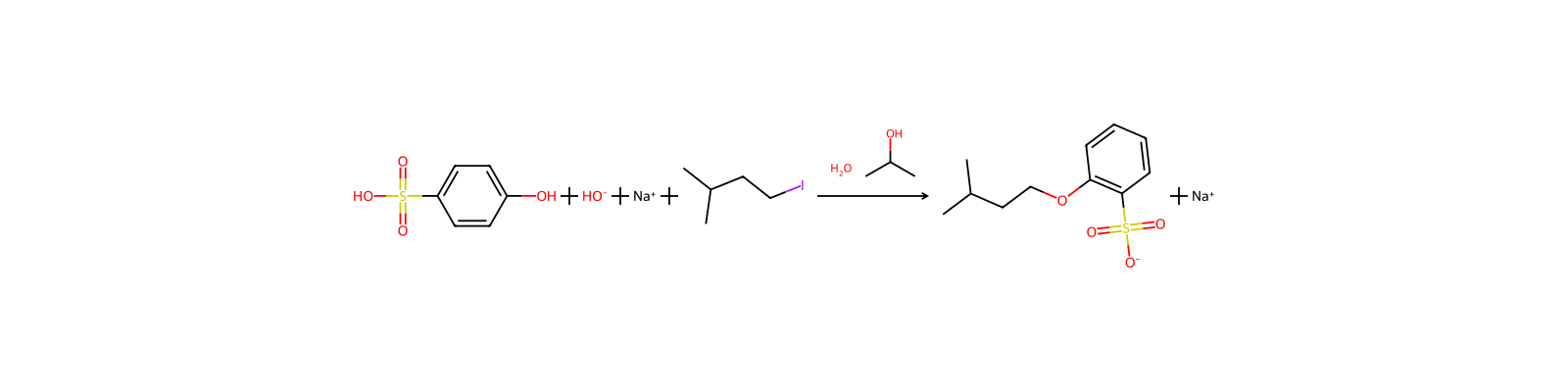
CHEM INT FOR 2-ALKYLPHENOLSULFONIC ACIDS
2023: 500,000 - <1,000,000 lb
(1979) PROBABLY GREATER THAN 4.54X10+6 GRAMS
(1981) PROBABLY GREATER THAN 4.54X10+6 GRAMS
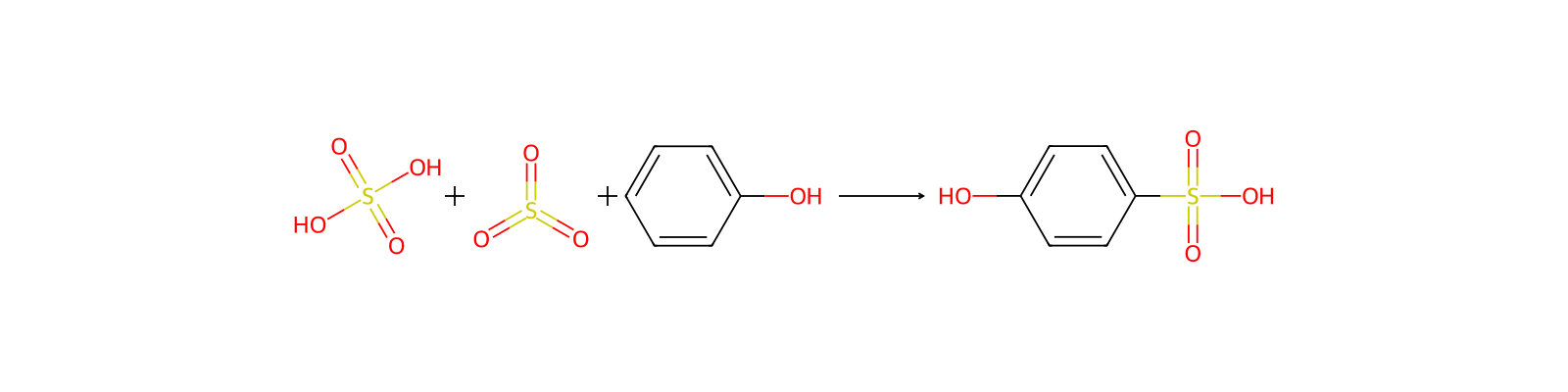
PREPN BY HYDROLYSIS OF P-CHLORO- OR P-BROMOBENZENESULFONIC ACID; BY SULFONATION OF PHENOL.
Phenol (25 kg) and 96% sulfuric acid (28 kg) are heated to 50 °C; then 1.25 kg additional sulfuric acid is added and the reaction mixture is heated at 110 °C for 5-6 hours. Reaction water, together with about 5% of the phenol, is distilled off during this period. Yield 95%.
All Other Basic Organic Chemical Manufacturing
Benzenesulfonic acid, 4-hydroxy-: ACTIVE
4-Hydroxyphenylsulfonic acid and 2-halogenomalonic esters form the corresponding ethers, which are used in the manufacture of polyesters with improved affinity for basic dyes.


化学的特性yellowish oily liquid
· CALL 911. Then call emergency response telephone number on shipping paper. If shipping paper not available or no answer, refer to appropriate telephone number listed on the inside back cover.
· ELIMINATE all ignition sources (no smoking, flares, sparks or flames) from immediate area.
SRP: At the time of review, criteria for land treatment or burial (sanitary landfill) disposal practices are subject to significant revision. Prior to implementing land disposal of waste residue (including waste sludge), consult with environmental regulatory agencies for guidance on acceptable disposal practices.
SRP: The scientific literature for the use of contact lenses in industry is conflicting. The benefit or detrimental effects of wearing contact lenses depend not only upon the substance, but also on factors including the form of the substance, characteristics and duration of the exposure, the uses of other eye protection equipment, and the hygiene of the lenses. However, there may be individual substances whose irritating or corrosive properties are such that the wearing of contact lenses would be harmful to the eye. In those specific cases, contact lenses should not be worn. In any event, the usual eye protection equipment should be worn even when contact lenses are in place.
10 [mg/m3]
120 [mg/m3]
690 [mg/m3]
TERRESTRIAL FATE: An estimated Koc of 3.0(1,SRC), based on an estimated log Kow(2,SRC) indicates that 4-hydroxyphenylsulfonic acid will have very high mobility in soil(3,SRC). As this compound is miscible in water(4), leaching may be an important fate process(SRC). In moist soils 4-hydroxyphenylsulfonic acid should quickly dissociate(5,SRC). Biodegradation of this compound may be an important fate process; 4-hydroxyphenylsulfonic acid at 75 ug/l showed complete degradation within 32 days using a soil inoculum(6). 4-Hydroxyphenylsulfonic acid at 100 mg/l was biodegraded by an activated sludge inoculum over 14 days(7). A long lag period of 76-95 hours was measured with complete biodegradation requiring a total of 190 to 195 hours; these results suggested that 4-hydroxyphenylsulfonic acid is biodegraded completely over a long time by acclimatized microorganisms(7). Other aerobic biodegradation experiments using higher concentrations of 4-hydroxyphenylsulfonic acid (500 mg/l) and shorter incubation times (70 hours) determined that 4-hydroxyphenylsulfonic acid was not biodegraded under these conditions(8,9). Under anaerobic conditions, using an aquifer slurry as an inoculum, 4-hydroxyphenylsulfonic acid at 35 mg/l was not biodegraded over a period of 13 months(10). 4-Hydroxyphenylsulfonic acid will not volatilize from moist soil surfaces(SRC) based on an estimated Henry's Law constant of 2.62X10⁻¹³ atm-cu/mole(11).
AQUATIC FATE: If released to water, 4-hydroxyphenylsulfonic acid is expected to dissociate(1). Aerobic biodegradation is expected to be a major fate process for 4- hydroxyphenylsulfonic acid. 4-Hydroxyphenylsulfonic acid at 100 mg/l was incubated over 14 days with a non-acclimatized activated sludge inoculum. Complete biodegradation required 190-195 hours including a 76-95 hour lag time; this indicates that an initial acclimatization period prior to biodegradation of this compound is necessary(2). When inoculated with an activated sludge culture which was acclimatized to benzene, 4-hydroxyphenylsulfonic acid, at a concentration of 500 mg/l, was not biodegraded within the time period of 70 hours(3). A pure culture of Pseudomonas H-8, a known benzene sulfonate oxidizer isolated from pond water, was unable to biodegrade 4-hydroxyphenylsulfonic acid over an unreported period of time(4). 4-Hydroxyphenylsulfonic acid at 35 mg/l was not biodegraded under anaerobic conditions for a 13 month period using an aquifer slurry as an inoculum(5). An estimated BCF value of 0 indicates that 4-hydroxyphenylsulfonic acid will not bioconcentrate in an aquatic system(6,7,SRC). 4-Hydroxyphenylsulfonic acid is not expected to volatilize from water surfaces(SRC) based on an estimated Henry's Law constant of 2.62X10⁻¹³ atm-cu/mole (8).
ATMOSPHERIC FATE: Based on an estimated vapor pressure of 3.33X10⁻⁷ mm Hg at 25 °C(1,SRC), 4-hydroxyphenylsulfonic acid will exist both in the vapor phase and in the particulate phase(2,SRC). In the vapor phase it will degrade fairly rapidly by reaction with photochemically produced hydroxyl radicals with an estimated half-life of about 2 days(3,SRC). Particulate phase 4-hydroxyphenylsulfonic acid may be removed physically from air by wet and dry deposition(SRC).
Based on an estimated log Kow of -1.65(1), the Koc of 4-hydroxyphenylsulfonic acid is estimated as approximately 3.0 using a regression-derived equation(2,SRC). According to a suggested classification scheme, this estimated Koc value suggests that 4-hydroxyphenylsulfonic acid has very high mobility in soil(3).
4-Hydroxyphenylsulfonic acid's production and subsequent use mainly as an additive for electroplating baths(1), but also in the manufacture of synthetic tanning agents(1), as a chemical intermediate used to improve the dyeing properties of polyamide fibers(1) or used in the manufacture of polyesters with improved affinity for basic dyes(1), and during its use in the process of granulation of blast furnace slag(2) may result in its release to the environment through various waste streams(SRC).
4-Hydroxyphenylsulfonic acid at a concentration of 75 ug/ml was incubated aerobically with a mixed culture of soil microorganisms for a time period ranging from 3 hours to 64 days. Total loss of this compound, followed by measuring the loss in absorbance of the benzene ring, was complete within 32 days(1). 4-Hydroxyphenylsulfonic acid at a concentration of 100 mg/l was incubated over 14 days with a non-acclimated activated sludge inoculum(2). The degradation ratio of 4-hydroxyphenylsulfonic acid (at 100 mg/l), defined as the BOD/Theoretical BOD, was determined to be 0.76 to 0.78; a lag time of 76-95 hours was measured, total biodegradation of this compound required 190-195 hours including the lag period(2). This indicates that this compound is biodegraded completely over a long time by acclimated microorganisms(2).
No biodegradation of 4-hydroxyphenylsulfonic acid at a concentration of 500 mg/l was seen over a period of one hour using a pure culture of Pseudomonas acclimatized to p-toluenesulfonate as its sole carbon and sulfur source(1). A pure culture of Pseudomonas strain H-8, a known benzene sulfonate oxidizer isolated from pond water, was unable to grow when given 4-hydroxyphenylsulfonic acid, at an unreported concentration, as the sole carbon source(2). 4-Hydroxyphenylsulfonic acid was not biodegraded using the agar plate method after a few days by a pure culture isolated for its ability to biodegrade benzenesulfonic acid(3).
4-Hydroxyphenylsulfonic acid, present at a concentration of 500 mg/l, was not used as a carbon source over a period of 70 hours using activated sludge acclimatized to benzene as an inoculum under aerobic conditions(2). In a compilation of chemicals, 4-hydroxyphenylsulfonic acid is listed as a chemical which should be degradable by biological sewage treatment provided suitable acclimatization of the microbial population is reached(2). The biodegradability of 4-hydroxyphenylsulfonic acid was measured under anaerobic conditions using two aquifer slurries, one from a sulfate reducing site, the other from a methanogenic site. 4-Hydroxyphenylsulfonic acid was added at a concentration of 200 uM to a slurry from each site and monitored from 0 to 13 months. Under sulfate reducing conditions, 4-hydroxyphenylsulfonic acid was present at 188 uM and at 198 uM after 0 to 13 months respectively. Under methanogenic conditions, 4-hydroxyphenylsulfonic acid was present at 194 uM and at 235 uM after 0 to 13 months respectively(3).
A BCF of 0.03 was calculated for 4-hydroxyphenylsulfonic acid, using an estimated log Kow of -1.65(1,SRC) and a recommended regression- derived equation(2,SRC). This BCF value suggests that 4-hydroxyphenylsulfonic acid will not bioconcentrate in aquatic organisms(2).
The rate constant for the vapor-phase reaction of 4-hydroxyphenylsulfonic acid with photochemically produced hydroxyl radicals has been estimated to be 7.40X10⁻¹² cu cm/molecule-sec at 25 °C(1,SRC). This corresponds to an atmospheric half-life for 4-hydroxyphenylsulfonic acid of about 2 days at an atmospheric concentration of 5X10+5 hydroxyl radicals/cu cm(1,SRC). Benzenesulfonic acids are strong acids which almost completely dissociate in aqueous solution(2).
4-Hydroxyphenylsulfonic acid's production and subsequent use mainly as an additive for electroplating baths could result in its release to the environment. If released to the atmosphere, 4-hydroxyphenylsulfonic acid will exist in both the vapor phase and in the particulate phase based on an estimated vapor pressure of 3.33X10⁻⁷ mm Hg. In the vapor phase, 4-hydroxyphenylsulfonic acid will react fairly rapidly with hydroxyl radicals with an estimated half-life of 2 days. Particulate phase 4-hydroxyphenylsulfonic acid may be removed physically from air by wet and dry deposition. Based on an estimated Koc of 3, 4-hydroxyphenylsulfonic acid should have very high mobility in soil and as this compound is miscible in water, leaching may occur. In moist soils, 4-hydroxyphenylsulfonic acid is expected to dissociate. 4-Hydroxyphenylsulfonic acid should biodegrade under aerobic conditions; using a soil inoculum, this compound required 32 days for complete biodegradation. In water, 4-hydroxyphenylsulfonic acid is expected to dissociate. Biodegradation will occur slowly. Using an unacclimated activated sludge inoculum, a period of 190-195 hours was required for complete biodegradation. This time period included a 76-95 hour lag time suggesting that an initial acclimatization period prior to biodegradation of this compound is necessary. Other studies using higher concentrations of 4-hydroxyphenylsulfonic acid, a shorter time period (1 hour to 70 hours), and microorganisms acclimated to either benzene or benzenesulfonic acid showed no biodegradation of 4-hydroxyphenylsulfonic acid. This compound is not expected to bioconcentrate in aquatic organisms or to volatilize from water surfaces. (SRC)
用途薬剤、染料の製造における中間体
説明4-hydroxybenzenesulfonic acid is an arenesulfonic acid that is phenol substituted by a sulfo group at C-4. It is functionally related to a phenol. Results obtained in a comparative study using the disulfide-bridge containing peptide deaminoarginine-vasopressin and several commonly used matrices indicate that the reduction-inhibiting efficiency of 4-hydroxy benzene sulfonic acid is comparable to that of 3-nitrobenzyl alcohol while reduction is found to be important in matrices such as thioglycerol and glycerol. Experiments conducted on peptides such as met-enkephalin and bradykinin, nucleosides and other polar compounds reveal that 4-hydroxybenzenesulfonic acid is a good solvent and has physical properties similar to glycerol. This new matrix material is a radical scavenger, is surface active, allows persistent secondary-ion beams, and produces a low background signal[1].
使用4-Hydroxybenzenesulfonic Acid is used as a redox-mediator in the laccase-catalyzed degradation of indigo, a textile dye. Also used in oilfield chemicals, metal working, and as a polymerization catalyst.
The synthesis of 4-Hydroxybenzenesulfonic acid is as follows:Phenol (25 kg) and 96% sulfuricacid(28 kg) are heated to 50 ℃; then1.25 kg additional sulfuric acid is added and the reaction mixture is heated at 110 ℃ for 5 – 6 h. Reaction water, together with about 5% of the phenol, is distilled off during this period. Yield 95%.
定義ChEBI: An arenesulfonic acid that is phenol substituted by a sulfo group at C-4.