
HRID 4112als Edukt

17353-70-7O=C([O-])O.[K+]TYJJADVDDVDEDZ-UHFFFAOYSA-MPotassium hydrogencarbonate is a potassium salt that is the monopotassium salt of carbonic acid. It has fungicidal properties and is used in organic farming for the control of powdery mildew and apple scab. It has a role as a buffer, a food acidity regulator, a raising agent and an antifungal agrochemical. It is an organic salt and a potassium salt. It contains a hydrogencarbonate.
17353-70-7、298-14-6DTXSID0021177CHEMBL2106975CHEBI:81862Plastics -> Other stabilisers
Plastics -> N.a.
Cosmetic ingredients (Potassium Bicarbonate) -> CIR (Cosmetic Ingredient Review)
Buffering
Agrochemicals -> Pesticide active substances
Active substance -> EU Pesticides database: Approved
Soluble
Freely soluble in water. Insoluble in ethanol
Sicherheitsangaben dienen nur zur Orientierung und ersetzen weder das Sicherheitsdatenblatt (SDB) des Lieferanten noch geltende Vorschriften oder eine fachliche Bewertung.
This chemical does not meet GHS hazard criteria for 99.7% (300 of 301) of all reports.
Not Classified
Aggregated GHS information provided per 301 reports by companies from 3 notifications to the ECHA C&L Inventory.
Chemical: Carbonic acid, monopotassium salt
Commission Regulation No 844/2012
Carbonic acid, potassium salt (1:1) is listed on the EPA's Chemical Data Reporting (CDR) system. Manufacturers and importers of Carbonic acid, potassium salt (1:1) are required to report information about their production and use of this chemical to the EPA under the Toxic Substances Control Act (TSCA). (40 eCFR Part 711)
2008/127, Reg. (EU) 2017/195, Reg. (EU) 2020/1160, Reg. (EU) 2021/1452, Reg. (EU) 2021/745, Reg. (EU) No 540/2011, Reg. (EU) No 735/2012
REACH registered substance: Potassium hydrogencarbonate (EC: 206-059-0)
Potassium bicarbonate: Does not have an individual approval but may be used under an appropriate group standard
Not irritating to skin or eyes of rabbits; Effects to bladder seen in feeding studies of rats due to alkalizing properties (urine pH > 8) and not to toxic properties of the compound itself; [IUCLID] Causes adrenal cortex hyperplasia and changes in tubules in 13-week oral study of rats (218,400 mg/kg); [RTECS] May cause irritation; [Alfa Aesar MSDS]
A - Alimentary tract and metabolism
QA - Alimentary tract and metabolism
Potassium is the principal intracellular cation in most body tissues. The concentration of potassium ions is essential to conduct nerve impulses in specialized tissues like brain, heart and skeletal muscle, as well as to maintain normal renal function, acid-base balance, and cellular metabolic functions. The use of compounds containing bicarbonate is showed to produce the release of CO2. This effect has been one of the problems of the use of potassium bicarbonate as it can cause eructation.
The antacid potential of potassium bicarbonate is attained by increasing the gastrointestinal pH by neutralizing hydrochloric acid. The increase in pH results in suppression of the action of pepsin which is the enzyme that exacerbates ulceration due to the presence of acid.
POTASSIUM BICARBONATE
Potassium Salt [EPC]; Inhibition Large Intestine Fluid/Electrolyte Absorption [PE]; Potassium Compounds [CS]; Osmotic Activity [MoA]; Increased Large Intestinal Motility [PE]; Osmotic Laxative [EPC]
Potassium bicarbonate intake is done mainly in the small intestine in which approximately 90% of the potassium will be absorbed by passive diffusion.
Approximately 90% of the exogenous potassium consumed is lost in the urine while the other 10% is excreted in feces and a very small amount can be found in the sweat. The excreted potassium is freely filtered by the glomerulus of the kidney.



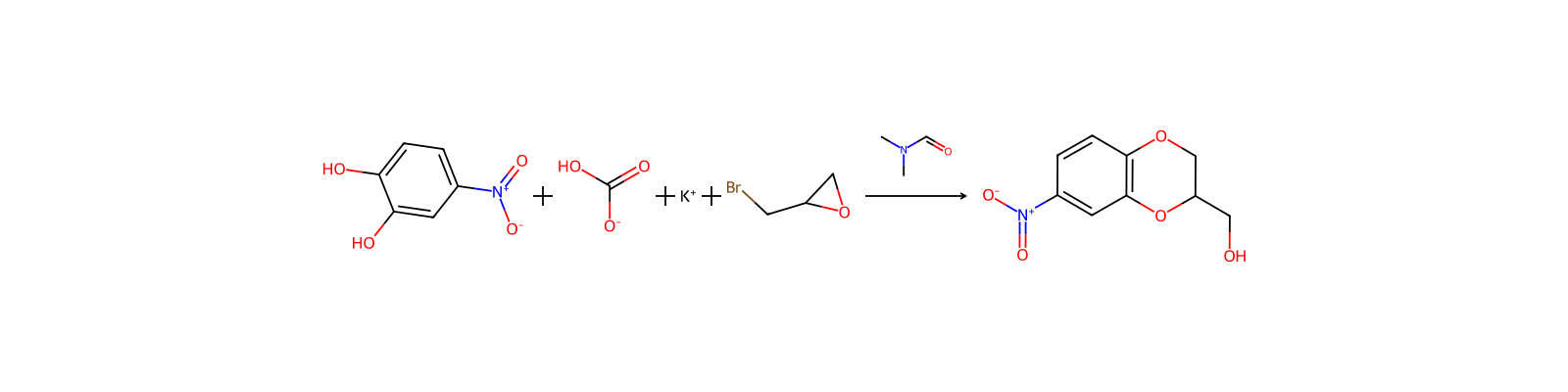


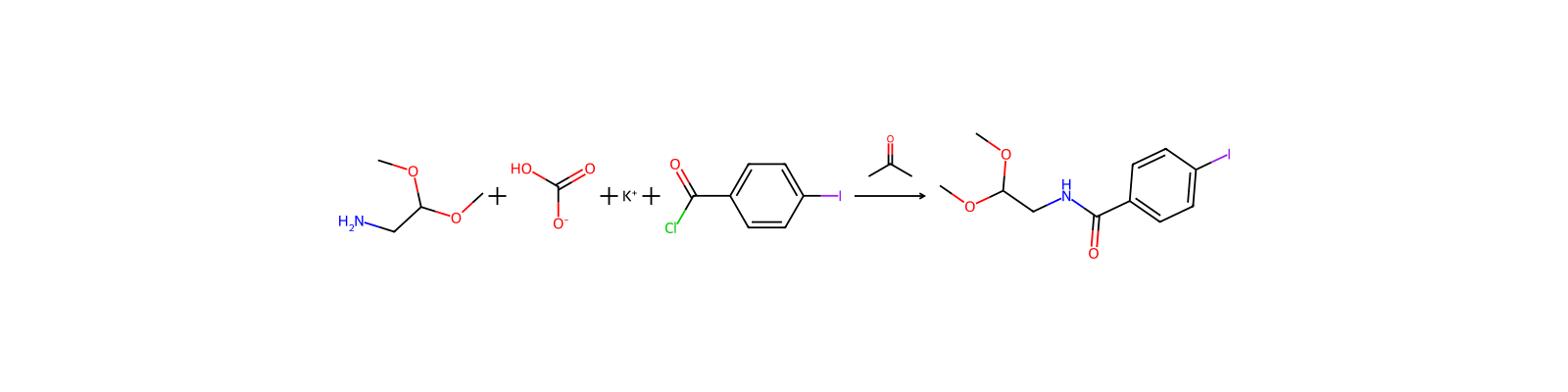
CBI; Dry Powder; Liquid
Colourless crystals or white powder or granules
Colorless or white solid; [Merck Index] White odorless granules; [Alfa Aesar MSDS]
6.2 [mg/m3]
68 [mg/m3]
410 [mg/m3]
The CIR Expert Panel concluded that the following 6 carbonate salts are safe in the present practices of use and concentration, as described in this safety assessment, when formulated to be non-irritating...Potassium Bicarbonate...
Safe for use in cosmetics, with qualifications
CIR ingredient: Potassium Bicarbonate
Used in baking powders and as a potassium supplement; [Merck Index] Used in soft drinks, antacids, and fire extinguishers; [Hawley] Active pesticide product registrations in the US; [NPIRS] Approved for use as food additive in the EU; Active ingredient (85%) of the foliar fungicide Armicarb 85SP; [ExPub: EFSA]
Farming (Pesticides) [Category: Industry]
EPA Safer Chemical Functional Use Classes -> Processing Aids and Additives
Safer Chemical Classes -> Green circle - The chemical has been verified to be of low concern
Food additives
Food Additives -> ACIDITY_REGULATOR; LEAVENING_AGENT; RAISING_AGENT -> JECFA Functional Classes
Food Additives -> ACIDITY_REGULATOR; LEAVENING_AGENT; RAISING_AGENT -> JECFA Functional Classes
Plastics -> Other stabilisers
Petroleum Refineries
Carbonic acid, potassium salt (1:1): ACTIVE