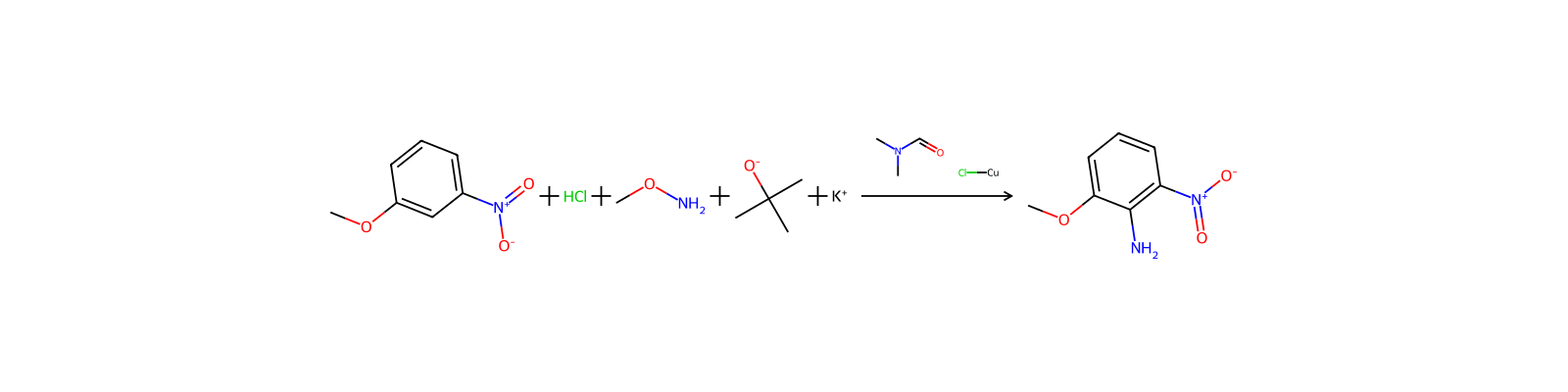
HRID 821As reactant

593-56-6CON.ClXNXVOSBNFZWHBV-UHFFFAOYSA-NO-methylhydroxylamine hydrochloride appears as off-white crystals. (NTP, 1992)
593-56-6DTXSID9025615CHEMBL1609430O-methylhydroxylamine hydrochloride appears as off-white crystals. (NTP, 1992)
Off-white solid; [CAMEO] Colorless hygroscopic solid; [Sigma-Aldrich MSDS]
Safety information is for reference only and does not replace the supplier’s Safety Data Sheet (SDS), applicable regulations, or professional assessment.
Danger
H302+H312 (46.7%): Harmful if swallowed or in contact with skin [Warning Acute toxicity, oral; acute toxicity, dermal]
P203, P260, P261, P264, P264+P265, P270, P272, P273, P280, P301+P317, P301+P330+P331, P302+P352, P302+P361+P354, P304+P340, P305+P354+P338, P316, P317, P318, P319, P321, P330, P332+P317, P333+P317, P362+P364, P363, P391, P405, and P501 (click each P-code to see the statement)
Aggregated GHS information provided per 225 reports by companies from 22 notifications to the ECHA C&L Inventory. Each notification may be associated with multiple companies.
Chemical: Hydroxylamine, O-methyl-, hydrochloride
REACH registered substance: Methoxyammonium chloride (EC: 209-798-7)
Methoxyammonium chloride: Does not have an individual approval but may be used under an appropriate group standard
DescriptionMethoxamine hydrochloride, also known as methoxamine hydrochloride, O-methyl hydroxylamine hydrochloride. It is a white crystalline powder, and its fusing point is 149 ~ 152°C, soluble in water, dissolved in alcohol, insoluble in ether and toluene, etc., and the solution is in acid. Methoxamine hydrochloride is an important chemical and medicine intermediate, can be used for the development and printing of color photography and film, and is widely used in the synthesis of medicine, functional dye, low-toxin farm chemicals, and new herbicides. Methoxamine hydrochloride is mainly used in the synthesis of s-generation cephalosporin product cephalofruxin in medical, and sulfamethoxazole; alkynes promise are bright, the synthesis of hydroxyurea, etc.; Agricultural chemicals aspect is then mainly used in the kresoxim-methyl of synthesizing efficient low toxicity.
Usesantineoplastic, hydroxymethyltransferase inhibitor
UsesMethoxylamine is a methoxime derivative used as internal standard for Prostaglandin assays by gas chromatography-mass spectrometry
UsesMethoxylamine hydrochloride is used as a reagent in the preparation of O-methyl oximes from aldehydes. It is orally bioavailable small molecule inhibitor with potential adjuvant activity. It is also used as internal standard for prostaglandin assays by gas chromatography-mass spectrometry.
General DescriptionOff-white crystals.
In aqueous solution, O-METHYLHYDROXYLAMINE HYDROCHLORIDE behaves as an acid. Materials in this group are generally soluble in water. The resulting solutions contain moderate concentrations of hydrogen ions and have pH's of less than 7.0. They react as acids to neutralize bases. These neutralizations generate heat, but less or far less than is generated by neutralization of inorganic acids, inorganic oxoacids, and carboxylic acid. They usually do not react as either oxidizing agents or reducing agents but such behavior is not impossible. Many of these compounds catalyze organic reactions.
EYES: First check the victim for contact lenses and remove if present. Flush victim's eyes with water or normal saline solution for 20 to 30 minutes while simultaneously calling a hospital or poison control center. Do not put any ointments, oils, or medication in the victim's eyes without specific instructions from a physician. IMMEDIATELY transport the victim after flushing eyes to a hospital even if no symptoms (such as redness or irritation) develop.
SMALL SPILLS AND LEAKAGE: If you spill this chemical, you should dampen the solid spill material with water, then transfer the dampened material to a suitable container. Use absorbent paper dampened with water to pick up any remaining material. Seal your contaminated clothing and the absorbent paper in a vapor-tight plastic bag for eventual disposal. Wash all contaminated surfaces with a soap and water solution. Do not reenter the contaminated area until the Safety Officer (or other responsible person) has verified that the area has been properly cleaned.