HRID 13731As product

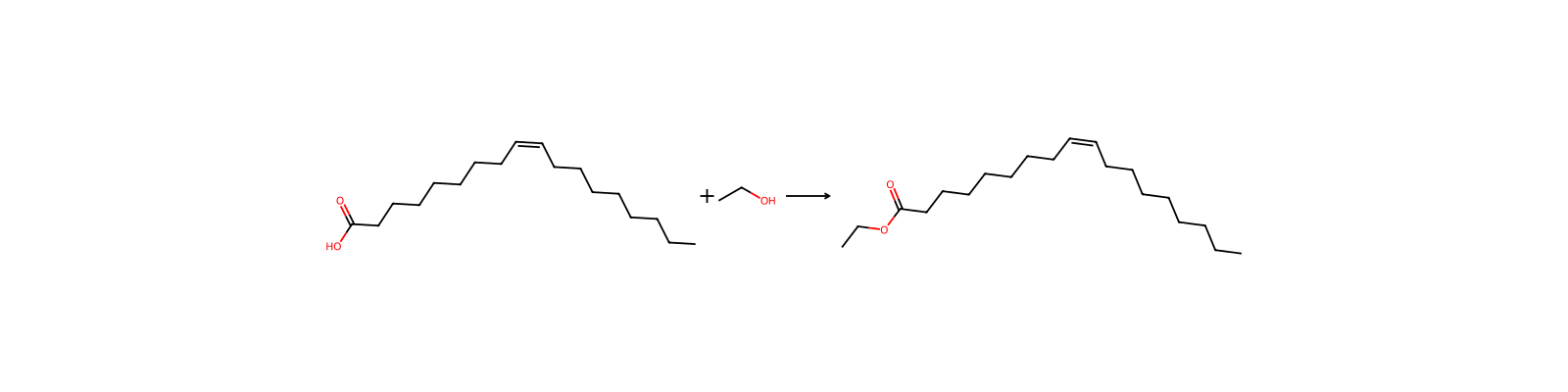
111-62-6CCCCCCCC/C=C\CCCCCCCC(=O)OCCLVGKNOAMLMIIKO-QXMHVHEDSA-NEthyl oleate is a long-chain fatty acid ethyl ester resulting from the formal condensation of the carboxy group of oleic acid with the hydroxy group of ethanol. It has a role as an acaricide and a plant metabolite. It is functionally related to an oleic acid.
111-62-6、85049-36-1DTXSID3047633CHEMBL2106289CHEBI:84940insoluble in water; soluble in ether
Soluble (in ethanol)
Liquid
Clear yellow liquid; [Sigma-Aldrich MSDS]
oily, slightly yellowish liquid with a floral odour
Safety information is for reference only and does not replace the supplier’s Safety Data Sheet (SDS), applicable regulations, or professional assessment.
This chemical does not meet GHS hazard criteria for 99.3% (142 of 143) of all reports.
Not Classified
Aggregated GHS information provided per 143 reports by companies from 2 notifications to the ECHA C&L Inventory.
This chemical does not meet GHS hazard criteria for 100% (15 of 15) of all reports.
Not Classified
Aggregated GHS information provided per 15 reports by companies from 1 notifications to the ECHA C&L Inventory.
Chemical: 9-Octadecenoic acid, ethyl ester, (Z)-
Regulation (EC) No 1831/2003 (amended)
9-Octadecenoic acid (9Z)-, ethyl ester is listed on the EPA's Chemical Data Reporting (CDR) system. Manufacturers and importers of 9-Octadecenoic acid (9Z)-, ethyl ester are required to report information about their production and use of this chemical to the EPA under the Toxic Substances Control Act (TSCA). (40 eCFR Part 711)
REACH registered substance: Fatty acids, C16-18 and C18-unsatd., Et esters (EC: 285-206-0)
9-Octadecenoic acid (9Z)-, ethyl ester: Does not have an individual approval but may be used under an appropriate group standard
Not Classified
Not Classified
Used as a flavoring agent; [FDA] Used to flavor animal feeds; [ExPub: EFSA - FEEDAP] Used as a solvent/co-solvent in pesticide products; [ExPub: EPA - RDD] Permitted for use as an inert ingredient in non-food pesticide products; [EPA]
Farming (Pesticides) [Category: Industry]
Fragrance Ingredients
Flavouring Agent -> FLAVOURING_AGENT -> JECFA Functional Classes
Flavoring Agents -> JECFA Flavorings Index
Cosmetics -> Emollient
Pesticide, Fertilizer, and Other Agricultural Chemical Manufacturing
9-Octadecenoic acid (9Z)-, ethyl ester: ACTIVE
DescriptionEthyl oleate is a fatty acid ester formed by the condensation of oleic acid and ethanol. It is a colorless to light yellow liquid. Ethyl oleate is produced by the body during ethanol intoxication. Ethyl oleate is used as a solvent for pharmaceutical drug preparations involving lipophilic substances such as steroids. It also finds use as a lubricant and a plasticizer. The Food and Drug Administration regulates its use as a food additive under "Food Additives Permitted for Direct Addition to Food for Human Consumption", 21CFR172.515.
OccurrenceReported found in cocoa, buckwheat, elderberry and babaco fruit (Carica pentagona Heilborn).
UsesEthyl oleate is a flavoring and fragrance agent. Usually used to prepare the oily phase of self-microemulsifying drug delivery system (SMEDDS) for tacrolimus (Tac). It was obtained by the hydrolysis of various animal and vegetable fats and oils.
General DescriptionEthyl oleate is a colourless to pale yellow oily liquid that has a faint, floral note. It is neutral and is a more lipid-soluble form of oleic acid. The compound contributed to approximately 17% of the total fatty acids esterified to phosphatidylcholine in porcine platelets. The compound is one of the fatty acid ethyl esters that is generated after the breakdown of ethanol in the body. Moreover, ethyl oleate usually acts as a toxic mediator of ethanol in the heart, liver, pancreas, and brain.
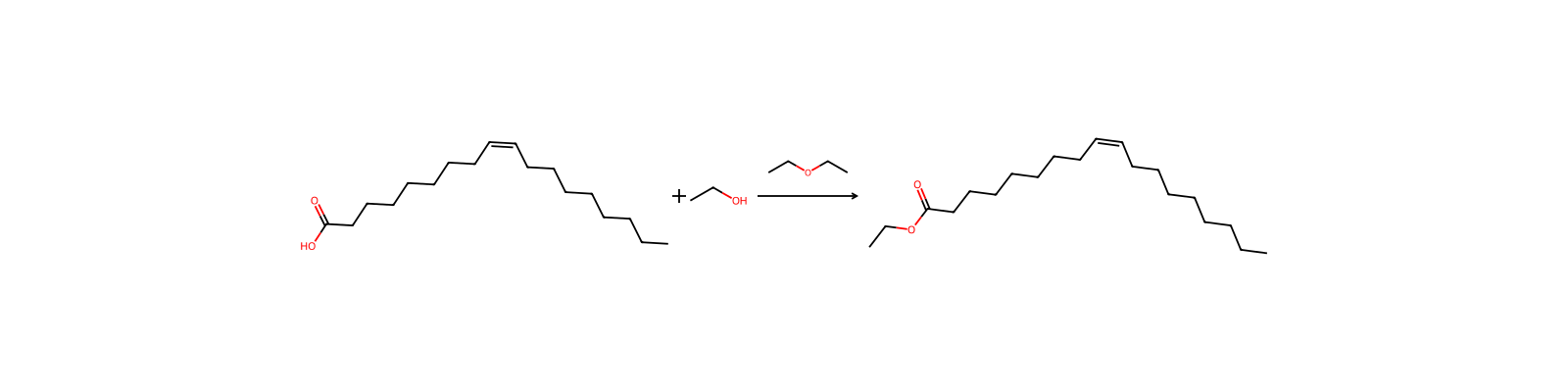
PreparationEthyl oleate is prepared by the reaction of ethanol with oleoyl chloride in the presence of a suitable hydrogen chloride acceptor. Or by direct esterification of oleic acid with ethyl alcohol in the presence of HCl at the boil; in the presence of Twitchell’s reagent or chlorosulfonic acid.
DefinitionChEBI: Ethyl oleate is a long-chain fatty acid ethyl ester resulting from the formal condensation of the carboxy group of oleic acid with the hydroxy group of ethanol. It has a role as a plant metabolite and an acaricide. It is functionally related to an oleic acid.