홈MCP워크벤치Skills
홈워크벤치알림마이페이지
llms.txt · MCP 가이드개인정보처리방침 · 이용약관 · 지원v1.8.0
  1. 홈
  2. /화합물

붕소

Boron

HCID 5462311
새 노트새 반응견적 요청하기
인쇄 미리보기

데이터를 보충하는 중입니다. 잠시 후 페이지를 새로 고치면 최신 내용을 볼 수 있습니다

기본 정보이름 및 식별자물성안전 및 규제화학 및 산업관련 반응화합물 노트
부분 구조 검색유사 구조 찾기

기본 정보

CAS
13766-26-2
표준 SMILES
[B]
InChIKey
ZOXJGFHDIHLPTG-UHFFFAOYSA-N
분자식
B
평균 분자량
10.81 g/mol
단동위원소 질량
11.0093052

이름 및 식별자

우선 이름
Boron
IUPAC
boron
현지명
붕소
영어명
Boron
분자식
B
분자량
10.81

이름 및 동의어

BORON7440-42-8Boron, elementalDTXSID3023922N9E3X5056QCHEBI:27560Boron 11Dietary BoronRefChem:5611DTXCID503922CHEBI:33609231-151-2
이름 더 보기
붕소BorAmorphous Elemental BoronBORON METALBORON POWDER LAB 10 GAmorphous element boronBORON CRYSTALLINE 99.999%Bα
689-761-3BBoron-11Borane-d3boron atomBoron powderBoron elementMFCD00134034

데이터베이스 식별자

CAS
13766-26-2、14798-13-1、35325-82-7、7440-42-8
PubChem CID
5462311
DTXSID
DTXSID3023922
ChEBI
CHEBI:27560
UNII
N9E3X5056Q
EC Number
231-151-2、689-761-3
Nikkaji
J1.458.469B、J1.853H、J215.870A、J3.562.074E

물성

구조 계산 물성보충 중

극성 표면적
0 Ų
수소 결합 공여자 수
0
수소 결합 수용자 수
0
회전 가능 결합 수
0
무거운 원자 수
1
형식 전하
0
복잡도
0

실험 및 물리화학적 성질

Density · 2건

Amorphous, 2.350 g/cu cm; alpha-rhombohedral, 2.46 g/cu cm; alpha-tetragonal, 2.31 g/cu cm; beta-rhombohedral, 2.35 g/cu cm

2.45 @25 °C

Color/Form · 2건

Polymorphic: alpha-rhombohedral form, clear red crystals; beta-rhombohedral form, black; alpha-tetragonal form, black, opaque crystals with metallic luster; amorphous form, black or dark brown powder; other crystal forms are known but not entirely characterized

Filaments, powder, whiskers, single crystals

Solubility · 2건

Insoluble in water; unaffected by aqueous hydrochloric and hydrofluoric acids; when finely divided it is soluble in boiling nitric and sulfuric acids and in molten metals such as copper, iron, magnesium, aluminum, calcium; reacts vigorously with fused sodium peroxide or with a fusion mixture of sodium carbonate or potassium nitrate

Soluble in concentrated nitric and sulfuric acids; insoluble in water, alcohol, ether

Boiling Point · 2건

4,000 °C

4000 °C @760 [mm Hg]

Melting Point · 2건

2,075 °C

2075 °C

Vapor Pressure · 2건

1.56X10⁻⁵ atm (0.0119 mm Hg) at 2140 °C

0.0119 [mm Hg] @2140 °C

Physical Description · 2건

안전 및 규제

안전 정보는 참고용이며, 공급업체의 물질안전보건자료(SDS), 관련 법규 및 전문가 평가를 대체하지 않습니다.

GHS 분류

GHS Classification · 6건

This chemical does not meet GHS hazard criteria for 52.2% (253 of 485) of all reports.

Warning

H302 (46.4%): Harmful if swallowed [Warning Acute toxicity, oral]

P264, P270, P301+P317, P330, and P501 (click each P-code to see the statement)

Aggregated GHS information provided per 485 reports by companies from 12 notifications to the ECHA C&L Inventory.;Reported as not meeting GHS hazard criteria per 253 of 485 reports by companies.;There are 10 notifications provided by 232 of 485 reports by companies with hazard statement code(s).;Information may vary between notifications depending on impurities, additives, and other factors. The percentage value in parenthesis indicates the notified classification ratio from companies that provide hazard codes. Only hazard codes with percentage values above 10% are shown. For more detailed information, please visit ECHA C&L website.

유해성 정보

Regulatory Information · 5건

Chemical: Boron

Hazard Traits - Developmental Toxicity; Environmental tox;Authoritative List - CA NLs; CWA 303(d);Report - if used as a fragrance or flavor ingredient

Boron is listed on the EPA's Chemical Data Reporting (CDR) system. Manufacturers and importers of Boron are required to report information about their production and use of this chemical to the EPA under the Toxic Substances Control Act (TSCA). (40 eCFR Part 711)

Status: Active Update: 31-01-2023 https://echa.europa.eu/registration-dossier/-/registered-dossier/14776

Boron: Does not have an individual approval but may be used under an appropriate group standard

Fire PotentialDust ignites spontaneously in air ...
Hazards Summary · 2건

Boron is a compound that occurs in nature. It is often found combined with other substances to form compounds called borates. Common borate compounds include boric acid, salts of borates, and boron oxide. Several companies in the United States produce most of the world's borates by processing boron compounds. Borates are used mostly to produce glass. They are also used in fire retardants, leather tanning industries, cosmetics, photographic materials, soaps and cleaners, and for high-energy fuel. Some pesticides used for cockroach control and some wood preservatives also contain borates.

화학 및 산업

약리 정보

MeSH Pharmacological ClassificationA group of chemical elements that are needed in minute quantities for the proper growth, development, and physiology of an organism. (From McGraw-Hill Dictionary of Scientific and Technical Terms, 4th ed)

용도 및 제조

Uses · 6건

A micronutrient for plants; Used to make alloys, neutron absorbers, oxygen scavengers, composite materials, semiconductors, and rocket fuels; [Hawley] No known function in animal cells, but present at about 1 ppm; Human diet contains about 10-20 mg/day; [Ullmann] Boron (B2O3, BN, BBr3, B(COC2H5)3, SiBr4, BCl3, BF3, and B2H6) is used as a doping agent in semiconductor manufacturing. [CSH, p. 50]

Semiconductor Manufacturing [Category: Industry];Plastic Composites Manufacturing [Category: Industry]

For boron (USEPA/OPP Pesticide Code: 128945) there are 0 labels match. /SRP: Not registered for current use in the U.S., but approved pesticide uses may change periodically and so federal, state and local authorities must be consulted for currently approved uses./

In nuclear chemistry as neutron absorber; in Ignitron rectifiers; in alloys, usually to harden other metals.

Boron-10 (isotope): As shield for nuclear radiation and in instruments used for detecting neutrons.

Deoxidizer in nonferrous metallurgy; grain refiner in aluminum; in delayed action fuses; igniter in radio tubes; coating material in solar batteries.

U.S. Exports4.54X10+11 g
U.S. Imports7.62X10+10 g
U.S. Production · 6건

2023: 1,000,000 - <2,500,000 lb;2022: 1,000,000 - <2,500,000 lb;2021: 1,000,000 - <2,500,000 lb;2020: 1,000,000 - <2,500,000 lb

5.72X10+11 g

(2001) 536 thousand metric tons boric oxide. /Minerals and compounds sold or used by producers; includes both actual mine production and marketable products/

(2002) 518 thousand metric tons boric oxide. /Minerals and compounds sold or used by producers; includes both actual mine production and marketable products/

관련 반응

165건
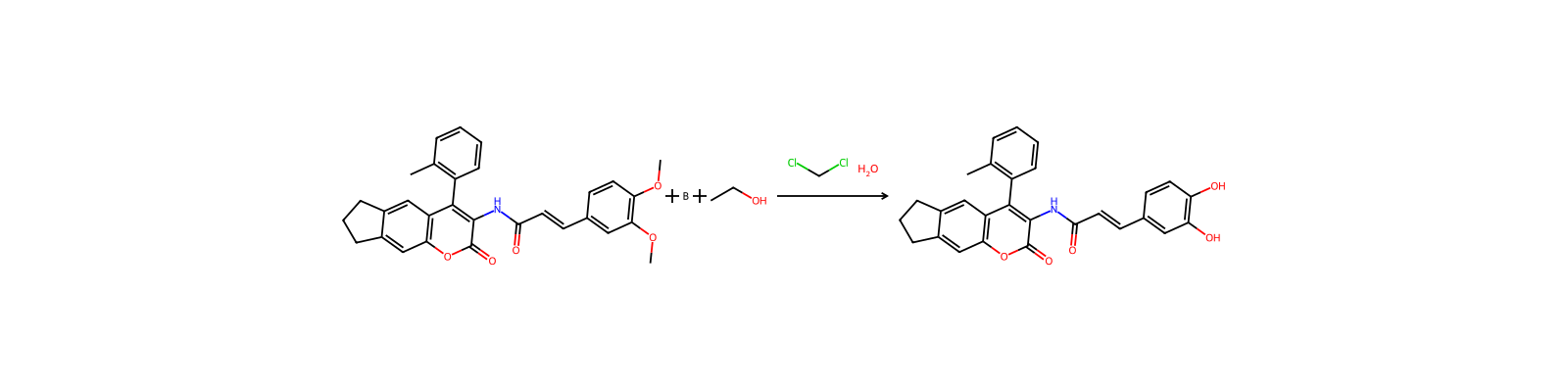
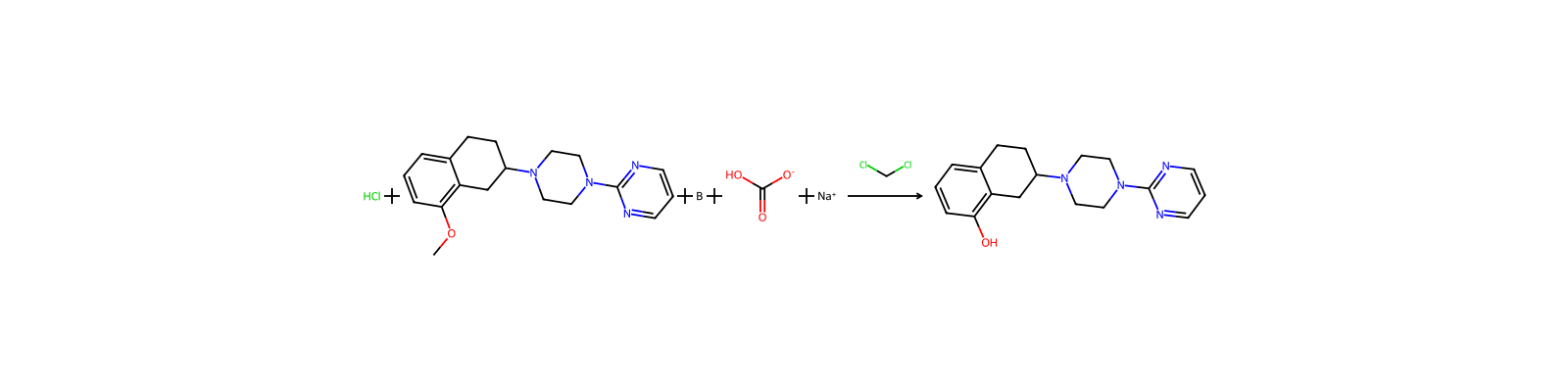
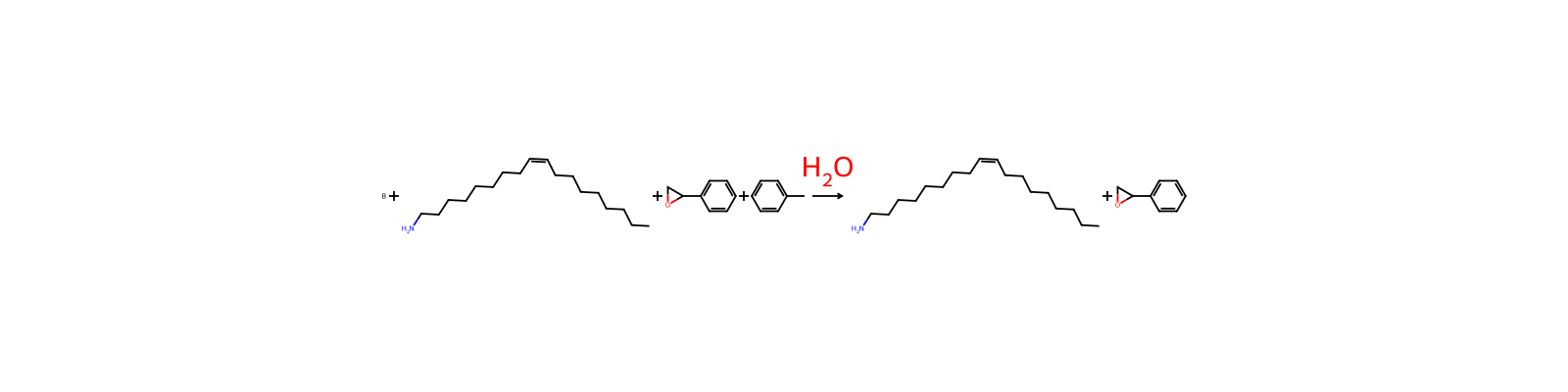
반응 기록 만들기
HRID 4160 반응식
HRID 4160반응물로uspto-grants-1988_02
HRID 36925 반응식
HRID 36925반응물로uspto-grants-1995_05
HRID 65299 반응식
HRID 65299반응물로uspto-grants-1986_09
HRID 231313 반응식
HRID 231313반응물로uspto-grants-1989_07
HRID 236676 반응식
HRID 236676촉매로uspto-grants-1987_02
HRID 258033 반응식
HRID 258033반응물로uspto-grants-1993_11
HRID 259412 반응식
HRID 259412반응물로uspto-grants-1977_07
HRID 259413 반응식
HRID 259413반응물로uspto-grants-1977_07
1 / 21 페이지

화합물 노트

불러오는 중…

이 페이지에서기본 정보이름 및 식별자물성안전 및 규제화학 및 산업관련 반응화합물 노트
더보기
새 노트새 반응견적 요청하기

Other Solid; Dry Powder; CBI

Crystals or yellow to brown solid; [Sax] Sold as filaments, powders, whiskers, and crystals; [Hawley]

Stability/Shelf LifeFairly stable at normal temperature.
Autoignition Temperature... Ignition temperature in air is 580 °C.
Other Experimental Properties · 5건

Atomic number 5; naturally-occurring isotopes: 10,11; three short-lived artificial isotopes: 8,12, 13

Alpha-rhombohedral form, 12 atoms/unit cell; beta-rhombohedral form, 105 atoms/unit cell; alpha-tetragonal form, 50 atoms/unit cell

The alpha-rhombohedral form of boron is the simplest crystal structure with slightly deformed cubic close packing, which degrades at 1200 °C and at 1500 it converts to beta-rhombohedral boron, which is the most thermodynamically stable form.

Crystalline boron is very inert. Low purity, higher temperature, and changes in or lack of crystallinity all increase the chemical reactivity.

For more Other Experimental Properties (Complete) data for BORON, ELEMENTAL (9 total), please visit the HSDB record page.

물리화학적 성질

녹는점
2300 °C · 2300°C
끓는 점
2550 °C · 2550°C
밀도
2.34 g/mL · 2.34 g/mL at 25 °C (lit.)
저장 조건
no restrictions.
용해도
2 O: · H2O: 용해성
물리적 상태
플레이크 크리스탈
색상
짙은 회색
Specific Gravity
2.34 · 2.34~2.37
수소이온지수(pH)
4 · 4 (20°C in H2O)
Flame Color
Bright green
수용성
6 · 물에 불용성 [MER06]
비열
1.03 J/ · Cp(crystal): 1.03 J/(g·K); Cp(gas): 1.92 J/(g·K), at 25℃
Merck
13 · 13,1333
안정성
안정적인. 피해야 할 물질에는 강산화제와 강산이 포함됩니다. 공기에 노출되면 분해될 수 있습니다. 질소하에 보관하십시오. 가연성이 높습니다.
InChI
1S/B
InChIKey
UORVGPXVDQYIDP-UHFFFAOYSA-N
SMILES
[B]
Hardness, Mohs
9.5 · 9.5
Knoop Microhardness
3300 · 3300
NIST
Boron(7440-42-8)
EPA
Boron (7440-42-8)
화학적 성질 · 1건

Boron is a yellow or brownish-black powder and may be either crystalline or amorphous. It does not occur free in nature and is found in the minerals borax, colemanite, boronatrocalcite, and boracite. It is insoluble in water but soluble in nitric and sulfuric acids. It is insoluble in cold water, hot water, diethyl ether, and alcohol. If finely divided, it is soluble in most molten metals such as copper, iron, magnesium, aluminum, and calcium. Borates are relatively soluble in water.

Powder is a dust explosion hazard. Toxic by ingestion; [Sax] May cause irritation, but not generally considered hazardous to handle boric acid and borates; [Ullmann] Boron deficiency may cause reproductive injury in fish; Excess boric acid causes testicular damage in high-dose feeding studies of animals; [ACGIH] Boron is a hepatotoxic agent. [Zimmerman, p. 4] Minimal Risk Level (acute or intermediate oral dose) = 0.2 mg/kg/day (Develop.); Acute inhalation dose = 0.3 mg/m3 (Resp.); [ATSDR] See Boric acid.

Special Reports · 5건

Nat'l Research Council Canada; Data Sheets on Selected Toxic Elements (1982) NRCC No. 19252

USEPA; Health Advisory for Boron (Draft) (1988)

USEPA/OWRS; Quality Criteria for Water 1986 Boron (1986) EPA 440/5-86-001

DHHS/ATSDR; Toxicological Profile for Boron (1992) ATSDR/TP-91/05

WHO; Environmental Health Criteria Document 204: Boron (1998). Available from http://www.inchem.org/pages/ehc.html as of May 12, 2005.

Hazard Classes and Categories · 4건

Acute Tox. 4 (46.4%)

Acute Tox. 4 (100%);Eye Irrit. 2A (87.5%);Acute Tox. 4 (87.5%);STOT SE 3 (87.5%);Aquatic Chronic 3 (12.5%)

Acute toxicity (Oral) - Category 4

Specific target organ toxicity - Single exposure - Category 2 (respiratory organs)

State Drinking Water Guidelines · 5건

(CA) CALIFORNIA 1000 ug/L

(NH) NEW HAMPSHIRE 630 ug/L

(ME) MAINE 1,400 ug/L

(MN) MINNESOTA 1,000 ug/L

(WI) WISCONSIN 960 ug/L

Federal Drinking Water GuidelinesEPA 600 ug/L
Skin, Eye, and Respiratory Irritations... May produce irritation of the nasal mucous membranes, the respiratory tract, and eyes. /Boron compounds/
Hazardous Reactivities and Incompatibilities · 5건

Reacts vigorously with fused sodium peroxide, or with a fusion mixture of sodium carbonate and potassium nitrate.

When amorphous boron is heated in dry ammonia, the reaction proceeds with incandescence and hydrogen is evolved. Boron ignites in bromine vapor at 700 °C. Boron ignites in chlorine at 410 °C. Fluorine attacks boron at ordinary temperatures, the /resulting/ mass becoming incandescent.

Concentrated nitric acid and boron react so violently that the mass is raised to incandescence.

Amorphous boron ignites when heated in dry nitrous oxide. With nitric oxide, the reaction proceeds with blinding flashes.

For more Hazardous Reactivities and Incompatibilities (Complete) data for BORON, ELEMENTAL (17 total), please visit the HSDB record page.

안전 및 보호

Firefighting HazardsInteraction of powdered boron and steam may become violent at red heat. The highly exothermic reactions with water might become combustive or explosive processes at sufficiently high temperatures and pressures.
Disposal Methods · 1건

SRP: The most favorable course of action is to use an alternative chemical product with less inherent propensity for occupational exposure or environmental contamination. Recycle any unused portion of the material for its approved use or return it to the manufacturer or supplier. Ultimate disposal of the chemical must consider: the material's impact on air quality; potential migration in soil or water; effects on animal, aquatic, and plant life; and conformance with environmental and public health regulations.

Protective Action Criteria (PAC) · 3건

1.9 [mg/m3]

21 [mg/m3]

130 [mg/m3]

Other Standards Regulations and Guidelines · 2건

Limit for livestock is 5 ug/mL boron in water. /Boron/

0.5 mg/L maximum (USSR) /Boron in drinking water/

독성 정보

Toxicological InformationCDC-ATSDR Toxicological Profile
Target Organs · 2건

Developmental (effects during periods when organs are developing), Hematological (Blood Forming), Hematological (Blood Forming), Reproductive (Producing Children), Respiratory (From the Nose to the Lungs)

Developmental

Adverse EffectsOccupational hepatotoxin - Secondary hepatotoxins: the potential for toxic effect in the occupational setting is based on cases of poisoning by human ingestion or animal experimentation.
Toxicity Summary · 1건

IDENTIFICATION: (Elemental boron exists as a solid at room temperature, either as black monoclinic crystals or as a yellow or brown amorphous powder when impure). It is a naturally occurring element that is found in the form of borates in the oceans, sedimentary rocks, coal, shale, and some soils. Boron enters the environment mainly through the weathering of rocks, boric acid volatilization from seawater, and volcanic activity. Boron is also released from anthropogenic sources to a lesser extent. These sources include agricultural, refuse, and fuel wood burning, power generation using coal and oil, glass product manufacture, use of borates/perborates in the home and industry, borate mining/processing, leaching of treated wood/paper, and sewage/sludge disposal. HUMAN EXPOSURE: Only a few human studies have been conducted to assess health effects associated with exposure to boron compounds. The available data show that exposure is associated with short-term irritant effects on the upper respiratory tract, nasopharynx, and eye. These effects, however, appear to be short-term and reversible. The sole long-term (7-year) follow-up study failed to identify any long-term health effects. No studies have been identified that assess reproductive outcomes. Based on the lack of human data and the limited animal data, boron is not classifiable as to its human carcinogenicity. ANIMAL STUDIES: Data regarding developmental and reproductive toxicity show that lower fetal body weight in rats is the critical effect. As dose level increases, the effects seen include: further rib effects and testicular pathology in the rat, decreased fetal body weight and increased fetal cardiovascular malformations in the rabbit, and severe testicular pathology in the rat; testicular atrophy and sterility in the rat; reduced fetal body weight in the mouse. Animal studies on mice and rats showed no evidence of carcinogenicity of boric acid. /Boron and Boron compounds/

EPA IRIS Information · 3건

Boron and Compounds

Developmental

2 x 10 ^-1 mg/kg-day

Medical SurveillanceNo specific considerations are needed for boric acid or borates except for general health and liver and kidney function. /Boric acid and borates/
Natural Pollution Sources...In the earth's crust about 0.001% in form of its compounds, never as the element.
Human Toxicity Excerpts/OTHER TOXICITY INFORMATION/ Elemental boron is not considered to be a poison ...
Artificial Pollution Sources · 1건

The use and production of boron and boron compounds in products such as fiberglass, soaps, detergents, enamels, frits, glazes, and fire retardants, and their use in industries such as agriculture, metallurgy, chemical synthesis, and in nuclear applications(1-5) may result in their release to the environment through various waste streams(SRC).

Non-Human Toxicity Excerpts · 1건

/LABORATORY ANIMALS: Subchronic or Prechronic Exposure/ ... 15 mice ... /were/ exposed on an inhalation schedule of /amorphous boron/ 7 hr/day, 5 days/wk, for 30 days. Exposure levels averaged 72.8 mg/cu m with a wide standard deviation of 42.4. Median particle size was 0.67 micrometer, standard deviation 2.0. Under these exposure conditions there was scant evidence of toxicologic effects ... Mean weight loss of 7% during the first wk was later recovered in steady increases ...

Evidence for CarcinogenicityCancer Classification: Group E Evidence of Non-carcinogenicity for Humans
Antidote and Emergency Treatment · 5건

Basic treatment: Establish a patent airway. Suction if necessary. Aggressive airway management may be necessary. Watch for signs of respiratory insufficiency and assist ventilations if necessary. Administer oxygen by nonrebreather mask at 10 to 15 L/min. Monitor for pulmonary edema and treat if necessary ... . Monitor for shock and treat if necessary ... . For eye contamination, flush eyes immediately with water. Irrigate each eye continuously with normal saline during transport ... . Do not use emetics. For ingestion, rinse mouth and administer 5 ml/kg up to 200 ml of water for dilution if the patient can swallow, has a strong gag reflex, and does not drool. Administer activated charcoal ... . Cover skin burns with dry sterile dressing after decontamination ... . /Boron and Related Compounds/

Advanced treatment: Consider orotracheal or nasotracheal intubation for airway control in the patient who is unconscious, has severe pulmonary edema, or is in respiratory arrest. Early intubation at the first sign of upper airway obstruction may be necessary. Positive pressure ventilation techniques with a bag valve mask device may be beneficial. Monitor cardiac rhythm and treat arrhythmias if necessary ... . Start an IV with D5W /SRP: "To keep open", minimal flow rate/. Use lactated Ringer's if signs of hypovolemia are present. Watch for signs of fluid overload. Consider drug therapy for pulmonary edema ... . Consider vasopressors to treat hypotension without signs of hypovolemia ... . Use proparacaine hydrochloride to assist eye irrigation ... . /Boron and related compounds/

Maintain an open airway and assist ventilation if nescessary. treat coma, seizures, hypotension, and renal failure if they occur. There is no specific antidote. Administer activated charcoal (although boric acid is not well absorbed). Consider gastric lavage for large ingestions. /Boric acid, Borates, and Boron/

Hemodialysis is effective and is indicated after massive ingestions and for supportive care of renal failure. Peritoneal dialysishas not proved effective in enhancing elimination in infants. /Boric acid, Borates, and Boron/

For more Antidote and Emergency Treatment (Complete) data for BORON, ELEMENTAL (7 total), please visit the HSDB record page.

규제 정보

Regulatory Information · 5건

Chemical: Boron

Hazard Traits - Developmental Toxicity; Environmental tox;Authoritative List - CA NLs; CWA 303(d);Report - if used as a fragrance or flavor ingredient

Boron is listed on the EPA's Chemical Data Reporting (CDR) system. Manufacturers and importers of Boron are required to report information about their production and use of this chemical to the EPA under the Toxic Substances Control Act (TSCA). (40 eCFR Part 711)

Status: Active Update: 31-01-2023 https://echa.europa.eu/registration-dossier/-/registered-dossier/14776

Boron: Does not have an individual approval but may be used under an appropriate group standard

State Drinking Water Guidelines · 5건

(CA) CALIFORNIA 1000 ug/L

(NH) NEW HAMPSHIRE 630 ug/L

(ME) MAINE 1,400 ug/L

(MN) MINNESOTA 1,000 ug/L

(WI) WISCONSIN 960 ug/L

Federal Drinking Water GuidelinesEPA 600 ug/L

안전 데이터

wgk
-
tsca
TSCA listed
rtecs
ED7350000
ridadr
UN 3178 4.1/PG 2
HS 번호
28045000
risk_code
22-11-63-62
hazard_code
Xn,F
safety_code
16-24/25-45-36/37/39-27-26
포장분류
III
위험 등급
4.1
기존화학 물질
KE-03518
자연 발화 온도
700°C
스토리지 클래스
13 - Non Combustible Solids
유해 물질 데이터
7440-42-8(Hazardous Substances Data)

(2003) 560 thousand metric tons boric oxide. /Minerals and compounds sold or used by producers; includes both actual mine production and marketable products/

(2004) 562 thousand metric tons boric oxide (estimated). /Minerals and compounds sold or used by producers; includes both actual mine production and marketable products/

Consumer UsesPropellants, non-motive (blowing agents);Alloys;Other
Industry UsesOther;Alloys;Stabilizing agent;Propellants, non-motive (blowing agents)
Methods of Manufacturing · 4건

Boron is produced by the chemical reduction of boron compounds with reactive metals, either by nonaqueous electrolytic reduction or through thermal decomposition. Higher purified boron is produced by zone-refining or other thermal techniques.

First obtained by Moissan in 1895 by reduction of boric anhydride (B2O3) with magnesium in a thermite-type reaction, still good method for large quantities of relatively impure boron.

... Of high purity crystalline boron by vapor phase reduction of boron trichloride with hydrogen on electrically heated filaments in a flow system.

Boron is also prepared by electrolysis of fused melts ... with a boron carbide anode.

Formulations/Preparations · 2건

Products with purity of 87-99.8% /are available/

Grades: Technical (90-92%); 99% pure; high-purity crystals

Household ProductsInformation on 4 consumer products that contain Boron in the following categories is provided:;• Landscaping/Yard
Use ClassificationChemical Classes -> Inorganic substances
General Manufacturing Information · 2건

Transportation Equipment Manufacturing;Primary Metal Manufacturing;Explosives Manufacturing

Boron: ACTIVE

응용 분야 · 3건

개요Boron was discovered by Sir Humphry Davy and J.L. Gay-Lussac in 1808. It is a trivalent non-metallic element that occurs abundantly in the evaporite ores borax and ulexite. Boron is never found as a free element on Earth. Boron appears as charcoal-grey pieces or black powder or as crystalline; is a very hard, black material with a high melting point; and exists in many polymorphs. Boron has several forms, and the most common one is amorphous boron, a dark powder, non-reactive to oxygen, water, acids, and alkalis. It reacts with metals to form borides. Boron is an essential plant micronutrient. Sodium borate is used in biochemical and chemical laboratories to make buffers. Boric acid is produced mainly from borate minerals by the reaction with sulphuric acid. Boric acid is an important compound used in textile products. The most economically important compound of boron is sodium tetraborate decahydrate or borax, used for insulating fibreglass and sodium perborate bleach. Compounds of boron are used in organic synthesis, in the manufacture of a particular type of glasses, and as wood preservatives. Boron filaments are used for advanced aerospace structures, due to their high strength and light weight.

출처Boron is the 38th most abundant element on Earth. It makes up about 0.001% of theEarth’s crust, or 10 parts per million, which is about the same abundance as lead. It is notfound as a free element in nature but rather in the mineral borax, which is a compound ofhydrated sodium, hydrogen, and water. Borax is found in salty lakes, dry lake-beds, or alkalisoils. Other naturally occurring compounds are either red crystalline or less dense, dark-brownor black powder. Boron is also found in kernite, colemanite, and ulexite ores, and is mined in many countries,including the western United States.

용도Boron has found many uses and has become an important industrial chemical. Boron is used as an alloy metal, and when combined with other metals, it imparts exceptional strength to those metals at high temperatures. It is an excellent neutron absorber used to capture neutrons in nuclear reactors to prevent a runaway fission reaction. As the boron rods are lowered into the reactor, they control the rate of fission by absorbing excess neutrons. Boron is also used as an oxygen absorber in the production of copper and other metals, Boron finds uses in the cosmetics industry (talc powder), in soaps and adhesives, and as an environmentally safe insecticide. A small amount of boron is added as a dope to silicon transistor chips to facilitate or impede the flow of current over the chip. Boron has just three valence electrons; silicon atoms have four. This dearth of one electron in boron s outer shell allows it to act as a positive hole in the silicon chip that can be filled or left vacant, thus acting as a type of switch in transistors. Many of today s electronic devices depend on these types of doped-silicon semiconductors and transistors. Boron is also used to manufacture borosilicate glass and to form enamels that provide a protective coating for steel. It is also used as medication for relief of the symptoms of arthritis. Due to boron s unique structure and chemical properties, there are still more unusual compounds to be explored.

제조 방법 · 2건

생산 방법Until the late 1990s elemental boron had not found widespread use in industry, where cost of production was a major obstacle. Now, there is increasing use as new applications for the element are developed in material composites and use in nanotechnology.

Boron may be prepared by several methods, such as chemical reduction of boron compounds, electrolytic reduction in nonaqueous phase, or by thermal decomposition. Many boron compounds including boron oxides, borates, boron halides, borohydrides, and fluoroborates can be reduced to boron by a reactive metal or hydrogen at high temperatures: B2O3 + 3Ca → 2B + 3CaO The metal is obtained as a black amorphous product. 2BCl3 + 3H2 → 2B + 6HCl High purity grade boron may be prepared by such hydrogen reduction at high temperatures using a hot filament. Electrolytic reduction and thermal decomposition have not yet been applied in large scale commercial methods. Electrolysis of alkali or alkaline earth borates produces boron in low purity. Electrolytic reduction of fused melts of boron trioxide or potassium tetrafluroborate in potassium chloride yield boron in high purity. Also, boron tribromide or boron hydrides may be thermally dissociated by heating at elevated temperatures. Impurities from boron may be removed by successive recrystallization or volatilization at high temperatures. Removal of certain impurities such as oxygen, nitrogen, hydrogen or carbon from boron are more difficult and involve more complex steps.

상·하류 제품 정보

상류 원료

Tungsten wire, gold plated, 0.025mm (0.001in) dia, W 99.95% (metals basis), Au 99.99%실리카, 무정형 용해된나트륨알루미늄분붕산 나트륨, 무수디보란수소유황수산화나트륨불산붕소 트리염화물

하류 제품

Compound fertilizerbomn,amorphous삼브롬화붕소붕소 트리염화물
추가 설명 · 1건

정의boron: Symbol B. An element ofgroup 13 (formerly IIIB) of the periodictable; a.n. 5; r.a.m. 10.81; r.d.2.34–2.37 (amorphous); m.p. 2300°C;b.p. 2550°C. It forms two allotropes;amorphous boron is a brown powderbut metallic boron is black. Themetallic form is very hard (9.3 onMohs’ scale) and is a poor electrical conductor at room temperature. Atleast three crystalline forms are possible;two are rhombohedral and theother tetragonal. The element isnever found free in nature. It occursas orthoboric acid in volcanic springsin Tuscany, as borates in kernite(Na2B4O7.4H2O), and as colemanite(Ca2B6O11.5H2O) in California. Samplesusually contain isotopes in theratio of 19.78% boron–10 to 80.22%boron–11. Extraction is achieved byvapour-phase reduction of borontrichloride with hydrogen on electricallyheated filaments. Amorphousboron can be obtained by reducingthe trioxide with magnesium powder.Boron when heated reacts withoxygen, halogens, oxidizing acids,and hot alkalis. It is used in semiconductorsand in filaments for specializedaerospace applications.Amorphous boron is used in flares,giving a green coloration. The isotopeboron–10 is used in nuclear reactorcontrol rods and shields. Theelement was discovered in 1808 bySir Humphry Davy and by J. L. Gay-Lussac and L. J. Thenard.