HRID 9745As product
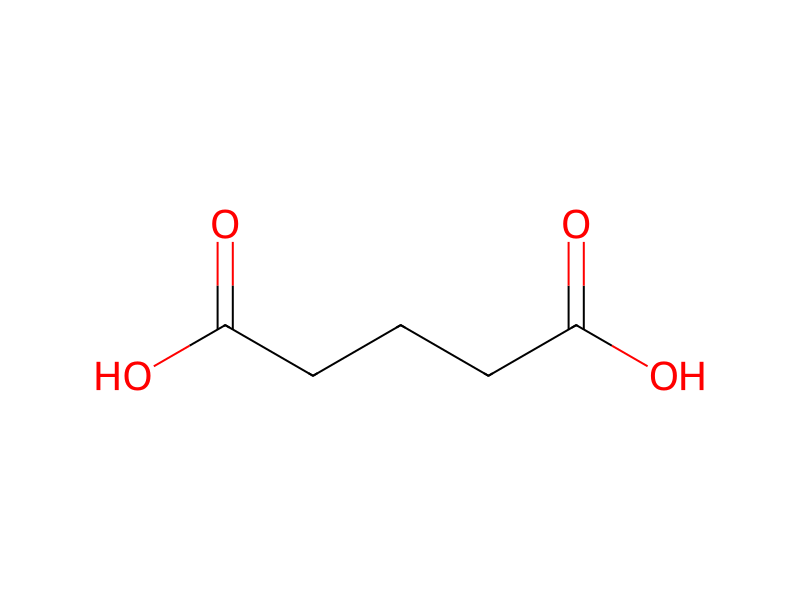
110-94-1O=C(O)CCCC(=O)OJFCQEDHGNNZCLN-UHFFFAOYSA-NGlutaric acid appears as colorless crystals or white solid. (NTP, 1992)
110-94-1DTXSID2021654CHEMBL1162495CHEBI:17859-0.29
-0.47/-0.08 (calculated)
-0.29
1.424 at 77 °F (NTP, 1992) - Denser than water; will sink
1.429 @ 15 °C/4 °C
1.4 g/cm³
LARGE, MONOCLINIC PRISMS
COLORLESS CRYSTALS
greater than or equal to 100 mg/mL at 70 °F (NTP, 1992)
SOLUBILITY IN WATER (G/L): @ 0 DEG: 429; @ 20 DEG: 639; @ 50 DEG: 957; @ 65 DEG: 1118; FREELY SOL IN ABSOLUTE ALCOHOL, ETHER; SOL IN BENZENE, CHLOROFORM; SLIGHTLY SOL IN PETROLEUM ETHER
SOL IN CONCENTRATED SULFURIC ACID
1600.0 mg/mL
Solubility in water, g/100ml at 20 °C: 63.9
576 to 579 °F at 760 mmHg (decomposes) (NTP, 1992)
200 °C @ 20 MM HG
303.00 °C. @ 760.00 mm Hg
207.5 °F (NTP, 1992)
97.5-98 °C
95.8 °C
98 °C
Safety information is for reference only and does not replace the supplier’s Safety Data Sheet (SDS), applicable regulations, or professional assessment.
This chemical does not meet GHS hazard criteria for 3.7% (13 of 350) of reports.
Danger
H314 (49.7%): Causes severe skin burns and eye damage [Danger Skin corrosion/irritation]
P260, P264, P264+P265, P280, P301+P330+P331, P302+P361+P354, P304+P340, P305+P351+P338, P305+P354+P338, P316, P317, P321, P337+P317, P363, P405, and P501 (click each P-code to see the statement)
Aggregated GHS information provided per 350 reports by companies from 11 notifications to the ECHA C&L Inventory. Each notification may be associated with multiple companies.
Chemical: Pentanedioic acid
Commission Regulation (EC) No 1565/2000 (Repealed by Com. Implementing Reg. (EU) No 872/2012)
Pentanedioic acid is listed on the EPA's Chemical Data Reporting (CDR) system. Manufacturers and importers of Pentanedioic acid are required to report information about their production and use of this chemical to the EPA under the Toxic Substances Control Act (TSCA). (40 eCFR Part 711)
REACH registered substance: Glutaric acid (EC: 203-817-2)
Glutaric acid: Does not have an individual approval but may be used under an appropriate group standard
Flash point data for this chemical are not available; however, it is probably combustible. (NTP, 1992)
Combustible.
GLUTARIC ACID is a carboxylic acid. Carboxylic acids donate hydrogen ions if a base is present to accept them. They react in this way with all bases, both organic (for example, the amines) and inorganic. Their reactions with bases, called "neutralizations", are accompanied by the evolution of substantial amounts of heat. Neutralization between an acid and a base produces water plus a salt. Carboxylic acids with six or fewer carbon atoms are freely or moderately soluble in water; those with more than six carbons are slightly soluble in water. Soluble carboxylic acid dissociate to an extent in water to yield hydrogen ions. The pH of solutions of carboxylic acids is therefore less than 7.0. Many insoluble carboxylic acids react rapidly with aqueous solutions containing a chemical base and dissolve as the neutralization generates a soluble salt. Carboxylic acids in aqueous solution and liquid or molten carboxylic acids can react with active metals to form gaseous hydrogen and a metal salt. Such reactions occur in principle for solid carboxylic acids as well, but are slow if the solid acid remains dry. Even "insoluble" carboxylic acids may absorb enough water from the air and dissolve sufficiently in it to corrode or dissolve iron, steel, and aluminum parts and containers. Carboxylic acids, like other acids, react with cyanide salts to generate gaseous hydrogen cyanide. The reaction is slower for dry, solid carboxylic acids. Insoluble carboxylic acids react with solutions of cyanides to cause the release of gaseous hydrogen cyanide. Flammable and/or toxic gases and heat are generated by the reaction of carboxylic acids with diazo compounds, dithiocarbamates, isocyanates, mercaptans, nitrides, and sulfides. Carboxylic acids, especially in aqueous solution, also react with sulfites, nitrites, thiosulfates (to give H2S and SO3), dithionites (SO2), to generate flammable and/or toxic gases and heat. Their reaction with carbonates and bicarbonates generates a harmless gas (carbon dioxide) but still heat. Like other organic compounds, carboxylic acids can be oxidized by strong oxidizing agents and reduced by strong reducing agents. These reactions generate heat. A wide variety of products is possible. Like other acids, carboxylic acids may initiate polymerization reactions; like other acids, they often catalyze (increase the rate of) chemical reactions This compound reacts with bases, oxidizing agents and reducing agents. (NTP, 1992)
Fires involving this material can be controlled with a dry chemical, carbon dioxide or Halon extinguisher. A water spray may also be used. (NTP, 1992)
Use water spray, powder.
Fresh air, rest.
Remove contaminated clothes. Rinse skin with plenty of water or shower.
First rinse with plenty of water for several minutes (remove contact lenses if easily possible), then refer for medical attention.
Rinse mouth. Give one or two glasses of water to drink. Refer for medical attention .
EYES: First check the victim for contact lenses and remove if present. Flush victim's eyes with water or normal saline solution for 20 to 30 minutes while simultaneously calling a hospital or poison control center. Do not put any ointments, oils, or medication in the victim's eyes without specific instructions from a physician. IMMEDIATELY transport the victim after flushing eyes to a hospital even if no symptoms (such as redness or irritation) develop.
SMALL SPILLS AND LEAKAGE: If you spill this chemical, you should dampen the solid spill material with water, then transfer the dampened material to a suitable container. Use absorbent paper dampened with water to pick up any remaining material. Seal your contaminated clothing and the absorbent paper in a vapor-tight plastic bag for eventual disposal. Wash all contaminated surfaces with a soap and water solution. Do not reenter the contaminated area until the Safety Officer (or other responsible person) has verified that the area has been properly cleaned.
Safe in the present practices of use and concentration. Ingredient, concentration, and use information are available in documents discoverable at https://cir-reports.cir-safety.org
Accumulation of glutaric acid in the body has been shown to be toxic. The accumulation of glutaric acid ranging from slightly or intermittently elevated urinary glutaric acid to gross organic aciduria occurs in glutaric aciduria. Glutaric aciduria type 1 is an autosomal-recessive disorder resulting from a deficiency of mitochondrial glutaryl-CoA dehydrogenase which is involved in the metabolism of lysine, hydroxylysine, and tryptophan.
Cough. Sore throat.
Redness. Pain.
Pain. Redness.
Abdominal pain.
RAT LIVER MITOCHONDRIA METABOLIZED GLUTARATE VERY SLOWLY COMPARED WITH GLUTARYL-COENZYME A (COA). GLUTARYL-COA DEHYDROGENASE, WHICH CATALYZES THE STOICHIOMETRIC CONVERSION OF GLUTARYL-COA TO 1 MOLE EACH OF CARBON DIOXIDE AND CROTONYL-COA OR ITS INTERMEDIATE METABOLITE, WAS PURIFIED APPROX 44- AND 100-FOLD FROM BOVINE LIVER AND KIDNEY MITOCHONDRIA, RESPECTIVELY. THE KM FOR GLUTARYL-COA WAS 3.3 MUM.
CIR ingredient: Glutaric Acid
Present in green sugar beets and water extracts of crude wool; [Merck Index] Used to make polymers, for biochemical research, and to treat animal diabetes; [HSDB]
IN ORGANIC SYNTHESIS
CHEM INT FOR POLYMERS, EG, POLYAMIDES & POLYESTERS
CHEM INT FOR ITS ESTERS & ANHYDRIDE
MEDICATION
(1979) No Data
(1981) No Data
(1979) No Data
(1981) No Data
2023: 25,000,000 - <40,000,000 lb
(1977) AT LEAST 4.54X10+9 GRAMS
(1981) No Data
MANUFACTURED FROM CYCLOPENTANONE BY OXIDATIVE RING FISSION WITH HOT 50% NITRIC ACID IN THE PRESENCE OF VANADIUM CYANIDE. LAB PREPN BY ACID HYDROLYSIS OF TRIMETHYLENE CYANIDE...OR OF METHYLENEDIMALONIC ESTER.
OXIDATION OF CYCLOPENTANONE WITH 50% NITRIC ACID IN THE PRESENCE OF VANADIUM PENTOXIDE OR WITH AIR IN THE PRESENCE OF A CATALYST; BY-PRODUCT IN THE PRODUCTION OF ADIPIC ACID FROM CYCLOHEXANE BY OXIDATION WITH AIR & NITRIC ACID
EPA Safer Chemical Functional Use Classes -> Processing Aids and Additives
Safer Chemical Classes -> Green circle - The chemical has been verified to be of low concern
Environmental transformation -> Pesticide transformation products (metabolite, successor)
Petroleum Lubricating Oil and Grease Manufacturing
Pentanedioic acid: ACTIVE
15,000 CU M/HR OFFGAS CONTAINING 10-15% SULFUR DIOXIDE & 0.5-2 MG H2S/CU M IS SCRUBBED IN 4 SUCCESSIVE PACKED COLUMNS @ 35 °C WITH 40-55 CU M/HR 30% AQ GLUTARIC ACID.
A COMPOSITION FOR NEUTRALIZING OR DESTROYING A SUSCEPTIBLE VIRUS ON INFECTED TISSUE OF A LIVING MAMMAL CONTAINS AN EFFECTIVE CONCN OF GLUTARIC ACID IN PHARMACEUTICAL VEHICLE AS WELL AS PAPER OR CLOTH COATED OR IMPREGNATED WITH THE VIRUCIDE.
GLUTARIC ACID MAY BE AN ESSENTIAL PRECURSOR IN THE BIOSYNTHESIS OF BIOTIN BY A SPECIES OF AGROBACTERIUM.
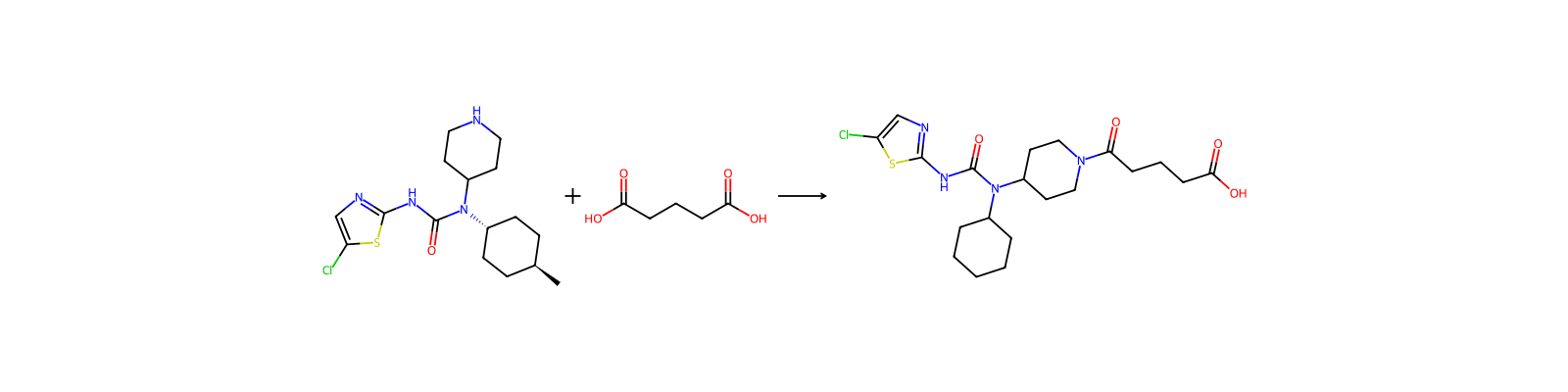
DescriptionGlutaric acid is a dicarboxylic acid with carboxylic acid functional groups at either either end of the molecular chain. The terminal carboxylic acid groups can react with primary amine groups in the presence of activators (e.g. EDC, or HATU) to form a stable amide bond.
OccurrenceGlutaric acid occurs in washings from fleece and, together with malonic acid, in the juice of unripened sugar beet.
UsesGlutaric acid is used as the raw material for organic synthesis, pharmaceutical intermediate and synthetic resin. It serves as a precursor in the production of polyester polyols, polyamides, ester plasticizers and corrosion inhibitors. It is useful to decrease polymer elasticity and in the synthesis surfactants and metal finishing compounds. It acts as an intermediate during the catabolism of lysine in mammals.
General DescriptionGlutaric acid appears as colorless crystals or white solid. (NTP, 1992)
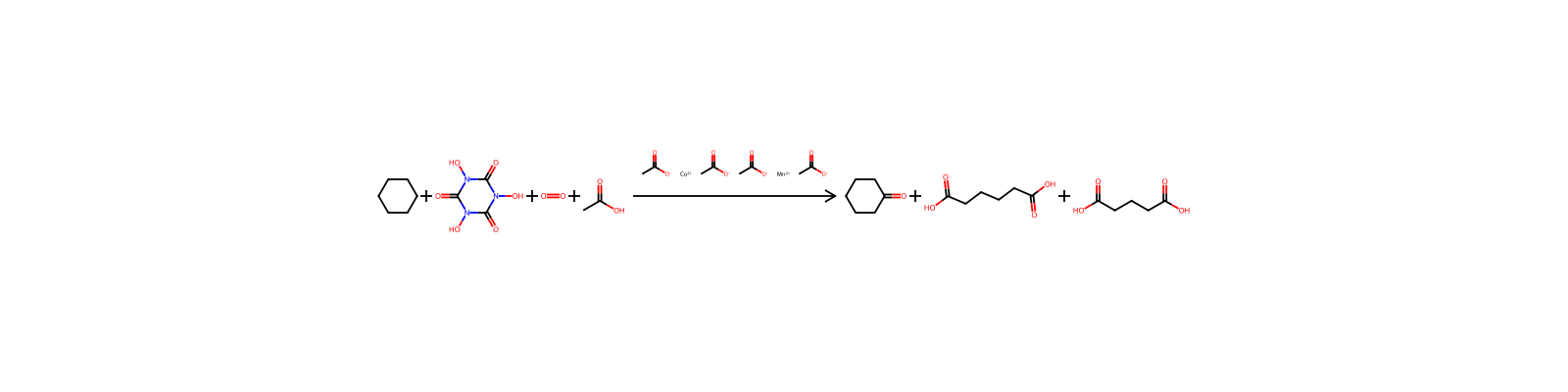
Preparationglutaric acid is produced as a by-product of the production process of adipic acid (about 2% of the output of an adipic acid plant is glutaric); Glutaric acid can be produced through various chemical routes, for example, from cyclopentane by oxidation with molecular oxygen and cobalt (III) catalysts or by ozonolysis; and from cyclopentanol–cyclopentanone by oxidation with oxygen and Co(CH3CO2)2, with potassium peroxide in benzene, or with N2O4 or nitric acid. Together with succinic acid, glutaric acid is formed as a by-product during oxidation of cyclohexanol–cyclohexanone in the adipic acid production process.
DefinitionChEBI: glutaric acid is an alpha,omega-dicarboxylic acid that is a linear five-carbon dicarboxylic acid. It has a role as a human metabolite and a Daphnia magna metabolite. It is an alpha,omega-dicarboxylic acid and a dicarboxylic fatty acid. It is a conjugate acid of a glutarate(1-) and a glutarate.