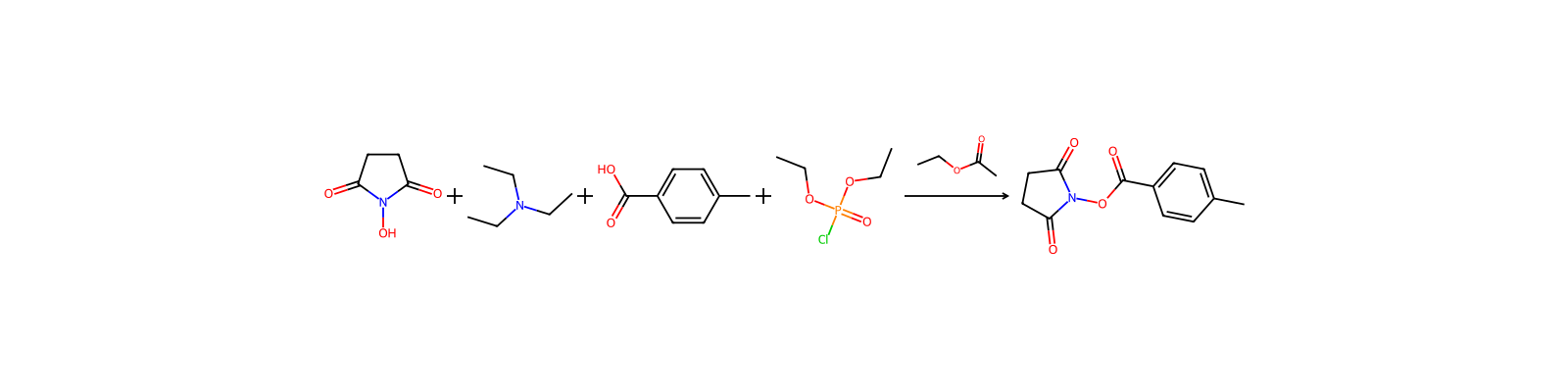
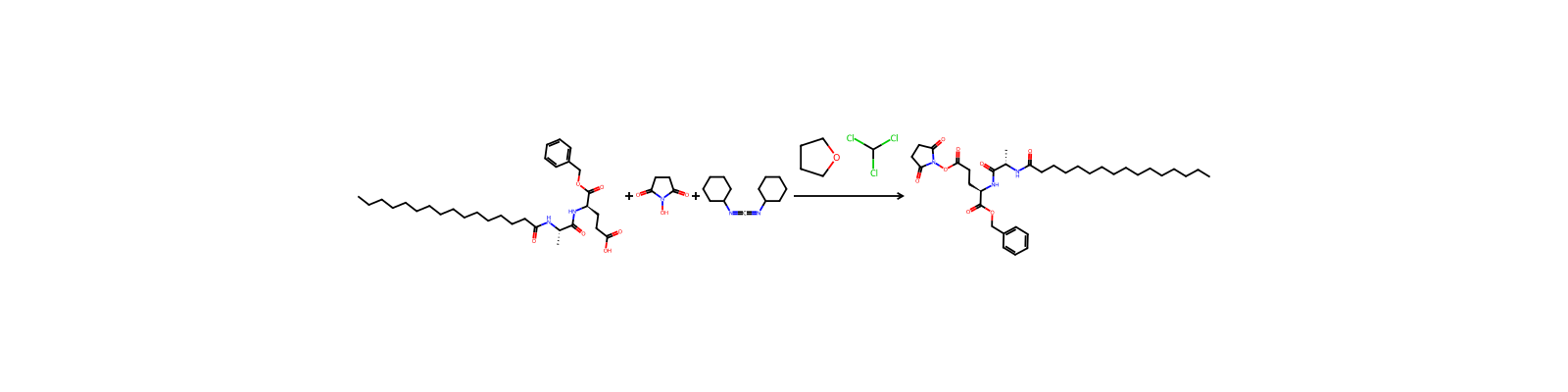
HRID 1846als Edukt
N-Hydroxysuccinimide

6066-82-6O=C1CCC(=O)N1ONQTADLQHYWFPDB-UHFFFAOYSA-Nstructure
6066-82-6DTXSID7064102CHEMBL403753Sicherheitsangaben dienen nur zur Orientierung und ersetzen weder das Sicherheitsdatenblatt (SDB) des Lieferanten noch geltende Vorschriften oder eine fachliche Bewertung.
This chemical does not meet GHS hazard criteria for 69.8% (127 of 182) of all reports.
Warning
H315 (30.2%): Causes skin irritation [Warning Skin corrosion/irritation]
P261, P264, P264+P265, P271, P280, P302+P352, P304+P340, P305+P351+P338, P319, P321, P332+P317, P337+P317, P362+P364, P403+P233, P405, and P501 (click each P-code to see the statement)
Aggregated GHS information provided per 182 reports by companies from 8 notifications to the ECHA C&L Inventory. Each notification may be associated with multiple companies.
Chemical: 2,5-Pyrrolidinedione, 1-hydroxy-
REACH registered substance: N-hydroxysuccinimide (EC: 228-001-3)
N-hydroxysuccinimide: Does not have an individual approval but may be used under an appropriate group standard
BeschreibungN-hydroxysuccinimide is a synthetic ingredient used in cosmetics as an ester to soften and condition skin. It's also a reagent, a substance used to trigger a reaction that leads to a new substance, such as peptides and polymers.N-Hydroxysuccinimide is used in cosmetics and beauty products as an ester often seen in eye creams. N-hydroxysuccinimide activates the elimination of blood originated pigments responsible for dark color and inflammation that causes under eye circles. "Infra-orbital shadows are due to the accumulation of hemoglobin and its coloured degradation products - biliverdin, bilirubin and iron - in the dermis and epidermis ... N-hydroxysuccinimide renders the iron soluble for natural elimination" (source).
VerwendenN-hydroxysuccinimide (NHS) is often used to assist carbodiimide-mediated peptide coupling by forming an active ester intermediate via condensation of the surface carboxyl group and NHS. The NHS-reactive ester intermediate is susceptible to nucleophilic attack by primary amines and results in the formation of stable amide bonds between the biomaterial surface and the N-terminus of the peptide.