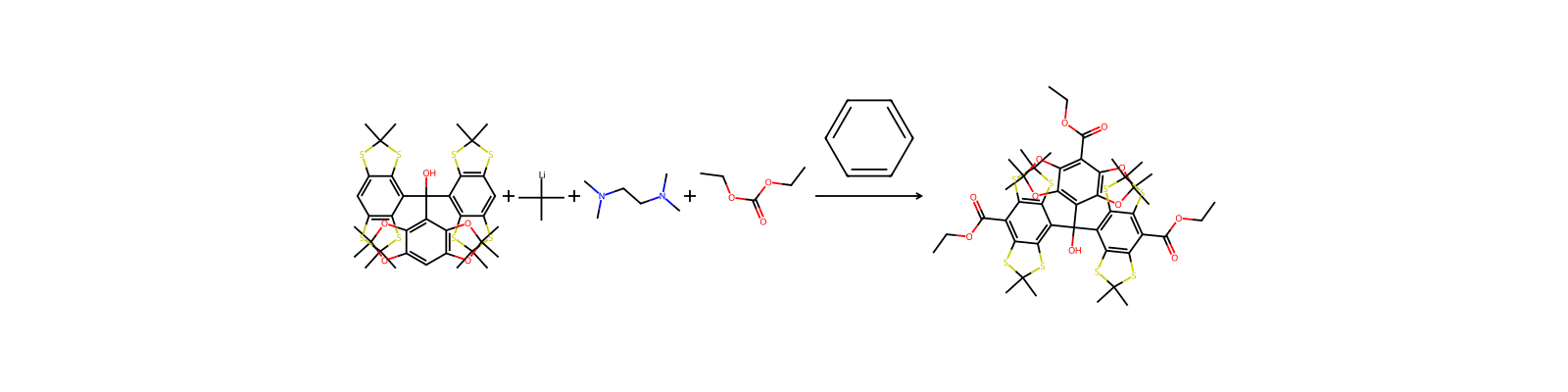
HRID 2595As reactant
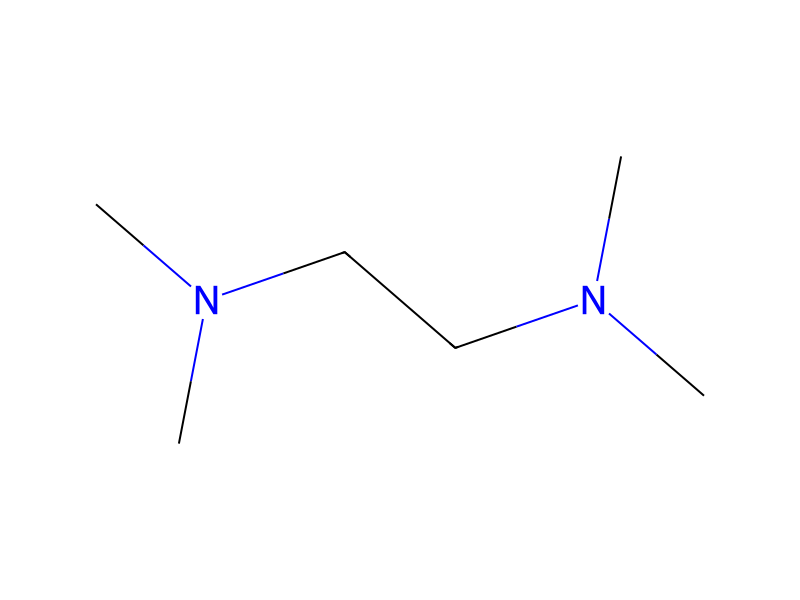
110-18-9CN(C)CCN(C)CKWYHDKDOAIKMQN-UHFFFAOYSA-N1,2-di-(dimethylamino)ethane appears as a water-white colored liquid with a fishlike odor. Flash point 68 °F. Less dense than water. Vapors heavier than air. Used to make other chemicals.
110-18-9DTXSID5026122CHEMBL3181913Nitrogen Compounds -> Amines, Aliphatic
Flammable agents - 3rd degree
log Kow= 0.30
0.3
0.7765 at 68 °F (NTP, 1992) - Less dense than water; will float
0.7765 @ 20 °C/4 °C
0.77 @25 °C
Soluble (NTP, 1992)
Sol in water and most organic solvents
250 to 252 °F at 760 mmHg (NTP, 1992)
121 °C
Safety information is for reference only and does not replace the supplier’s Safety Data Sheet (SDS), applicable regulations, or professional assessment.
Danger
H225: Highly Flammable liquid and vapor [Danger Flammable liquids]
P210, P233, P240, P241, P242, P243, P260, P261, P264, P270, P271, P280, P301+P317, P301+P330+P331, P302+P361+P354, P303+P361+P353, P304+P340, P305+P354+P338, P316, P317, P321, P330, P363, P370+P378, P403+P235, P405, and P501 (click each P-code to see the statement)
Danger
H225 (100%): Highly Flammable liquid and vapor [Danger Flammable liquids]
P210, P233, P240, P241, P242, P243, P260, P261, P264, P264+P265, P270, P271, P273, P280, P301+P317, P301+P330+P331, P302+P361+P354, P303+P361+P353, P304+P340, P305+P354+P338, P316, P317, P321, P330, P363, P370+P378, P391, P403+P233, P403+P235, P405, and P501 (click each P-code to see the statement)
Chemical: 1,2-Ethanediamine, N,N,N',N'-tetramethyl-
1,2-Ethanediamine, N1,N1,N2,N2-tetramethyl- is listed on the EPA's Chemical Data Reporting (CDR) system. Manufacturers and importers of 1,2-Ethanediamine, N1,N1,N2,N2-tetramethyl- are required to report information about their production and use of this chemical to the EPA under the Toxic Substances Control Act (TSCA). (40 eCFR Part 711)
REACH registered substance: N,N,N',N'-tetramethylethylenediamine (EC: 203-744-6)
1,2-Ethanediamine, N,N,N',N'-tetramethyl-: HSNO Approval: HSR001080 Approved with controls
The New Jersey Worker and Community Right to Know Act requires public and private employers to provide information about hazardous substances at their workplaces. (N.J.S.A. 34:5A-1 et. seq.)
Used to make epoxy curing agents, polyurethane, and quaternary ammonium compounds; Also used in textile finishing agents, as a corrosion inhibitor, acrylamide polymerization catalyst, and reagent; [HSDB] Used as polymerization accelerator in gel electrophoresis, a solvent, and an oxidizing reagent; [Merck Index]
Plastic Composites Manufacturing [Category: Industry]
Preparation of epoxy curing agents; polyurethane formation; corrosion inhibitor; textile finishing agents; intermediate for quaternary ammonium compounds
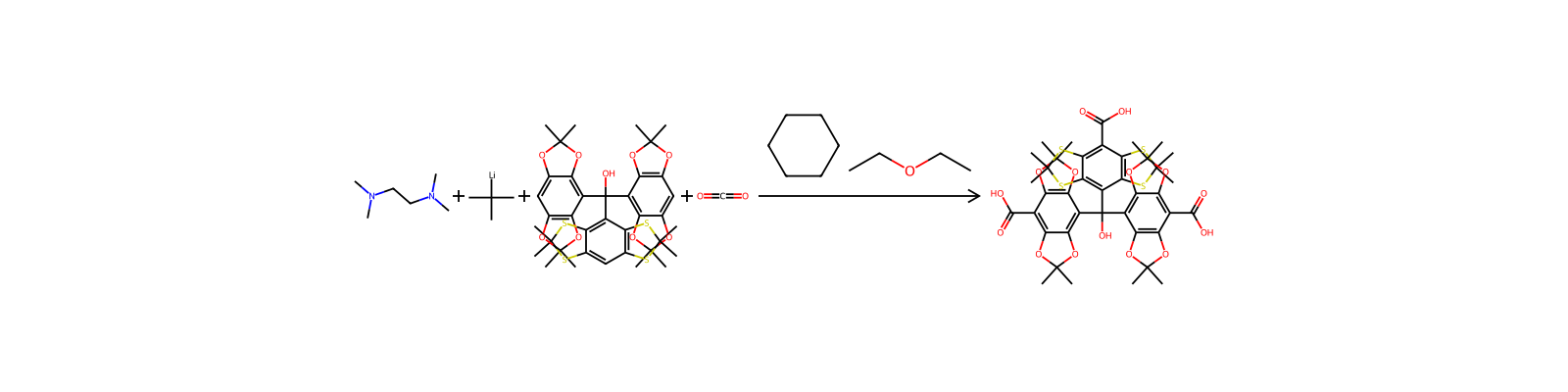
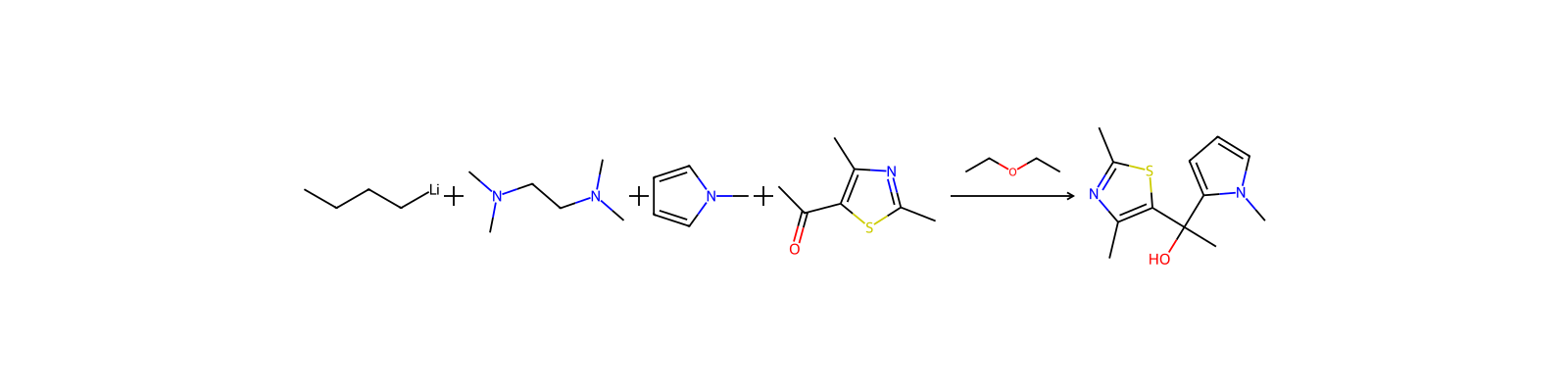
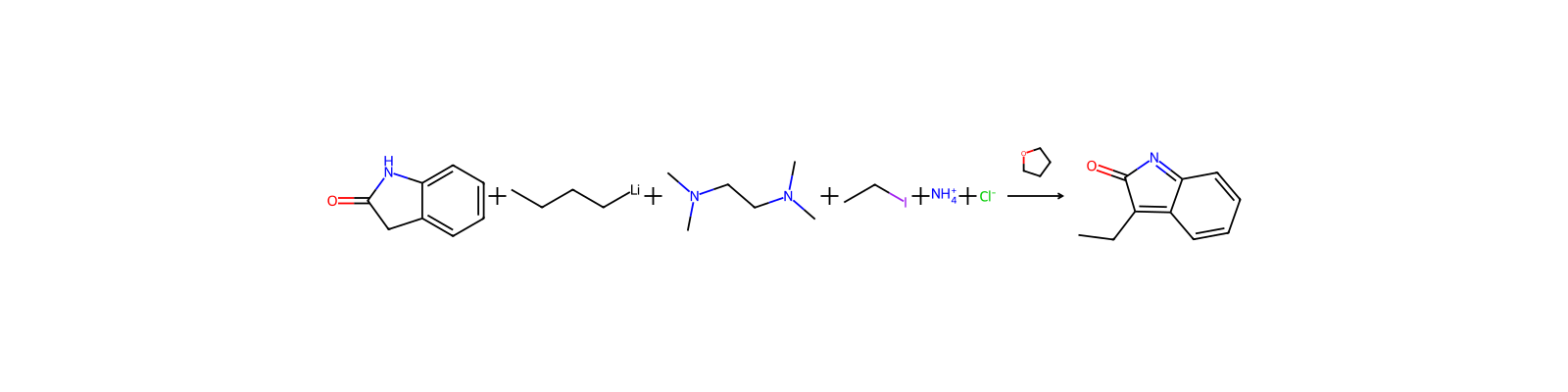
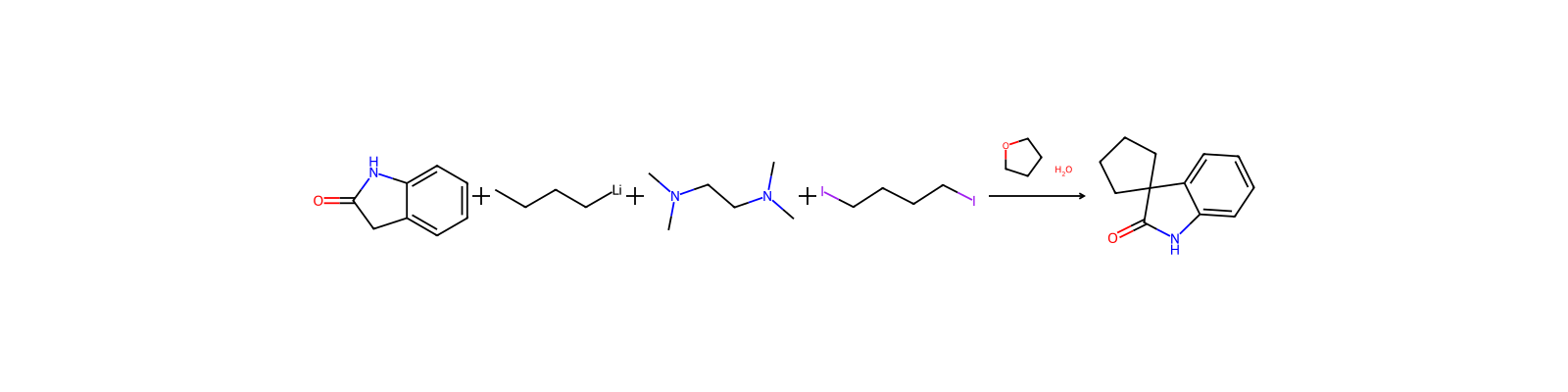
Acrylamide polymerization catalyst; reagent (organolithium compound formation)
Miscellaneous Manufacturing
1,2-Ethanediamine, N1,N1,N2,N2-tetramethyl-: ACTIVE
UsesN,N,N',N'-Tetramethylethylenediamine is used as polymerization accelerator in gel electrophoresis, solvent and oxidizing reagent. It is also used for the separation of proteins or nucleic acids. Further, it is employed as a ligand for metal ions like zinc and copper. It is actively involved in the formation of anionic organometallic complex.
General Description1,2-di-(dimethylamino)ethane appears as a water-white colored liquid with a fishlike odor. Flash point 68 °F. Less dense than water. Vapors heavier than air. Used to make other chemicals.
CHEBI:32850-67.2 °F (NTP, 1992)
FP: -55 °C
-55 °C
Emergency treatment: Irritants; [HSDB] Corrosive to skin and eyes, based on animal studies; [CHEMINFO] Highly flammable; Can cause burns; [eChemPortal: ESIS] Necrosis observed 14 days following three minute exposure to rabbit skin; Severe eye irritant in rabbits; Lesions of the brain observed in oral lethal-dose study of rats; No evidence of mutagenicity; [EPA HPVIS] Causes burns; Toxic by ingestion; May be absorbed through skin; If inhaled may cause corrosive effects to upper respiratory tract and lungs; [Aldrich MSDS]
1,2-DI-(DIMETHYLAMINO)ETHANE neutralizes acids in exothermic reactions to form salts plus water. May be incompatible with isocyanates, halogenated organics, peroxides, phenols (acidic), epoxides, anhydrides, and acid halides. Flammable gaseous hydrogen may be generated in combination with strong reducing agents, such as hydrides.
1,2-Di-(dimethylamino)ethane
UN2372
Class 3 Flammable and combustible liquid (49 eCFR § 173.120)
PG II: the degree of danger presented by the material is medium
Flam. Liq. 2 (100%)
Flammable liquid - category 2
Flammable liquids - Category 2
Flammable agents - 3rd degree
Flam. Liq. 2
EYES: First check the victim for contact lenses and remove if present. Flush victim's eyes with water or normal saline solution for 20 to 30 minutes while simultaneously calling a hospital or poison control center. Do not put any ointments, oils, or medication in the victim's eyes without specific instructions from a physician. IMMEDIATELY transport the victim after flushing eyes to a hospital even if no symptoms (such as redness or irritation) develop.
SRP: At the time of review, criteria for land treatment or burial (sanitary landfill) disposal practices are subject to significant revision. Prior to implementing land disposal of waste residue (including waste sludge), consult with environmental regulatory agencies for guidance on acceptable disposal practices.
SRP: The scientific literature for the use of contact lenses in industry is conflicting. The benefit or detrimental effects of wearing contact lenses depend not only upon the substance, but also on factors including the form of the substance, characteristics and duration of the exposure, the uses of other eye protection equipment, and the hygiene of the lenses. However, there may be individual substances whose irritating or corrosive properties are such that the wearing of contact lenses would be harmful to the eye. In those specific cases, contact lenses should not be worn. In any event, the usual eye protection equipment should be worn even when contact lenses are in place.
0.88 [ppm]
9.7 [ppm]
58 [ppm]
N,N,N',N'-Tetramethylethylenediamine (CAS # 110-18-9) was evaluated for acute oral toxicity in groups of fasted female Sprague-Dawley albino rats (5/group) administered single 1 mL doses via oral gavage of 250, 354, 421, and 500 mg/kg bodyweight as 2.5-5.0% aqueous dilutions. A comparison group of 5 male rats also received single doses of 500 mg/kg. The oral LD50 (female rats) based on 4/5 lethalities and a 14-day observation period was calculated by the moving average method to be 469 mg/kg (95% confidence limits, 435-505 mg/kg). A solitary male rat also died on the day it was administered a dose of 500 mg/kg. Transient weight loss and emaciation were observed in the sole surviving female of a high dose while weight was mostly static among females of the 250 mg/kg group; all other treated females showed consistent weight gain. Clinical signs of toxicity included tremors (intermittent and/or marked), myoclonic jerking, straub tail, diarrhea, sluggishness, red tearing or lacrimation, abnormal gait, piloerection, aggressive behavior on handling, biting, red staining and alopecia of perinasal and periocular fur, brown staining of perineal fur, blood in the urine, sloughing of tail, salivation, hyperactivity and unkempt appearance. Signs of potential neurotoxic effects were observed at all dose levels, with all treated females except 4 low dose females exhibiting intermittent tremors. Most of the surviving rats had recovered from the apparent effects within 2.5 hours to 2 days after treatment. Upon necropsy, high dose female decedents exhibited liquid-filled, gray, brown and/or deep red hemorrhagic intestine and/or stomach; red and/or mottled lungs; dark red livers; kidneys with dark regions. Females surviving a 500 mg/kg dose and 14-day post-gavage observation exhibited tan stomach (1/5) and duodenum (1/5), and gas-filled intestine (2/5). Microscopic examination of tissues from the brain, spinal cord, sciatic nerve, kidneys and urinary bladder of 2-3 animals from each treatment group revealed lesions of the tubular kidney which the authors did not attribute to treatment.
N,N,N',N'-Tetramethylethylenediamine (CAS # 110-18-9) was evaluated for acute inhalation toxicity in Sprague-Dawley albino rats (5/sex/group) administered single 6-hour, 3-hour or 1.5-hour whole body exposures to a substantially saturated vapor, which was generated by enclosure of a 130 g sample in the sealed 120 L animal chamber under static conditions for 15 to 18 hours. During the exposures, a mixing fan agitated the chamber air periodically and oxygen was added to maintain a concentration of approximately 20%; the ambient vapor concentration in the chamber was not monitored. An LT50 was 2.12 hours for both male and female rats exposed once to a substantially saturated vapor. Upon 7- and 14-day post-treatment evaluations, all surviving animals but one male of a 6-hour exposure exhibited a weight gain. Clinical signs of toxicity included abnormal respiration, tremors, ocular opacity, unkempt appearance, wetness of perinasal and perioral fur, wetness and red encrustation of periocular areas, and dark brown and red staining of perioral, perinasal and/or periocular areas. Upon necropsy, the decedent animals exhibited hemorrhagic brains, red or pink lungs, lungs with dark red foci, dark red pituitary glands, ulcerated front feet, and dark red foci, discoloration or mottling of the thymus. Ocular opacity, corneal ulceration, dark red foci of the lungs, pink foci of the thymic region, epididymal abscess, penile abscess, alopecia, and 1 liver anomaly characterized the gross pathology in the study survivors.
N,N,N',N'-Tetramethylethylenediamine (CAS # 110-18-9) was evaluated for acute dermal toxicity in female New Zealand white rabbits (5/group) administered single occluded applications of 1.0, 1.4, and 2.0 g/kg, dosed (as received) upon the clipped skin of the dorsal trunk for 24 hours. A group of 3 male rabbits also received single 24-hour dermal applications of 2.0 g/kg for comparison. The amount of sample/dose area ranged from 32 mg/cm2 to 54 mg/cm2. The dermal LD50 (female rats) based on 4/5 lethalities and a 14-day observation period was calculated to be 1.75 g/kg (95% confidence limits, 1.50-2.04 g/kg). All 3 males died on the day following administration of a 2.0 g/kg dose. Application sites were stained yellow to brown and skin reactions included erythema, edema, necrosis, ulceration, fissuring, scabs and alopecia. Clinical signs of systemic toxicity included prostration, lacrimation, wet perioral and perinasal fur, diarrhea, and emaciation. Generalized weight loss, evident in most animals by day 7, was partially recovered by the 14th day. Among the decedent rabbits, dark red patches or general coloration of the lungs, dark red trachea, and enlarged and/or dark red-marked thymus characterized the findings on necropsy. The survivors exhibited no gross pathology, although trace hematuria was noted in one surviving female.
N,N,N',N'-Tetramethylethylenediamine (CAS # 110-18-9) was evaluated for dermal irritation in New Zealand white rabbits administered dermal applications of the undiluted substance for contact periods of graduated duration. Groups of 6 (3/sex), 2 male and 2 male rabbits each were dosed upon the non-abraded clipped skin of the dorsal trunk with 0.5 mL semi-occluded applications for 3 minutes, 1 hour and 6 hours, respectively. Evaluations for signs of irritation were conducted at 1, 24, 48, and 72 hours and at 7 and 14 days after the end of the contact period and removal of the gauze patch with any residual test material. Moderate erythema and edema, apparent in all animals following removal of both the 1- and 4-hour applications, had worsened to full-thickness necrosis (2/2) and ecchymoses (1/2) after a 4-hour application and to superficial necrosis (1/2), ulceration (1/2) and ecchymoses (1/2) 1 hour after a 1-hour application. Upon 24-hour evaluation, both rabbits in the 1-hour exposure group also exhibited full-thickness necrosis. The necrosis persisted to Day 14 in this group and in the 2 rabbits of the 4-hour exposures. Scabs, desquamation and alopecia were also noted in both groups on the 14th and final day of observation. A 3-minute application of 0.5 mL produced slight to moderate erythema and edema in 6/6 and 4/6 rabbits respectively at 1 hour and 1 day post-treatment; by post-treatment day 7, all treated animals appeared normal.
For more TSCA Test Submissions (Complete) data for N,N,N',N'-TETRAMETHYL-1,2-ETHANEDIAMINE (7 total), please visit the HSDB record page.
Some behavioral reactions, adhesion, attachment and contractility of young blue mussels Mytilus edulis and the larvae of hydroids Dynarnena pumila and Obelia loveni were studied. The negative chemotaxis of these invertebrates to bacterial repellents, both benzoic acid and N,N,N',N'-tetramethylethylendiamin, was demonstrated. All substances used suppressed reversibly the motility of hydroid larvae. Benzoic acid and N,N,N',N'-tetramethylendiamin effectively suppressed the temporary attachment of these larvae. In solutions of all used substances mussels were alive at least throughout two days.
N,N,N',N'-TETRAMETHYL-1,2-ETHANEDIAMINE DID NOT AFFECT THE FERTILITY OF EGGS PRODUCED BY FEMALE QUAIL AFTER THEIR MATES WERE GIVEN A SINGLE ORAL DOSE AT ABOUT 50% OF THE ESTIMATED LD50 VALUE.
N,N,N',N'-Tetramethylethylenediamine (TMED) was tested for mutagenicity in Salmonella/microsome preincubation assay using a protocol approved by the National Toxicology Program. TMED was tested over a wide range of doses (0, 100, 333, 1000, 3333, and 10,000 ug/plate) in four Salmonella typhimurium strains (TA98, TA100, TA1535, and TA1537) in the presence and absence of Aroclor-induced rat or hamster liver S9. TMED was negative in these tests and the highest ineffective dose level tested (not causing clearing of the background lawn) in any Salmonella tester strain was 3333 ug/plate.
LD50 Rat oral 1580 mg/kg
LD50 Rabbit skin 5390 mg/kg
DefinitionChEBI: N,N,N',N'-tetramethylethylenediamine is an ethylenediamine derivative in which each nitrogen carries two methyl substituents. It is widely employed both as a ligand for metal ions and as a catalyst in organic polymerisation. It has a role as a chelator and a catalyst.