
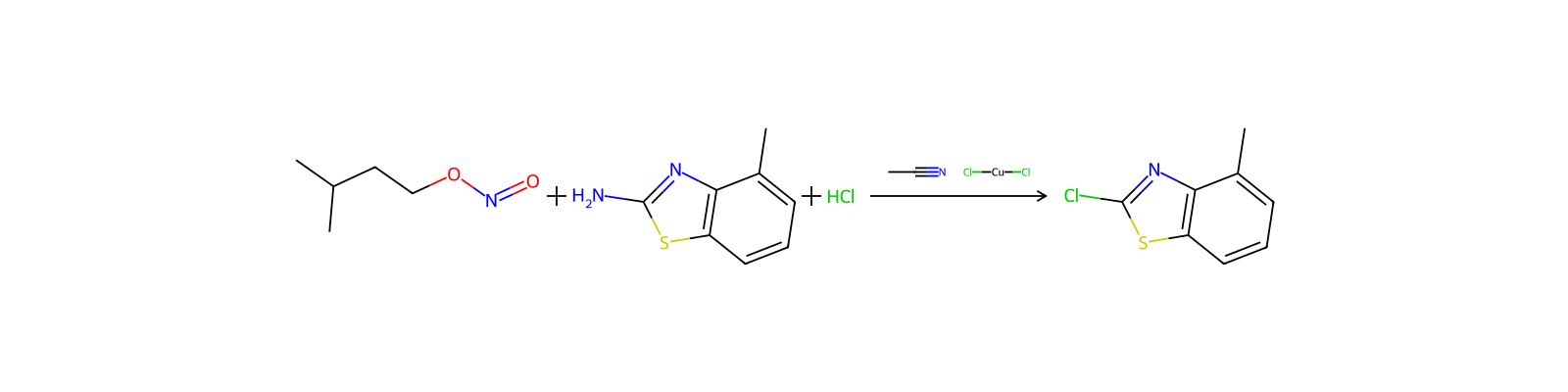
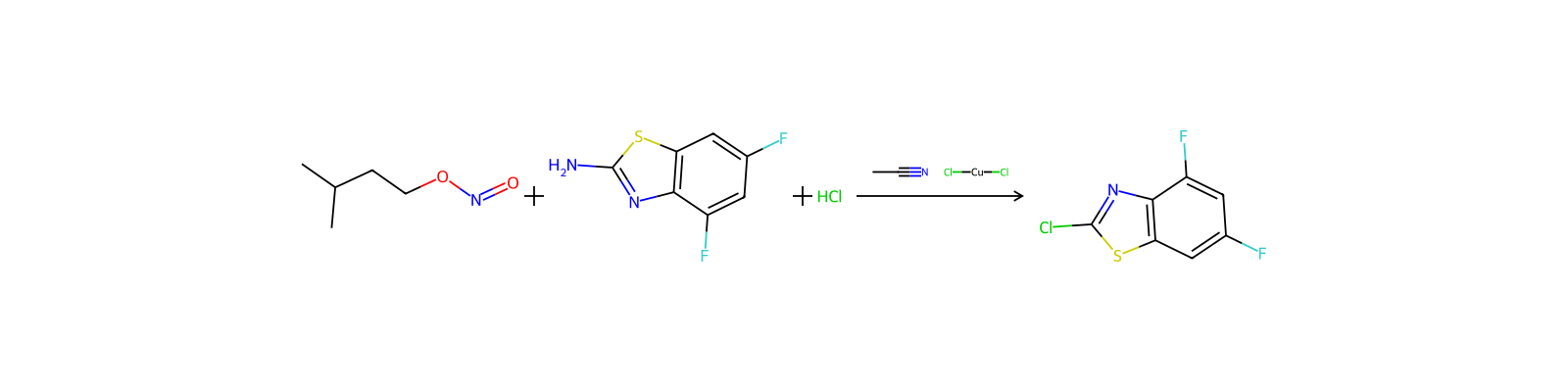
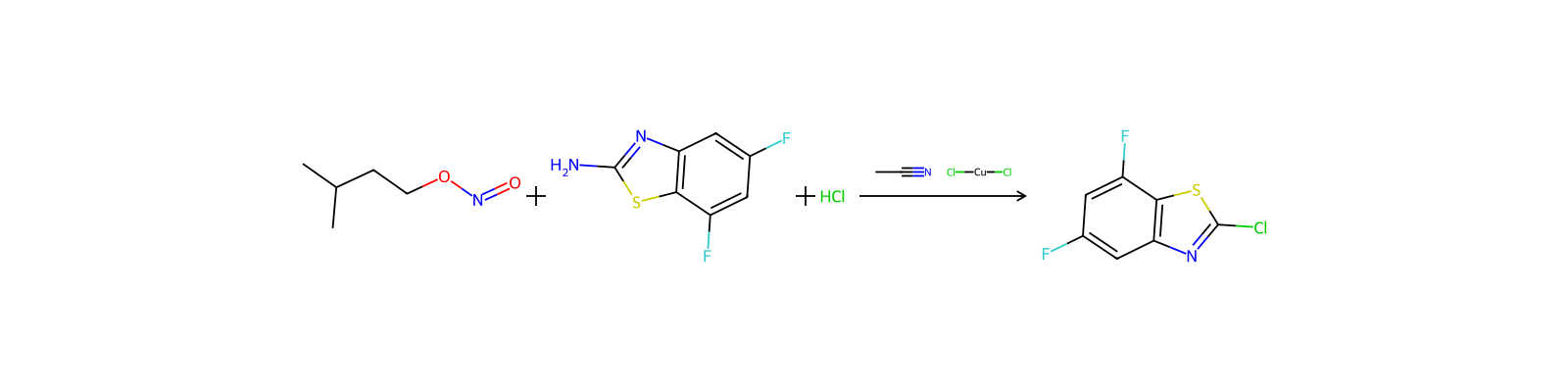
HRID 1607As reactant
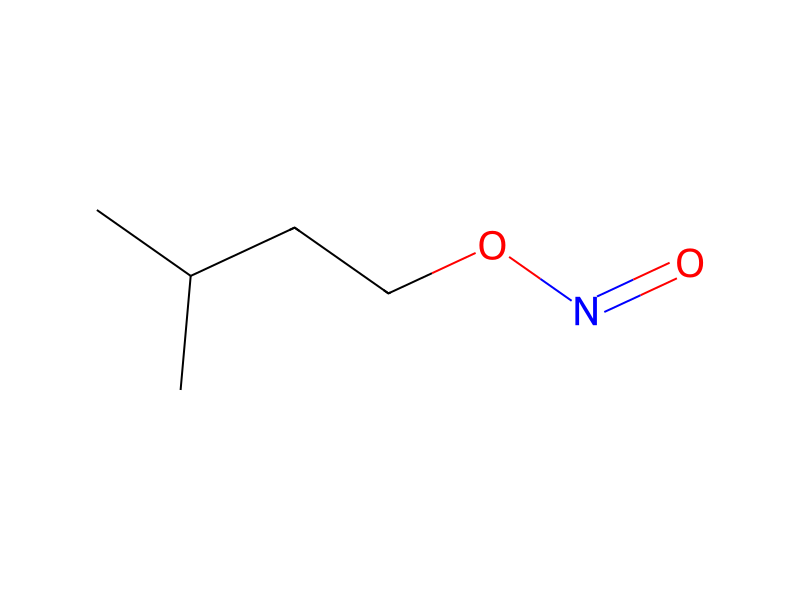
110-46-3CC(C)CCON=OOWFXIOWLTKNBAP-UHFFFAOYSA-NIsoamyl nitrite is a clear yellow liquid. (NTP, 1992)
110-46-3、8017-89-8DTXSID9025455CHEMBL1535371CHEBI:2691Nitrogen Compounds -> Nitrates and Nitrites
Flammable agents - 3rd degree
0.8528 at 68 °F (NTP, 1992) - Less dense than water; will float
0.875 @ 25 °C
Relative density (water = 1): 0.875
0.8828 @ 20°C
less than 0.1 mg/mL at 64 °F (NTP, 1992)
MISCIBLE WITH ETHER, ALCOHOL, CHLOROFORM
Very slightly soluble in water
Solubility in water: none
less than 69 °F (NTP, 1992)
3 °C
Safety information is for reference only and does not replace the supplier’s Safety Data Sheet (SDS), applicable regulations, or professional assessment.
Danger
H225: Highly Flammable liquid and vapor [Danger Flammable liquids]
P210, P233, P240, P241, P242, P243, P261, P264, P270, P271, P280, P301+P317, P303+P361+P353, P304+P340, P317, P330, P370+P378, P403+P235, and P501 (click each P-code to see the statement)
Danger
H225 (100%): Highly Flammable liquid and vapor [Danger Flammable liquids]
P203, P210, P233, P240, P241, P242, P243, P260, P261, P264, P264+P265, P270, P271, P272, P280, P301+P317, P301+P330+P331, P302+P352, P302+P361+P354, P303+P361+P353, P304+P340, P305+P354+P338, P316, P317, P318, P321, P330, P333+P317, P362+P364, P363, P370+P378, P403+P235, P405, and P501 (click each P-code to see the statement)
REACH registered substance: ''amyl nitrite'', mixed isomers (EC: 203-770-8)
Nitrous acid, 3-methylbutyl ester: HSNO Approval: HSR001086 Approved with controls
The New Jersey Worker and Community Right to Know Act requires public and private employers to provide information about hazardous substances at their workplaces. (N.J.S.A. 34:5A-1 et. seq.)
This chemical is flammable. (NTP, 1992)
· HIGHLY FLAMMABLE: Will be easily ignited by heat, sparks or flames.
Highly flammable. Many reactions may cause fire or explosion. Heating will cause rise in pressure with risk of bursting. Vapour/air mixtures are explosive.
V - Various
QV - Various
Amyl nitrite, in common with other alkyl nitrites, is a potent vasodilator. It expands blood vessels, resulting in lowering of the blood pressure. Alkyl nitrite functions as a source of nitric oxide, which signals for relaxation of the involuntary muscles. Adverse effects are related to this pharmacological activity and include hypotension, headache, flushing of the face, tachycardia, dizziness, and relaxation of involuntary muscles, especially the blood vessel walls and the anal sphincter.
Amyl nitrite's antianginal action is thought to be the result of a reduction in systemic and pulmonary arterial pressure (afterload) and decreased cardiac output because of peripheral vasodilation, rather than coronary artery dilation. Amyl nitrite is a source of nitric oxide, which accounts for the mechanism described above. As an antidote (to cyanide poisoning), amyl nitrite promotes formation of methemoglobin, which combines with cyanide to form nontoxic cyanmethemoglobin.
Hepatic. The drug is metabolized rapidly, probably by hydrolytic denitration; approximately one-third of the inhaled amyl nitrite is excreted in the urine.
Amyl nitrite ... probably is rapidly hydrolyzed to isoamyl alcohol and nitrite ion.
Amyl nitrite vapors are absorbed rapidly through the pulmonary alveoli, manifesting therapeutic effects within one minute after inhalation.
Amyl nitrite is readily absorbed via the respiratory tract...
Approx 1/3 of the inhaled amy nitrite is excreted in the urine.


205 to 210 °F at 760 mmHg (NTP, 1992)
99.2 °C
99.2 °C
97-99 °C
99.2 °C @760 [mm Hg]
4.0 (Air=1)
Relative vapor density (air = 1): 4.0
26.3 [mmHg]
Vapor pressure, kPa at 20 °C: 3.5
Moderate, when exposed to heat or flame or by spontaneous chemical reaction...can react with oxidizing...material.
Caution--amyl nitrite is very flammable. Do not use where it may be ignited.
SYMPTOMS: Exposure to this chemical can cause flushing of the skin, rapid pulse, headache, dizziness, weakness and a drop in blood pressure.
· May cause toxic effects if inhaled or absorbed through skin.
Flammable liquid that forms explosive mixture with air or oxygen; [Merck Index] May be absorbed through skin; Can induce methemoglobinemia; [ICSC] Inhalation of one crushable ampule produces vasodilation and a methemoglobin level of about 5%. IV administration of a single dose produces a methemoglobin level of about 15-20%. IV administration can cause hypotension and potentially fatal methemoglobinemia; [Olson, p. 592]
Fires involving this material can be controlled with a dry chemical, carbon dioxide, foam or Halon extinguisher. (NTP, 1992)
Use water spray, alcohol-resistant foam. In case of fire: keep drums, etc., cool by spraying with water. Combat fire from a sheltered position.
Artificial respiration may be needed. Refer for medical attention.
Remove contaminated clothes. Rinse and then wash skin with water and soap. Refer for medical attention .
First rinse with plenty of water for several minutes (remove contact lenses if easily possible), then refer for medical attention.
Rinse mouth. Refer for medical attention .
· CALL 911. Then call emergency response telephone number on shipping paper. If shipping paper not available or no answer, refer to appropriate telephone number listed on the inside back cover.
· ELIMINATE all ignition sources (no smoking, flares, sparks or flames) from immediate area.
EYES: First check the victim for contact lenses and remove if present. Flush victim's eyes with water or normal saline solution for 20 to 30 minutes while simultaneously calling a hospital or poison control center. Do not put any ointments, oils, or medication in the victim's eyes without specific instructions from a physician. IMMEDIATELY transport the victim after flushing eyes to a hospital even if no symptoms (such as redness or irritation) develop.
General First Aid:
Amyl nitrite inhalant should be packaged in unit-dose containers, wrapped loosely in gauze or other suitable material, and stored at 2-15 °C. A stabilizer, such as diphenylamine or epoxolol, is added to the commercially available products. The drug should be protected from light.
MATERIAL...STORED IN /COOL/ PLACES...PROVIDE ADEQUATE VENTILATION...LOCATE STORAGE AREA...AWAY FROM AREAS OF FIRE HAZARD... HIGHLY FLAMMABLE IE REDUCING OR EASILY OXIDIZED MATERIALS MUST BE KEPT APART FROM...OXIDIZING AGENTS, MATERIALS...SUSCEPTIBLE TO SPONTANEOUS HEATING...
SMALL SPILLS AND LEAKAGE: If you spill this chemical, use absorbent paper to pick up all liquid spill material. Your contaminated clothing and absorbent paper should be sealed in a vapor-tight plastic bag for eventual disposal. Solvent wash all contaminated surfaces with alcohol followed by washing with a strong soap and water solution. Do not reenter the contaminated area until the Safety Officer (or other responsible person) has verified that the area has been properly cleaned.
SRP: At the time of review, criteria for land treatment or burial (sanitary landfill) disposal practices are subject to significant revision. Prior to implementing land disposal of waste residue (including waste sludge), consult with environmental regulatory agencies for guidance on acceptable disposal practices.
Evacuate danger area! Consult an expert! Personal protection: chemical protection suit including self-contained breathing apparatus. Ventilation. Remove all ignition sources. Collect leaking and spilled liquid in sealable containers as far as possible. Absorb remaining liquid in sand or inert absorbent. Then store and dispose of according to local regulations. Do NOT wash away into sewer.
Excerpt from ERG Guide 128 [Flammable Liquids (Water-Immiscible)]:
Immediate precautionary measure
Blue lips, fingernails and skin. Confusion. Convulsions. Dizziness. Headache. Sweating. Nausea. Unconsciousness. Vomiting. Flushing of the face. Symptoms may be delayed.
MAY BE ABSORBED!
See Inhalation.
/HUMAN EXPOSURE STUDIES/ Adverse effects from nitrate and nitrite overdosage are extensions of the pharmacologic action of the drugs, namely the capacity to induce vasodilation, venous pooling, reduced cardiac output, and hypotension. Nitrate and nitrite overdosage may result in severe hypotension, tachycardia, bradycardia, heart-block, palpitation, death secondary to circulatory collapse, confusion, fever, syncope (especially in upright posture), persistent throbbing headache, visual disturbances, increased intracranial pressure, paralysis, and coma followed by seizures, flushing and diaphoresis, cold and clammy skin, nausea and vomiting, colic and diarrhea, dyspnea, and methemoglobinemia. /Nitrates and nitrites/
/HUMAN EXPOSURE STUDIES/ Heart rate responses to inhalation of amyl nitrite by patient during acute adrenergic beta blockade with iv propranolol varied greatly from patient to patient but because of its marked hypotensive effect it proved to be very potent stimulus for heart rate incr.
/LABORATORY ANIMALS: Acute Exposure/ Inhalation of small amt of vapor causes ...in some... animals slight momentary rise in intraocular pressure.
/LABORATORY ANIMALS: Acute Exposure/ Liq amyl nitrite tested on normal rabbit eyes causes only slight superficial injury.
/GENOTOXICITY/ Isoamyl nitrite was found to be positive when tested for mutagenicity using the Salmonella/microsome preincubation assay, using the standard protocol approved by the National Toxicology Program (NTP). Isoamyl nitrite was tested in as many as 5 Salmonella typhimurium strains (TA1535, TA1537, TA97, TA98, and TA100) in the presence and absence of rat and hamster liver S-9, at doses of 0.010, 0.033, 0.100, 0.333, 1.000, 3.333, and 6.666 mg/plate. The lowest positive dose tested in any S. typhimurium strain was 0.100 mg/plate in strain TA1535 with 10% rat liver S-9. Slight to total clearing of the background bacterial lawn was exhibited in cultures containing the two highest doses.
Emergency and supportive measures: Maintain an open airway and assist ventilation if necessary. Administer supplemental oxygen. Treat hypotension with supine positioning. Intravenous crystalloid fluids, and low-dose pressors if needed. Monitor vital signs and ECG for 4-6 hours. /Nitrates and nitrites/
Specific drugs and antidotes: Symptomatic methemoglobinemia may be treated with methylene blue. /Nitrates and nitrites/
Decontamination: Inhalation: Remove victims from exposure and administer supplemental oxygen if available. Skin and eyes: Remove contaminated clothing and wash with copious soap and water. Irrigate exposed eyes with water or saline. Ingestion: Prehospital: Administer activated charcoal if available. Hospital: Administer activated charcoal. Gastric emptying is not necessary for small ingestions if activated charcoal can be given promptly. /Nitrates and nitrites/
Enhanced elimination: Hemodialysis and hemoperfusion are not effective. Severe methemoglobinemia in infants not responsive to methylene blue therapy may require exchange transfusion. /Nitrates and nitrites/
Used in perfumes and to make diazonium compounds; Also used as a drug (vasodilator for angina and antidote for hydrogen cyanide poisoning); [HSDB]
Used in perfumes; preparation of diazonium compounds
Used as a vasodilator in angina therapy in the treatment of hydrogen cyanide and hydrogen sulfide poisonings, and as an industrial chemical and perfume scent
MEDICATION
MEDICATION (VET)
(1972) No Data
(1975) No Data
(1986) No Data
(1972) No Data
(1975) No Data
(1986) No Data
(1972) PROBABLY GREATER THAN 4.54X10+5 GRAMS
(1975) PROBABLY GREATER THAN 4.54X10+5 GRAMS
(1986) No Data
Reaction of isoamyl alcohol and nitrous acid.
Prepared by nitrosation of isopentyl alcohol ... .
LIQ IN 0.18 & 0.3 ML CONTAINERS. DRUG MARKETED UNDER GENERIC NAME.
Grades: NF (75% min); technical
Usually a mixture of isomers
Nitrous acid, 3-methylbutyl ester: ACTIVE
Incompatibilities: alcohol, antipyrine, caustic alkalies, alkaline carbonates, potassium iodide, bromides, ferrous salts.
UsesIt is used in synthesizing perfumes, drugs and diazo compounds. It can be used as an oxidizing agent, solvent. Isobutyl nitrite ester is a drug that is the the fastest short-acting nitrates vasodilator. It is also used as hydrocyanic acid and its salts poisoning antidote.Vasodilators, for the treatment of angina pectoris, also it is used for cyanide poisoning; it is used in synthesizing perfumes, drugs and diazo compounds. It can be used as an oxidizing agent, solvent.
DescriptionAmyl nitrite had been used clinically as early as 1867, when the Scottish physician Sir Thomas Brunton used it as a vasodilator as treatment for angina pectoris in his patients. In the late 1880s, a protective effect on cyanide toxicity in canines was noted when amyl nitrite was inhaled postexposure. Amyl nitrite has been used clinically in a multicomponent cyanide antidote kit and is also a recreational drug of abuse (‘poppers’).
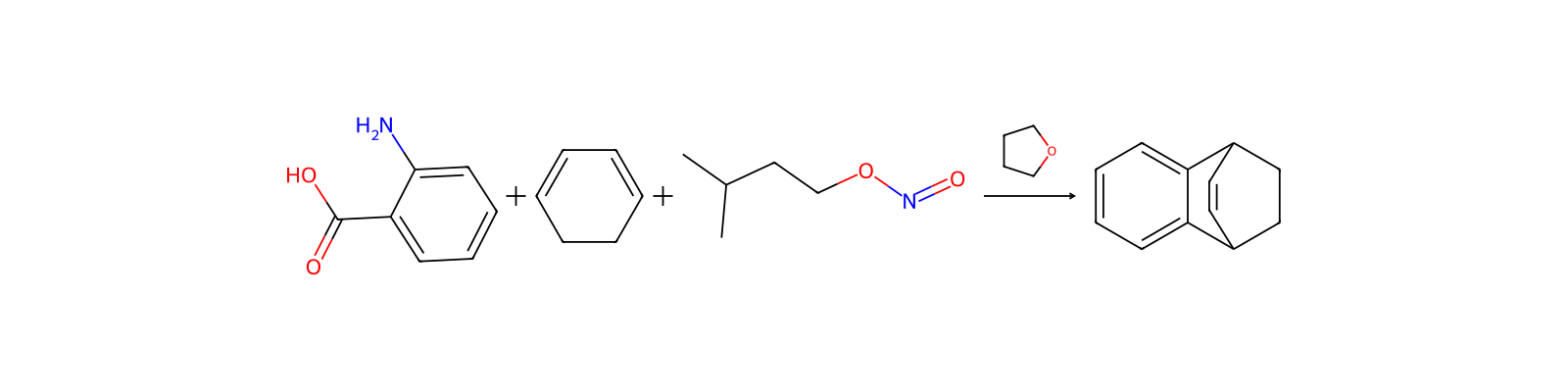
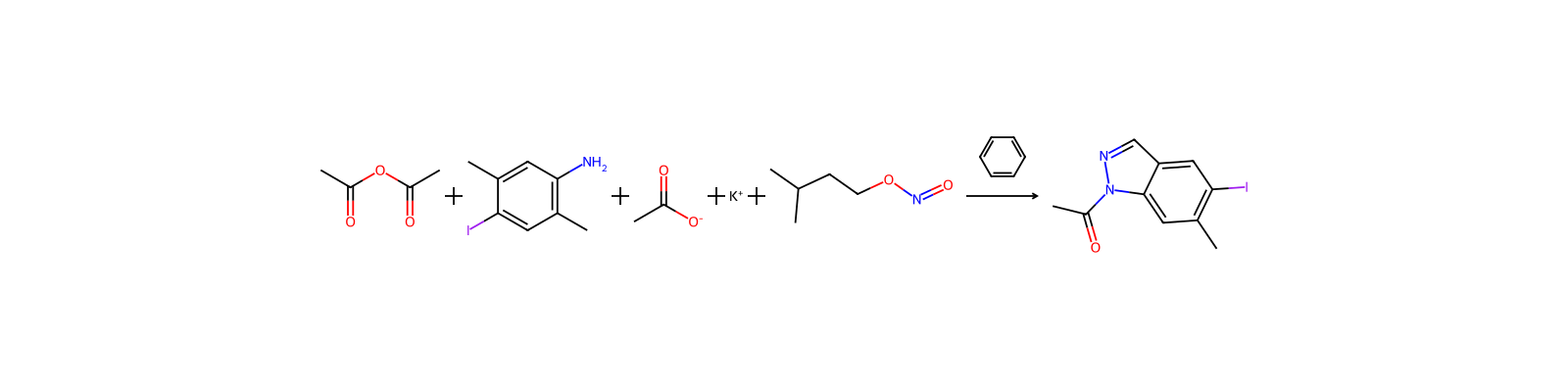
UsesIsopentyl nitrite is used in the conversion of 2,6-disubstituted phenols to diphenoquinones and aminophenols to quinone diazides. It acts as an oxidant and nitrosating agent. It finds application in aromatic arylation, deamination of arylamines using tetrahydrofuran as a hydrogen donor. It is also useful for the preparation of benzyne using anthranilic acid. It is an antihypertensive and vasodilator to treat heart diseases such as angina and an antidote for cyanide poisoning. Further, it is used as a solvent and cleaning agent for a printed circuit board. In addition to this, it is considered to be a replacement for freon.
UsesIsoamyl nitrite is a light yellow, transparent liquid with a pleasant, fragrant, fruity odor. Amyl nitrite was introduced to medicine in 1859 and has been under considerable pharmacological investigation since that time. Its major use was for treating angina pectoris through its vasodilative effect on the coronary arteries. However, this effect is transient, and nitroglycerin and longer acting nitrates have largely replaced it. Amyl nitrite has been most helpful in clarifying the differential diagnosis of murmurs. For example, left ventricular outflowobstruction increases followingamyl nitrite administration. Mitral regurgitation decreases following amyl nitrite as does the apical diastolic rumble of mitral stenosis. The Austin–Flint rumble decreases followingamyl nitrite as does a ventricular septal defect and acyanotic tetralogy of Fallot. Pulmonic stenosis increases as does isolated valvular pulmonary stenosis following amyl nitrite. Isoamyl nitrite has also been reportedly used for inhalation abuse. The symptoms following inhalation of large doses by humans are flushing of the face, pulsatile headache, disturbing tachycardia, cyanosis (methemoglobinemia), weakness, confusion, restlessness, faintness, and collapse, particularly if the individual is standing. The symptoms are usually of short duration. Industrial intoxication has not been reported.
UsesVasodilator.
General DescriptionClear yellow liquid.
PreparationIsoamyl nitrite is produced from iso-Amyl alcohol, Sodium nitrite, water and diluted Sulfuric acid.
DefinitionChEBI: Isoamyl nitrite is a nitrite ester having isopentyl as the alkyl group. It has a role as a vasodilator agent and an antihypertensive agent. It derives from an isoamylol.