
HomeMCPSkillsWorkbenchOpenChem
HomeWorkbenchNotificationsMe
llms.txt · skill.md · MCP GuidePrivacy Policy · Terms of Service · Supportv1.8.5
  1. Home
  2. /Compound

Diisopropylethylamine

HCID 81531
New reaction
Print
Basic informationOverviewNames & identifiersPropertiesSafety & regulationChemistry & industryRelated reactionsCompound notes
Substructure searchFind similar structures

Basic information

CAS
7087-68-5
Standard SMILES
CCN(C(C)C)C(C)C
InChIKey
JGFZNNIVVJXRND-UHFFFAOYSA-N
Molecular formula
C8H19N
Average molar mass
129.24 g/mol
Monoisotopic mass
129.15174961

Overview

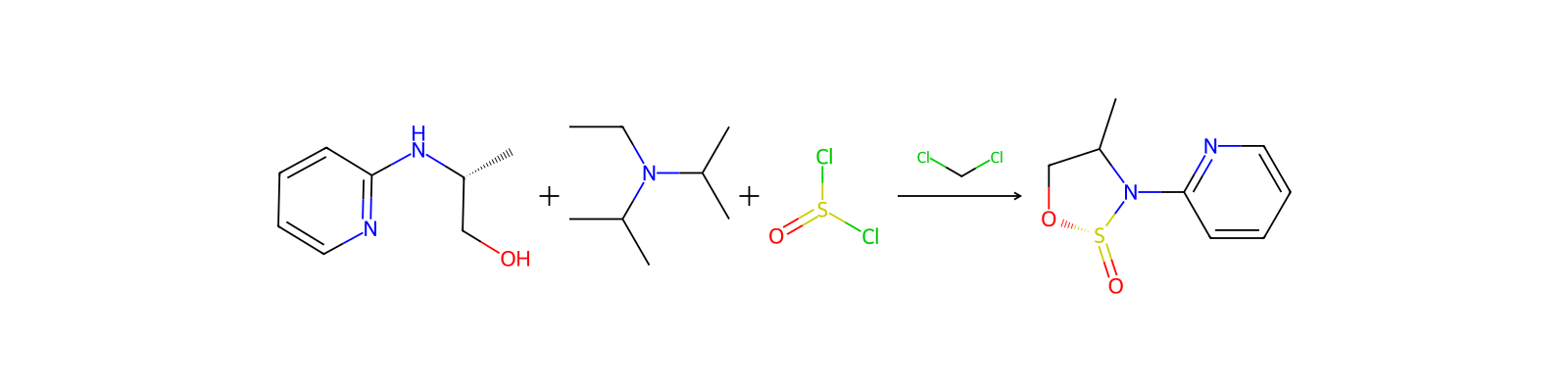
N,N-Diisopropylethylamine (DIPEA) is a tertiary amino compound.
Names & identifiers

Preferred name
Diisopropylethylamine
IUPAC
N-ethyl-N-propan-2-ylpropan-2-amine
English name
N,N-Diisopropylethylamine
Molecular formula
C8H19N
Molecular weight
129.24

Names & synonyms

N,N-Diisopropylethylamine7087-68-5EthyldiisopropylamineDiisopropylethylamineN-EthyldiisopropylaminedieaDIPEAHunig's Base2-Propanamine, N-ethyl-N-(1-methylethyl)-1,1'-Dimethyltriethylamine5SIQ15721LNSC-147491
Show more names
DIEPAi-Pr2NEt
DTXSID8064561RefChem:161220DTXCID3046829230-392-0N-ethyl-N-isopropylpropan-2-amineethylbis(propan-2-yl)amineN-Ethyl-N,N-diisopropylamineN-ethyl-N-propan-2-ylpropan-2-amine

Database identifiers

CAS
7087-68-5
PubChem CID
81531
DTXSID
DTXSID8064561
ChEBI
CHEBI:193590
UNII
5SIQ15721L
EC Number
230-392-0
Nikkaji
J108.742H

Properties

Computed structural properties

XLogP
2.2
Topological polar surface area
3.2 Ų
Hydrogen bond donors
0
Hydrogen bond acceptors
1
Rotatable bonds
3
Heavy atoms
9
Formal charge
0
Complexity
59

Experimental & physicochemical properties

Chemical ClassesNitrogen Compounds -> Amines, Aliphatic
SpringerMaterials PropertiesDensity
Density0.742 @25 °C
Boiling Point126.5 °C @760 [mm Hg]
Vapor Pressure12.0 [mmHg]
Physical DescriptionClear colorless liquid; [Sigma-Aldrich MSDS]

Physicochemical properties

Melting point
50 to · −50 to −46 °C (−58 to −51 °F; 223 to 227 K)
Boiling point
126.6 °C; · 126.6 °C; 259.8 °F; 399.7 K
Density
0.742 g · 0.742 g mL−1
vapor pressure
31 mmHg · 31 mmHg ( 37.7 °C)
refractive index
1.414 · 1.414
Flash point

Safety & regulation

Safety information is for reference only and does not replace the supplier’s Safety Data Sheet (SDS), applicable regulations, or professional assessment.

GHS classification

GHS Classification · 5 items

This chemical does not meet GHS hazard criteria for < 0.1% (1 of 2527) of reports.

Danger

H225 (97.8%): Highly Flammable liquid and vapor [Danger Flammable liquids]

P210, P233, P240, P241, P242, P243, P261, P264, P264+P265, P270, P271, P280, P301+P317, P303+P361+P353, P304+P340, P305+P354+P338, P316, P317, P319, P321, P330, P370+P378, P403+P233, P403+P235, P405, and P501 (click each P-code to see the statement)

Aggregated GHS information provided per 2527 reports by companies from 28 notifications to the ECHA C&L Inventory. Each notification may be associated with multiple companies.

Hazard information

Regulatory Information · 4 items

Chemical: 2-Propanamine, N-ethyl-N-(1-methylethyl)-

2-Propanamine, N-ethyl-N-(1-methylethyl)- is listed on the EPA's Chemical Data Reporting (CDR) system. Manufacturers and importers of 2-Propanamine, N-ethyl-N-(1-methylethyl)- are required to report information about their production and use of this chemical to the EPA under the Toxic Substances Control Act (TSCA). (40 eCFR Part 711)

REACH registered substance: Ethyldiisopropylamine (EC: 230-392-0)

2-Propanamine, N-ethyl-N-(1-methylethyl)-: Does not have an individual approval but may be used under an appropriate group standard

Hazards SummaryCauses burns; Inhalation may cause corrosive injuries to upper respiratory tract and lungs; Toxic by ingestion; [Sigma-Aldrich MSDS]
Hazard Classes and CategoriesFlam. Liq. 2 (97.8%)

Safety & protection

Protective Action Criteria (PAC)

Chemistry & industry

Uses & manufacturing

Uses · 2 items

Used to make and/or formulate industrial products; [BASF MSDS]

Synthetic Polymer MALDI Matrix Compounds

U.S. Production2022: 50,000 - <250,000 lb
Industry UsesIntermediate
General Manufacturing Information · 2 items

All Other Basic Organic Chemical Manufacturing

2-Propanamine, N-ethyl-N-(1-methylethyl)-: ACTIVE

Applications · 3 items

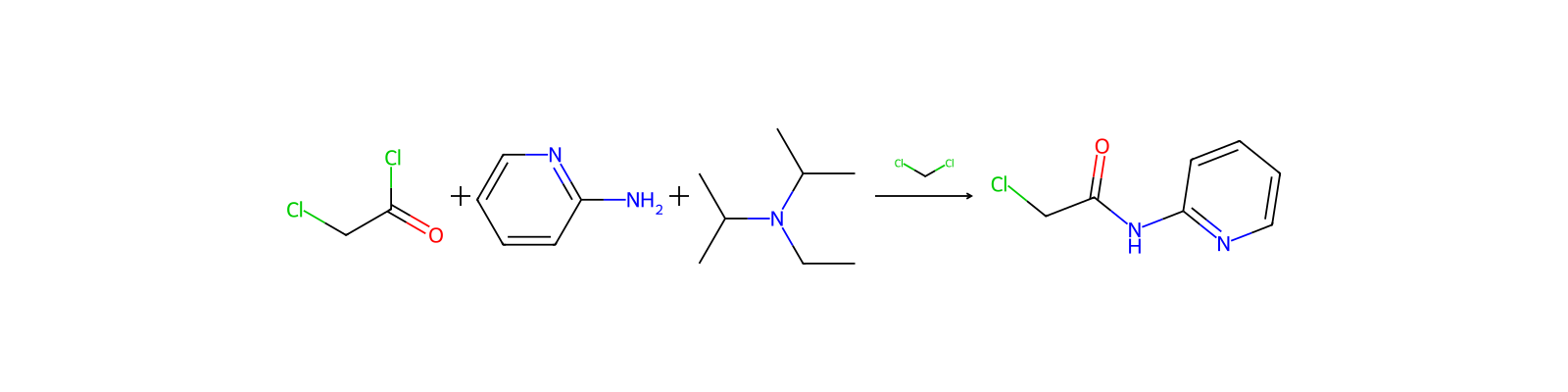
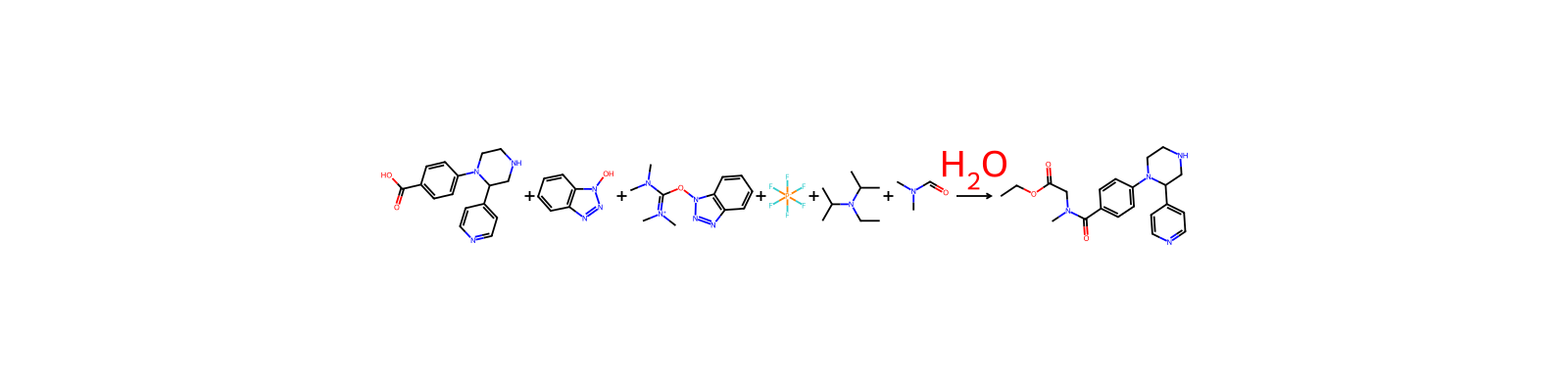
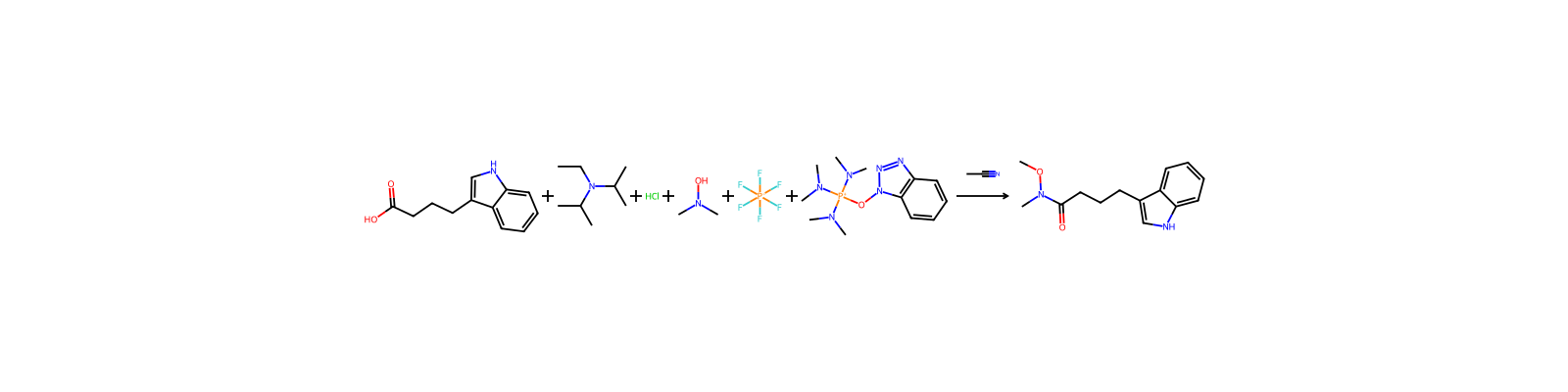
DescriptionN,N-Diisopropylethylamine is also known as Hunig's base and abbreviated as DIPEA or DIEA, It is a sterically hindered amine and an organic compound. The colourless liquid was named as Hung’s base after Siegfried Hunig, a German chemist. It is noteworthy that the compound is commercially available.In organic chemistry, N,N-Diisopropylethylamine is used as a base. Since the nitrogen centre is isolated by an ethyl group and the two isopropyl groups, It can bind to protons. The compound is, therefore, a base similar to 2,2,6,6-tetramethylpiperidine, but a poor nucleophile, a blend of properties that makes it valuable as an organic reagent.

UsesN,N-Diisopropylethylamine is used as a base in organic reactions. Used in the preparation of (-)Gambierol a marine polycyclic ether toxin. It is also used in the synthesis of potent inhibitors of human brain memapsin, a key effector in the progression of Alzheimer’s disease.

General DescriptionN-Ethyldiisopropylamine (EDIA) reacts with monoactivated Michael acceptors to afford symmetrical sulfones.

Preparation methods · 1 item

PreparationN,N-Diisopropylethylamine is used as a non-nucleophilic base in organic synthesis. It is prepared by the alkylation of diisopropylamine with diethyl sulphate. DIPEA can then be purified through distillation from potassium hydroxide if necessary.

Related reactions

107,525 records
New reaction record
HRID 883As reactant
HRID 893As reactant
HRID 897As reactant
HRID 1379As reactant
HRID 1557As reactant
HRID 1714As reactant
HRID 2239As reactant
HRID 2907As solvent
PreviousPage 1 of 13441

Compound notes

On this pageBasic informationOverviewNames & identifiersPropertiesSafety & regulationChemistry & industryRelated reactionsCompound notes
10 °C · 10 °C (50 °F; 283 K)
storage temp.
30 °C · Store below +30°C.
solubility
miscible
pka
10.98 · 10.98±0.28(Predicted)
form
liquid
color
Colorless
Specific Gravity
0.755 · 0.755 (20/4℃)
PH
12.3 · 12.3 (H2O, 20℃)(as an emulsion)
explosive limit
0.7 · 0.7-6.3%(V)
Water Solubility
miscible
BRN
605301 · 605301
Stability
Volatile
InChI
1S/C8H19N/c1-6-9(7(2)3)8(4)5/h7-8H,6H2,1-5H3
InChIKey
JGFZNNIVVJXRND-UHFFFAOYSA-N
SMILES
CCN(C(C)C)C(C)C
LogP
-1.8 at · -1.8 at 22.5℃
CAS DataBase Reference
7087 · 7087-68-5(CAS DataBase Reference)
FDA UNII
5 SIQ15721L · 5SIQ15721L
NIST Chemistry Reference
(i-C3H7)2(C2H5)N(7087-68-5)
EPA Substance Registry System
2 · 2-Propanamine, N-ethyl-N-(1-methylethyl)- (7087-68-5)
UNSPSC Code
12352116 · 12352116
NACRES
22 · NA.22
Symbol(GHS)
2 · GHS02,GHS05,GHS06,GHS09
Signal word
Danger
Hazard statements
331 · H331-H302-H314-H335-H402-H411-H225
Precautionary statements
501 · P501-P273-P270-P240-P261-P210-P233-P243-P241-P242-P271-P264-P280-P370+P378-P391-P303+P361+P353-P301+P330+P331-P363-P301+P312+P330-P304+P340+P310-P305+P351+P338+P310-P403+P233-P403+P235-P405
target organs
Respiratory system
PPE
Faceshields, Gloves, Goggles, type ABEK (EN14387) respirator filter
Hazard Codes
C,F,T
Risk Statements
11 · 11-22-34-52/53-20/21/22-10-41-37/38-20/22-36/37/38-61
Safety Statements
26 · 26-36/37/39-45-61-16-27-60-23-9-53
RIDADR
2734 · UN 2734 8/PG 2
WGK Germany
2 · 2
F
9 · 9-34
Autoignition Temperature
240 °C · 240 °C
Hazard Note
Highly Flammable/Corrosive/Harmful
TSCA
TSCA listed
HazardClass
3 · 3
PackingGroup
II
HS Code
2921199090 · 2921199090
Storage Class
3 · 3 - Flammable liquids
Hazard Classifications
3 InhalationAcute · Acute Tox. 3 InhalationAcute Tox. 4 OralAquatic Chronic 2Eye Dam. 1Flam. Liq. 2STOT SE 3
Toxicity
50 orally · LD50 orally in Rabbit: > 200 - 500 mg/kg
REACH Registrations
Active
Limited Quantities
1 L · 1.0 L (0.3 gallon) (liquid)
Excepted Quantities
Max Inner Pack (30g or 30ml) and Max Outer Pack (500g or 500ml)
· 3 items

1.8 [mg/m3]

19 [mg/m3]

120 [mg/m3]

Toxicology

Adverse EffectsDermatotoxin - Skin burns.

Safety data

F
9-34
PPE
Faceshields, Gloves, Goggles, type ABEK (EN14387) respirator filter
wgk
2
tsca
TSCA listed
ridadr
UN 2734 8/PG 2
hs_code
2921199090
Toxicity
LD50 orally in Rabbit: > 200 - 500 mg/kg
risk_code
11-22-34-52/53-20/21/22-10-41-37/38-20/22-36/37/38-61
Signal word
Danger
Symbol(GHS)
GHS02,GHS05,GHS06,GHS09
hazard_code
C,F,T
hazard_note
Highly Flammable/Corrosive/Harmful
safety_code
26-36/37/39-45-61-16-27-60-23-9-53
hazard_class
3
Storage Class
3 - Flammable liquids
packing_group
II
target organs
Respiratory system
Hazard statements
H331-H302-H314-H335-H402-H411-H225
Limited Quantities
1.0 L (0.3 gallon) (liquid)
Excepted Quantities
Max Inner Pack (30g or 30ml) and Max Outer Pack (500g or 500ml)
REACH Registrations
Active
Hazard Classifications
Acute Tox. 3 InhalationAcute Tox. 4 OralAquatic Chronic 2Eye Dam. 1Flam. Liq. 2STOT SE 3
Autoignition Temperature
240 °C
Precautionary statements
P501-P273-P270-P240-P261-P210-P233-P243-P241-P242-P271-P264-P280-P370+P378-P391-P303+P361+P353-P301+P330+P331-P363-P301+P312+P330-P304+P340+P310-P305+P351+P338+P310-P403+P233-P403+P235-P405

Upstream & downstream products

Downstream products

3-Azetidinecarboxylic acid6-Chloro-5-nitropyrimidin-4-aminetert-Butyl N-(benzyloxy)carbamateMethyl 3-((piperidin-4-yl)methyl)benzoate3-(N-Boc-aminomethyl)azetidine2-Amino-5-phenyl-thiophene-3-carboxylic acid methyl ester4-Amino-6-chloropyrimidin-5-ylamineFaropenem5-Amino-6-chloro-pyrimidin-4-ol4-Ethynylaniline4-((1-(tert-Butoxycarbonyl)piperidin-4-yl)methyl)benzoic acid2-Ethylpiperazine1-Boc-3-CyanoazetidineMethyl 4-((piperidin-4-yl)methyl)benzoatePiperazine-1,4-dicarboxylic acid tert-butyl ester methyl ester3-(5-Methyl-1,2,4-oxadiazol-3-yl)benzaldehyde4-(3-Bromophenyl)morpholine2-((1-(tert-Butoxycarbonyl)piperidin-4-yl)methyl)benzoic acid5,6,7,8-tetrahydropyrido[4,3-d]pyrimidin-4(3H)-one5-Amino-4,6-dichloropyrimidineBAPTA1-Boc-3-(Aminomethyl)azetidine4,6-Dichloro-5-nitropyrimidine2-(Piperazin-1-yl)-acetic acid N-(2-phenylethyl)-amide3-Bromo-2-methoxy-propeneMethyl 5-nitro-2-furoate3-[(4-Methylpiperazin-1-yl)methyl]benzaldehydeBAPTA, tetrasodium salt4-Chloro-6-hydrazino-pyrimidin-5-ylamine3-((1-(tert-Butoxycarbonyl)piperidin-4-yl)methyl)benzoic acid4,5-DiaminopyrimidineN-(4-Formyl-pyridin-3-yl)-2,2-dimethyl-propionamide(R)-4-Boc-Piperazine-3-carboxylic acidMethyl 2-((piperidin-4-yl)methyl)benzoateN-Boc-5,6,7,8-tetrahydro-3-methoxy-[1,2,4]triazolo[4,3-A]pyrazine ,98%1-Boc-Azetidine-3-yl-methanol(11aR)-(+)-10,11,12,13-Tetrahydrodiindeno[7,1-de:1',7'-fg][1,3,2]dioxaphosphocin-5-dimethylamine4-Methoxybenzyl isocyanate2-(Trifluoromethyl)thiazole-5-carbaldehyde1-Boc-3-hydroxymethyl-piperazine

Additional notes

DefinitionChEBI: N,N-Diisopropylethylamine (DIPEA) is a tertiary amino compound.