化工社
首页MCP工作台Skills
首页工作台通知我的
llms.txt · MCP 指南隐私政策 · 服务条款 · 支持v1.8.3
  1. 首页
  2. /化合物

2-甲基-3-丁炔-2-醇

2-Methyl-3-butyn-2-ol

HCID 8258
新建反应
打印
基本信息概述名称与标识性质安全与法规化学与工业相关反应化合物笔记
子结构检索查找相似结构

基本信息

CAS
115-19-5
标准SMILES
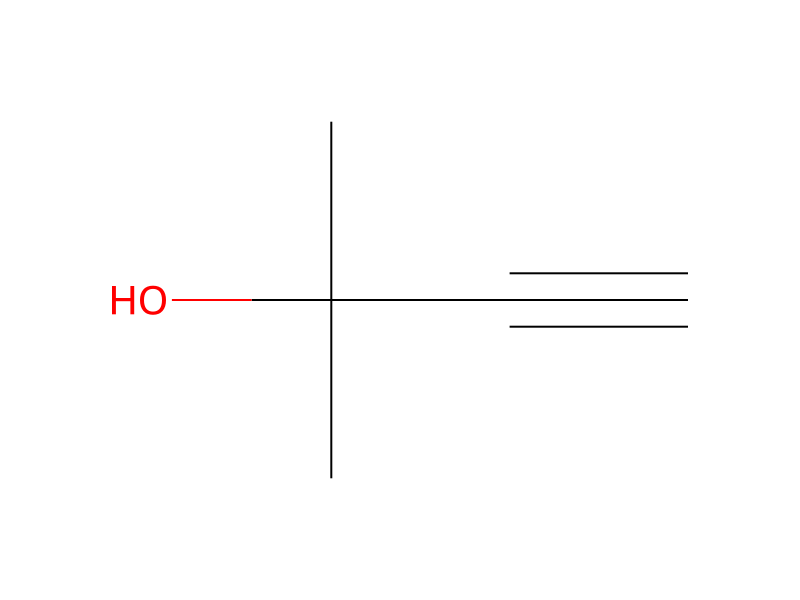
C#CC(C)(C)O
InChIKey
CEBKHWWANWSNTI-UHFFFAOYSA-N
分子式
C5H8O
平均分子量
84.12 g/mol
单同位素质量
84.05751487

概述

2-methyl-2-hydroxy-3-butyne is a colorless to straw yellow liquid. (USCG, 1999)

名称与标识

首选名称
2-Methyl-3-butyn-2-ol
IUPAC
2-methylbut-3-yn-2-ol
中文名
2-甲基-3-丁炔-2-醇
英文名
3-Methyl butynol
分子式
C5H8O
分子量
84.12

名称与别名

2-METHYL-3-BUTYN-2-OL115-19-52-Methylbut-3-yn-2-ol3-Butyn-2-ol, 2-methyl-2-Methyl-2-butynolEthynyldimethylcarbinolCarbavaneDimethylethynylcarbinolDimethylethynylmethanol2-Hydroxy-2-methyl-3-butyneDimethylacetylenecarbinolDimethylacetylenylcarbinol
展开更多名称
甲基丁炔醇甲基丁炔醇MB3-甲基丁炔醇3-甲基丁炔醇-33-甲基丁炔-3-醇2,2-二甲基乙炔甲醇3-羥-3-甲-1-丁炔3-甲-1-丁炔-3-醇2-甲基-3-丁炔-2醇二甲基-3-丁炔-2-醇MBYMethyl butynol2-Methyl-3-Butyne-2-OlAB-322-MethylbutynolMethylbutylenol
1,1-Dimethylpropargyl alcoholDTXSID2021949EHB904XHKHNSC-523DTXCID701949RefChem:88076204-070-53-Methyl-1-butyn-3-ol

数据库标识

CAS
115-19-5
PubChem CID
8258
DTXSID
DTXSID2021949
ChEMBL
CHEMBL3185871
UNII
EHB904XHKH
EC Number
204-070-5
Nikkaji
J38.146B

性质

结构计算性质

XLogP
0.3
极性表面积
20.2 Ų
氢键供体
1
氢键受体
1
可旋转键
1
重原子
6
形式电荷
0
复杂度
83.4

实验与物化性质

PolymersOther Classes -> Alcohols and Polyols, Other
SpringerMaterials PropertiesBoiling point
LogP · 2 条

0.318

0.28

Density · 3 条

0.8672 (USCG, 1999) - Less dense than water; will float

Density (gas): 0.9 kg/m³

Relative density of the vapour/air-mixture at 20 °C (air = 1): 1.04

SolubilitySolubility in water: miscible
Flash Point · 2 条

77 °F (USCG, 1999)

20 °C c.c.

Boiling Point · 2 条

219.2 to 221 °F at 760 mmHg (USCG, 1999)

104-105 °C

Melting Point · 2 条

36.7 °F (USCG, 1999)

2.6 °C

Vapor DensityRelative vapor density (air = 1): 2.9
Vapor Pressure · 2 条

16.0 [mmHg]

Vapor pressure, kPa at 20 °C: 2

安全与法规

安全信息仅供参考,不能替代供应商安全技术说明书(SDS)、适用法规与专业评估。

GHS分类

GHS Classification · 6 条

This chemical does not meet GHS hazard criteria for 4.8% (24 of 500) of reports.

Danger

H225 (62.8%): Highly Flammable liquid and vapor [Danger Flammable liquids]

P203, P210, P233, P240, P241, P242, P243, P261, P264, P264+P265, P270, P271, P280, P301+P317, P302+P352, P303+P361+P353, P304+P340, P305+P351+P338, P305+P354+P338, P317, P318, P319, P321, P330, P332+P317, P337+P317, P362+P364, P370+P378, P403+P233, P403+P235, P405, and P501 (click each P-code to see the statement)

Aggregated GHS information provided per 500 reports by companies from 20 notifications to the ECHA C&L Inventory. Each notification may be associated with multiple companies.

Danger

危害信息

Regulatory Information · 3 条

Chemical: 3-Butyn-2-ol, 2-methyl-

REACH registered substance: 2-methylbut-3-yn-2-ol (EC: 204-070-5)

3-Butyn-2-ol, 2-methyl-: Does not have an individual approval but may be used under an appropriate group standard

Other Safety InformationIMAP assessments - 3-Butyn-2-ol, 2-methyl-: Human health tier I assessment
DOT LabelFlammable Liquid
Fire Hazards · 2 条

Special Hazards of Combustion Products: Irritating and toxic gases, such as carbon dioxide and carbon monoxide, may be produced in fire. (USCG, 1999)

Highly flammable. Vapour/air mixtures are explosive. Risk of explosion on contact with copper.

Health HazardsContact will cause eye and skin irritation. Vapor exposure may cause eye and respiratory tract irritation. (USCG, 1999)
Hazards Summary · 1 条

An eye but not skin irritant in rabbits; Not a skin sensitizer in guinea pig modified split adjuvant test; Developmental toxicity observed in rats at doses maternally toxic; [IUCLID] Causes somnolence, lung changes, ataxia, respiratory depression, and general anesthesia in inhalation lethal-concentration studies of mice; Oral LD50 (mouse) = 500 mg/kg; [RTECS] A skin and eye irritant; May cause smarting and reddening of skin if spilled and allowed to remain on clothes; High vapor concentrations may cause mild smarting of eyes and respiratory tract; [CHRIS] An eye irritant; [ICSC] May cause serious eye injury; Harmful by ingestion; [ECHA REACH Registrations] An irritant; Harmful by ingestion; [Alfa Aesar MSDS]

化学与工业

用途与制造

Uses · 2 条

Has been used as a pheromone substitute in beetle control; [REPROTOX] Used as an intermediate, laboratory reagent, and in wood treatment; [ECHA REACH Registrations]

Applying Wood Preservatives [Category: Other]

General Manufacturing Information3-Butyn-2-ol, 2-methyl-: ACTIVE
应用领域 · 3 条

用途用作合成医药、农药、萜烯类香料的中间体,酸蚀抑制剂、粘度稳定剂、减粘剂等

用途用作合成医药及农药的中间体、萜烯类香料中间体、酸性缓蚀抑制剂、粘度稳定剂、减粘剂、镀镍或镀铜的上光剂、氯化烃稳定剂等。还可用作 硅橡胶中铂催化硅氢加成反应的阻聚剂。

用途用作溶剂、中间体、含氯溶剂的稳定剂

上下游产品信息

上游原料

丙酮乙炔2,5-二甲基-3-己炔-2,5-二醇美雌醇炔丙醛乙炔基溴化镁2-溴丙烷异丁醇乙炔钠

下游产品

2,5-二甲基-2,5-己二醇叔戊醇3-氯-3-甲基-1-丁炔

相关反应

483 条
新建反应记录
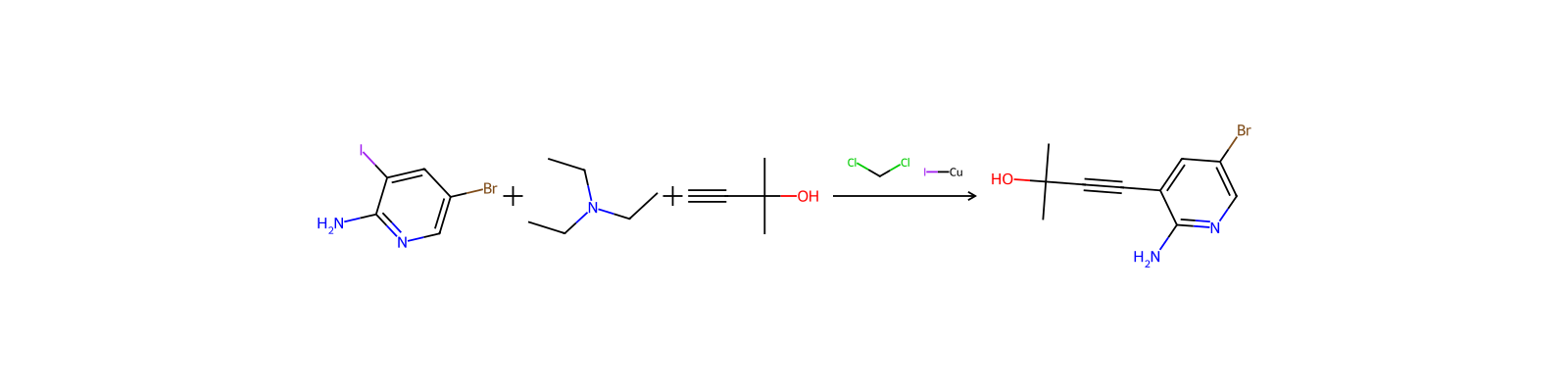
HRID 1042 反应方程式
HRID 1042作为反应物
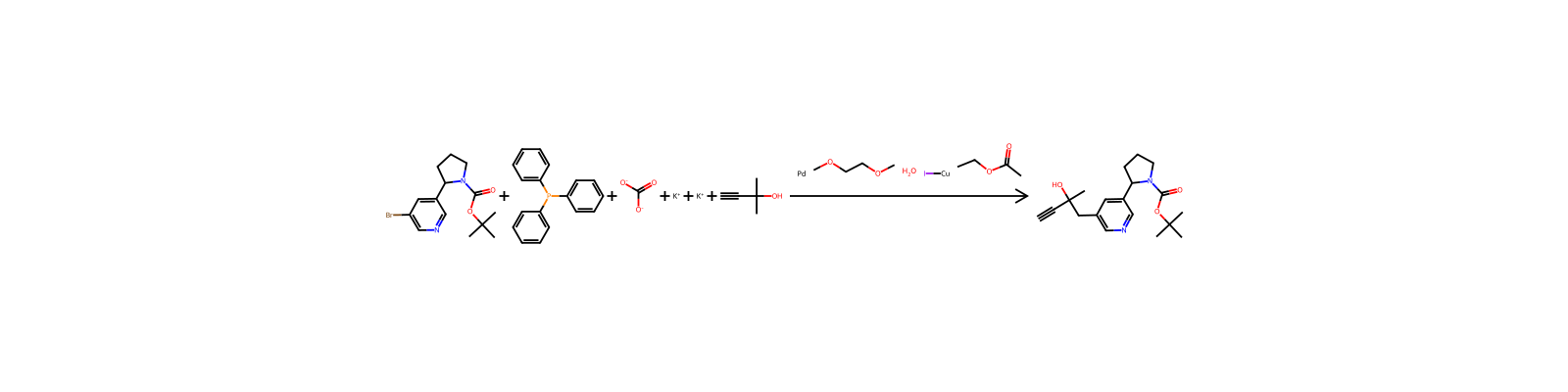
HRID 13881 反应方程式
HRID 13881作为反应物
HRID 13882 反应方程式
HRID 13882作为反应物
HRID 13900 反应方程式
HRID 13900作为反应物
HRID 13901 反应方程式
HRID 13901作为反应物
HRID 40217 反应方程式
HRID 40217作为反应物
HRID 41504 反应方程式
HRID 41504作为反应物
HRID 41505 反应方程式
HRID 41505作为反应物
上一页第 1 / 61 页

化合物笔记

本页导航基本信息概述名称与标识性质安全与法规化学与工业相关反应化合物笔记
Physical Description · 3 条

2-methyl-2-hydroxy-3-butyne is a colorless to straw yellow liquid. (USCG, 1999)

Liquid; mp = 2.6 deg C; [Merck Index] Colorless liquid; [Alfa Aesar MSDS]

COLOURLESS LIQUID.

Autoignition Temperature350 °C

物理化学性质

熔点
3 °C · 3 °C
沸点
104 °C · 104 °C(lit.)
密度
0.868 g/mL · 0.868 g/mL at 25 °C(lit.)
蒸气压
15 mm · 15 mm Hg ( 20 °C)
折射率
20 · n20/D 1.42(lit.)
闪点
77 °F · 77 °F
储存条件
30 °C · Store below +30°C.
溶解度
Fully miscible.
形态
Powder or Crystals
酸度系数(pKa)
13.34 · 13.34±0.29(Predicted)
颜色
White to yellow-beige to brown
PH值
7 · 7 (H2O, 20℃)
爆炸极限值(explosive limit)
1.8 · 1.8-16%(V)
水溶解性
miscible
Merck
14 · 14,6034
BRN
635746 · 635746
Henry's Law Constant
2.5 · 2.5×100 mol/(m3Pa) at 25℃, Altschuh et al. (1999)
稳定性
Stable. Flammable. Incompatible with strong oxidizing agents.
InChI
1S/C5H8O/c1-4-5(2,3)6/h1,6H,2-3H3
InChIKey
CEBKHWWANWSNTI-UHFFFAOYSA-N
SMILES
CC(C)(O)C#C
LogP
0.318 at · 0.318 at 20-25℃
CAS 数据库
115 · 115-19-5(CAS DataBase Reference)
NIST化学物质信息
3 · 3-Butyn-2-ol, 2-methyl-(115-19-5)
EPA化学物质信息
2 · 2-Methyl-3-butyn-2-ol (115-19-5)
Reactive GroupAlcohols and Polyols
UN ClassificationUN Hazard Class: 3; UN Pack Group: II
Reactivity AlertsHighly Flammable
Reactivity Profile · 1 条

2-METHYL-2-HYDROXY-3-BUTYNE is an alcohol. Flammable and/or toxic gases are generated by the combination of alcohols with alkali metals, nitrides, and strong reducing agents. They react with oxoacids and carboxylic acids to form esters plus water. Oxidizing agents convert them to aldehydes or ketones. Alcohols exhibit both weak acid and weak base behavior. They may initiate the polymerization of isocyanates and epoxides.

Chemical DangersReacts with oxidants. Reacts with copper. This generates explosion hazard. Reacts violently with acids. Heating may cause violent combustion or explosion. Decomposes on contact with hot surfaces or flames. This produces irritating fumes.
Physical DangersThe vapour mixes well with air, explosive mixtures are easily formed.

安全与防护

Fire Fighting · 2 条

Fire Extinguishing Agents Not to Be Used: Water.

Use carbon dioxide, foam, dry powder. NO water. In case of fire: keep drums, etc., cool by spraying with water. NO direct contact of the substance with water.

First Aid Measures · 4 条

Fresh air, rest.

Rinse skin with plenty of water or shower.

Rinse with plenty of water (remove contact lenses if easily possible).

Rinse mouth.

First AidGet medical attention.
Safe StorageFireproof. Separated from strong oxidants, acids and copper. Cool.
Nonfire Spill ResponseExcerpt from ERG Guide 127 [Flammable Liquids (Water-Miscible)]:
Spillage Disposal · 1 条

Personal protection: filter respirator for organic gases and vapours adapted to the airborne concentration of the substance. Collect leaking liquid in sealable containers. Absorb remaining liquid in sand or inert absorbent. Then store and dispose of according to local regulations. Do NOT wash away into sewer.

Isolation and EvacuationExcerpt from ERG Guide 127 [Flammable Liquids (Water-Miscible)]:
Eye PreventionWear safety goggles.
Fire PreventionIf powder: NO open flames, NO sparks, and NO smoking. Closed system, ventilation, explosion-proof electrical equipment and lighting. Do NOT use compressed air for filling, discharging, or handling.
Inhalation RiskNo indication can be given about the rate at which a harmful concentration of this substance in the air is reached.
Skin PreventionProtective gloves.
Ingestion PreventionDo not eat, drink, or smoke during work.

毒理信息

Adverse EffectsNeurotoxin - Acute solvent syndrome
Exposure RoutesThe substance can be absorbed into the body by ingestion.
Signs and Symptoms · 3 条

Cough.

Redness. Pain.

Dizziness.

Toxicity DataLC50 (mouse) = 2,000 mg/m3

安全数据

wgk
1
tsca
TSCA listed
毒性
LD50 orally in Rabbit: 1420 mg/kg LD50 dermal Rat > 2000 mg/kg
RTECS号
ES0810000
包装类别
II
危险等级
3
存储类别
3 - Flammable liquids
安全说明
26-39-16
海关编码
2905290000
自燃温度
662 °F
危险品标志
Xn
危险性类别
Acute Tox. 4 OralEye Dam. 1Flam. Liq. 2Repr. 2STOT SE 3
危险类别码
10-22-41
危险品运输编号
UN 1987 3/PG 2

毒性防护

急性毒性口服- 大鼠 LD50: 1950 毫克/ 公斤; 口服- 小鼠 LD50: 500 毫克/ 公斤

包装储运 · 3 条

可燃性危险特性遇明火、高温、氧化剂易燃; 遇热分解有毒刺激烟雾

储运特性库房通风低温干燥; 与氧化剂、酸类分开存放

灭火剂干粉、干砂、二氧化碳、泡沫、1211灭火剂

(E)-6-甲基庚-3,5-二烯-2-酮
3-甲基-2-丁烯醛
4-乙炔基苯甲酸
4-戊基联苯乙炔
2-甲基-1-丁烯-3-炔
1,2-二(4-甲基苯)乙炔