
750 AstraZeneca ELN dataset
查看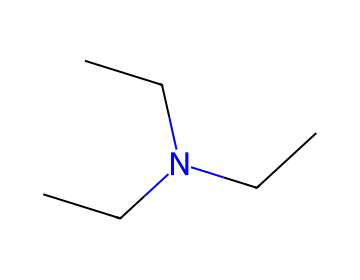
IDENTITY
COMPUTED
PROPERTIES
log Kow = 1.45
1.45
1.45
Strong, ammoniacal ordor
Fishy
0.729 at 68 °F (USCG, 1999) - Less dense than water; will float
0.7275 g/cu cm at 20 °C
Bulk density: 6.1 lb/gal
Saturated liquid density: 45.420 lb/cu ft; liquid heat capacity: 0.556 Btu/lb °F; saturated vapor pressure: 1.084 lb/sq in; saturated vapor density: 0.01930 lb/cu ft (all at 70 °F)
Relative density (water = 1): 0.7
0.724-0.730
0.347 mPa.s at 25 °C
Colorless liquid
Soluble (NTP, 1992)
In water, 6.86X10+4 mg/L at 25 °C
Miscible with water below 18.7 °C
Soluble in ethanol, carbon tetrachloride, ethyl ether; very soluble in acetone, benzene, chloroform
Soluble in fixed oils, mineral oil, oleic and stearic acids and in hot carnauba and paraffin waxes.
For more Solubility (Complete) data for TRIETHYLAMINE (6 total), please visit the HSDB record page.
Liquid triethylamine will attack some forms of plastics, rubber, and coatings
20 °F (NTP, 1992)
-7 °C
-15 °C (5 °F) - closed cup
16 °F (-7 °F) (open cup)
-17 °C c.c.
20 °F
192.7 °F at 760 mmHg (NTP, 1992)
88.8 °C
88.80 to 89.00 °C. @ 760.00 mm Hg
89 °C
88 °C
193 °F
Hazardous decomposition products formed under fire conditions - Carbon oxides, nitrogen oxides (NOx).
When heated to decomp it emits toxic fumes of /nitrogen oxides/.
Products of decomposition include carbon monoxide, carbon dioxide, hydrocarbons ... as well as amine vapors.
-174.5 °F (NTP, 1992)
-114.7 °C
-114.7 °C
-115 °C
-175 °F
-114.8 °C
3.48 (NTP, 1992) - Heavier than air; will sink (Relative to Air)
3.49 (Air = 1)
Relative vapor density (air = 1): 3.5
3.48
GHS
Danger
H225: Highly Flammable liquid and vapor [Danger Flammable liquids];H301: Toxic if swallowed [Danger Acute toxicity, oral];H311: Toxic in contact with skin [Danger Acute toxicity, dermal];H314: Causes severe skin burns and eye damage [Danger Skin corrosion/irritation];H318: Causes serious eye damage [Danger Serious eye damage/eye irritation];H331: Toxic if inhaled [Danger Acute toxicity, inhalation]
P210, P233, P240, P241, P242, P243, P260, P261, P262, P264, P264+P265, P270, P271, P280, P301+P316, P301+P330+P331, P302+P352, P302+P361+P354, P303+P361+P353, P304+P340, P305+P354+P338, P316, P317, P321, P330, P361+P364, P363, P370+P378, P403+P233, P403+P235, P405, and P501 (click each P-code to see the statement)
This chemical does not meet GHS hazard criteria for < 0.1% (2 of 5716) of reports.
HAZARDS
Chemical: Ethanamine, N,N-diethyl-
Hazard Traits - Neurotoxicity; Ocular Toxicity; Respiratory Toxicity;Authoritative List - CA TACs; OEHHA RELs;Report - if used as a fragrance or flavor ingredient
Commission Regulation (EC) No 1565/2000 (Repealed by Com. Implementing Reg. (EU) No 872/2012)
Ethanamine, N,N-diethyl- is listed on the EPA's Chemical Data Reporting (CDR) system. Manufacturers and importers of Ethanamine, N,N-diethyl- are required to report information about their production and use of this chemical to the EPA under the Toxic Substances Control Act (TSCA). (40 eCFR Part 711)
Status: Active Update: 20-09-2021 https://echa.europa.eu/registration-dossier/-/registered-dossier/14938;Status: Active Update: 04-05-2018 https://echa.europa.eu/registration-dossier/-/registered-dossier/18127
Ethanamine, N,N-diethyl-: HSNO Approval: HSR001228 Approved with controls
IMAP assessments - Short chain (C2-3) alkyl amines: Human health tier II assessment;IMAP assessments - Ethanamine, N,N-diethyl-: Environment tier I assessment
Flammable Liquid Corrosive
Excerpt from ERG Guide 132 [Flammable Liquids - Corrosive]:;Flammable/combustible material. May be ignited by heat, sparks or flames. Vapors may form explosive mixtures with air. Vapors may travel to source of ignition and flash back. Most vapors are heavier than air. They will spread along the ground and collect in low or confined areas (sewers, basements, tanks, etc.). Vapor explosion hazard indoors, outdoors or in sewers. Those substances designated with a (P) may polymerize explosively when heated or involved in a fire. Runoff to sewer may create fire or explosion hazard. Containers may explode when heated. Many liquids will float on water. (ERG, 2024)
· Flammable/combustible material.;· May be ignited by heat, sparks or flames.;· Vapors may form explosive mixtures with air.;· Vapors may travel to source of ignition and flash back.;· Most vapors are heavier than air. They will spread along the ground and collect in low or confined areas (sewers, basements, tanks, etc.).;· Vapor explosion hazard indoors, outdoors or in sewers.;· Those substances designated with a (P) may polymerize explosively when heated or involved in a fire.;· Runoff to sewer may create fire or explosion hazard.;· Containers may explode when heated.;· Many liquids will float on water.
Highly flammable. Gives off irritating or toxic fumes (or gases) in a fire. Vapour/air mixtures are explosive.
A very dangerous fire hazard when exposed to heat, flame, or oxidizers.
Contact with strong oxidizers may cause fires ... .
Vapors irritate nose, throat, and lungs, causing coughing, choking, and difficult breathing. Contact with eyes causes severe burns. Clothing wet with chemical causes skin burns. (USCG, 1999)
· May cause toxic effects if inhaled or ingested.;· Contact with substance may cause severe burns to skin and eyes.;· Fire will produce irritating, corrosive and/or toxic gases.;· Vapors may cause dizziness or asphyxiation, especially when in closed or confined areas.;· Runoff from fire control or dilution water may cause environmental contamination.
Acute (short-term) exposure of humans to triethylamine vapor causes eye irritation, corneal swelling, and halo vision. People have complained of seeing "blue haze" or having "smoky vision." These effects have been reversible upon cessation of exposure. Acute exposure can irritate the skin and mucous membranes in humans. Chronic (long-term) exposure of workers to triethylamine vapor has been observed to cause reversible corneal edema. Chronic inhalation exposure has resulted in respiratory and hematological effects and eye lesions in rats and rabbits. No information is available on the reproductive, developmental, or carcinogenic effects of triethylamine in humans. EPA has not classified triethylamine with respect to potential carcinogenicity.
TLV Basis is visual impairment and upper respiratory tract irritation; Transient visual disturbances with blurring and halo vision are reported to occur at 3 to 4 ppm but not at 1 to 1.25 ppm. Mice that inhaled lethal concentrations had respiratory irritation, tremors, and convulsions. [ACGIH] Liquid causes first degree burns on short exposure; [CHRIS] Corrosive to skin; [Quick CPC] Short-term exposure at high concentrations may cause pulmonary edema. [ICSC] May cause permanent eye injury; Transient visual effects (blue haze or halo vision) occur at low concentrations; [CHEMINFO] Experimental animals exposed repeatedly to 100 ppm show evidence of liver, kidney, lung, and heart damage. [HSDB] A corrosive substance that can cause pulmonary edema; [ICSC]
1296 132
1296 132
Amines, Phosphines, and Pyridines
Symbol: F, C; R: 11-20/21/22-35; S: (1/2)-3-16-26-29-36/37/39-45
UN Hazard Class: 3; UN Subsidiary Risks: 8; UN Pack Group: II
U404; As stipulated in 40 CFR 261.33, when triethylamine, as a commercial chemical product or manufacturing chemical intermediate or an off-specification commercial chemical product or a manufacturing chemical intermediate, becomes a waste, it must be managed according to Federal and/or State hazardous waste regulations. Also defined as a hazardous waste is any residue, contaminated soil, water, or other debris resulting from the cleanup of a spill, into water or on dry land, of this waste. Generators of small quantities of this waste may qualify for partial exclusion from hazardous waste regulations (40 CFR 261.5).
D001; A solid waste containing triethylamine may become characterized as a hazardous waste when subjected to testing for ignitability as stipulated in 40 CFR 261.21, and if so characterized, must be managed as a hazardous waste.
SAFETY
Excerpt from ERG Guide 132 [Flammable Liquids - Corrosive]:;Some of these materials may react violently with water.;SMALL FIRE: Dry chemical, CO2, water spray or alcohol-resistant foam.;LARGE FIRE: Water spray, fog or alcohol-resistant foam. If it can be done safely, move undamaged containers away from the area around the fire. Dike runoff from fire control for later disposal. Do not get water inside containers.;FIRE INVOLVING TANKS, RAIL TANK CARS OR HIGHWAY TANKS: Fight fire from maximum distance or use unmanned master stream devices or monitor nozzles. Cool containers with flooding quantities of water until well after fire is out. Withdraw immediately in case of rising sound from venting safety devices or discoloration of tank. ALWAYS stay away from tanks in direct contact with flames. For massive fire, use unmanned master stream devices or monitor nozzles; if this is impossible, withdraw from area and let fire burn. (ERG, 2024)
Use alcohol-resistant foam, powder, carbon dioxide. In case of fire: keep drums, etc., cool by spraying with water.
Fresh air, rest. Half-upright position. Artificial respiration may be needed. Refer for medical attention.
Remove contaminated clothes. Rinse skin with plenty of water or shower. Refer for medical attention .
First rinse with plenty of water for several minutes (remove contact lenses if easily possible), then refer for medical attention.
Rinse mouth. Do NOT induce vomiting. Give one or two glasses of water to drink. Refer for medical attention .
· CALL 911. Then call emergency response telephone number on shipping paper. If shipping paper not available or no answer, refer to appropriate telephone number listed on the inside back cover.;· Keep unauthorized personnel away.;· Stay upwind, uphill and/or upstream.;· Ventilate closed spaces before entering, but only if properly trained and equipped.
· ELIMINATE all ignition sources (no smoking, flares, sparks or flames) from immediate area.;· All equipment used when handling the product must be grounded.;· Do not touch or walk through spilled material.;· Stop leak if you can do it without risk.;· Prevent entry into waterways, sewers, basements or confined areas.;· A vapor-suppressing foam may be used to reduce vapors.;· Absorb with earth, sand or other non-combustible material.;· For hydrazine, absorb with DRY sand or inert absorbent (vermiculite or absorbent pads).;· Use clean, non-sparking tools to collect absorbed material.;Large Spill;· Dike far ahead of liquid spill for later disposal.;· Water spray may reduce vapor, but may not prevent ignition in closed spaces.
EYES: First check the victim for contact lenses and remove if present. Flush victim's eyes with water or normal saline solution for 20 to 30 minutes while simultaneously calling a hospital or poison control center. Do not put any ointments, oils, or medication in the victim's eyes without specific instructions from a physician. IMMEDIATELY transport the victim after flushing eyes to a hospital even if no symptoms (such as redness or irritation) develop.;SKIN: IMMEDIATELY flood affected skin with water while removing and isolating all contaminated clothing. Gently wash all affected skin areas thoroughly with soap and water. IMMEDIATELY call a hospital or poison control center even if no symptoms (such as redness or irritation) develop. IMMEDIATELY transport the victim to a hospital for treatment after washing the affected areas.;INHALATION: IMMEDIATELY leave the contaminated area; take deep breaths of fresh air. If symptoms (such as wheezing, coughing, shortness of breath, or burning in the mouth, throat, or chest) develop, call a physician and be prepared to transport the victim to a hospital. Provide proper respiratory protection to rescuers entering an unknown atmosphere. Whenever possible, Self-Contained Breathing Apparatus (SCBA) should be used; if not available, use a level of protection greater than or equal to that advised under Protective Clothing.;INGESTION: DO NOT INDUCE VOMITING. Corrosive chemicals will destroy the membranes of the mouth, throat, and esophagus and, in addition, have a high risk of being aspirated into the victim's lungs during vomiting which increases the medical problems. If the victim is conscious and not convulsing, give 1 or 2 glasses of water to dilute the chemical and IMMEDIATELY call a hospital or poison control center. IMMEDIATELY transport the victim to a hospital. If the victim is convulsing or unconscious, do not give anything by mouth, ensure that the victim's airway is open and lay the victim on his/her side with the head lower than the body. DO NOT INDUCE VOMITING. Transport the victim IMMEDIATELY to a hospital. (NTP, 1992)
General First Aid:;· Call 911 or emergency medical service.;· Ensure that medical personnel are aware of the material(s) involved, take precautions to protect themselves and avoid contamination.;· Move victim to fresh air if it can be done safely.;· Administer oxygen if breathing is difficult.;· If victim is not breathing:;-- DO NOT perform mouth-to-mouth resuscitation; the victim may have ingested or inhaled the substance.;-- If equipped and pulse detected, wash face and mouth, then give artificial respiration using a proper respiratory medical device (bag-valve mask, pocket mask equipped with a one-way valve or other device).;-- If no pulse detected or no respiratory medical device available, provide continuous compressions. Conduct a pulse check every two minutes or monitor for any signs of spontaneous respirations.;· Remove and isolate contaminated clothing and shoes.;· For minor skin contact, avoid spreading material on unaffected skin.;· In case of contact with substance, remove immediately by flushing skin or eyes with running water for at least 20 minutes.;· For severe burns, immediate medical attention is required.;· Effects of exposure (inhalation, ingestion, or skin contact) to substance may be delayed.;· Keep victim calm and warm.;· Keep victim under observation.;· For further assistance, contact your local Poison Control Center.;· Note: Basic Life Support (BLS) and Advanced Life Support (ALS) should be done by trained professionals.;Specific First Aid:;· For corrosives, in case of contact, immediately flush skin or eyes with running water for at least 30 minutes. Additional flushing may be required.
(General first aid procedures);Eye: Irrigate immediately - If this chemical contacts the eyes, immediately wash (irrigate) the eyes with large amounts of water, occasionally lifting the lower and upper lids. Get medical attention immediately.;Skin: Soap wash immediately - If this chemical contacts the skin, immediately wash the contaminated skin with soap and water. If this chemical penetrates the clothing, immediately remove the clothing, wash the skin with soap and water, and get medical attention promptly.;Breathing: Respiratory support;Swallow: Medical attention immediately - If this chemical has been swallowed, get medical attention immediately.
Fireproof. Separated from incompatible materials and food and feedstuffs. See Chemical Dangers.
Vapors are heavier than air and may travel to a source of ignition and flash back.
· Wear positive pressure self-contained breathing apparatus (SCBA).;· Wear chemical protective clothing that is specifically recommended by the manufacturer when there is NO RISK OF FIRE.;· Structural firefighters' protective clothing provides thermal protection but only limited chemical protection.
184.0 [ppm]
1.0 [ppm]
Suitable extinguishing media: Use water spray, alcohol-resistant foam, dry chemical, or carbon dioxide.
Advice for firefighters: Wear self-contained breathing apparatus for firefighting if necessary.
Use water spray to cool unopened containers.
Use water spray to keep fire-exposed containers cool. Use water spray, dry chemical, "alcohol resistant" foam, or carbon dioxide.
For more Fire Fighting Procedures (Complete) data for TRIETHYLAMINE (6 total), please visit the HSDB record page.
Keep container tightly closed in a dry and well-ventilated place. Containers which are opened must be carefully resealed and kept upright to prevent leakage. Storage class (TRGS 510): Flammable liquids.
Avoid oxidizing materials, acids, and sources of halogens. Store in cool, dry, well-ventilated location.
ACCIDENTAL RELEASE MEASURES: Personal precautions, protective equipment and emergency procedures: Wear respiratory protection. Avoid breathing vapors, mist or gas. Ensure adequate ventilation. Remove all sources of ignition. Evacuate personnel to safe areas. Beware of vapors accumulating to form explosive concentrations. Vapors can accumulate in low areas. Environmental precautions: Prevent further leakage or spillage if safe to do so. Do not let product enter drains. Discharge into the environment must be avoided. Methods and materials for containment and cleaning up: Contain spillage, and then collect with an electrically protected vacuum cleaner or by wet-brushing and place in container for disposal according to local regulations.
1. Remove all ignition sources. 2. Ventilate area of spill or leak. For small quantities, absorb on paper towels. Evaporate in a safe place (such as a fume hood). Allow sufficient time for evaporating vapors to completely clear the hood ductwork. Burn the paper in a suitable location away from combustible materials. Large quantities can be collected and atomized in a suitable combustion chamber equipped with an appropriate effluent gas cleaning device.
Environmental considerations-land spill: Dig a pit, pond, lagoon, holding area to contain liquid or solid material. /SRP: If time permits, pits, ponds, lagoons, soak holes, or holding areas should be sealed with an impermeable flexible membrane liner./ Dike surface flow using soil, sand bags, foamed polyurethane, or foamed concrete. Absorb bulk liquid with fly ash, cement powder, or commercial sorbents. Apply "universal" gelling agent to immobilize spill. Neutralize with sodium bisulfate (NaHSO4).
Environmental considerations-water spill: Add sodium bisulfate (NaHSO4). If dissolved, in region of 10 ppm or greater concentration, apply activated carbon at ten times the spilled amount. Use mechanical dredges or lifts to remove immobilized masses of pollutants and precipitates.
Environmental considerations-air spill: Apply water spray or mist to knock down vapors. Vapor knockdown water is corrosive or toxic and should be diked for containment.
Excerpt from ERG Guide 132 [Flammable Liquids - Corrosive]:;ELIMINATE all ignition sources (no smoking, flares, sparks or flames) from immediate area. All equipment used when handling the product must be grounded. Do not touch or walk through spilled material. Stop leak if you can do it without risk. Prevent entry into waterways, sewers, basements or confined areas. A vapor-suppressing foam may be used to reduce vapors. Absorb with earth, sand or other non-combustible material. For hydrazine, absorb with DRY sand or inert absorbent (vermiculite or absorbent pads). Use clean, non-sparking tools to collect absorbed material.;LARGE SPILL: Dike far ahead of liquid spill for later disposal. Water spray may reduce vapor, but may not prevent ignition in closed spaces. (ERG, 2024)
Generators of waste (equal to or greater than 100 kg/mo) containing this contaminant, EPA hazardous waste number U404 and D001, must conform with USEPA regulations in storage, transportation, treatment and disposal of waste.
SRP: Wastewater from contaminant suppression, cleaning of protective clothing/equipment, or contaminated sites should be contained and evaluated for subject chemical or decomposition product concentrations. Concentrations shall be lower than applicable environmental discharge or disposal criteria. Alternatively, pretreatment and/or discharge to a permitted wastewater treatment facility is acceptable only after review by the governing authority and assurance that "pass through" violations will not occur. Due consideration shall be given to remediation worker exposure (inhalation, dermal and ingestion) as well as fate during treatment, transfer and disposal. If it is not practicable to manage the chemical in this fashion, it must be evaluated in accordance with EPA 40 CFR Part 261, specifically Subpart B, in order to determine the appropriate local, state and federal requirements for disposal.
Product: Burn in a chemical incinerator equipped with an afterburner and scrubber but exert extra care in igniting as this material is highly flammable. Offer surplus and non-recyclable solutions to a licensed disposal company. Contact a licensed professional waste disposal service to dispose of this material; Contaminated packaging: Dispose of as unused product.
Deodorization by catalytic combustion of triethylamine was studied.
/Absorb small spills with paper and/ burn the paper in a suitable location away from combustible materials. Large quantities can be reclaimed or collected & atomized in suitable combustion chamber equipped with appropriate effluent gas cleaning device.
TOXICITY
Triethylamine was detected in the plasma of patients with gastroesophageal reflux disease and esophageal adenocarcinoma(1).
Respiratory
Eyes, skin, respiratory system, cardiovascular system, liver, kidneys
LC50; Species: Primephales promelas (fathead minnow); Concentration: 44 mg/L for 96 hr /conditions of bioassay not specified/
LC50; Species: Oryzias latipes /Medaka/; Concentration: 720 mg/L for 48 hr /conditions of bioassay not specified/
EC50; Species: Danio rerio (Zebra danio) fertilized egg; Conditions: freshwater, renewal, 25 °C, pH 8.4, dissolved oxygen 8.1 mg/L; Concentration: 53000 ug/L for 7 days (95% confidence interval: 39000-73000 ug/L); Effect: teratogenic measurements /> or =99% purity/
EC50; Species: Oncorhynchus mykiss (Rainbow trout) fertilized egg; Conditions: freshwater, renewal, 10 °C; Concentration: 130000 ug/L for 60 days (95% confidence interval: 96000-176000 ug/L); Effect: teratogenic measurements /> or =99% purity/
For more Ecotoxicity Values (Complete) data for TRIETHYLAMINE (8 total), please visit the HSDB record page.
TERRESTRIAL FATE: Based on a classification scheme(1), an estimated Koc value of 51(SRC), determined from a structure estimation method(2), indicates that triethylamine is expected to have high mobility in soil(SRC). The pKa of triethylamine is 10.78(3), indicating that this compound will exist almost entirely in cation form in the environment and cations generally adsorb more strongly to soils containing organic carbon and clay than their neutral counterparts(4). Volatilization of the cation from moist soil is not expected because cations do not volatilize(SRC). Triethylamine is expected to volatilize from dry soil surfaces(SRC) based upon a vapor pressure of 57.07 mm Hg at 25 °C(3). A 28% of Theoretical BOD using activated sludge in the Japanese MITI test(5) suggests that biodegradation may be an important environmental fate process in soil(SRC).
AQUATIC FATE: Based on a classification scheme(1), an estimated Koc value of 51(SRC), determined from a structure estimation method(2), indicates that triethylamine is not expected to adsorb to suspended solids and sediment(SRC). Volatilization from water surfaces is not expected based upon a pKa of 10.78(3), indicating that triethylamine will exist almost entirely in the cation form and cations do not volatilize(SRC). Triethylamine is not expected to undergo hydrolysis in the environment due to the lack of functional groups that hydrolyze under environmental conditions(4). According to a classification scheme(5), BCFs of <4.9(6), suggest bioconcentration in aquatic organisms is low. Triethylamine present at 100 mg/L, reached 28% of its theoretical BOD in 4 weeks using an activated sludge inoculum at 30 mg/L and the Japanese MITI test(6).
ATMOSPHERIC FATE: According to a model of gas/particle partitioning of semivolatile organic compounds in the atmosphere(1), triethylamine, which has a vapor pressure of 57.07 mm Hg at 25 °C(2), is expected to exist solely as a vapor in the ambient atmosphere. Vapor-phase triethylamine is degraded in the atmosphere by reaction with photochemically-produced hydroxyl radicals(SRC); the half-life for this reaction in air is estimated to be 4.2 hours(SRC), calculated from its rate constant of 9.3X10⁻¹¹ cu cm/molecule-sec at 25 °C(SRC) that was derived using a structure estimation method(3). Triethylamine does not contain chromophores that absorb at wavelengths >290 nm(4) and, therefore, is not expected to be susceptible to direct photolysis by sunlight(SRC).
Triethylamine has been identified as a volatile component of boiled beef(1).
Occupational hepatotoxin - Secondary hepatotoxins: the potential for toxic effect in the occupational setting is based on cases of poisoning by human ingestion or animal experimentation.;Dermatotoxin - Skin burns.;Toxic Pneumonitis - Inflammation of the lungs induced by inhalation of metal fumes or toxic gases and vapors.;ACGIH Carcinogen - Not Classifiable.
The substance can be absorbed into the body by inhalation, through the skin and by ingestion.
inhalation, skin absorption, ingestion, skin and/or eye contact
IDENTIFICATION AND USE: Triethylamine (TEA) is a colorless liquid. It is used as catalytic solvent in chemical synthesis; accelerator activators for rubber; wetting, penetrating, and waterproofing agents of quaternary ammonium types; curing and hardening of polymers; corrosion inhibitor; propellant. HUMAN EXPOSURE AND TOXICITY: Aside from irritation of the eyes and respiratory tract, triethylamine also stimulates the central nervous system, because it inhibits monamine oxidase. Experimental studies were conducted in four healthy men on the metabolism of inhaled TEA (20 mg/cu m) with and without ethanol ingestion. Three subjects displayed visual disturbances in the experiments without ethanol. These same subjects did not experience any visual disturbances in those experiments containing ethanol. In another study, four hour exposure to a TEA concentration of 3.0 mg/cu m seemed to cause no effects, whereas exposure to 6.5 mg/cu m for the same period caused blurred vision and a decrease in contrast sensitivity. Two volunteers were exposed to various airborne concentrations of triethylamine. Levels of 18 mg/cu m for eight hours caused subjective visual disturbances (haze and halos) and objective corneal edema. The effects faded within hours after the end of exposure. A cross-sectional study of visual disturbances was conducted in 19 workers (13 men, 6 women, mean age 45) employed in a polyurethane foam production plant. Visual disturbances (foggy vision, blue haze, and sometimes halo phemomena) were reported by 5 workers. Symptoms were associated with work operations with the highest exposure to triethylamine (TWA= 12-13 mg/cu m). ANIMAL STUDIES: TEA irritates the mucous membranes and the respiratory tract. In concentrations of 156 ppm a 50% decrease of the respiratory rate in rats was found. A 70% solution applied on the skin of guinea pigs caused prompt skin burns leading to necrosis; when held in contact with guinea pig skin for 2 hr, there was severe skin irritation
Cough. Sore throat. Shortness of breath. Laboured breathing. Headache. Dizziness. Weakness. Nausea. Symptoms may be delayed.
Redness. Skin burns. Pain.
Pain. Redness. Blurred vision. Blue haze and halo. Loss of vision. Severe deep burns.
Abdominal pain. Burning sensation. Shock or collapse.
irritation eyes, skin, respiratory system; In Animals: myocardial, kidney, liver damage
EPA has released the Interactive Chemical Safety for Sustainability (iCSS) Dashboard. The iCSS Dashboard provides an interactive tool to explore rapid, automated (or in vitro high-throughput) chemical screening data generated by the Toxicity Forecaster (ToxCast) project and the federal Toxicity Testing in the 21st century (Tox21) collaboration. /The title compound was tested by ToxCast and/or Tox21 assays/[USEPA; ICSS Dashboard Application; Available from, as of July 7, 2016: http://actor.epa.gov/dashboard/]
The following link will take the user to the National Toxicology Program (NTP) Test Agent Search Results page, which tabulates all of the "Short-Term Toxicity Studies" and "Genetic Toxicology Studies" performed with this chemical. Clicking on the "Testing Status" link will take the user to the status (i.e., in review, in progress, in preparation, on test, completed, etc.) and results of all the studies that the NTP has done on this chemical.[Available from, as of July 28, 2016: http://ntp.niehs.nih.gov/testing/status/agents/ts-11038-a.html]
Triethylamine has been reported in an effluent sample from the plastics and synthetics industry at 356.5 mg/L(1). It is emitted from sewage treatment plants(2). Anthropogenic releases of triethylamine by industry in the US to the atmosphere, surface water, underwater injections, land, and off-site were 2.3X10+5, 2299, 1.3X10+5, 10, and 2961 lbs, respectively, for the year 2014(3).
The substance is harmful to aquatic organisms.
REGULATORY
Chemical: Ethanamine, N,N-diethyl-
Hazard Traits - Neurotoxicity; Ocular Toxicity; Respiratory Toxicity;Authoritative List - CA TACs; OEHHA RELs;Report - if used as a fragrance or flavor ingredient
Commission Regulation (EC) No 1565/2000 (Repealed by Com. Implementing Reg. (EU) No 872/2012)
Ethanamine, N,N-diethyl- is listed on the EPA's Chemical Data Reporting (CDR) system. Manufacturers and importers of Ethanamine, N,N-diethyl- are required to report information about their production and use of this chemical to the EPA under the Toxic Substances Control Act (TSCA). (40 eCFR Part 711)
Status: Active Update: 20-09-2021 https://echa.europa.eu/registration-dossier/-/registered-dossier/14938;Status: Active Update: 04-05-2018 https://echa.europa.eu/registration-dossier/-/registered-dossier/18127
Ethanamine, N,N-diethyl-: HSNO Approval: HSR001228 Approved with controls
U404; As stipulated in 40 CFR 261.33, when triethylamine, as a commercial chemical product or manufacturing chemical intermediate or an off-specification commercial chemical product or a manufacturing chemical intermediate, becomes a waste, it must be managed according to Federal and/or State hazardous waste regulations. Also defined as a hazardous waste is any residue, contaminated soil, water, or other debris resulting from the cleanup of a spill, into water or on dry land, of this waste. Generators of small quantities of this waste may qualify for partial exclusion from hazardous waste regulations (40 CFR 261.5).
D001; A solid waste containing triethylamine may become characterized as a hazardous waste when subjected to testing for ignitability as stipulated in 40 CFR 261.21, and if so characterized, must be managed as a hazardous waste.
Pursuant to section 8(d) of TSCA, EPA promulgated a model Health and Safety Data Reporting Rule. The section 8(d) model rule requires manufacturers, importers, and processors of listed chemical substances and mixtures to submit to EPA copies and lists of unpublished health and safety studies. Ethanamine, N,N-diethyl- is included on this list. Effective date: 1/13/84; Sunset date: 1/13/94.
This action promulgates standards of performance for equipment leaks of Volatile Organic Compounds (VOC) in the Synthetic Organic Chemical Manufacturing Industry (SOCMI). The intended effect of these standards is to require all newly constructed, modified, and reconstructed SOCMI process units to use the best demonstrated system of continuous emission reduction for equipment leaks of VOC, considering costs, non air quality health and environmental impact and energy requirements. Triethylamine is produced, as an intermediate or a final product, by process units covered under this subpart.
Listed as a hazardous air pollutant (HAP) generally known or suspected to cause serious health problems. The Clean Air Act, as amended in 1990, directs EPA to set standards requiring major sources to sharply reduce routine emissions of toxic pollutants. EPA is required to establish and phase in specific performance based standards for all air emission sources that emit one or more of the listed pollutants. Triethylamine is included on this list.
Persons in charge of vessels or facilities are required to notify the National Response Center (NRC) immediately, when there is a release of this designated hazardous substance, in an amount equal to or greater than its reportable quantity of 5000 lb or 2270 kg. The toll free number of the NRC is (800) 424-8802. The rule for determining when notification is required is stated in 40 CFR 302.4 (section IV. D.3.b).
Triethylamine is designated as a hazardous substance under section 311(b)(2)(A) of the Federal Water Pollution Control Act and further regulated by the Clean Water Act Amendments of 1977 and 1978. These regulations apply to discharges of this substance. This designation includes any isomers and hydrates, as well as any solutions and mixtures containing this substance.
PHARMACOLOGY
After oral dose of triethylamine to four men, triethylamine in plasma had a half-life of about 3 hr (range, 2.4-3.5 hr).
Plasma half-life after inhalation exposure to five volunteers was 3.2 hr.
In 20 workers studied before, during, and after exposure to triethylamine (TEA) in a polyurethane-foam producing plant the amount of TEA and its metabolite triethylamine-N-oxide (TEAO) excreted in urine corresponded to an average of 80% of the inhaled amount. ... The data indicate half-lives for TEA and TEAO excretion in urine of about 3 hr.
There have been few studies on the metabolism of industrially important aliphatic amines such as triethylamine. It is generally assumed that amines not normally present in the body are metabolized by monoamine oxidase and diamine oxidase (histaminase). Monoamine oxidase catalyzes the deamination of primary, secondary, and tertiary amines. ... Ultimately ammonia is formed and will be converted to urea. The hydrogen peroxide formed is acted upon by catalase and the aldehyde formed is thought to be converted to the corresponding carboxylic acid by the action of aldehyde oxidase.
Five healthy volunteers were exposed by inhalation to triethylamine (TEA; four or eight hours at about 10, 20, 35, and 50 mg/cu m), a compound widely used as a curing agent in polyurethane systems. Analysis of plasma and urine showed that an average of 24% of the TEA was biotransformed into triethylamine-N-oxide (TEAO) but with a wide interindividual variation (15-36%). The TEA and TEAO were quantitatively eliminated in the urine. The plasma and urinary concentrations of TEA and TEAO decreased rapidly after the end of exposure (average half time of TEA was 3.2 hr).
In 20 workers studied before, during, and after exposure to triethylamine (TEA) in a polyurethane-foam producing plant the amount of TEA and its metabolite triethylamine-N-oxide (TEAO) excreted in urine corresponded to an average of 80% of the inhaled amount. An average of 27% was TEAO, but with a pronounced interindividual variation. Older subjects excreted more than younger ones; less than 0.3% was excreted as diethylamine.
The pharmacokinetics of the industrially important compound triethylamine (TEA) and its metabolite triethylamine-N-oxide (TEAO) were studied in four volunteers after oral and intravenous administration. TEA was efficiently absorbed from the gastrointestinal (GI) tract, rapidly distributed, and in part metabolized into TEAO. There was no significant first pass metabolism. TEAO was also well absorbed from the GI tract. Within the GI tract, TEAO was reduced into TEA (19%) and dealkylated into diethylamine (DEA; 10%). The apparent volumes of distribution during the elimination phase were 192 liters for TEA and 103 liters for TEAO. Gastric intubation showed that there was a close association between levels of TEA in plasma and gastric juice, the latter levels being 30 times higher. The TEA and TEAO in plasma had half-lives of about 3 and 4 hr, respectively. Exhalation of TEA was minimal. More than 90% of the dose was recovered in the urine as TEA and TEAO. The urinary clearances of TEA and TEAO indicated that in addition to glomerular filtration, tubular secretion takes place. For TEAO at high levels, the secretion appears to be saturable. The present data, in combination with those of earlier studies, indicate that the sum of TEA and TEAO in urine may be used for biological monitoring of exposure to TEA.
The objectives of the study were to assess triethylamine (TEA) exposure in cold-box core making and to study the applicability of urinary TEA measurement in exposure evaluation. Air samples were collected by pumping of air through activated-charcoal-filled glass tubes, and pre- and postshift urine samples were collected. The TEA concentrations were determined by gas chromatography. TEA was measured in air and urine samples from the same shift. Breathing-zone measurements of 19 workers in 3 foundries were included in the study, and stationary and continuous air measurements were also made in the same foundries. Pre- and postshift urine samples were analyzed for their TEA and triethylamine-N-oxide (TEAO) concentrations. The TEA concentration range was 0.3-23 mg/cu m in the breathing zone of the core makers. The mean 8-hr time-weighted average exposure levels were 1.3, 4.0, and 13 mg/cu m for the three foundries. Most of the preshift urinary TEA concentrations were under the detection limit, whereas the postshift urinary TEA concentrations ranged between 5.6 and 171 mmol/mol creatinine. The TEAO concentrations were 4-34% (mean 19%) of the summed TEA + TEAO concentrations. The correlation between air and urine measurements was high (r=0.96, p<0.001). A TEA air concentration of 4.1 mg/cu m (the current ACGIH 8-hr time-weighted average threshold limit value) corresponded to a urinary concentration of 36 mmol/mol creatinine.
In 20 workers studied before, during, and after exposure to triethylamine (TEA) in a polyurethane-foam producing plant the amount of TEA and its metabolite triethylamine-N-oxide (TEAO) excreted in urine corresponded to an average of 80% of the inhaled amount. An average of 27% was TEAO, but with a pronounced interindividual variation. Older subjects excreted more than younger ones; less than 0.3% was excreted as diethylamine.
Cytoplasm;Extracellular
USES
Triethylamine is used as a catalytic solvent in chemical syntheses; as an accelerator activator for rubber; as a corrosion inhibitor; as a curing and hardening agent for polymers; as a propellant; in the manufacture of wetting, penetrating, and waterproofing agents of quaternary ammonium compounds; and for the desalination of seawater.
Used as a catalyst for polyurethane foams, an accelerator for rubber, and a curing agent for amino and epoxy resins; (HSDB) Used as an accelerator in photography development; [ILO Encyclo: Amines, Aliphatic] Used to make quaternary ammonium compounds and as a catalyst to make sand-based cores and molds; [ACGIH]
Molding and Core Making [Category: Foundry];Plastic Composites Manufacturing [Category: Industry];Photographic Processing [Category: Other]
CHEMICAL INTERMEDIATE; ANTI-LIVERING AGENT FOR UREA & MELAMINE BASED ENAMELS; RECOVERY OF GELLED PAINT VEHICLES; CATALYST FOR POLYURETHANE FOAMS; FLUX FOR COPPER SOLDERING
Catalytic solvent in chemical synthesis; accelerator activators for rubber; wetting, penetrating, and waterproofing agents of quaternary ammonium types; curing and hardening of polymers (e.g., core-binding resins); corrosion inhibitor; propellant.
Catalyst for epoxy resins
ACS Standards: Ammonia: not more than 0.2% by wt of soln; formaldehyde: not more than 0.3% by wt of soln
2023: 10,000,000 - <50,000,000 lb;2022: 10,000,000 - <50,000,000 lb;2021: 10,000,000 - <50,000,000 lb;2020: 10,000,000 - <50,000,000 lb
(1972) 2.02X10+10 G (MONO & TRIETHYLAMINE)
(1975) PROBABLY GREATER THAN 9.08X10+5 G
(1981) 16,084X10+3 lb
(1984) 19,359X10+3 lb
For more U.S. Production (Complete) data for TRIETHYLAMINE (8 total), please visit the HSDB record page.
Not Known or Reasonably Ascertainable;Intermediate;Semiconductor and photovoltaic agent
Solvent;pH regulating agent;Semiconductor and photovoltaic agent;Not Known or Reasonably Ascertainable;Cleaning agent;Intermediate
Prep by reaction of N,N-diethylacetamide with lithium aluminum hydride ... Manufactured by vapor phase alkylation of ammonia with ethanol ... .
Derivation: From ethyl chloride and ammonia with heat and pressure.
... Triethylamine can be produced from acetaldehyde, ammonia, and hydrogen in the presence of a hydrogenation catalyst.
Purity: 98.5% min
Information on 11 consumer products that contain Triethylamine in the following categories is provided:;• Home Maintenance;• Inside the Home;• Pesticides
Flavouring Agent -> FLAVOURING_AGENT -> JECFA Functional Classes
Flavoring Agents -> JECFA Flavorings Index
Pesticide, Fertilizer, and Other Agricultural Chemical Manufacturing;Transportation Equipment Manufacturing;Primary Metal Manufacturing;Soap, Cleaning Compound, and Toilet Preparation Manufacturing;Paint and Coating Manufacturing;All Other Chemical Product and Preparation Manufacturing;Textiles, apparel, and leather manufacturing;All Other Basic Organic Chemical Manufacturing
Ethanamine, N,N-diethyl-: ACTIVE
ALIASES
REACTIONS
750 AstraZeneca ELN dataset
查看
uspto-grants-1998_03 · 10.6084/m9.figshare.5104873.v1 · US05723133
查看
uspto-grants-1998_03 · 10.6084/m9.figshare.5104873.v1 · US05723165
查看
uspto-grants-1998_03 · 10.6084/m9.figshare.5104873.v1 · US05723165
查看
uspto-grants-1998_03 · 10.6084/m9.figshare.5104873.v1 · US05723458
查看
uspto-grants-1998_03 · 10.6084/m9.figshare.5104873.v1 · US05723444
查看
uspto-grants-1998_03 · 10.6084/m9.figshare.5104873.v1 · US05723444
查看
uspto-grants-1998_03 · 10.6084/m9.figshare.5104873.v1 · US05723461
查看