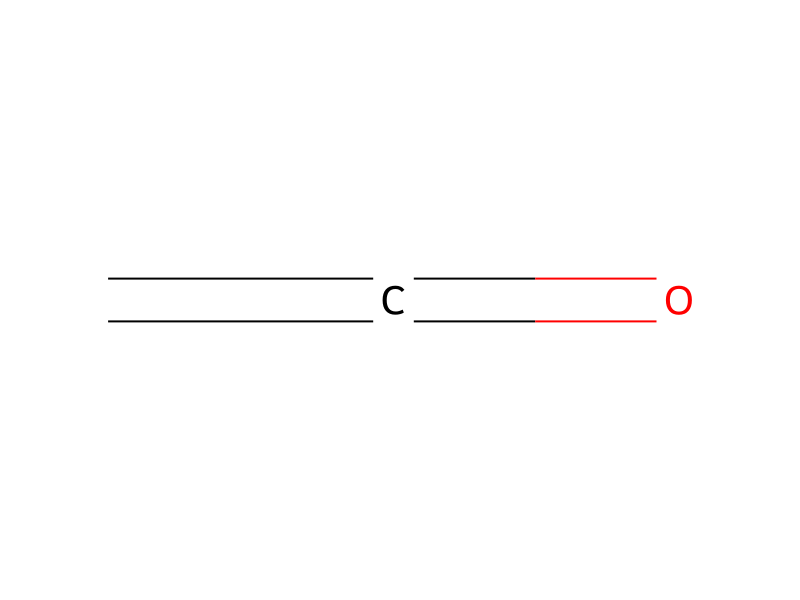
Ethenon
Ketene
Grundinformationen
- CAS
12071-23-7- Standard-SMILES
C=C=O- InChIKey
CCGKOQOJPYTBIH-UHFFFAOYSA-N- Summenformel
- C2H2O
- Durchschnittliche Molmasse
- 42,04 g/mol
- Monoisotopische Masse
- 42,01056468
Überblick
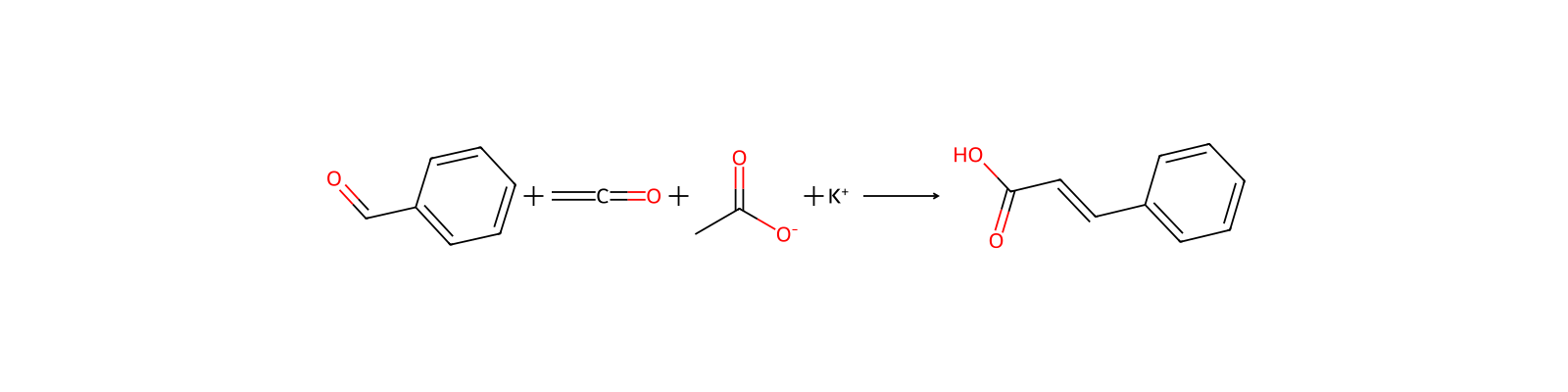
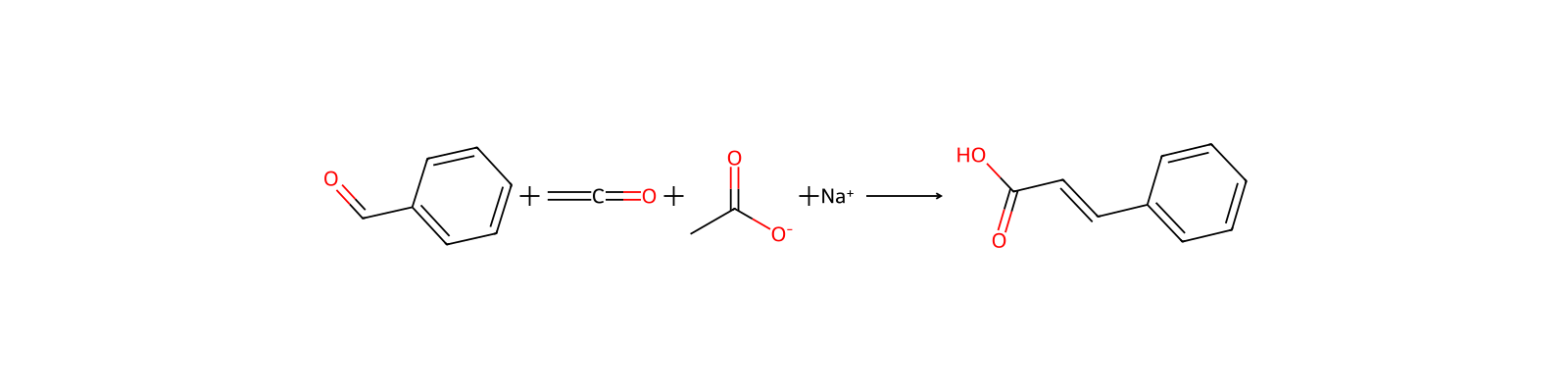
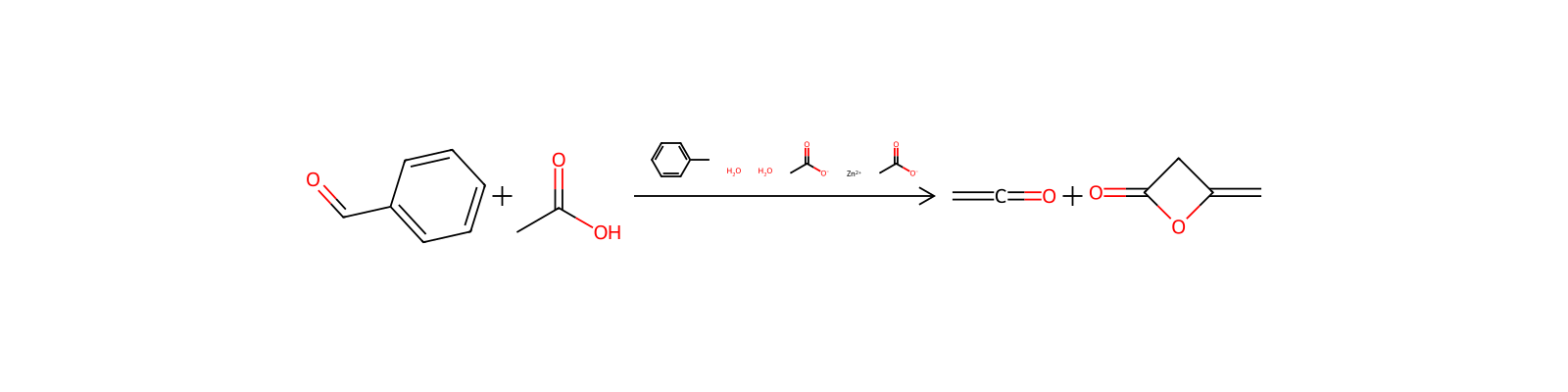
Ketene appears as a colorless highly reactive gas with a penetrating odor. mp: -150 °C, bp: -56 °C. Reacts violently with water. Soluble in diethyl ether and acetone. Severely irritates the eyes, the skin and the respiratory tract. Used is the manufacture of acetic anhydride, sorbic acid, cinnamic acids, chloroacetyl chloride and other materials. Readily polymerizes and cannot be shipped or stored. Is obtained instead as needed from diketene. DIKETENE (CAS: 674-82-8; Formula: C4H2O2 ) is a colorless liquid with a pungent odor. mp: -6.5 °C; bp: 127 °C. Density 1.08 g/cm3. Reacts violently with water. Is obtained from the dimerization of ketene and can be stored and transported under refrigeration. A severe lachrymator (irritates the eyes, the respiratory tract, and the skin as well). Depolymerizes at 650 °C to give ketene.
Namen und Bezeichner
- Bevorzugter Name
- Ketene
- IUPAC
- ethenone
- Lokaler Name
- Ethenon
- Englischer Name
- ketene
- Summenformel
- C2H2O
- Molmasse
- 42.04
Namen und Synonyme
EthenoneKETENECarbometheneKeto-ethylene463-51-4LEP3SM032ADTXSID1052113CHEBI:48003KETOETHYLENERefChem:794269DTXCID3030682CHEBI:48002
Weitere Namen anzeigen
carbometeneEthen-1-oneketene ISO 9001:2015 REACH
207-336-9EthylenoneKETEN12071-23-7HSDB 633EINECS 207-336-9UNII-LEP3SM032Aoxoethylene
Datenbank-Bezeichner
- CAS
12071-23-7、463-51-4- PubChem CID
- 10038
- DTXSID
DTXSID1052113- ChEBI
CHEBI:48003- UNII
- LEP3SM032A
- EC Number
- 207-336-9
- Nikkaji
- J2.590I
Eigenschaften
Berechnete Struktureigenschaften
- XLogP
- 0,8
- Polarare Oberfläche (TPSA)
- 17,1 Ų
- H-Brücken-Donoren
- 0
- H-Brücken-Akzeptoren
- 1
- Frei drehbare Bindungen
- 0
- Schwere Atome
- 3
- Formalladung
- 0
- Komplexität
- 25,8
Experimentelle und physikochemische Eigenschaften
Chemical Classes
Toxic Gases & Vapors -> Other Toxic Gases & Vapors
Flammable agents - 3rd degree
SpringerMaterials PropertiesCoriolis coupling
Odor
PENETRATING ODOR
Penetrating odor.
TasteDISAGREEABLE TASTE
Density1.45(relative gas density)
Color/Form
COLORLESS GAS
Colorless gas.
Solubility
Reacts with water (NIOSH, 2024)
SLIGHTLY SOL IN ETHER
Fairly sol in acetone
Solubility in water: reaction
Reacts
Flash Point
Flammable gas
NA (Gas)
Boiling Point
Sicherheit und Regulatorisches
Sicherheitsangaben dienen nur zur Orientierung und ersetzen weder das Sicherheitsdatenblatt (SDB) des Lieferanten noch geltende Vorschriften oder eine fachliche Bewertung.
GHS-Klassifizierung
GHS Classification
Danger
H220 (100%): Extremely flammable gas [Danger Flammable gases]
P203, P210, P222, P260, P261, P264, P264+P265, P271, P280, P284, P302+P352, P304+P340, P305+P354+P338, P316, P317, P319, P320, P321, P332+P317, P362+P364, P377, P381, P403, P403+P233, P405, and P501 (click each P-code to see the statement)
Aggregated GHS information provided per 111 reports by companies from 2 notifications to the ECHA C&L Inventory. Each notification may be associated with multiple companies.
Danger
H220: Extremely flammable gas [Danger Flammable gases]
Gefahrenhinweise
Regulatory Information
Chemical: Ethenone
Ketene: Does not have an individual approval but may be used as a component in a product covered by a group standard. It is not approved for use as a chemical in its own right.
The New Jersey Worker and Community Right to Know Act requires public and private employers to provide information about hazardous substances at their workplaces. (N.J.S.A. 34:5A-1 et. seq.)
DOT LabelPoison Inhalation Hazard Flammable Liquid
Fire Hazards
Excerpt from ERG Guide 131 [Flammable Liquids - Toxic; polymerization hazard]:
Extremely flammable. Gas/air mixtures are explosive.
Health HazardsExcerpt from NIOSH Pocket Guide for Ketene:
Hazards Summary
TLV Basis is pulmonary edema, lung damage, and eye irritation. Animal studies show that ketene is an inhalation irritant with toxicity similar to that of phosgene. [ACGIH] A severe irritant of the skin, eyes, and respiratory tract; [CAMEO] Reacts violently with water producing acetic acid; A skin, eye, and respiratory tract irritant; Inhalation may cause pulmonary edema; Chronic or repeated exposure may cause emphysema and fibrosis; [ICSC] Causes acute pulmonary edema, other changes in lungs, thorax, or respiration, convulsions, and dyspnea in lethal-concentration inhalation studies of rodents; [RTECS]
Chemie und Industrie
Verwendung und Herstellung
Uses
Used in the synthesis of acetic anhydride and other organic chemicals; [ACGIH] Polymerizes readily and cannot be stored. Obtained from diketene; [CAMEO]
CONVERSION OF HIGHER ACIDS INTO THEIR ANHYDRIDES
ACETYLATION IN MFR OF CELLULOSE ACETATE & ASPIRIN
PRINCIPALLY CHEM INT FOR ACETIC ANHYDRIDE FROM ACETIC ACID; FOR DEHYDROACETIC ACID AND ACETOACETIC ESTERS; FOR ACETOACETANILIDE & N,N-DIALKYLACETOACETAMIDES
Acetylating agent, generally reacting with compounds having an active hydrogen atom; reacts with ammonia to give acetamide. Starting point for making various commercially important products, especially acetic anhydride and acetate esters.
Methods of Manufacturing
BY THERMAL DECOMPOSITION OF ACETONE, DIKETENE OR ACETIC ANHYDRIDE.
PYROLYSIS OF ACETONE OR ACETIC ACID BY PASSING ITS VAPOR THROUGH A TUBE AT 500-600 °C.
General Manufacturing InformationEthenone: ACTIVE
Anwendungen
VerwendenFor the conversion of higher acids into their anhydrides; for acetylation in the manufacture of cellulose acetate and aspirin.
Vor- und nachgelagerte Produkte
Vorgelagerte Rohstoffe
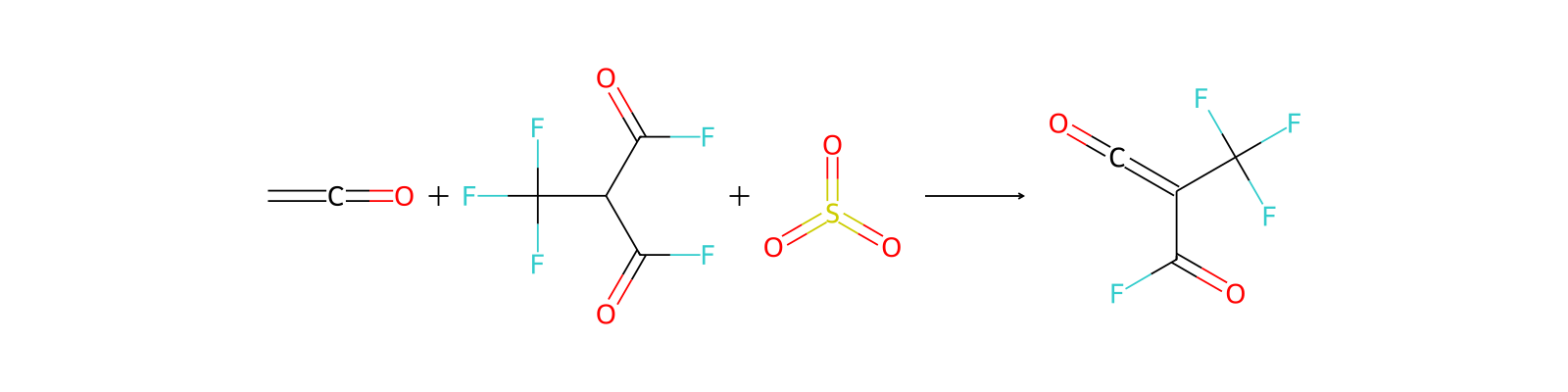
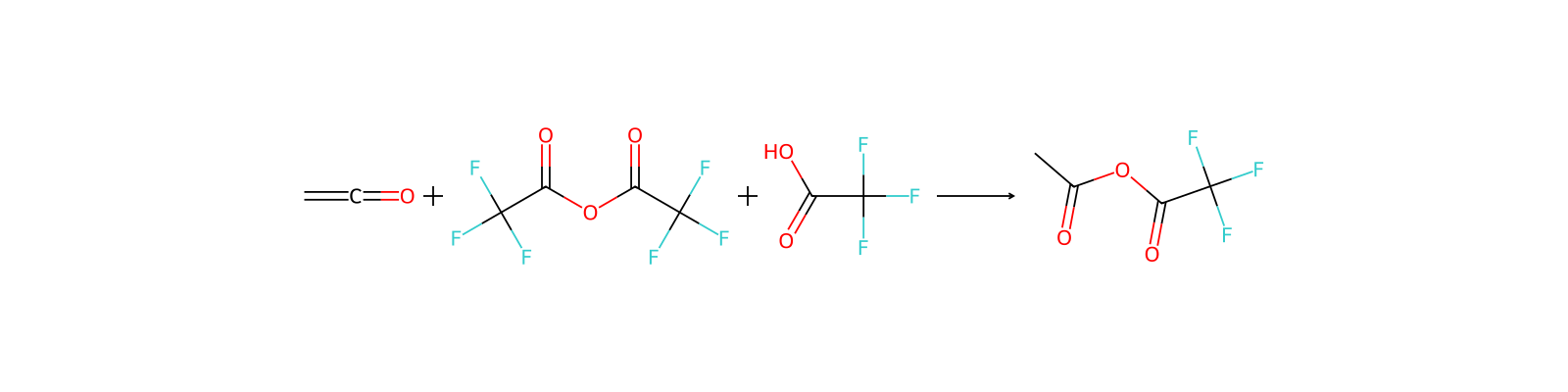
Zugehörige Reaktionen
49



Notizen zur Verbindung
Wird geladen…