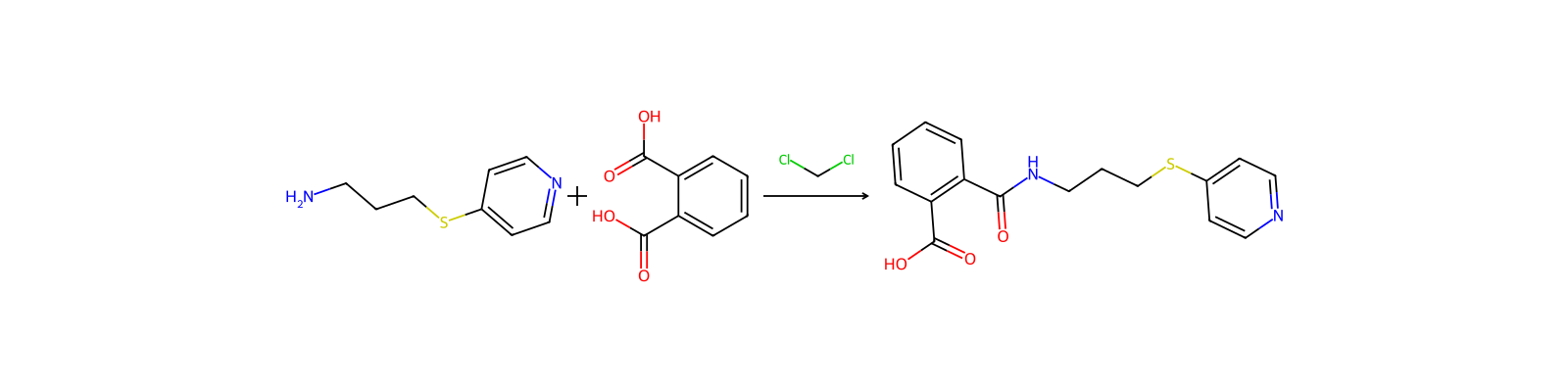

Grundinformationen
- Standard-SMILES
O=C(O)c1ccccc1C(=O)O- InChIKey
XNGIFLGASWRNHJ-UHFFFAOYSA-N- Summenformel
- C8H6O4
- Durchschnittliche Molmasse
- 166,13 g/mol
- Monoisotopische Masse
- 166,02660867
Überblick
Phthalic acid appears as white crystals or fine white powder. (NTP, 1992)
Namen und Bezeichner
- Bevorzugter Name
- Phthalic Acid
- IUPAC
- phthalic acid
- Lokaler Name
- Phthalsure
- Englischer Name
- Phthalic acid
- Summenformel
- C8H6O4
- Molmasse
- 166.13
Namen und Synonyme
phthalic acid88-99-31,2-benzenedicarboxylic acido-phthalic acidbenzene-1,2-dicarboxylic acido-dicarboxybenzeneo-benzenedicarboxylic acidAcide phtaliqueKyselina ftalovaortho-phthalic acidDTXSID80214846O7F7IX66E
Weitere Namen anzeigen
Phthalic acid,99%1,2-dicarboxybenzeneFluorescein EP Impurity BNSC 5348PhthalsureSunftal 20
NSC-5348DTXCID901484CHEBI:29069hydron;phthalateRefChem:6136201-873-2Pathalic acidOrthophthalic acid
Datenbank-Bezeichner
- CAS
88-99-3- PubChem CID
- 1017
- DTXSID
DTXSID8021484- ChEMBL
CHEMBL1045- ChEBI
CHEBI:29069- UNII
- 6O7F7IX66E
- EC Number
- 201-873-2
- Nikkaji
- J3.547E
Eigenschaften
Berechnete Struktureigenschaften
- XLogP
- 0,7
- Polarare Oberfläche (TPSA)
- 74,6 Ų
- H-Brücken-Donoren
- 2
- H-Brücken-Akzeptoren
- 4
- Frei drehbare Bindungen
- 2
- Schwere Atome
- 12
- Formalladung
- 0
- Komplexität
- 177
Experimentelle und physikochemische Eigenschaften
Chemical Classes
Other Classes -> Organic Acids
Phthalate
DrugsPharmaceuticals -> Listed in ZINC15
PesticidesEnvironmental transformation -> Pesticide transformation products (metabolite, successor)
LogP
log Kow = 0.73
0.73
0.73
Density
1.593 at 68 °F (NTP, 1992) - Denser than water; will sink
1.593 g/cu cm at 15 °C
Density/specific gravity: 9.4864 kmol/cu m @ 20 °C
Relative density (water = 1): 1.6
1.593
2.18 @ 191°C
Color/Form
Colorless crystals
Plates from water
Solubility
less than 1 mg/mL at 68 °F (NTP, 1992)
Soluble in alcohol; sparingly soluble in ether
1 g dissolves in 160 ml water, 10 ml alc, 205 ml ether, 5.3 ml methanol; practically insol in chloroform
In water, 6,965 mg/L at 25 °C
7.01 mg/mL at 25 °C
Flash Point
334 °F (NTP, 1992)
334 °F (168 °C) (Closed cup)
168 °C c.c.
334 °F
Boiling Point
Decomposes (NTP, 1992)
Decomposes
Boiling point = 598.00 K (Based on predicted value for phthalic acid by Meissner's method with a suitable adjustment for isomerism based on similar compound relationships.)
decomposes
Decomposition
When heated to decomposition it emits acrid smoke and irritating fumes.
191 °C
Melting Point
410 to 412 °F (decomposes) (NTP, 1992)
Decomposes at 230 °C
Melting point: ca. 210 °C, converted into phthalic anhydride with the elimination of water.
Triple point temperature and pressure = 464.15 K (estimated to be equal to the melting point), 7.8183X10+3 Pa
Melting point = 464.15 K (determined in a sealed tube)
Vapor Density
5.73 (AIR= 1)
Relative vapor density (air = 1): 5.7
Physikochemische Eigenschaften
- Schmelzpunkt
- 210 · 210-211 °C (dec.) (lit.)
- Siedepunkt
- 214.32 °C · 214.32°C (rough estimate)
- Dichte
- 1.59 g/cm3 · 1.59 g/cm3 at 15 °C
- Dampfdruck
- 7.8 hPa · 7.8 hPa (191 °C)
- Brechungsindex
- 1.51 · 1.5100 (estimate)
- Flammpunkt
- 168 °C · 168 °C
- storage temp.
- 30 °C · Store below +30°C.
- Löslichkeit
- 0.1 g/mL, · methanol: 0.1 g/mL, clear
- pka
- 2.89 · 2.89(at 25℃)
- Aggregatzustand
- Powder
- Farbe
- White
- PH
- 3.2 · 3.2(1 mM solution);2.55(10 mM solution);2(100 mM solution);
- Wasserlöslichkeit
- 7 g/L · 7 g/L (25 ºC)
- Spezifische Wärmekapazität
- 1.13 J/ · Cp(crystal): 1.13 J/(g·K), at 25℃
- Merck
- 14 · 14,7371
- BRN
- 608199 · 608199
- Henry's Law Constant
- 4.9 · 4.9×105 mol/(m3Pa) at 25℃, Duchowicz et al. (2020)
- Dielectric constant
- 5.1 · 5.1(Ambient)
- Stabilität
- Stable. Combustible. Incompatible with strong oxidizing agents.
- InChI
- 1S/C8H6O4/c9-7(10)5-3-1-2-4-6(5)8(11)12/h1-4H,(H,9,10)(H,11,12)
- InChIKey
- XNGIFLGASWRNHJ-UHFFFAOYSA-N
- SMILES
- OC(C1=C(C(O)=O)C=CC=C1)=O
- LogP
- 0.73 at · 0.73 at 20℃
- CAS Datenbank
- 88 · 88-99-3(CAS DataBase Reference)
- NIST chemische Informationen
- 1 · 1,2-Benzenedicarboxylic acid(88-99-3)
- EPA chemische Informationen
- Phthalic acid (88-99-3)
Sicherheit und Regulatorisches
GHS-Klassifizierung
GHS Classification
Danger
H360D ***: May damage the unborn child [Danger Reproductive toxicity]
P203, P280, P318, P405, and P501 (click each P-code to see the statement)
This chemical does not meet GHS hazard criteria for 1.1% (3 of 284) of reports.
Danger
H315 (47.5%): Causes skin irritation [Warning Skin corrosion/irritation]
Gefahrenhinweise
Regulatory Information
Chemical: 1,2-Benzenedicarboxylic acid
Regulation (EC) No 1107/2009 (amended)
Status: Active Update: 16-12-2020 https://echa.europa.eu/registration-dossier/-/registered-dossier/10004
Phthalic acid: Does not have an individual approval but may be used under an appropriate group standard
Fire Hazards
This chemical is combustible. (NTP, 1992)
Combustible. Finely dispersed particles form explosive mixtures in air.
Fire PotentialCombustible when heated.
Health HazardsSYMPTOMS: Symptoms of exposure to this compound may include irritation of the skin, eyes, mucous membranes, and respiratory passages. In high concentrations, it can cause narcosis.
Hazards Summary
A skin, eye, and respiratory tract irritant; [ICSC] Irritating to skin and mucous membranes; No data available on possible toxic effects after ingestion; [HSDB] A skin, eye, mucous membrane, and respiratory tract irritant; Inhalation of high concentrations can cause CNS depression; [CAMEO] Causes somnolence and ataxia in lethal-dose feeding studies of mice; [RTECS] No evidence of teratogenicity in animal studies; No human data; [REPROTOX] An irritant; [MSDSonline]
FDA Requirementso-Phthalic acid is an indirect food additive for use as a component of adhesives.
Reactive GroupAcids, Carboxylic
Reactivity ProfilePHTHALIC ACID is a carboxylic acid. This chemical is sensitive to exposure to extreme heat. This compound reacts violently with nitric acid. It is incompatible with sodium nitrite. It is also incompatible with oxidizers. (NTP, 1992).
Chemical DangersThe solution in water is a weak acid.
Physical DangersDust explosion possible if in powder or granular form, mixed with air.
Air and Water ReactionsInsoluble in water.
NFPA Hazard Classification
1 - Materials that, under emergency conditions, can cause significant irritation.
1 - Materials that must be preheated before ignition can occur. Materials require considerable preheating, under all ambient temperature conditions, before ignition and combustion can occur.
0 - Materials that in themselves are normally stable, even under fire conditions.
Sicherheit und Schutzausrüstung
Fire Fighting
Fires involving this material can be controlled with a dry chemical, carbon dioxide or Halon extinguisher. (NTP, 1992)
Use water spray, powder, alcohol-resistant foam, carbon dioxide.
First Aid Measures
Fresh air, rest.
Rinse and then wash skin with water and soap.
Rinse with plenty of water for several minutes (remove contact lenses if easily possible).
Rinse mouth.
First Aid
EYES: First check the victim for contact lenses and remove if present. Flush victim's eyes with water or normal saline solution for 20 to 30 minutes while simultaneously calling a hospital or poison control center. Do not put any ointments, oils, or medication in the victim's eyes without specific instructions from a physician. IMMEDIATELY transport the victim after flushing eyes to a hospital even if no symptoms (such as redness or irritation) develop.
Firefighting HazardsEvaporation at 20 °C is negligible; a nuisance-causing concentration of airborne particles can, however, be reached quickly.
Fire Fighting ProceduresPowder, water spray, foam, carbon dioxide.
Cleanup MethodsSweep spilled substance into containers; if appropriate, moisten first to prevent dusting (extra personal protection: P1 filter respirator for inert particles).
Nonfire Spill Response
SMALL SPILLS AND LEAKAGE: Should a spill occur while you are handling this chemical, FIRST REMOVE ALL SOURCES OF IGNITION, then you should dampen the solid spill material with 60-70% ethanol and transfer the dampened material to a suitable container. Use absorbent paper dampened with 60-70% ethanol to pick up any remaining material. Seal the absorbent paper, and any of your clothes, which may be contaminated, in a vapor-tight plastic bag for eventual disposal. Solvent wash all contaminated surfaces with 60-70% ethanol followed by washing with a soap and water solution. Do not reenter the contaminated area until the Safety Officer (or other responsible person) has verified that the area has been properly cleaned.
Disposal Methods
SRP: The most favorable course of action is to use an alternative chemical product with less inherent propensity for occupational exposure or environmental contamination. Recycle any unused portion of the material for its approved use or return it to the manufacturer or supplier. Ultimate disposal of the chemical must consider: the material's impact on air quality; potential migration in soil or water; effects on animal, aquatic, and plant life; and conformance with environmental and public health regulations.
Spillage Disposal
Personal protection: particulate filter respirator adapted to the airborne concentration of the substance. Sweep spilled substance into covered containers. If appropriate, moisten first to prevent dusting. Wash away remainder with plenty of water.
Preventive Measures
Good local & general ventilation are required where phthalic acid is handled.
SRP: Local exhaust ventilation should be applied wherever there is an incidence of point source emissions or dispersion of regulated contaminants in the work area. Ventilation control of the contaminant as close to its point of generation is both the most economical and safest method to minimize personnel exposure to airborne contaminants.
NO open flames ... Prevent deposition of dust; closed system, dust explosion-proof electrical equipment and lighting ... PREVENT DISPERSION OF DUST ... Do not eat, drink, or smoke during work.
Eye PreventionWear safety spectacles.
Fire PreventionNO open flames. Closed system, dust explosion-proof electrical equipment and lighting. Prevent deposition of dust.
Toxikologische Informationen
Ecotoxicity Values
LC50; Species: Bufo bufo japonicus (Toad); Conditions: freshwater; static; Concentration: 36000 ug/L for 24 hr at 25 °C, pH 5.0 /formulated product/
LC50; Species: Bufo bufo japonicus (Toad); Conditions: freshwater; static; Concentration: >40000 ug/L for 24 hr at 25 °C, pH 6.0 /formulated product/
LC50; Species: Bufo bufo japonicus (Toad); Conditions: freshwater; static; Concentration: >40000 ug/L for 24 hr at 25 °C, pH 7.0 /formulated product/
LC50; Species: Bufo bufo japonicus (Toad); Conditions: freshwater; static; Concentration: >40000 ug/L for 24 hr at 25 °C, pH 8.0 /formulated product/
For more Ecotoxicity Values (Complete) data for PHTHALIC ACID (10 total), please visit the HSDB record page.
Environmental Fate
TERRESTRIAL FATE: Based on a classification scheme(1), experimental Koc values of 2 to 31(2), indicate that phthalic acid is expected to have very high mobility in soil(SRC). Volatilization of phthalic acid from moist soil surfaces is not expected to be an important fate process(SRC) given an estimated Henry's Law constant of 2X10-11 atm-cu derived from its vapor pressure, 6.36X10⁻⁷ mm Hg(3), and water solubility, 6965 mg/L(4). Phthalic acid is not expected to volatilize from dry soil surfaces(SRC) based upon its vapor pressure(3). Phthalic acid rapidly degraded in Chalmers soil (1.96% organic carbon, pH 6.0); 100% decomposition was obtained after 53 days(5).
TERRESTRIAL FATE: 14C-Phthalic acid (0.6-600 ppm) was added to the upper 15 cm of Norfolk sandy loam soil in 21 cm high pots and planted with wheat/corn or soybeans/fescue in greenhouse studies(1). The average half-life of phthalic acid (assuming a linear decay) was 37 days for all plantings and application rates. A balance sheet indicated that an average of 5.7% of the originally applied 14C was recovered from soil and plants at the end of the experiment (80 days); most of the phthalic acid was lost through volatilization or decomposition(1). A study was conducted at a plant site where an industrial waste from a terphthalic acid manufacturing facility was injected into the subsurface (259-305 m)(2). While phthalic acid was present at an avg concn of 76 mg/L in the injected waste, phthalic acid was not present in 3 monitoring wells, 2-4 years post injection(2). When phthalic acid was applied at 448,144 kg/ha to field plots in Muskegon City, MI and tilled to 6 inches within 5 days, the 3 plot average in the 0-6 inch layer was 557 ug/kg after 5 days, 424 ug/kg after 122 days and 0 ug/kg after 241 days(3). No phthalic acid was detected in the 9-15 inch core at any of the sampling times(3). No phthalic acid was present in the soil prior to application(3).
AQUATIC FATE: Based on a classification scheme(1), experimental Koc values of 2 and 31(2), indicate that phthalic acid is not expected to adsorb to suspended solids and sediment(SRC). Volatilization from water surfaces is not expected(3) based upon an estimated Henry's Law constant of 2X10-11 atm-cu m/mole(SRC), derived from its vapor pressure, 6.36X10⁻⁷ mm Hg(4), and water solubility, 6965 mg/L(5). According to a classification scheme(6), an estimated BCF of 3(SRC), from its log Kow(7) and a regression-derived equation(8), suggests the potential for bioconcentration in aquatic organisms is low(SRC). Phthalic acid completely disappeared from Mississippi River water in 2.5 to 5 wk at concns of 12.5 and 50 mg/L, respectively(9).
ATMOSPHERIC FATE: According to a model of gas/particle partitioning of semivolatile organic compounds in the atmosphere(1), phthalic acid, which has a vapor pressure of 6.36X10⁻⁷ mm Hg at 25 °C(2), will exist in both the vapor and particulate phases in the ambient atmosphere. Vapor-phase phthalic acid is degraded in the atmosphere by reaction with photochemically-produced hydroxyl radicals(SRC); the half-life for this reaction in air is estimated to be 13 days(SRC), calculated from its rate constant of 1.24X10⁻¹² cu cm/molecule-sec at 25 °C(SRC) that was derived using a structure estimation method(3). Particulate-phase phthalic acid may be removed from the air by wet or dry deposition(SRC). Due to its high water solubility and polar nature, phthalic acid is associated with water droplets(4) in the atmosphere and effectively scavenged by rain(5). Experiments suggest that diacids, which mostly exist as particles (aerosols) in the atmosphere, are removed more efficiently during wet precipitation than most water soluble compounds(5).
Adverse EffectsNeurotoxin - Other CNS neurotoxin
Plant ConcentrationsBefore the widespread use of phthalate esters, phthalic acid was detected, but not quantified, in raspberries and poppies and the concn in tobacco leaf was 0.02% dry wt(1).
Signs and Symptoms
Cough. Sore throat.
Redness.
Redness.
Sore throat.
Acute Toxicity LinkChemical: PHTHALIC ACID
Effluent Concentrations
In a comprehensive survey of wastewater from 4000 industrial and publicly owned treatment works (POTWs) sponsored by the Effluent Guidelines Division of the U.S. EPA, phthalic acid was identified in discharges of the following industrial categories (positive occurrences, median concn in ppb): leather tanning (3; 8.8), nonferrous metals (5; 5.0), paint and ink (6; 69.8), printing and publishing (1; 126.2), organics and plastics (5; 269.5), textile mills (3; 46.1), plastics and synthetics (6; 78.3), auto and other laundries (3; 22.9), pesticides manufacture (2; 2986.4), explosives (18; 29.5), foundries (7; 11.8), aluminum (3; 7.4), electronics (6; 60.6), organic chemicals (19; 32.3), mechanical products (2; 11.3), publicly owned treatment works (4; 3.3)(1). The highest effluent concns, and the only ones >1 ppm were 5969 ppb and 4761 ppb in the pesticides manufacture and organics and plastics industries(1). Effluent samples from the Kimberly-Clark Terrace Bay Mill in 1981 contained 0.16 and 0.56 mg/L of phthalic acid(2). Phthalic acid was found in effluent from advanced wastewater treatment plants in Lake Tahoe CA, Orange County CA, Dallas TX, and Washington DC (Blue Plains plant)(3). Phthalic acid was found at concns of 566.9 ug/L of fuel burned from motor vehicle traffic in a Los Angeles roadway tunnel(4). Phthalic acid was found in automobile exhaust: 1982 Toyota Corolla 15 nmol/cu m; 1971 Mercedes Benz 214 nmol/cu m(5).
/detected/ in primary sewage plant effluent: 2 mg/L
Soil Adsorption/Mobility
The Koc values were determined for an acidic forest soil (Podzol, 4.85% organic carbon, pH 2.8), an agricultural soil (Alfisol, 1.25% organic carbon, pH 6.7) and a sublimnic soil (sediment from Lake Constance, Germany, 1.58% organic carbon, pH 7.1) as 31, 2 and 2, respectively(1). According to a classification scheme(2), these Koc values suggest that phthalic acid is expected to have very high mobility in soil. Phthalic acid adsorbs strongly to aluminum and iron oxides via a surface ligand exchange reaction(3). Adsorptivity is sensitive to pH; for aluminum oxide the fraction absorbed is >0.8 below pH 6 and falls below 0.1 above pH 7.5(3).
Natural Pollution Sources
Phthalic acid in soil may originate from lignin-type organic matter (phenols) which may be converted to aromatic diacids by microbial action(1). Phthalic acid has been found in Russian shale, bacteria, fungus, and Lily of the Valley oil (trace)(2).
Atmospheric Concentrations
URBAN/SUBURBAN: The ambient annual average concn of phthalic acid in fine particle organic compounds at four sites on a west to east trajectory, West Los Angeles, downtown Los Angeles, Pasadena, and Rubidouc for 1982 were 60.6, 60.0, 55.7 and 53.5 ng/cu m, respectively(1). 24-Hr samples were collected at 6 day intervals over the year(1). Concns were lowest from Sept to January and highest in February(1). The concn of phthalic acid at a background site on San Nicolas Island, west of Los Angeles, averaged <0.03 ng/cu m from July to December(1). In a study of long-term transport of photochemical air pollution from coastal areas in Japan with large emission sources to inland mountains, the resulting mean concns of phthalic acid in airborne aerosols in a plume at Takasaki (July 26-31, 1986) and Karuizawa (July 29-31, 1986) were 22.1 and 19.5 ng/cu m, respectively(2). Phthalic acid was identified in airborne particulate matter from a suburban area 60 km northeast of Tokyo, Japan in April 1985(3). The concn range of phthalic acid in aerosol samples (n=21) collected from the spring of 1988 to the winter of 1989 in Tokyo, Japan was 4.9-30 ng/cu m(4).
URBAN/SUBURBAN: Monitoring of phthalic acid in Los Angeles, CA in 1984: West Los Angeles (n=8) 0.12-1.76 nmol/cu m; downtown (n=2) 1.38-1.95 nmol/cu m; greenhouse (n=2) 0.15-0.55 nmol/cu m(1). Atmospheric concns of phthalic acid were measured in the southeastern United States from April 1999 to January 2000; North Birmingham, Al 5.88 ng/cu m, Jefferson Street, Atlanta, GA 5.98 ng/cu m, Gulfport, MS 2.32 ng/cu m, Pensacola, FL 2.87 ng/cu m and OLF#8, FL 2.07 ng/cu m(3). Tokyo aerosol concns: Feb 1992 (n=2): 130 ng/cu m, 85 ng/cu m; July 1992: (n=2) 135 ng/cu m, 157 ng/cu m(2). Phthalic acid was the third most abundant diacid in Tokyo, Japan aerosols(2). A study of water-soluble organic compounds in urban atmospheric particles from Kobe City, Japan found that phthalic acid was detected in the 0.43-1.1 um size fraction with concentrations of <2.80 ng/cu m from Aug 3-14, 1998, 3.03 ng/cu m from Oct 7-19, 1998, 4.20 ng/cu m from Mar 1-26, 1999 and 3.64 ng/cu m from Apr 27- May 17, 1999(4).
URBAN/SUBURBAN: Wintertime atmospheric concentrations of phthalic acid were measured in Fresno, CA as 9.16 ng/cu m for the sampling period Dec 26-28, 1995 and 9.09 ng/cu m for the sampling period of Jan 4-6, 1996(1). Wintertime concentrations were also measured in Bakersfield, CA as 6.78 ng/cu m for the sampling period Dec 26-28, 1995 and 13.1 ng/cu m for the sampling period of Jan 4-6, 1996(9). Five urban sites were analyzed for phthalic acid in southern California in 1995; Long Beach 3.51 ng/cu m, Mira Loma 3.19 ng/cu m, Riverside 4.51 ng/cu m, San Dimas 4.54 ng/cu m and Upland 4.07 ng/cu m(2). Continental background aerosol levels of phthalic acid were measured in Tokyo, Japan, Vienna, Austria and Los Angeles, CA at 135 ng/cu m, 18 ng/cu m and 60 ng/cu m, respectively(3). Samples taken from four sites in the Los Angeles, CA area September 8-9, 1993 found an average of 80.2 ng/cu m of phthalic acid in atmospheric fine particulates(4).
INDOOR AIR: Phthalic acid was identified in particulate matter in air in Chinese homes burning smokeless coal(1).
RURAL/REMOTE: Atmospheric concentrations of phthalic acid were measured in the southeastern United States from April 1999 to January 2000; Centreville, AL 5.94 ng/cu m, Yorkville, GA 3.59 ng/cu m and Oak Grove, MS 2.54 ng/cu m(1). Wintertime atmospheric concentrations of phthalic acid were measured in Kern Wildlife Refuge, CA as 4.71 ng/cu m for the sampling period Dec 26-28, 1995 and 5.43 ng/cu m for the sampling period of Jan 4-6, 1996(2). Four rural sites were analyzed for phthalic acid in southern California in 1995; Atascadere 4.13 ng/cu m, Lake Elsinore 3.01 ng/cu m, Lompoc 1.39 ng/cu m and Santa Maria 1.97 ng/cu m(3). Two mountain sites and one desert site were also analyzed; Alpine 4.6 ng/cu m, Lake Arrowhead 8.17 ng/cu m and Lancaster 2.99 ng/cu m(3). Continental background aerosol levels of phthalic acid were measured in South Africa, Salzburg, Austria and Antarctica at 3.3 ng/cu m, 3.3 ng/cu m and 1.7 ng/cu m, respectively(4). Concentrations of phthalic acid were measured in arctic aerosols from July of 1987 to June of 1988 ranging from <0.005 ng/cu m to 5.8 ng/cu m(5).
Human Toxicity Excerpts
/SIGNS AND SYMPTOMS/ There have been reports of conjunctivitis, bloody nasal excreta, atrophy of nasal mucosa, hoarseness, cough and bronchitis in workers employed on the production of phthalic acid and anhydride.
/SIGNS AND SYMPTOMS/ ACUTE ... SYMPTOMS: Inhalation--cough, sore throat. Skin--redness. Eyes--redness, pain.
/CASE REPORTS/ ... A factory worker has been in contact with raw tributyl tin phthalate on one leg. Soon after taking a hot-water bath, he developed severely painful erythema on this leg. Patch tests and chemical analysis revealed that hot water hydrolyzed tributyl tin phthalate and produced concentrated phthalic acid.
/EPIDEMIOLOGY STUDIES/ A large population based case control study evaluated occupational exposures in 1,098 Danish males diagnosed with multiple myeloma from 1970 to 1984 and in 4,169 age and gender matched controls alive at the time of case diagnosis. Associations with phthalates persisted, but were inconsistent with duration and probability of exposure. /Phthalates/
/OTHER TOXICITY INFORMATION/ The rapid proliferation of complex plastic polymers and resins has led to a marked incr of work induced asthma due to low molecular weight agents. Phthalates are frequently used in the manufacture of epoxy resins, plasticizers, adhesives and a wide variety of other materials. They have recently been identified as an important irritant and immunogen of at least four occupational respiratory syndromes, ie, asthma/rhinitis, late respiratory systemic syndrome,pulmonary disease-anemia syndrome, and an irritant reaction. /Phthalates/
Fish/Seafood ConcentrationsComposite biota samples from Lake Ponchartrain (New Orleans, LA) a shallow estuary in the Mississippi delta: Chef Menteur clams 630 ppb; Rigolete clams 330 ppb(1). Jellyfish (N. Atlantic) 0.01% wet wt(2).
Regulatorische Informationen
FDA Requirementso-Phthalic acid is an indirect food additive for use as a component of adhesives.
Sicherheitsdaten
- wgk
- 1
- tsca
- TSCA listed
- hs_code
- 29173980
- RTECS-Nr.
- TH9625000
- risk_code
- 36/37/38
- Toxizität
- LD50 orally in rats: 7.9 g/kg (Shaffer)
- hazard_code
- Xi
- safety_code
- 26-36-37/39
- Speicherklasse
- 11 - Combustible Solids
- Giftige Stoffe Daten
- 88-99-3(Hazardous Substances Data)
- Hazard Classifications
- Eye Dam. 1
Chemie und Industrie
Pharmakologische Informationen
Mechanism of Action
Although it is well established that high dose administration of di(2-ethylhexyl)phthalate and its monoester metabolite induces severe testicular atrophy in rats the mechanisms of this testicular injury Is not clear. The present experiment was undertaken to examine the effects of di(2-ethylhexyl) phthalate and mono(2-ethylhexyl)phthalate on mitochondrial functions of rat testis. Di(2-ethylhexyl)phthalate and di-n-octyl phthalate, a di(2-ethylhexyl) phthalate isomer which causes less severe testicular injury did not inhibit the state 3 oxygen consumption up to 0.65 umol/mL in vitro. On the other hand, mono(2-ethylhexyl)phthalate and mono-n-octyl phthalate a metabolite of di-n-octyl phthalate inhibited the state 3 oxygen-consumption down to a concentration of 0.065 amble/mL. Testicular mitochondrial respiratory functions of rats administered 2 g/kg di(2-ethylhexyl) phthalate were lower than those of control or di-n-octyl phthalate treated rats. These differences were verified by characteristics of pharmacokinetic parameters and testicular concentrations of mono(2-ethylhexyl)phthalate and mono-n-octyl phthalate. It nay be suggested that a possible mechanism of testicular atrophy induced by di(2-ethylhexyl) phthalate may be due to direct inhibition by mono(2-ethylhexyl)phthalate (and partially di(2-ethylhexyl)phthalate) of the respiratory functions of Sertoli cell mitochondria in rat testis.
... phthalic acid and nonylphenol stimulated PXR-mediated transcription at concentrations comparable to those at which they activate estrogen receptor-mediated transcription using a transient reporter gene expression assay in COS-7 cells.
Metabolism/Metabolites
Yields 4,5-dihydroxyphthalic acid in Pseudomonas. /FROM TABLE/
Dose effects of di(2-ethylhexyl)phthalate distribution, excretion, and binding to macromolecules were studied in rodents. The urinary di(2-ethylhexyl)phthalate metabolite profile was similar for all doses, except that free phthalic acid was 6 times greater on days 3 and 10 at the highest compared to the lowest dose.
The metabolism of di-(5-hexenyl)phthalate and di-(9-decenyl)phthalate was investigated in rats. Male CD rats received two oral doses of 3 to 12 uM/kg radiolabeled or unlabeled di-(5-hexenyl)phthalate and di-(decenyl)phthalate in cottonseed oil 24 hr apart. One third of the radioactivity was found in the urine. The metabolites were identified as mono-5-hexenyl-phthalate. Mono-5-hexenyl-phthalate comprised 21% of the total urinary phthalates while 5-hexenyl-phthalate glucuronide amounted to 13.2% and free 5-hexenyl-phthalate to 7.8%. In contrast no metabolites of di-(9-decenyl)phthalate were excreted as glucuronide conjugates and only a trace of free phthalic acid was detected although 40 to 50% of the compound was recovered in the urine. The distribution of the metabolic phthalates indicated a different metabolic pathway for di-(9-decenyl)phthalate and di-(5-hexenyl)phthalate. /It was/ concluded that the chemically reactive epoxide metabolite of phthalate with unsaturated side chains may play a role in the acute toxicity of di-(5-hexenyl)phthalate and di-(9-decenyl)phthalate.
Phthalate grown cells readily oxidized dibutylphthalate, phthalate, 3,4-dihydroxyphthalate and protocatechuate. Phthalate-3,4-dioxygenase (and possibly the dihydrodiol dehydrogenase) was induced by phthalate or a metabolite and subsequent enzymes were inducible by protocatechuate or a subsequent metabolic product. During growth at 37 °C, strain 12B gave clones at high frequency that had lost the ability to grow with phthalate esters.
For more Metabolism/Metabolites (Complete) data for PHTHALIC ACID (6 total), please visit the HSDB record page.
Absorption, Distribution and ExcretionProbably excreted as phthalic acid. /From table/
Tissue LocationsLiver
Verwendung und Herstellung
Uses
Used as an analytical and laboratory reagent and to make medicines, dyes, phenolphthalein, phthalimide, anthranilic acid, and synthetic perfumes; [HSDB]
... Medicine ... Organic synthesis. Analytical reagent.
Dyes, phenolphthalein, phthalimide, anthranilic acid, synthetic perfumes, laboratory reagent.
U.S. Production
This chemical is listed as a High Production Volume (HPV) (65FR81686). Chemicals listed as HPV were produced in or imported into the U.S. in >1 million pounds in 1990 and/or 1994. The HPV list is based on the 1990 Inventory Update Rule. (IUR) (40 CFR part 710 subpart B; 51FR21438).
(1972) PROBABLY GREATER THAN 4.54X10+5 G
(1975) PROBABLY GREATER THAN 4.54X10+5 G
Production volumes for non-confidential chemicals reported under the Inventory Update Rule. [Table#3110]
Methods of Manufacturing
Vapor-phase oxidation of naphthalene, catalyzed by vanadium and molybdenum oxides, followed by hydrolysis
Manufactured by catalytic oxidation of o-toluic acid and oxidation of xylene: Taylor, Dean, US 3064046 (1962 to I.C.I.); Cier, US 3088974 (1963 to Esso Res. & Eng.). Isolation from the fungus, Gibbererella fujikuroi.
Formulations/Preparations
Grade: Technical, reagent.
Typical assay (by titration) 99.5%/from sole US bulk producer/
Use Classification
Transformation products
Environmental transformation -> Pesticide transformation products (metabolite, successor)
METABOLITES
General Manufacturing Information
1,2-Benzenedicarboxylic acid: ACTIVE
o-Phthalic acid is seldom employed, since its anhydride is easier to use.
Phthalic anhydride is the principal commercial form of phthalic acid and it is presently manufactured by catalytic air oxidation of o-xylene or naphthalene.
Formed as a byproduct in the manufacture of phthalic anhydride.
Industrially unimportant.
Anwendungen
BeschreibungPhthalic acid is an aromatic dicarboxylic acid, with formula C6H4(CO2H)2. It is an isomer of isophthalic acid and terephthalic acid. Although phthalic acid is of modest commercial importance, the closely related derivative phthalic anhydride is a commodity chemical produced on a large scale.
VerwendenIt is a dibasic acid, with pKa's of 2.89 and 5.51. The mono potassium salt, potassium hydrogen phthalate is a standard acid in analytical chemistry. Typically phthalate esters are prepared from the widely available phthalic anhydride. Reduction of phthalic acid with sodium amalgam in the presence of water gives the 1,3- cyclohexadiene derivative.
Vor- und nachgelagerte Produkte
Vorgelagerte Rohstoffe
Nachgelagerte Produkte
Anbieter50 Anbieter
国药集团化学试剂有限公司86-21-63210123 · [email protected]
梯希爱(上海)化成工业发展有限公司021-67121386 · [email protected]
上海阿拉丁生化科技股份有限公司400-6206333 13167063860 · [email protected]
山东兴润达化工有限公司0534-18615348689 18615348689
Syntechem Co.,Ltd[email protected]
上海迈瑞尔生化科技有限公司4006356688 18621169109 · [email protected]
阿法埃莎(中国)化学有限公司400-6106006 · [email protected]
安耐吉化学&3A(安徽泽升科技股份有限公司)400-0056266 · [email protected]
北京绿百草科技发展有限公司010-61136123 · [email protected]
上海瀚鸿科技股份有限公司021-54306202 13764082696 · [email protected]
上海柯维化学技术有限公司021-64609169 18901607656 · [email protected]
成都普思生物科技股份有限公司028-85370565-229 18080489829 · [email protected]
上海隆盛化工有限公司58099637 13585536065 · [email protected]
孝感深远化工有限公司15527621225; 15527621225 · [email protected]
山东西亚化学有限公司13355009207 13355009207 · [email protected]
大赛璐药物手性技术(上海)有限公司021-50460086-9 15921403865 · [email protected]
玛雅试剂+86 (573) 82222445 (0)18006601000 452520369 · [email protected]
四川库利南科技有限公司400-1166-196 18981987031 · [email protected]
天津希恩思生化科技有限公司400 638 7771 · [email protected]
湖南汇百侍生物科技有限公司0731-85526065 13308475853 · [email protected]
斯百全化学(上海)有限公司021-021-021-67601398-809-809-809 15221380277 · [email protected]
上海源叶生物科技有限公司13636370518 · [email protected]
艾科试剂4008-755-333 18080918076 · [email protected]
上海思域化工科技有限公司86-21-34053660 · [email protected]
赛默飞世尔科技(中国)有限公司800-810-5118 · [email protected]
北京伊诺凯科技有限公司400-810-7969 010-59572699 · [email protected]
TCI AMERICA800-4238616 · [email protected]
TOKYO CHEMICAL INDUSTRY CO., LTD.03-36680489 · [email protected]
TCI Europe320-37350700 · [email protected]
深圳振强药物研发有限公司0755-66853366 13670046396 · [email protected]
广州爱纯医药科技有限公司020-39119399 18927568969 · [email protected]
北京环宇世纪化学科技有限公司hysj_bj.com
上海将来实业股份有限公司400-0066400 13621662912 · [email protected]
上海将来实业股份有限公司021-61552785 · [email protected]
日照力德士化工有限公司010-51268198 · [email protected]
美岚实业(上海)有限公司021-58958189 · [email protected]
上海爱蝶实业有限公司021-58957966 18930537195 · [email protected]
四川省维克奇生物科技有限公司028-81700200 18116577057 · [email protected]
成都零六生物科技有限公司400-1166-196 13458535857 · [email protected]
广拓化学(上海)有限公司021-60899189-8001 18918189673 · [email protected]
湖南华腾制药有限公司400-8592883 · [email protected]
上海御略医药科技有限公司021-60345187 13671753212 · [email protected]
上海麦克林生化科技股份有限公司15221275939 15221275939 · [email protected]
杭州杰恒化工有限公司0571-87396432 · [email protected]
上海永叶生物科技有限公司86-021-61559134 15921386130 · [email protected]
上海有朋化工有限公司021-69005955 13701776567 · [email protected]
北京海力扬化学科技有限公司13718199399 · [email protected]
北京欣赛维化学科技有限公司010-56218822 13717722232 · [email protected]
四川海诺威科技有限公司13708085536 13708085536 · [email protected]
上海凯赛化工有限公司021-33516722 13701817765 · [email protected]
Ergänzende Hinweise
Definitionphthalic acid: colourlesscrystalline dicarboxylic acid,C6H4(COOH)2; r.d. 1.6; m.p. 207°C.The two –COOH groups are substitutedon adjacent carbon atoms ofthe ring, the technical name beingbenzene-1,2-dicarboxylic acid. Theacid is made from phthalic anhydride(benzene-1,2-dicarboxylic anhydride,C8H4O3), which is made by the catalyticoxidation of naphthalene. Theanhydride is used in making plasticizersand polyester resins.
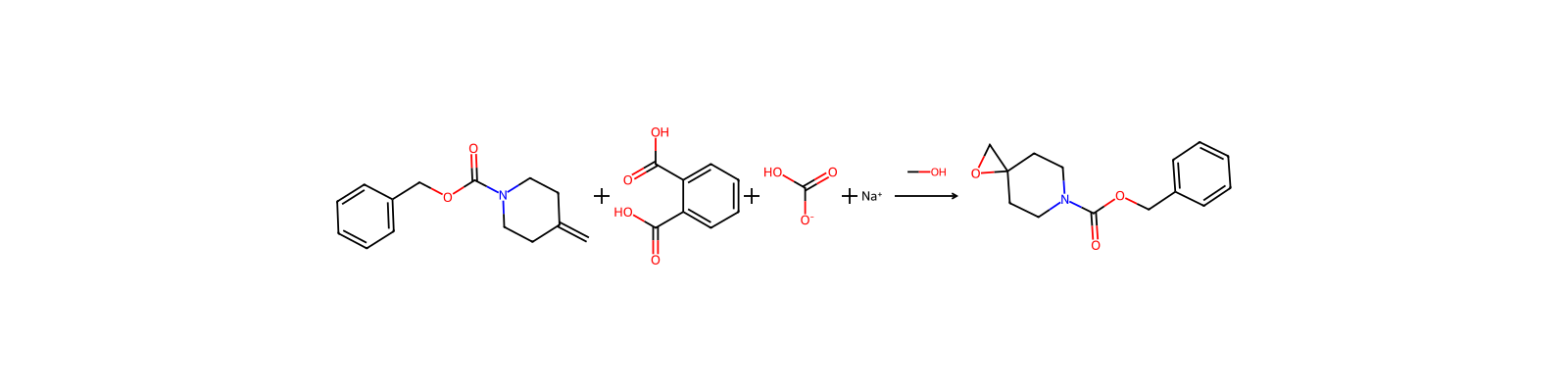
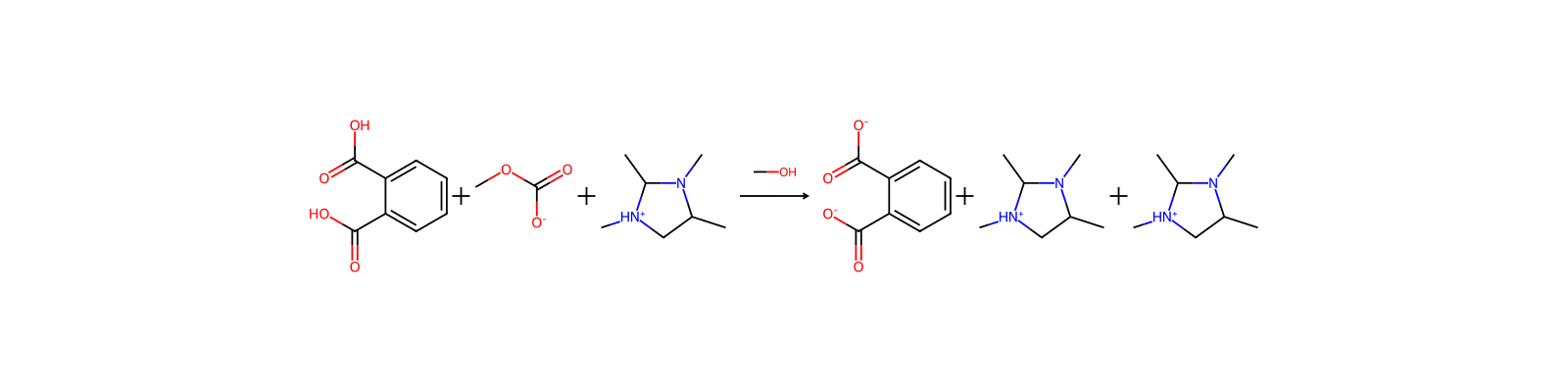
Zugehörige Reaktionen
112





Verknüpfte Notizen
Wird geladen…