
Pyridiniumchlorid
Pyridinium chloride

Grundinformationen
- CAS
628-13-7- Standard-SMILES
Cl.c1ccncc1- InChIKey
AOJFQRQNPXYVLM-UHFFFAOYSA-N- Summenformel
- C5H5N.ClH
- Durchschnittliche Molmasse
- 115,56 g/mol
- Monoisotopische Masse
- 115,01887687
Namen und Bezeichner
- Bevorzugter Name
- Pyridinium chloride
- IUPAC
- pyridine;hydrochloride
- Lokaler Name
- Pyridiniumchlorid
- Englischer Name
- Pyridine hydrochloride
- Summenformel
- C5H5N.ClH
- Molmasse
- 115.56
Namen und Synonyme
Pyridine hydrochloride628-13-7Pyridinium chloridePyridinium monochlorideDTXSID6027262DTXCID7072621U87419851RefChem:177567211-027-4PyridinehydrochloridePyridine, hydrochloridePyridine HCl
Weitere Namen anzeigen
Pyridine hydrochloriPyridine chlorhydratePyridine hydrochloridPyridine HydrochloroidePyridinehydrochloride,98%Pyridine Hydrochloride >
pyridiniumchlorideC5H6ClNpyridine;hydrochlorideMFCD00012802pyridine-hclPyridine, hydrochloride (1:1)EINECS 211-027-4pyridin-1-ium;chloride
Datenbank-Bezeichner
- CAS
628-13-7- PubChem CID
- 10176127
- DTXSID
DTXSID6027262- UNII
- 1U87419851
- EC Number
- 211-027-4
Eigenschaften
Berechnete Struktureigenschaften
- Polarare Oberfläche (TPSA)
- 12,9 Ų
- H-Brücken-Donoren
- 1
- H-Brücken-Akzeptoren
- 1
- Frei drehbare Bindungen
- 0
- Schwere Atome
- 7
- Formalladung
- 0
- Komplexität
- 30,9
Experimentelle und physikochemische Eigenschaften
Chemical ClassesNitrogen Compounds -> Pyridines
Physical DescriptionWhite solid; [Jubilant Life Sciences MSDS]
Physikochemische Eigenschaften
- Schmelzpunkt
- 145 · 145-147 °C(lit.)
- Siedepunkt
- 222 · 222-224 °C(lit.)
- Dichte
- 1.1182 · 1.1182 (rough estimate)
- Brechungsindex
- 1.5304 · 1.5304 (estimate)
- Flammpunkt
- 222 · 222-224°C
- storage temp.
- Inert atmosphere,Room Temperature
- Löslichkeit
- 50 mg/mL, · ethanol: soluble50mg/mL, clear, colorless to light yellow
- Aggregatzustand
- Crystals
- Farbe
- White to tan
- Wasserlöslichkeit
- 85 g/100 · 85 g/100 mL
- BRN
- 3615340 · 3615340
Sicherheit und Regulatorisches
Sicherheitsangaben dienen nur zur Orientierung und ersetzen weder das Sicherheitsdatenblatt (SDB) des Lieferanten noch geltende Vorschriften oder eine fachliche Bewertung.
GHS-Klassifizierung
GHS Classification
Warning
H302+H332 (25%): Harmful if swallowed or if inhaled [Warning Acute toxicity, oral; acute toxicity, inhalation]
P261, P264, P264+P265, P270, P271, P280, P301+P317, P302+P352, P304+P340, P305+P351+P338, P317, P319, P321, P330, P332+P317, P337+P317, P362+P364, P403+P233, P405, and P501 (click each P-code to see the statement)
Aggregated GHS information provided per 92 reports by companies from 13 notifications to the ECHA C&L Inventory. Each notification may be associated with multiple companies.
Gefahrenhinweise
Regulatory Information
Chemical: Pyridine, hydrochloride
Status: Active Update: 17-06-2019 https://echa.europa.eu/registration-dossier/-/registered-dossier/29273
Pyridinium chloride: Does not have an individual approval but may be used under an appropriate group standard
Hazards SummaryAn irritant; Harmful by ingestion; Targets the liver and kidneys; [Jubilant Life Sciences MSDS] See Pyridine.
Hazard Classes and CategoriesAcute Tox. 4 (100%)
Toxikologische Informationen
Adverse EffectsOccupational hepatotoxin - Secondary hepatotoxins: the potential for toxic effect in the occupational setting is based on cases of poisoning by human ingestion or animal experimentation.
Sicherheitsdaten
- F
- 3-10
Chemie und Industrie
Verwendung und Herstellung
UsesUsed as an intermediate for pharmaceuticals; [Jubilant Life Sciences MSDS]
General Manufacturing InformationPyridine, hydrochloride (1:1): ACTIVE
Darstellung
synthetischePyridine hydrochloride could be synthesized through the liquid-liquid synthesis method (pyridine and hydrochloric acid) and the gas-liquid synthesis method (pyridine and hydrogen chloride gas) respectively. The yield of the liquid-liquid synthesis method was 85% and the gas-liquid synthesis method was 92%.
Vor- und nachgelagerte Produkte
Nachgelagerte Produkte
Zugehörige Reaktionen
1.489


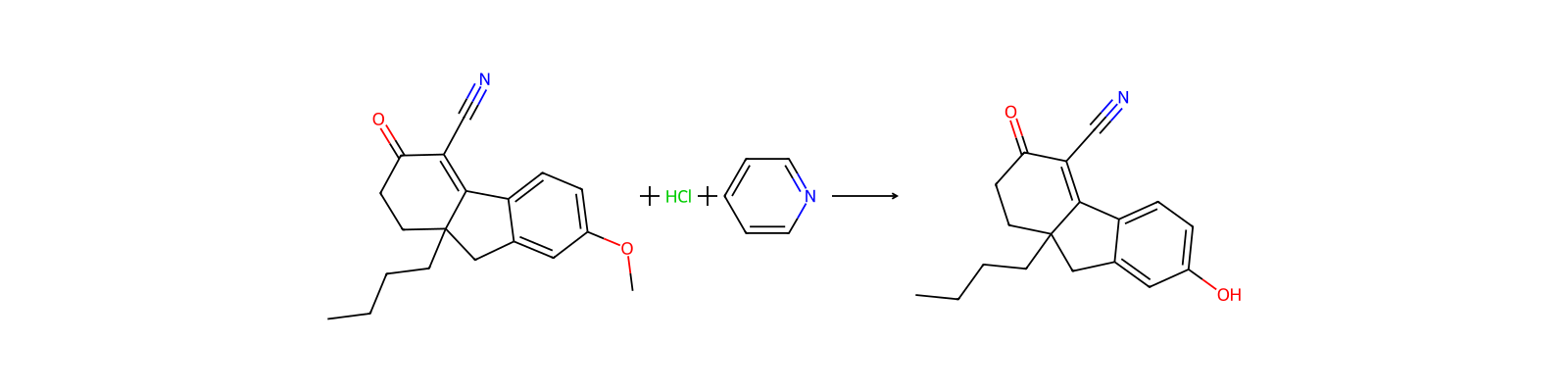

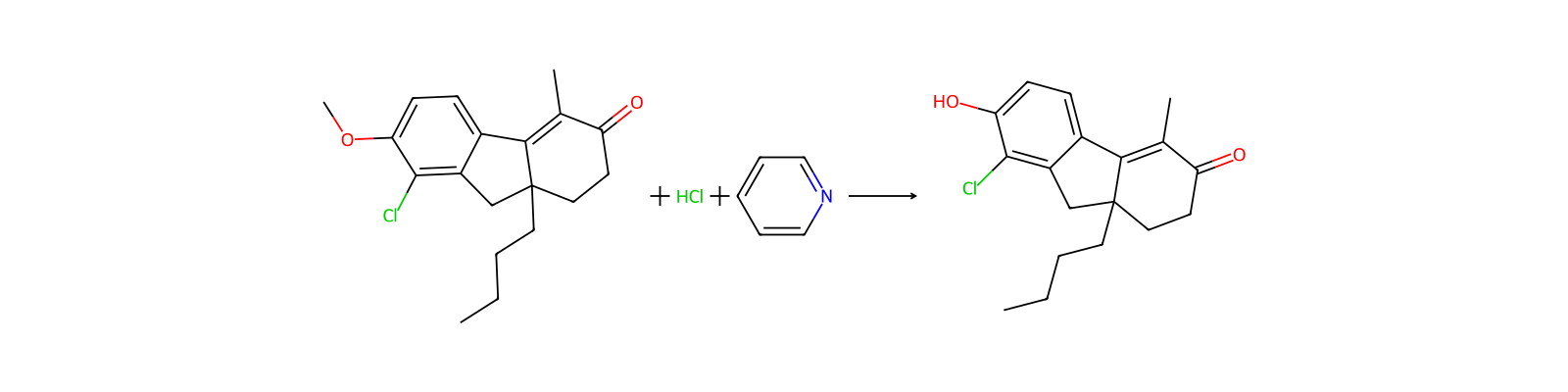


Notizen zur Verbindung
Wird geladen…