Chromtrioxid
chromium (VI) trioxide
Daten werden ergänzt – lade die Seite später neu, um den aktuellen Stand zu sehen

Grundinformationen
- CAS
1333-82-0- Standard-SMILES
[Cr+6].[O-2].[O-2].[O-2]- InChIKey
GAMDZJFZMJECOS-UHFFFAOYSA-N- Summenformel
- CrO3
- Durchschnittliche Molmasse
- 99,994 g/mol
Namen und Bezeichner
- Bevorzugter Name
- chromium (VI) trioxide
- IUPAC
- chromium(6+);tris(oxygen(2-))
- Lokaler Name
- Chromtrioxid
- Englischer Name
- Chromium(VI) oxide
- Summenformel
- CrO3
- Molmasse
- 99.99
Namen und Synonyme
chromium (VI) trioxideRefChem:576879chromiumtrioxidechromium(VI)oxideCHROMICUM ACIDUMSCHEMBL637CHROMIC TRIOXIDE [HSDB]CHROMICUM ACIDUM [HPUS]CHROMIUM(VI) OXIDE [MI]CHROMIUM TRIOXIDE [MART.]GAMDZJFZMJECOS-UHFFFAOYSA-NCHROMIUM TRIOXIDE [WHO-DD]
Weitere Namen anzeigen
CrO3CHROMIUM TRIOXIDECHROMIC ANHYDRIDEchromic acid solutiontrioxochromiumChromium(Ⅵ) oxideCHROMIC ACID ANHYDRIDEChromicChromic trioxideChrormic trioxide
Datenbank-Bezeichner
- CAS
1333-82-0- PubChem CID
- 10219390
- UNII
- 8LV49809UC
Eigenschaften
Berechnete StruktureigenschaftenWird ergänzt
- Polarare Oberfläche (TPSA)
- 3 Ų
- H-Brücken-Donoren
- 0
- H-Brücken-Akzeptoren
- 3
- Frei drehbare Bindungen
- 0
- Schwere Atome
- 4
- Formalladung
- 0
- Komplexität
- 0
Physikochemische Eigenschaften
- Schmelzpunkt
- 196 °C · 196 °C (dec.)(lit.)
- Siedepunkt
- 330 °C · 330 °C
- Dichte
- 2.7 · 2.7
- Dampfdruck
- 0 Pa · 0Pa at 25℃
- Flammpunkt
- 250 °C · 250°C
- storage temp.
- 30 °C · Store below +30°C.
- Löslichkeit
- 1.667 g/l · 1.667g/l
- Aggregatzustand
- macroporous
- pka
- -0.61 · -0.61[at 20 ℃]
- Farbe
- Reddish-violet
- Wichte
- 2.7 · 2.7
- PH
- 1 · <1 (100g/l, H2O, 20℃)
- Wasserlöslichkeit
- Highly soluble
- Spezifische Wärmekapazität
- 0.56 J/ · Cp(gas): 0.56 J/(g·K), at 25℃
- Merck
- 14 · 14,2235
- Stabilität
- Stable. Strong oxidizer. Reacts with most organic material in a violent and often explosive fashion. Moisture sensitive.
Sicherheit und Regulatorisches
Sicherheitsangaben dienen nur zur Orientierung und ersetzen weder das Sicherheitsdatenblatt (SDB) des Lieferanten noch geltende Vorschriften oder eine fachliche Bewertung.
Sicherheitsdaten
- OEB
- E
- OEL
- TWA: 0.0002 mg/m3 (8-hours)
- wgk
- 3
- IDLA
- 15 mg Cr(VI)/m3
- tsca
- TSCA listed
- ridadr
- UN 1463
- hs_code
- 28191000
- RTECS-Nr.
- GB6650000
- risk_code
- 45-46-9-24/25-26-35-42/43-48/23-50/53-62-8
- Toxizität
- LD50 oral (rat) 80 mg/kg PEL (OSHA) 0.1 mg (CrO3)/m3 (ceiling) TLV-TWA (ACGIH) 0.05 mg (Cr)/m3
- hazard_code
- O,T+,N,T
- safety_code
- 53-45-60-61-36/37/39-28-26-22
- hazard_class
- 5.1
- packing_group
- II
- Speicherklasse
- 5.1A - Strongly oxidizing hazardous materials
- Giftige Stoffe Daten
- 1333-82-0(Hazardous Substances Data)
- Hazard Classifications
- Acute Tox. 2 InhalationAcute Tox. 3 DermalAcute Tox. 3 OralAquatic Acute 1Aquatic Chronic 1Carc. 1AEye Dam. 1Muta. 1BOx. Sol. 1Repr. 2Resp. Sens. 1Skin Corr. 1ASkin Sens. 1STOT RE 1 InhalationSTOT SE 3
Chemie und Industrie
Anwendungen
BeschreibungChromium hydroxide (Cr2O(OH)4) is a bright bluish-green pigment prepared by the calcinations of bichromate with boric acid at 500°C. The mass during cooling is hydrolyzed with water, which yields the hydrate.
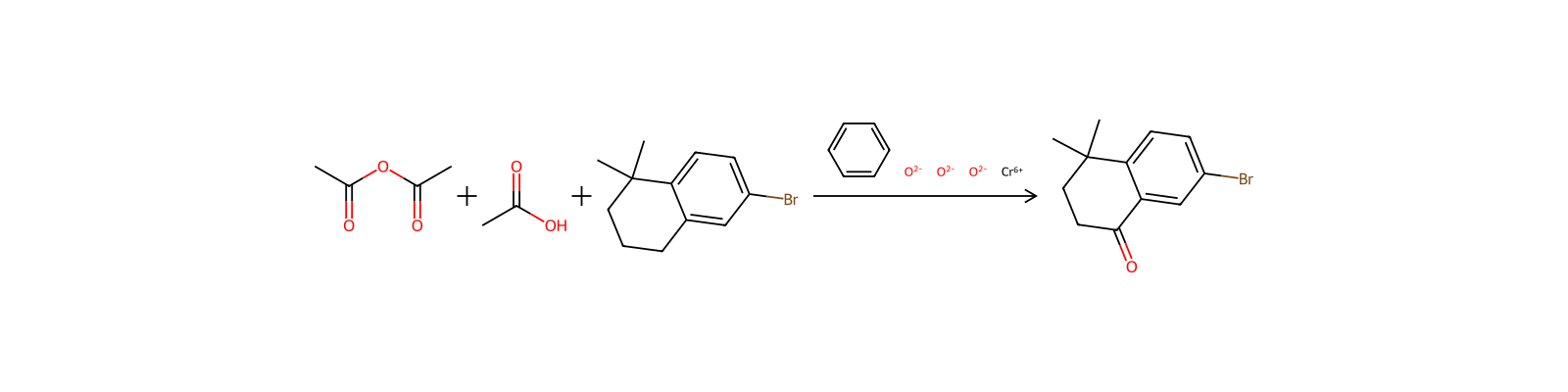
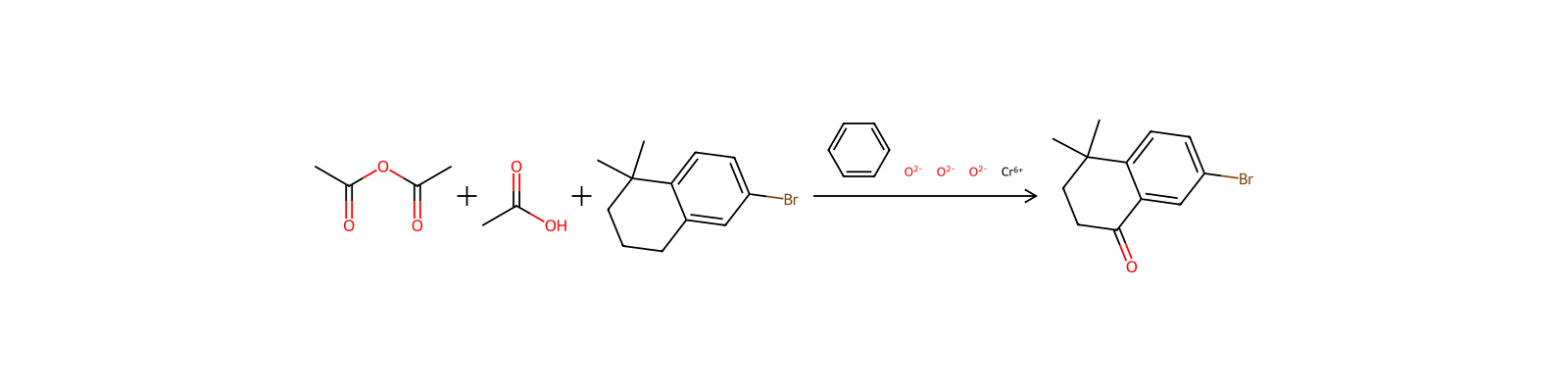
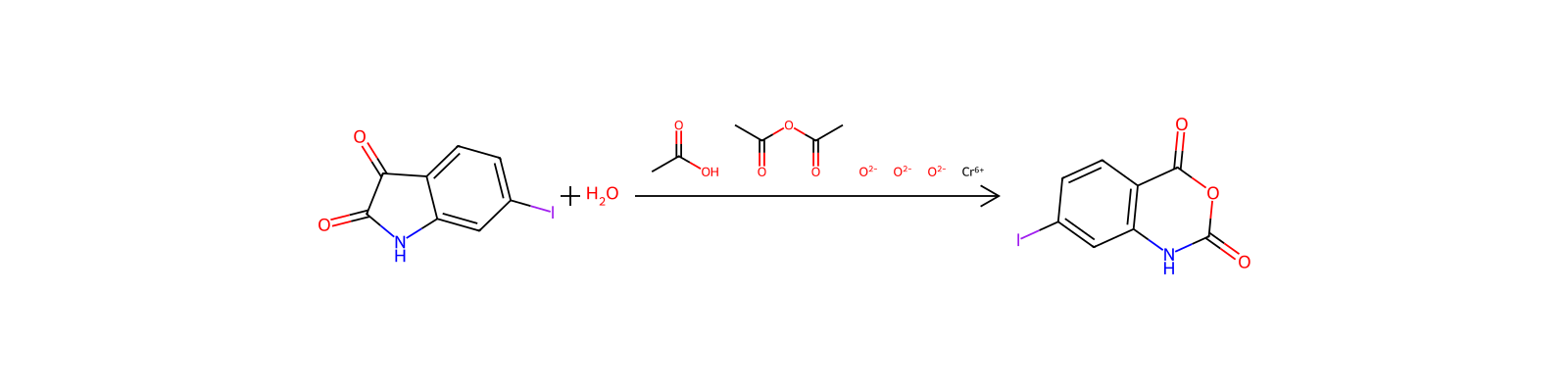
VerwendenChromium(VI) oxide is widely used in chromium electroplating, and as protective coatings in corrosion/oxidation resistance of metals. It is also employed in CDs and DVDs. It is useful as an oxidant in Jones oxidation in acetic acid or acetone. It is used in the oxidation of primary alcohols into carboxylic acids, and secondary alcohols into ketones. With phosphoric acid, it is used as a stripping agent for anodic coatings of all types and in the production of syntheric rubies.
Darstellung
synthetischeChromium(VI) oxide is prepared by heating sodium dichromate dihydrate with a slight excess of sulfuric acid in a steel tank or cast iron container: Na2Cr2O7 + 2H2SO4 → 2CrO3 + 2NaHSO4 + H2O The temperature of the mixture is kept above the melting point of chromium(VI) oxide to evaporate water and separate the top layer of sodium bisulfate from the molten chromium(VI) oxide at the bottom. Temperature control and duration of heating is very crucial in the process. Temperatures over 197°C (melting point), or allowing the molten mass to stand for a longer time, may result in decomposition of the product.
Vor- und nachgelagerte Produkte
Vorgelagerte Rohstoffe
Zugehörige Reaktionen
628




Notizen zur Verbindung
Wird geladen…