

Grundinformationen
- Standard-SMILES
CC#CC- InChIKey
XNMQEEKYCVKGBD-UHFFFAOYSA-N- Summenformel
- C4H6
- Durchschnittliche Molmasse
- 54,09 g/mol
- Monoisotopische Masse
- 54,04695019
Überblick
Crotonylene appears as a clear colorless liquid with a petroleum-like odor. Less dense than water and insoluble in water. Vapors heavier than air.
Namen und Bezeichner
- Bevorzugter Name
- Dimethylacetylene
- IUPAC
- but-2-yne
- Englischer Name
- 2-Butyne
- Summenformel
- C4H6
- Molmasse
- 54.09
Namen und Synonyme
Dimethylacetylene4-butynebut-4-yneRefChem:860602-BUTYNEBut-2-yne503-17-3CrotonyleneUN1144UNII-LKE6D3018ELKE6D3018EEINECS 207-962-2
Weitere Namen anzeigen
MFCD0000927525684-85-9dimethyl acetylene2-BUTINE2-Butyne, 99%SCHEMBL3561SCHEMBL18681SCHEMBL51760
Datenbank-Bezeichner
- CAS
503-17-3- PubChem CID
- 10419
- DTXSID
DTXSID3060116- ChEMBL
CHEMBL119108- UNII
- LKE6D3018E
- EC Number
- 207-962-2
- Nikkaji
- J2.603D
Eigenschaften
Berechnete Struktureigenschaften
- XLogP
- 1,5
- Polarare Oberfläche (TPSA)
- 0 Ų
- H-Brücken-Donoren
- 0
- H-Brücken-Akzeptoren
- 0
- Frei drehbare Bindungen
- 0
- Schwere Atome
- 4
- Formalladung
- 0
- Komplexität
- 42,9
Experimentelle und physikochemische Eigenschaften
Chemical Classes
Other Classes -> Aliphatics, Unsaturated
Flammable agents - 4th degree
SpringerMaterials PropertiesDunham energy parameter
LogP1.46
Flash Point-4 °F (NFPA, 2010)
Vapor Pressure706.0 [mmHg]
Physical Description
Crotonylene appears as a clear colorless liquid with a petroleum-like odor. Less dense than water and insoluble in water. Vapors heavier than air.
Clear colorless liquid with an odor of petroleum; [CAMEO]
Physikochemische Eigenschaften
- Schmelzpunkt
- -32.3 °C · -32.3 °C
- Siedepunkt
- 26.9 °C · 26.9 °C
- Dichte
- 0.715 g/cm3 · 0.715 g/cm3(Temp: 0 °C)
Sicherheit und Regulatorisches
GHS-Klassifizierung
GHS Classification
Danger
H224 (100%): Extremely flammable liquid and vapor [Danger Flammable liquids]
P210, P233, P240, P241, P242, P243, P261, P264, P264+P265, P271, P280, P302+P352, P303+P361+P353, P304+P340, P305+P351+P338, P319, P321, P332+P317, P337+P317, P362+P364, P370+P378, P403+P233, P403+P235, P405, and P501 (click each P-code to see the statement)
Aggregated GHS information provided per 76 reports by companies from 9 notifications to the ECHA C&L Inventory. Each notification may be associated with multiple companies.
Gefahrenhinweise
Regulatory Information
Chemical: 2-Butyne
The New Jersey Worker and Community Right to Know Act requires public and private employers to provide information about hazardous substances at their workplaces. (N.J.S.A. 34:5A-1 et. seq.)
Other Safety InformationIMAP assessments - 2-Butyne: Human health tier I assessment
DOT LabelFlammable Liquid
Fire Hazards
Excerpt from ERG Guide 128 [Flammable Liquids (Water-Immiscible)]:
· HIGHLY FLAMMABLE: Will be easily ignited by heat, sparks or flames.
Health Hazards
Excerpt from ERG Guide 128 [Flammable Liquids (Water-Immiscible)]:
CAUTION: Petroleum crude oil (UN1267) may contain TOXIC hydrogen sulphide gas.
Hazards SummaryHighly flammable; [CAMEO] Extremely flammable; An irritant; [MSDSonline] See Methylacetylene.
DOT ID and Guide1144 128
Reactive GroupHydrocarbons, Aliphatic Unsaturated
Reactivity AlertsHighly Flammable
Reactivity Profile
CROTONYLENE may react vigorously with strong oxidizing agents. May react exothermically with reducing agents to release hydrogen gas. In the presence of various catalysts (such as acids) or initiators, may undergo exothermic addition polymerization reactions.
DOT Hazard Classification
Crotonylene
UN1144
Class 3 Flammable and combustible liquid (49 eCFR § 173.120)
PG I: the degree of danger presented by the material is great
Air and Water ReactionsHighly flammable. Insoluble in water.
Sicherheit und Schutzausrüstung
Fire FightingExcerpt from ERG Guide 128 [Flammable Liquids (Water-Immiscible)]:
Accidental Release Measures
· CALL 911. Then call emergency response telephone number on shipping paper. If shipping paper not available or no answer, refer to appropriate telephone number listed on the inside back cover.
· ELIMINATE all ignition sources (no smoking, flares, sparks or flames) from immediate area.
First Aid
Excerpt from ERG Guide 128 [Flammable Liquids (Water-Immiscible)]:
General First Aid:
Exposure Control and Personal Protection· Wear positive pressure self-contained breathing apparatus (SCBA).
Nonfire Spill ResponseExcerpt from ERG Guide 128 [Flammable Liquids (Water-Immiscible)]:
Isolation and Evacuation
Excerpt from ERG Guide 128 [Flammable Liquids (Water-Immiscible)]:
Immediate precautionary measure
Personal Protective Equipment (PPE)Excerpt from ERG Guide 128 [Flammable Liquids (Water-Immiscible)]:
Emergency Response Planning GuidelinesCAUTION: The majority of these products have a very low flash point. Use of water spray when fighting fire may be inefficient.
Toxikologische Informationen
Adverse EffectsNeurotoxin - Acute solvent syndrome
Sicherheitsdaten
- Alarmwort
- Achtung
- Gefahrenhinweise
- Code Gefahrenhinweise Gefahrenklasse Abteilung Alarmwort Symbol P-Code H224
Chemie und Industrie
Verwendung und Herstellung
General Manufacturing Information2-Butyne: ACTIVE
Anbieter42 Anbieter
梯希爱(上海)化成工业发展有限公司021-67121386 · [email protected]
陕西缔都新材料有限公司81124267 17392282731 · [email protected]
Career Henan Chemica Co+86-0371-86658258 +86-13203830695 · [email protected]
合肥翰刚医药科技有限公司+8618062405514 · [email protected]
爱斯特(成都)生物制药股份有限公司+86-28-85122536 85324413 · [email protected]
上海迈瑞尔生化科技有限公司4006356688 18621169109 · [email protected]
阿法埃莎(中国)化学有限公司400-6106006 · [email protected]
安耐吉化学&3A(安徽泽升科技股份有限公司)400-0056266 · [email protected]
广东云星生物技术有限公司0751-18902340975/189023400307 18902340307 · [email protected]
南通合润生物科技有限公司18362409333 · [email protected]
武汉市皇臻生物化工有限公司13795480948 · [email protected]
广东大小化工有限公司1866-171603 18666171603 · [email protected]
时美拓特种气体(上海)有限公司15757158480 · [email protected]
HONG KONG IPURE BIOLOGY CO.,LIMITED86 18062405514 18062405514 · [email protected]
赛默飞世尔科技(中国)有限公司800-810-5118 · [email protected]
TCI AMERICA800-4238616 · [email protected]
TOKYO CHEMICAL INDUSTRY CO., LTD.03-36680489 · [email protected]
TCI Europe320-37350700 · [email protected]
Sigma-Aldrich西格玛奥德里奇(上海)贸易有限公司021-61415566 800-8193336 · [email protected]
天津荣燊化工有限公司18317763565; 18317763565 · [email protected]
九鼎化学(上海)科技有限公司4009209199 · [email protected]
HANGZHOU LEAP CHEM CO., LTD.+86-571-87711850 +86-15355479329 · [email protected]
上海玻尔化学试剂有限公司19102157732 · [email protected]
上海辰楚化学有限公司13651748127
上海源叶生物科技有限公司13636370518 · [email protected]
武汉易司拓普科技有限公司18086015167 17702779303 · [email protected]
山东西亚化学有限公司4009903999 13395398332 · [email protected]
上海众巍化学有限公司18824865657 · [email protected]
广州市金华大化学试剂有限公司020-84383047 · [email protected]
山东小野化学股份有限公司0539-6362799 20)
上海贤鼎生物科技有限公司021-021-52271985 17721149837 · [email protected]
Shaanxi Didu New Materials Co. Ltd+86-86-17392712779 +86-13289823923 · [email protected]
江苏艾康生物医药研发有限公司025-58859352 19370895928 · [email protected]
厦门盈融达化工有限公司+86-0592-6210733 · [email protected]
上海吉至生化科技有限公司021-4009004166/18616739031 18616739031 · [email protected]
TCI Chemicals (India) Pvt. Ltd.[email protected]
济南尚博生物科技有限公司+8615866703830 · [email protected]
XIAMEN AMITY INDUSTRY AND TRADE CO., LTD.+8618950047208 · [email protected]
佛山市智程气体有限公司18098161577 · [email protected]
湖北奕化新材料科技有限公司17754433341 18086038039
上海杰股生物科技有限公司021-51698675 · [email protected]
重庆卡兰医药有限公司[email protected]
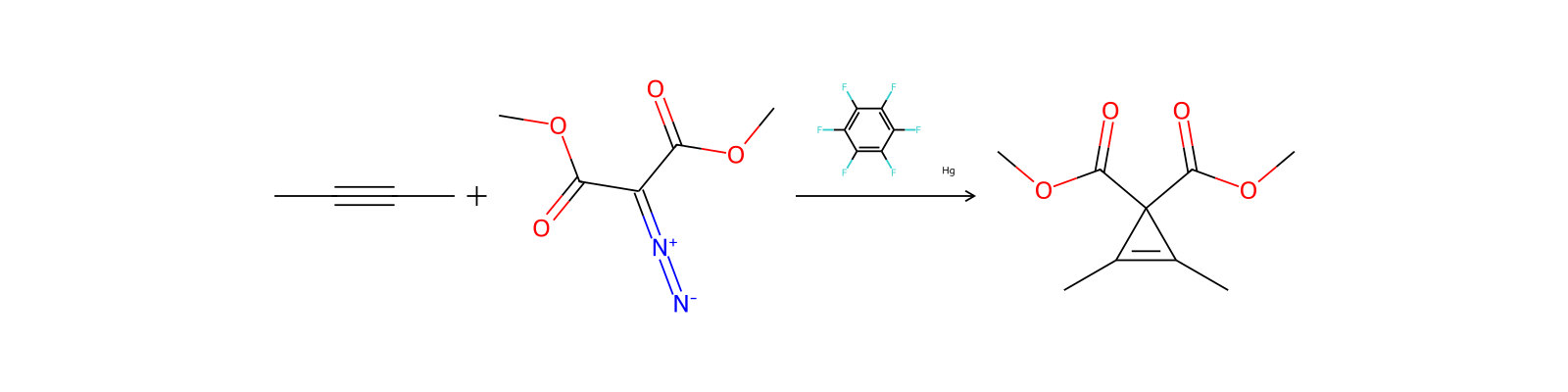
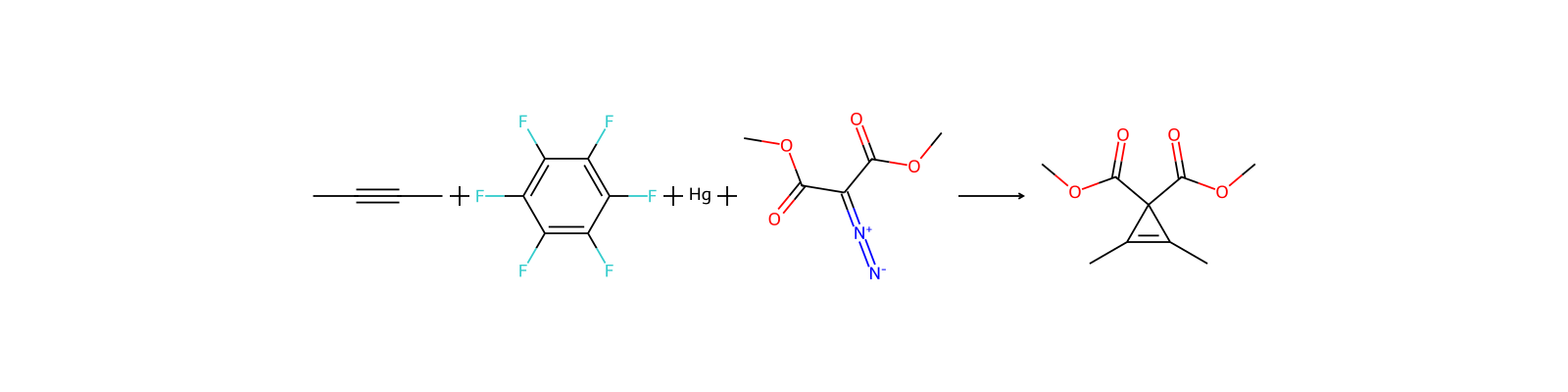
Zugehörige Reaktionen
13




Verknüpfte Notizen
Wird geladen…