
Ethyltrichloracetat
Ethyl trichloroacetate
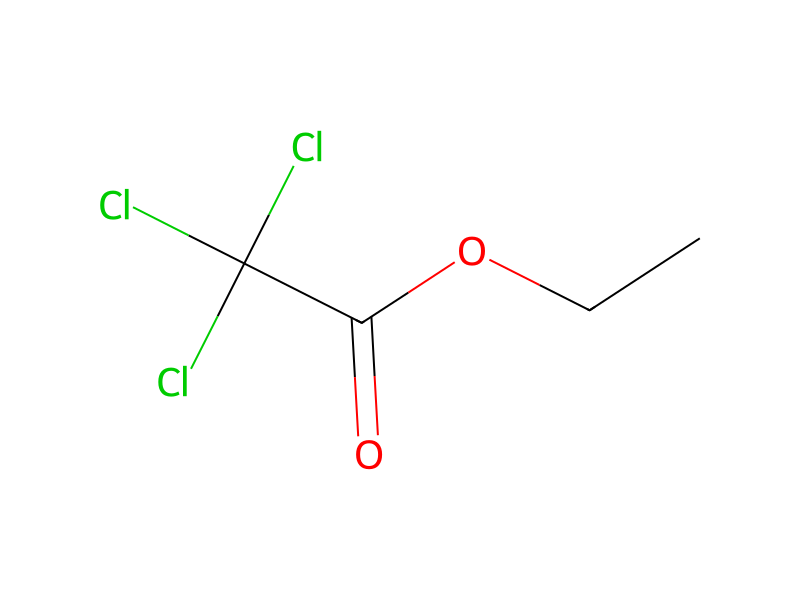
Grundinformationen
- CAS
515-84-4- Standard-SMILES
CCOC(=O)C(Cl)(Cl)Cl- InChIKey
SJMLNDPIJZBEKY-UHFFFAOYSA-N- Summenformel
- C4H5Cl3O2
- Durchschnittliche Molmasse
- 191,44 g/mol
- Monoisotopische Masse
- 189,93551244
Namen und Bezeichner
- Bevorzugter Name
- Ethyl trichloroacetate
- IUPAC
- ethyl 2,2,2-trichloroacetate
- Lokaler Name
- Ethyltrichloracetat
- Englischer Name
- Ethyl trichloroacetate
- Summenformel
- C4H5Cl3O2
- Molmasse
- 191.44
Namen und Synonyme
ETHYL TRICHLOROACETATE515-84-4BR8FKN5Z55NSC-8829DTXSID9060158Acetic acid, 2,2,2-trichloro-, ethyl esterRefChem:139064DTXCID9041029208-212-7ethyl 2,2,2-trichloroacetateAcetic acid, trichloro-, ethyl esterMFCD00000795
Weitere Namen anzeigen
ethyl trichloTrichloroacetaRARECHEM AL BI 1451EthyltrichloracetatethyltrichloracetateBiapenem Impurity 45Ethyl trichloroacetatTadalafil Impurity 69
Acetic acid, ester with trichloroethanolTadalafil Impurity 592,2,2-trichloroacetic acid ethyl esterethyl-2,2,2-trichloroacetateSB40694AS-53570SY049287Q27274835
Datenbank-Bezeichner
- CAS
515-84-4- PubChem CID
- 10588
- DTXSID
DTXSID9060158- UNII
- BR8FKN5Z55
- EC Number
- 208-212-7
- Nikkaji
- J133.546D
Eigenschaften
Berechnete Struktureigenschaften
- XLogP
- 2,4
- Polarare Oberfläche (TPSA)
- 26,3 Ų
- H-Brücken-Donoren
- 0
- H-Brücken-Akzeptoren
- 2
- Frei drehbare Bindungen
- 2
- Schwere Atome
- 9
- Formalladung
- 0
- Komplexität
- 107
Experimentelle und physikochemische Eigenschaften
SpringerMaterials PropertiesBoiling point
LogP2.39
Physikochemische Eigenschaften
- Schmelzpunkt
- 237 °C · 237 °C
- Siedepunkt
- 168 °C · 168 °C (lit.)
- Dichte
- 1.378 g/mL · 1.378 g/mL at 25 °C (lit.)
- Dampfdruck
- 2.34 hPa · 2.34hPa at 25℃
- Brechungsindex
- 20 · n20/D 1.453(lit.)
- Flammpunkt
- 149 °F · 149 °F
- storage temp.
- 30 °C · Store below +30°C.
- Löslichkeit
- alcohol: miscible(lit.)
- Aggregatzustand
- clear liquid
- Farbe
- Colorless to Almost colorless
- Wasserlöslichkeit
- immiscible
- Merck
- 14 · 14,9627
- BRN
- 1761567 · 1761567
- Dielectric constant
- 7.8 · 7.8(20℃)
- InChI
- 1S/C4H5Cl3O2/c1-2-9-3(8)4(5,6)7/h2H2,1H3
- InChIKey
- SJMLNDPIJZBEKY-UHFFFAOYSA-N
- SMILES
- CCOC(=O)C(Cl)(Cl)Cl
- LogP
- 2.22 at · 2.22 at 25℃
- CAS Datenbank
- 515 · 515-84-4(CAS DataBase Reference)
- NIST chemische Informationen
- Acetic acid, trichloro-, ethyl ester(515-84-4)
- EPA chemische Informationen
- Acetic acid, trichloro-, ethyl ester (515-84-4)
Sicherheit und Regulatorisches
Sicherheitsangaben dienen nur zur Orientierung und ersetzen weder das Sicherheitsdatenblatt (SDB) des Lieferanten noch geltende Vorschriften oder eine fachliche Bewertung.
GHS-Klassifizierung
GHS Classification
Warning
H302 (100%): Harmful if swallowed [Warning Acute toxicity, oral]
P261, P264, P264+P265, P270, P271, P280, P301+P317, P302+P352, P304+P340, P305+P351+P338, P319, P321, P330, P332+P317, P337+P317, P362+P364, P403+P233, P405, and P501 (click each P-code to see the statement)
Aggregated GHS information provided per 44 reports by companies from 5 notifications to the ECHA C&L Inventory. Each notification may be associated with multiple companies.
Gefahrenhinweise
Regulatory Information
Status: Active Update: 28-01-2022 https://echa.europa.eu/registration-dossier/-/registered-dossier/9982
Acetic acid, trichloro-, ethyl ester: Does not have an individual approval but may be used under an appropriate group standard
Hazard Classes and CategoriesAcute Tox. 4 (100%)
Sicherheitsdaten
- wgk
- 1
- tsca
- TSCA listed
- ridadr
- 2810
- hs_code
- 29154000
- risk_code
- 22-36/37/38
- hazard_code
- Xn,Xi
- safety_code
- 26-37/39-24/25
- Speicherklasse
- 10 - Combustible liquids
- Hazard Classifications
- Acute Tox. 4 OralSkin Irrit. 2
Chemie und Industrie
Verwendung und Herstellung
General Manufacturing InformationAcetic acid, 2,2,2-trichloro-, ethyl ester: ACTIVE
Anwendungen
VerwendenEthyl trichloroacetate was used in the synthesis of dichlorocarbon precursor, phenyl(trichloromethyl)methyl.
Darstellung
synthetischeEthyl trichloroacetate is synthesized from trichloroacetic acid and ethyl alcohol by the esterification reaction. synthesis steps: Trichloroacetic acid(TCA), anhydrous ethyl alcohol and sulfuric acid are heated together and refluxed for 6 h. After cooling, the ester layer is separated by pouring into water, neutralized with 5-10% sodium carbonate solution, washed with water and dried overnight with anhydrous calcium chloride. After filtration, distillation was carried out to obtain the finished product. Yield 75%.
Vor- und nachgelagerte Produkte
Vorgelagerte Rohstoffe
Nachgelagerte Produkte
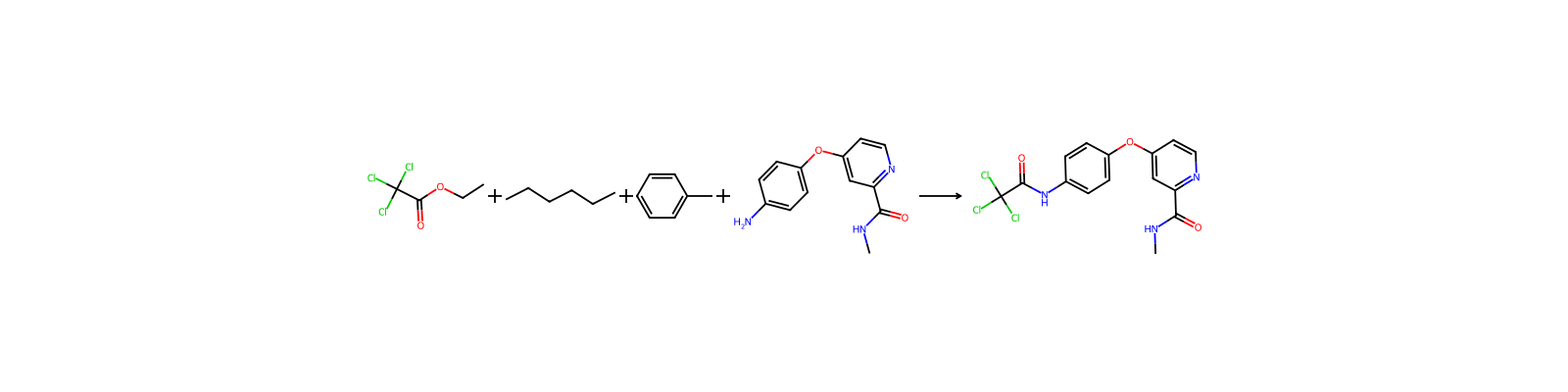
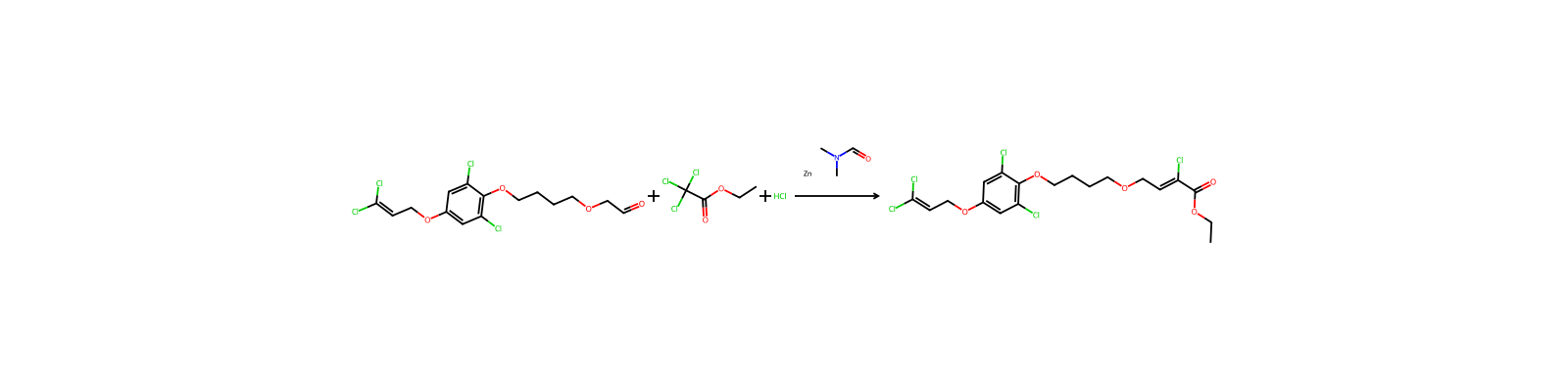
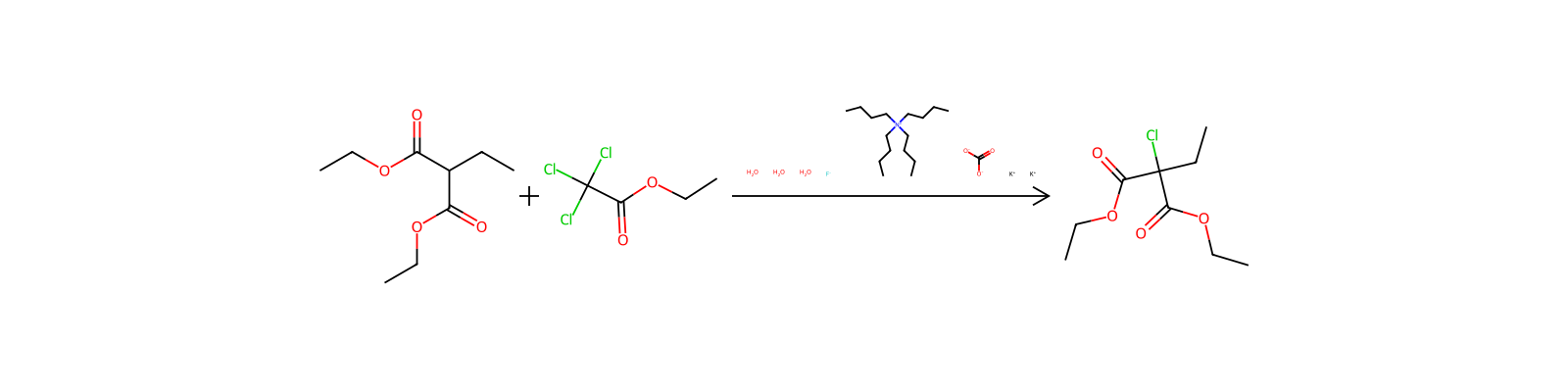
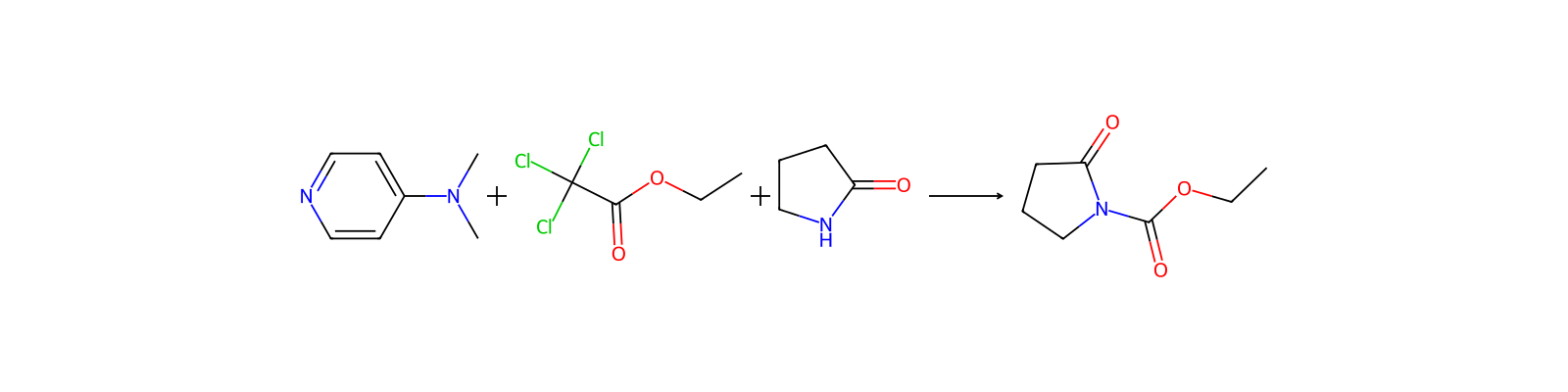
Zugehörige Reaktionen
16



Notizen zur Verbindung
Wird geladen…