

Grundinformationen
- Standard-SMILES
CCN(CC)c1ccc(N)c(C)c1.Cl- InChIKey
MPLZNPZPPXERDA-UHFFFAOYSA-N- Summenformel
- C11H18N2.ClH
- Durchschnittliche Molmasse
- 214,73 g/mol
- Monoisotopische Masse
- 214,12367629
Namen und Bezeichner
- Bevorzugter Name
- N,N-Diethyltoluene-2,5-diamine hydrochloride
- IUPAC
- 4-N,4-N-diethyl-2-methylbenzene-1,4-diamine;hydrochloride
- Lokaler Name
- N5,N5-Diethyltoluol-2,5-diaminmonohydrochlorid
- Englischer Name
- 4-(N,N-Diethyl)-2-methyl-p-phenylenediamine monohydrochloride
- Summenformel
- C11H19ClN2
- Molmasse
- 214.74
Namen und Synonyme
2-Amino-5-(diethylamino)toluene Monohydrochloride4-Diethylamino-o-toluidine HCl1,4-Benzenediamine, N4,N4-diethyl-2-methyl-, monohydrochloride1,4-Benzenediamine, N4,N4-diethyl-2-methyl-, hydrochloride (1:1)PPD 239MIH70E0IDTXSID1038799N,N-Diethyltoluene-2,5-diamine hydrochlorideEINECS 246-484-94-Diethylamino-o-toluidine hydrochlorideN,N-DIETHYLTOLUENE-2,5-DIAMINE HCL4-AMINO-N,N-DIETHYL-M-TOLUIDINE HYDROCHLORIDE
Weitere Namen anzeigen
CD-2N1,N1-Diethyl-3-methyl-para-phenylenediamineN4,N4-DIETHYL-2-METHYL-1,4-PHENYLENEDIAMINE MONOHYDROCHLORIDESRBCLy-37LFA-2SRBC-RCD 2 DEVELOPER
3-METHYL-4-AMINO-N,N-DIETHYLANILINE HYDROCHLORIDE3-METHYL-4-AMINO-N,N-DIETHYLANILINE MONOHYDROCHLORIDEN5, N5-DIETHYLTOLUENE-2,5-DIAMINE MONOHYDROCHLORIDEN',N'-DIETHYL-2-METHYL-1,4-PHENYLENEDIAMINE MONOHYDROCHLORIDERefChem:822343DTXCID9018799N,N-DIETHYLTOLUENE-2,5-DIAMINE HCL [INCI]1,4-Benzenediamine, N4,N4-diethyl-2-methyl-, hydrochloride
Datenbank-Bezeichner
- CAS
2051-79-8、24828-38-4- PubChem CID
- 108623
- DTXSID
DTXSID1038799- UNII
- 39MIH70E0I
- EC Number
- 218-130-3、246-484-9
Eigenschaften
Berechnete Struktureigenschaften
- Polarare Oberfläche (TPSA)
- 29,3 Ų
- H-Brücken-Donoren
- 2
- H-Brücken-Akzeptoren
- 2
- Frei drehbare Bindungen
- 3
- Schwere Atome
- 14
- Formalladung
- 0
- Komplexität
- 143
Experimentelle und physikochemische Eigenschaften
Chemical ClassesNitrogen Compounds -> Amines, Aromatic
CosmeticsHair dyeing
Physical DescriptionWhite odorless crystalline solid; [Kodak MSDS]
Physikochemische Eigenschaften
- Schmelzpunkt
- 250 °C · 250 °C (dec.)(lit.)
- storage temp.
- Inert atmosphere,Room Temperature
- Löslichkeit
- DMSO (Slightly), Methanol (Slightly)
- Aggregatzustand
- Solid
- Farbe
- White to Off-White
- Wasserlöslichkeit
- almost transparency
- Stabilität
- Stable under normal conditions., Stable Under Normal Conditions.
- Kosmetik-Inhaltsstoffe Funktionen
- HAIR DYEING
- InChI
- InChI=1S/C11H18N2.ClH/c1-4-13(5-2)10-6-7-11(12)9(3)8-10;/h6-8H,4-5,12H2,1-3H3;1H
- InChIKey
- MPLZNPZPPXERDA-UHFFFAOYSA-N
- SMILES
- N(C1C=CC(N)=C(C)C=1)(CC)CC.Cl
- CAS Datenbank
- 2051 · 2051-79-8(CAS DataBase Reference)
- NIST chemische Informationen
- 2 · 2-Amino-5-diethylamino-toluene monohydrochloride(2051-79-8)
- EPA chemische Informationen
- 2 · 2-Amino-5-diethylaminotoluene monohydrochloride (2051-79-8)
Sicherheit und Regulatorisches
GHS-Klassifizierung
GHS Classification
Danger
H301: Toxic if swallowed [Danger Acute toxicity, oral]
P261, P264, P264+P265, P270, P272, P273, P280, P301+P316, P302+P352, P305+P351+P338, P321, P330, P333+P317, P337+P317, P362+P364, P391, P405, and P501 (click each P-code to see the statement)
Danger
H301 (100%): Toxic if swallowed [Danger Acute toxicity, oral]
P261, P264, P264+P265, P270, P272, P273, P280, P301+P316, P302+P352, P305+P351+P338, P321, P330, P333+P317, P337+P317, P362+P364, P391, P405, and P501 (click each P-code to see the statement)
Gefahrenhinweise
Regulatory Information
Chemical: 1,4-Benzenediamine, N4,N4-diethyl-2-methyl-, monohydrochloride
1,4-Benzenediamine, N4,N4-diethyl-2-methyl-, monohydrochloride: Does not have an individual approval but may be used under an appropriate group standard
4-Diethylamino-o-toluidine hydrochloride: Does not have an individual approval but may be used under an appropriate group standard
Other Safety InformationIMAP assessments - 1,4-Benzenediamine, N4,N4-diethyl-2-methyl-, monohydrochloride: Human health tier II assessment
Hazards Summary
Can cause skin sensitization; [Marks] May form explosive dust-air mixtures; An eye irritant; Prolonged or repeated skin exposure may cause drying, cracking, or irritation; May cause skin sensitization (positive results in human test); May cause liver injury, based on animal studies (targets liver in repeated-dose oral studies of rats); Harmful by ingestion and inhalation; [Kodak MSDS]
Hazard Classes and Categories
Acute Tox. 3 (100%)
Acute toxicity - category 3
Acute Tox. 3 *
Toxikologische Informationen
Adverse EffectsOccupational hepatotoxin - Secondary hepatotoxins: the potential for toxic effect in the occupational setting is based on cases of poisoning by human ingestion or animal experimentation.
Sicherheitsdaten
- wgk
- 3
- tsca
- TSCA listed
- ridadr
- UN 2811 6.1/PG 3
- hs_code
- 29215990
- RTECS-Nr.
- SS9560000
- risk_code
- 23/24/25-43-50/53-36-25
- Toxizität
- LD50 oral in rat: 200mg/kg
- hazard_code
- T,N
- safety_code
- 22-26-36/37/39-45-61-60-37-24
- hazard_class
- 6.1(b)
- packing_group
- III
- Speicherklasse
- 6.1C - Combustible acute toxic Cat.3toxic compounds or compounds which causing chronic effects
- Hazard Classifications
- Acute Tox. 3 OralAcute Tox. 4 DermalAquatic Acute 1Aquatic Chronic 1Eye Irrit. 2Skin Sens. 1
Chemie und Industrie
Verwendung und Herstellung
Uses
Used as professional photographic processing chemical; [Kodak MSDS]
Photographic Processing [Category: Other]
Use ClassificationCosmetics -> Hair dyeing
General Manufacturing Information1,4-Benzenediamine, N4,N4-diethyl-2-methyl-, hydrochloride (1:1): ACTIVE
Anwendungen
BeschreibungCD2 is a color-film developer. It acts as an allergen and an irritant in photographers. Cross reaetivity is possible with Disperse Blue 124, Disperse Blue 106, and Disperse red 17, but not to para-amino Compounds.
Verwenden4-(N,N-Diethyl)-2-Methyl-p-Phenylenediamine Monohydrochloride (cas# 2051-79-8) was identified by HPLC in oxidative hair dye products.
Vor- und nachgelagerte Produkte
Vorgelagerte Rohstoffe
Anbieter50 Anbieter
国药集团化学试剂有限公司86-21-63210123 · [email protected]
梯希爱(上海)化成工业发展有限公司021-67121386 · [email protected]
上海阿拉丁生化科技股份有限公司400-6206333 13167063860 · [email protected]
Shandong chuangyingchemical Co., Ltd.18853181302 · [email protected]
毕佳索(上海毕得医药科技股份有限公司)400-6005915 · [email protected]
武汉欣扬瑞和化学科技有限公司13720274133 · [email protected]
武汉欣扬瑞和化学科技有限公司153-07155313 15307155313 · [email protected]
无锡市凯立生物科技有限公司0510-80721533 13327925606 · [email protected]
爱斯特(成都)生物制药股份有限公司+86-28-85122536 85324413 · [email protected]
南通如通化工有限公司18962933129 18962933129 · [email protected]
Dayang Chem (Hangzhou) Co.,Ltd.+86-0571-88938639 17705817739 · [email protected]
Hebei Yanxi Chemical Co., Ltd.+86-17531190177 · [email protected]
上海迈瑞尔生化科技有限公司4006356688 18621169109 · [email protected]
上海晶抗生物工程有限公司021-54721350 13524668266 · [email protected]
梯希爱(上海)化工贸易有限公司021-61109150 · [email protected]
上海钰康生物科技有限公司18939844854 · [email protected]
山东洛克化工有限公司17653113209 13065062079 · [email protected]
上海相辉医药科技有限公司13761987713 · [email protected]
上海泰坦科技股份有限公司400-6009262 15618770481 · [email protected]
孝感深远化工有限公司15527621225; 15527621225 · [email protected]
山东西亚化学有限公司13355009207 13355009207 · [email protected]
玛雅试剂+86 (573) 82222445 (0)18006601000 452520369 · [email protected]
上海耐士化工科技有限公司400-188-0725 +86 21 34310725 13611771617
Xiamen AmoyChem Co., Ltd+86-86-5926051114 · [email protected]
上海钰康生物科技有限公司15618758386 15618758386 · [email protected]
艾科试剂4008-755-333 18080918076 · [email protected]
上海思域化工科技有限公司86-21-34053660 · [email protected]
北京伊诺凯科技有限公司400-810-7969 010-59572699 · [email protected]
南京诺利斯医药科技有限公司13901585132 · [email protected]
江苏艾康生物医药研发有限公司025-66113011 13913916777 · [email protected]
TCI AMERICA800-4238616 · [email protected]
TOKYO CHEMICAL INDUSTRY CO., LTD.03-36680489 · [email protected]
TCI Europe320-37350700 · [email protected]
深圳振强药物研发有限公司0755-66853366 13670046396 · [email protected]
上海永鸿实业集团化学科技有限公司86-21-50102722
上海倍卓生物科技有限公司021-61119791,13386096464 · [email protected]
上海将来实业股份有限公司400-0066400 13621662912 · [email protected]
安徽科迪达化工有限公司0554-2106669 · [email protected]
成都零六生物科技有限公司400-1166-196 13458535857 · [email protected]
上海创赛科技有限公司400-6087598 15021221957 · [email protected]
上海纳谦化学科技有限公司13598610367 13598610367 · [email protected]
池州凯隆进出口贸易有限公司[email protected]
天津阿尔塔科技有限公司022-6537-8550 15522853686 · [email protected]
九鼎化学(上海)科技有限公司4009209199 · [email protected]
Henan Alfa Chemical Co., Ltd+8618339805032 · [email protected]
厦门志信化学有限公司+86-5922680277 +86-13806087780 · [email protected]
山东智尚新材料有限公司+8617653113209 · [email protected]
上海玻尔化学试剂有限公司19102157732 · [email protected]
上海珈得尔化学技术有限公司021-4007787-550 400-7787-550 · [email protected]
上海岚克医药科技发展有限公司0086-21-58956006
Zugehörige Reaktionen
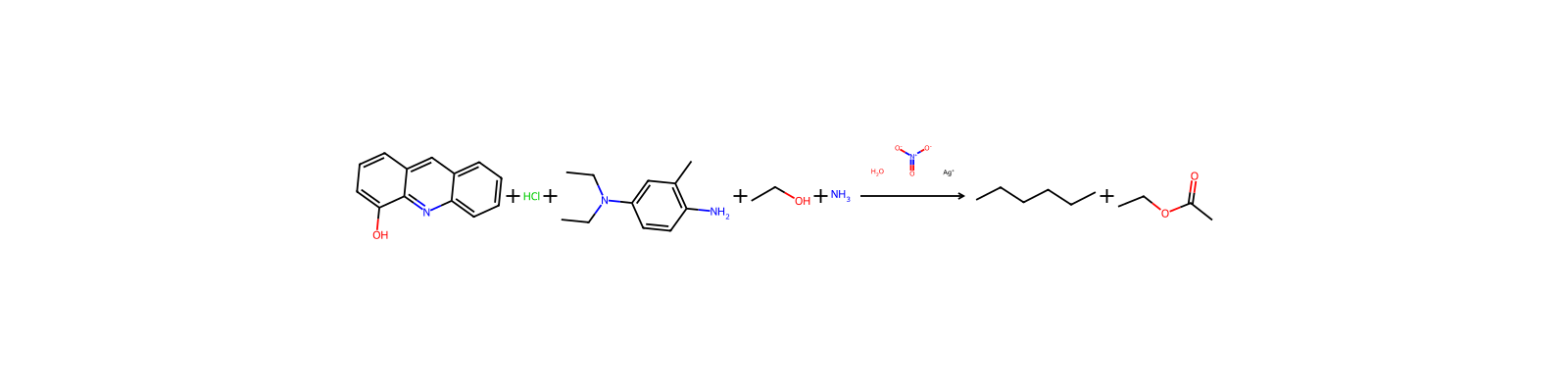
12



Verknüpfte Notizen
Wird geladen…