1-Iodbutan
Butyl iodide
Daten werden ergänzt – lade die Seite später neu, um den aktuellen Stand zu sehen

Grundinformationen
- CAS
25267-27-0- Standard-SMILES
CCCCI- InChIKey
KMGBZBJJOKUPIA-UHFFFAOYSA-N- Summenformel
- C4H9I
- Durchschnittliche Molmasse
- 184,02 g/mol
- Monoisotopische Masse
- 183,97489829
Überblick
butyl iodide has been reported in Ascophyllum nodosum, Mastocarpus stellatus, and other organisms with data available.
Namen und Bezeichner
- Bevorzugter Name
- Butyl iodide
- IUPAC
- 1-iodobutane
- Lokaler Name
- 1-Iodbutan
- Englischer Name
- 1-Iodobutane
- Summenformel
- C4H9I
- Molmasse
- 184.02
Namen und Synonyme
1-IodobutaneButyl iodide542-69-8N-BUTYL IODIDEButane, 1-iodo-607A6CC46RNSC-8420DTXSID70862157RefChem:829368DTXCID20810961208-824-41-iodo-butane
Weitere Namen anzeigen
Iodobutane1-LODOBUTANEn-C4H9I1-iodo-butan1-Butyljodidn-Butyliodidn-Iodobutane
Butane, iodo-1-JodbutanMFCD0000109825267-27-01-Jodbutan [Czech]1-BUTYLIODIDENSC 8420EINECS 208-824-4
Datenbank-Bezeichner
- CAS
25267-27-0、542-69-8- PubChem CID
- 10962
- DTXSID
DTXSID70862157- UNII
- 607A6CC46R
- EC Number
- 208-824-4
- Nikkaji
- J2.644A
Eigenschaften
Berechnete StruktureigenschaftenWird ergänzt
- XLogP
- 3,1
- Polarare Oberfläche (TPSA)
- 0 Ų
- H-Brücken-Donoren
- 0
- H-Brücken-Akzeptoren
- 0
- Frei drehbare Bindungen
- 2
- Schwere Atome
- 5
- Formalladung
- 0
- Komplexität
- 13,1
Experimentelle und physikochemische Eigenschaften
Chemical ClassesOther Classes -> Halogenated Aliphatics, Saturated
SpringerMaterials PropertiesSchoenflies notation
LogP3.08
Vapor Pressure13.9 [mmHg]
Physical DescriptionLiquid; [Merck Index] Colorless liquid; [Alfa Aesar MSDS]
Physikochemische Eigenschaften
- Schmelzpunkt
- 103 °C · −103 °C(lit.)
- Siedepunkt
- 130 · 130-131 °C(lit.)
- Dichte
- 1.617 g/mL · 1.617 g/mL at 25 °C(lit.)
- Dampfdichte
- 5 · ~5 (vs air)
- Dampfdruck
- 18.5 hPa · 18.5 hPa (25 °C)
- Brechungsindex
- 20 · n20/D 1.498(lit.)
- Flammpunkt
- 92 °F · 92 °F
Sicherheit und Regulatorisches
Sicherheitsangaben dienen nur zur Orientierung und ersetzen weder das Sicherheitsdatenblatt (SDB) des Lieferanten noch geltende Vorschriften oder eine fachliche Bewertung.
GHS-Klassifizierung
GHS Classification
Danger
H226 (100%): Flammable liquid and vapor [Warning Flammable liquids]
P210, P233, P240, P241, P242, P243, P261, P264, P264+P265, P271, P280, P302+P352, P303+P361+P353, P304+P340, P305+P351+P338, P316, P321, P332+P317, P337+P317, P362+P364, P370+P378, P403+P233, P403+P235, P405, and P501 (click each P-code to see the statement)
Aggregated GHS information provided per 54 reports by companies from 9 notifications to the ECHA C&L Inventory. Each notification may be associated with multiple companies.
Gefahrenhinweise
Regulatory Information
Chemical: Butane, 1-iodo-
1-Iodobutane: Does not have an individual approval but may be used under an appropriate group standard
Hazards SummaryAn irritant; Harmful by inhalation; [Alfa Aesar MSDS] See 1-Bromobutane and n-Butyl chloride.
Hazard Classes and CategoriesFlam. Liq. 3 (100%)
Toxikologische Informationen
Adverse EffectsNeurotoxin - Acute solvent syndrome
Toxicity DataLC50 (rat) = 6,100 mg/m3/4hr
Sicherheitsdaten
- F
- 8
- wgk
- 3
- tsca
- TSCA listed
- ridadr
Chemie und Industrie
Pharmakologische Informationen
Metabolism/Metabolites1-iodobutane has known human metabolites that include butyl-glutathione.
Verwendung und Herstellung
General Manufacturing InformationButane, 1-iodo-: ACTIVE
Anwendungen
Verwenden1-Iodobutane was used in the synthesis of S-alkylated 5-(2-,3- and 4-methoxyphenyl)-4H-1,2,4-triazole-3-thiol and 5-(2-,3- and 4-methoxyphenyl)-4-phenyl-4H-1,2,4-triazole-3-thiol. It is also used in wide range of medicals industrial applications as well as in human and animal nutrition products, pharmaceutical intermediates, polarizing films for Liquid Crystal Display (LCD) chemicals.
Darstellung
synthetische1-Iodobutane is obtained by reacting n-butanol with iodine in the presence of phosphorus.
Vor- und nachgelagerte Produkte
Vorgelagerte Rohstoffe
Nachgelagerte Produkte
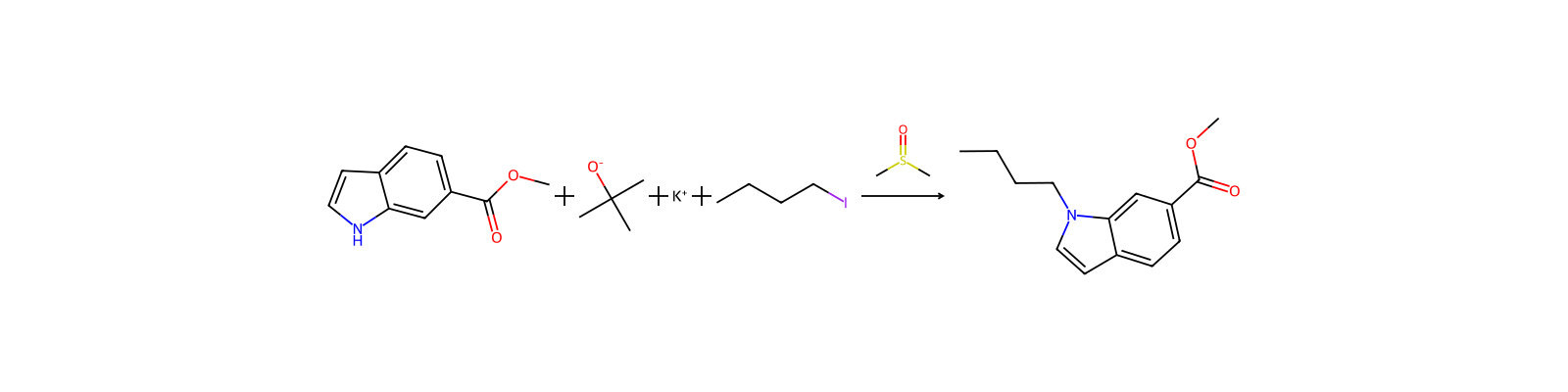
Zugehörige Reaktionen
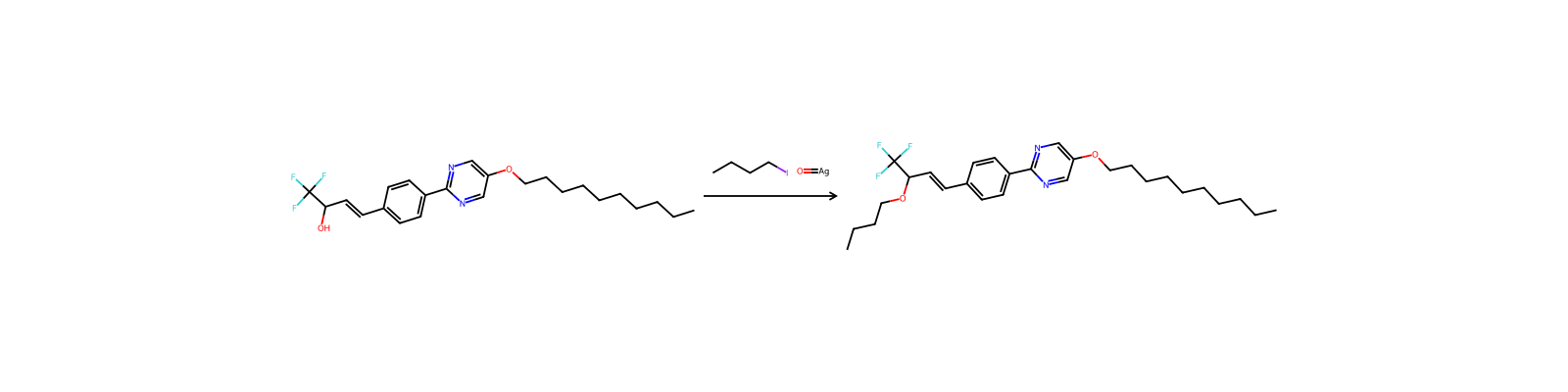
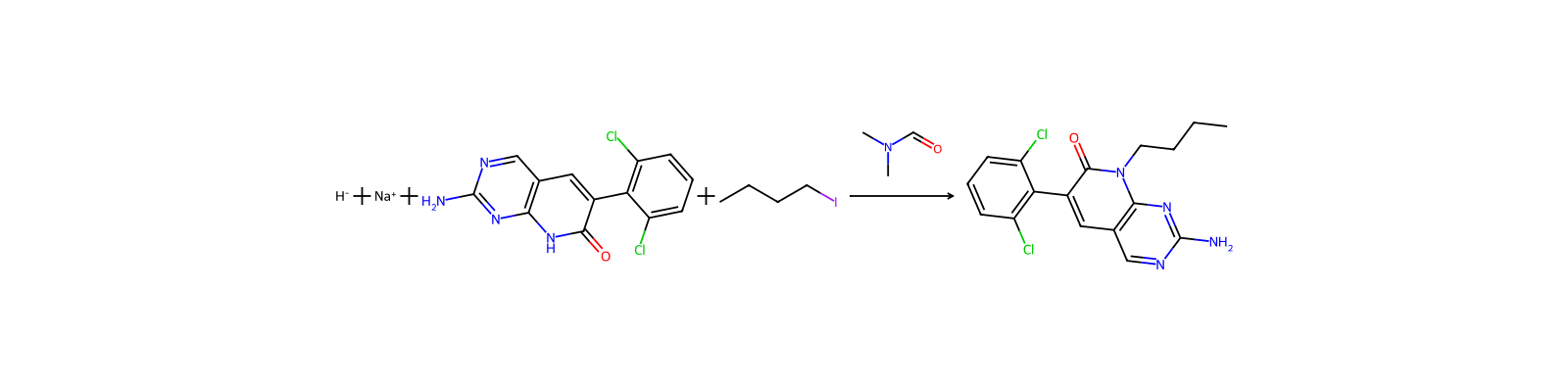
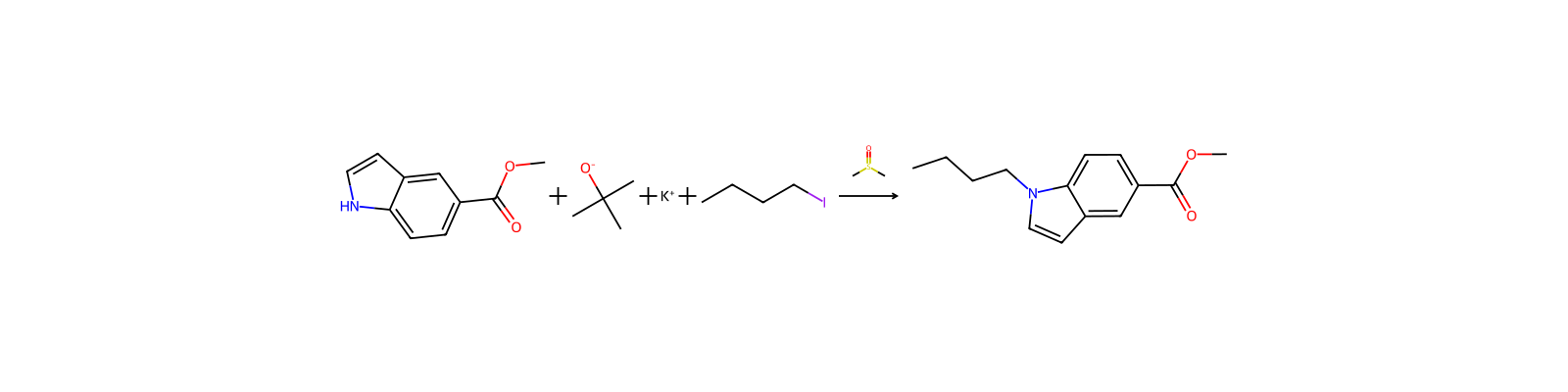
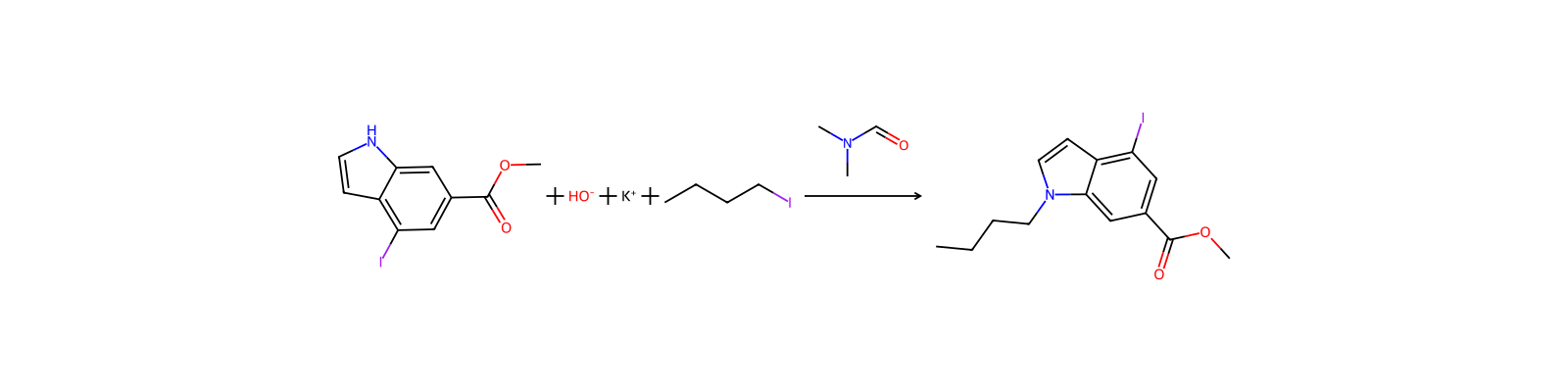
704



Notizen zur Verbindung
Wird geladen…