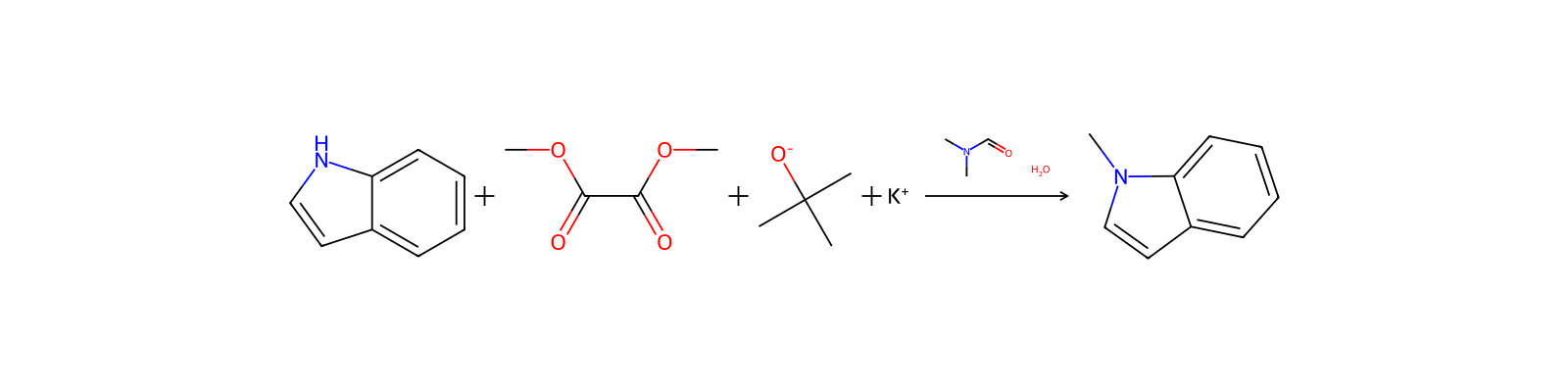
Dimethyloxalat
Dimethyl oxalate
Daten werden ergänzt – lade die Seite später neu, um den aktuellen Stand zu sehen
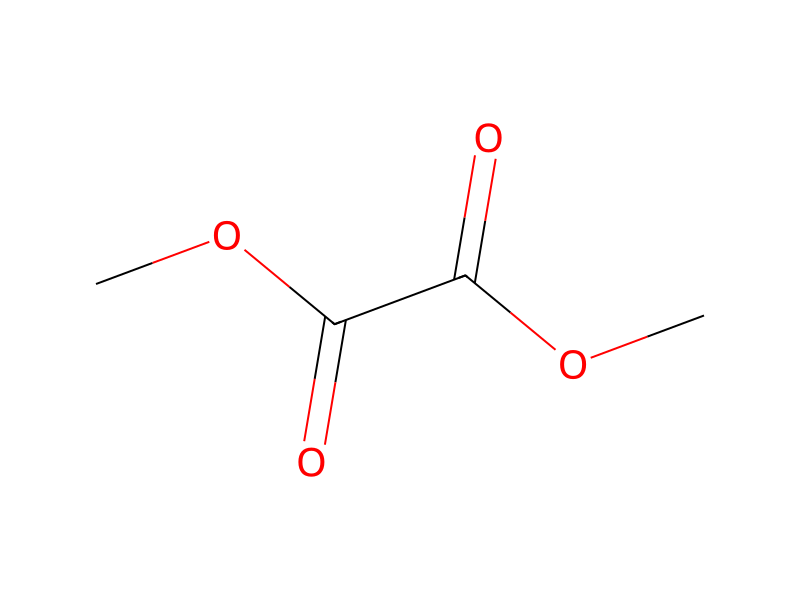
Grundinformationen
- CAS
553-90-2- Standard-SMILES
COC(=O)C(=O)OC- InChIKey
LOMVENUNSWAXEN-UHFFFAOYSA-N- Summenformel
- C4H6O4
- Durchschnittliche Molmasse
- 118,09 g/mol
- Monoisotopische Masse
- 118,02660867
Überblick
Methyl oxalate is a member of dicarboxylic acids and O-substituted derivatives, a methyl ester and a diester. It is functionally related to an oxalic acid.
Namen und Bezeichner
- Bevorzugter Name
- Dimethyl oxalate
- IUPAC
- dimethyl oxalate
- Lokaler Name
- Dimethyloxalat
- Englischer Name
- Dimethyl oxalate
- Summenformel
- C4H6O4
- Molmasse
- 118.09
Namen und Synonyme
Dimethyl oxalate553-90-2METHYL OXALATEOxalic acid dimethyl esterEthanedioic acid, dimethyl esterDimethyloxalateOxalic acid, dimethyl esterdimethyl ethanedioateMFCD00008442IQ3Q79344SNSC-9374Ethanedioic acid, 1,2-dimethyl ester
Weitere Namen anzeigen
DMOOXALIC ACID METHYL ESTERDimethyl ester of oxalic acid209-053-6CH3OCOCOOCH3Oxalic acid Me
dimethyl ethane-1,2-dioateNSC 9374EINECS 209-053-6UNII-IQ3Q79344SAI3-21214SCHEMBL8295METHYL OXALATE [MI]CHEBI:6859
Datenbank-Bezeichner
- CAS
553-90-2- PubChem CID
- 11120
- DTXSID
DTXSID9060287- ChEBI
CHEBI:6859- UNII
- IQ3Q79344S
- EC Number
- 209-053-6
- Nikkaji
- J2.653K
Eigenschaften
Berechnete StruktureigenschaftenWird ergänzt
- XLogP
- -0,2
- Polarare Oberfläche (TPSA)
- 52,6 Ų
- H-Brücken-Donoren
- 0
- H-Brücken-Akzeptoren
- 4
- Frei drehbare Bindungen
- 3
- Schwere Atome
- 8
- Formalladung
- 0
- Komplexität
- 92,6
Experimentelle und physikochemische Eigenschaften
Chemical ClassesOther Classes -> Esters, Other
CosmeticsChelating
SpringerMaterials PropertiesBoiling point
LogP-0.17
Density1.148 @25 °C
Boiling Point163.5 °C @760 [mm Hg]
Vapor Pressure1.14 [mmHg]
Physical DescriptionColorless solid; [Merck Index] White crystalline aggregates; [MSDSonline]
Physikochemische Eigenschaften
- Schmelzpunkt
- 50 · 50-54 °C (lit.)
- Siedepunkt
- 163.5 °C · 163.5 °C (lit.)
Sicherheit und Regulatorisches
Sicherheitsangaben dienen nur zur Orientierung und ersetzen weder das Sicherheitsdatenblatt (SDB) des Lieferanten noch geltende Vorschriften oder eine fachliche Bewertung.
GHS-Klassifizierung
GHS Classification
This chemical does not meet GHS hazard criteria for 0.5% (1 of 191) of reports.
Danger
H302 (69.6%): Harmful if swallowed [Warning Acute toxicity, oral]
P260, P264, P264+P265, P270, P280, P301+P317, P301+P330+P331, P302+P352, P302+P361+P354, P304+P340, P305+P351+P338, P305+P354+P338, P316, P317, P321, P330, P332+P317, P337+P317, P362+P364, P363, P405, and P501 (click each P-code to see the statement)
Aggregated GHS information provided per 191 reports by companies from 11 notifications to the ECHA C&L Inventory. Each notification may be associated with multiple companies.
Danger
Gefahrenhinweise
Regulatory Information
Chemical: Ethanedioic acid, dimethyl ester
Ethanedioic acid, 1,2-dimethyl ester is listed on the EPA's Chemical Data Reporting (CDR) system. Manufacturers and importers of Ethanedioic acid, 1,2-dimethyl ester are required to report information about their production and use of this chemical to the EPA under the Toxic Substances Control Act (TSCA). (40 eCFR Part 711)
Status: Active Update: 19-11-2020 https://echa.europa.eu/registration-dossier/-/registered-dossier/25766
Ethanedioic acid, dimethyl ester: Does not have an individual approval but may be used under an appropriate group standard
Other Safety InformationIMAP assessments - Ethanedioic acid, dimethyl ester: Environment tier I assessment
Hazards SummaryA corrosive substance that can cause injury to the skin, eyes, and respiratory tract; Inhalation may cause chemical pneumonitis; [MSDSonline]
Hazard Classes and Categories
Acute Tox. 4 (69.6%)
Acute toxicity - category 4
Chemie und Industrie
Verwendung und Herstellung
U.S. Production2020: 84,920 lb
Use ClassificationCosmetics -> Chelating
General Manufacturing InformationEthanedioic acid, 1,2-dimethyl ester: ACTIVE
Anwendungen
BeschreibungDimethyl oxalate is a chemical compound with formula (CH3)2(COO)2. It is the dimethyl ester of oxalic acid.
VerwendenDimethyl oxalate is used as an alternate fuel in the direct oxidation fuel cell. It is involved in the catalytic hydrogenation using Cu/SiO22ub> to prepare ethylene glycol. It is also used in the selective gas-phase hydrogenation catalyzed by Ag/SiO2 to get the corresponding alcohol.
Vor- und nachgelagerte Produkte
Vorgelagerte Rohstoffe
Nachgelagerte Produkte
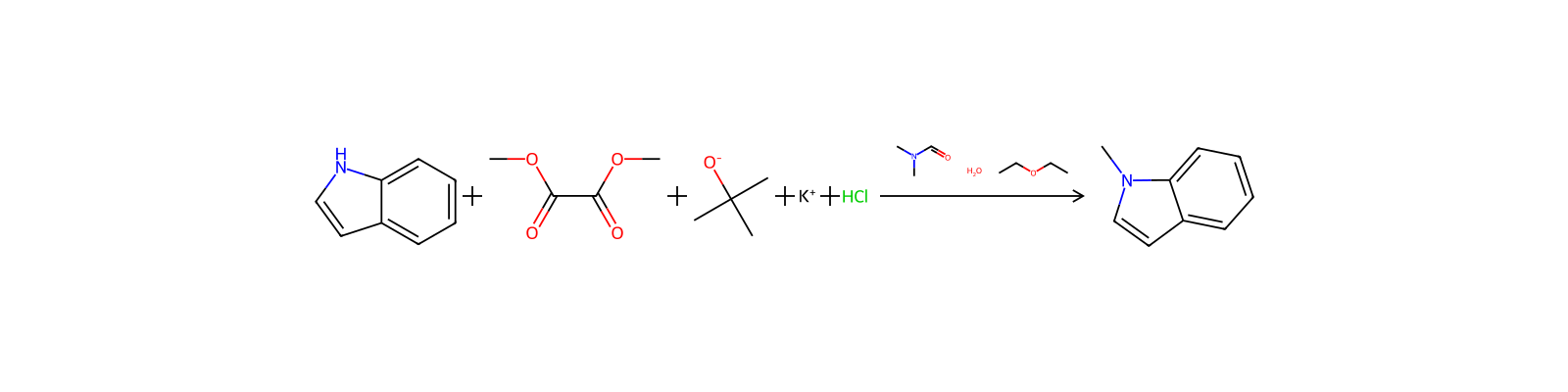
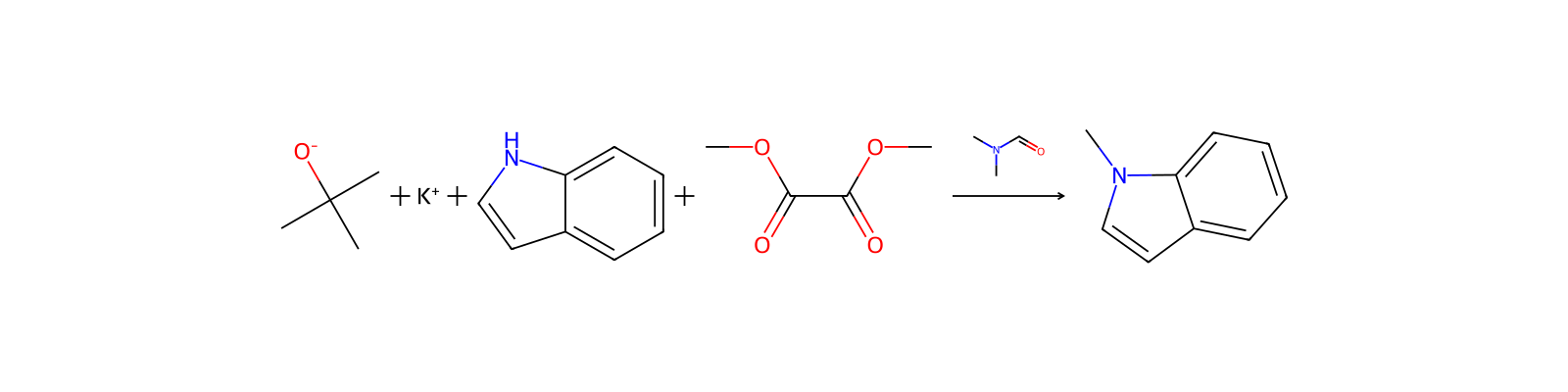
Zugehörige Reaktionen
220




Notizen zur Verbindung
Wird geladen…