

Grundinformationen
- Standard-SMILES
O=C(O)CS- InChIKey
CWERGRDVMFNCDR-UHFFFAOYSA-N- Summenformel
- C2H4O2S
- Durchschnittliche Molmasse
- 92,12 g/mol
- Monoisotopische Masse
- 91,99320037
Überblick
Thioglycolic acid appears as a colorless liquid with an unpleasant odor. Density 1.325 g / cm3. Used to make permanent wave solutions and depilatories. Corrosive to metals and tissue.
Namen und Bezeichner
- Bevorzugter Name
- Thioglycolic Acid
- IUPAC
- 2-sulfanylacetic acid
Namen und Synonyme
mercaptoacetic acidthioglycolic acid68-11-12-Mercaptoacetic acid2-Thioglycolic acidThioglycollic acidAcetic acid, mercapto-Sulfanylacetic acidThiovanic acidMercaptoessigsaeureGlycolic acid, thio-USAF CB-35
Weitere Namen anzeigen
Acide thioglycoliqueGlycolic acid, 2-thio-Mercaptoethanoic acidKyselina thioglykolovaKyselina merkaptooctovaalpha-Mercaptoacetic acidDTXSID8026141NSC-1894
Datenbank-Bezeichner
- CAS
68-11-1- PubChem CID
- 1133
- DTXSID
DTXSID8026141- ChEMBL
CHEMBL116455- ChEBI
CHEBI:30065- UNII
- 7857H94KHM
- EC Number
- 200-677-4
- Nikkaji
- J4.856I
Eigenschaften
Berechnete Struktureigenschaften
- XLogP
- 0,1
- Polarare Oberfläche (TPSA)
- 38,3 Ų
- H-Brücken-Donoren
- 2
- H-Brücken-Akzeptoren
- 3
- Frei drehbare Bindungen
- 1
- Schwere Atome
- 5
- Formalladung
- 0
- Komplexität
- 42,9
Experimentelle und physikochemische Eigenschaften
Chemical Classes
Other Classes -> Sulfur Compounds
Corrosives
Cosmetics
Cosmetic ingredients (Thioglycolic Acid) -> CIR (Cosmetic Ingredient Review)
Hair waving or straightening; Reducing; Depilatory
SpringerMaterials PropertiesBoiling point
LogP
log Kow = 0.09
0.05
0.09
Odor
Strong, unpleasant odor
ODOR HAS CHARACTERISTIC OF SULFHYDRYL GROUPS
Strong, disagreeable odor characteristic of mercaptans [Note: Olfactory fatigue may occur after short exposures].
Pungent /Anhydrous/
Density
1.3253 at 68 °F (NTP, 1992) - Denser than water; will sink
1.3253 g/cu cm at 20 °C
Relative density (water = 1): 1.3
1.33
1.325 @25 °C
1.32
Viscosity6.55 mPa.s (= cP) at 20 °C
Color/Form
Colorless liquid
Clear, colorless liquid
Water-white liquid
Solubility
greater than or equal to 100 mg/mL at 64 °F (NTP, 1992)
Miscible with water
Miscible with chloroform, benzene and many other organic solvents
Miscible with ethanol, and ethyl ether; slightly soluble in chloroform
Miscible with mono- and polyalcohols, ethers, ketones, esters, chlorinated hydrocarbons, and aromatic hydrocarbons, but not with aliphatic hydrocarbons.
Solubility in water: miscible
CorrosivityCorrosive
Flash Point
235 °F (NTP, 1992)
126 °C, open cup
130 °C (Closed cup)
126 °C o.c.
235 °F
>230 °F
Boiling Point
248 °F at 20 mmHg (NTP, 1992)
120 °C at 20 mm Hg
120 °C
248 °F at 20 mmHg
Sicherheit und Regulatorisches
GHS-Klassifizierung
GHS Classification
Danger
H301: Toxic if swallowed [Danger Acute toxicity, oral]
P260, P261, P262, P264, P270, P271, P280, P301+P316, P301+P330+P331, P302+P352, P302+P361+P354, P304+P340, P305+P354+P338, P316, P321, P330, P361+P364, P363, P403+P233, P405, and P501 (click each P-code to see the statement)
Danger
H301 (96.5%): Toxic if swallowed [Danger Acute toxicity, oral]
P260, P261, P262, P264, P264+P265, P270, P271, P272, P280, P284, P301+P316, P301+P330+P331, P302+P352, P302+P361+P354, P304+P340, P305+P354+P338, P316, P317, P320, P321, P330, P333+P317, P361+P364, P362+P364, P363, P403+P233, P405, and P501 (click each P-code to see the statement)
Gefahrenhinweise
Regulatory Information
Chemical: Acetic acid, mercapto-
Acetic acid, 2-mercapto- is listed on the EPA's Chemical Data Reporting (CDR) system. Manufacturers and importers of Acetic acid, 2-mercapto- are required to report information about their production and use of this chemical to the EPA under the Toxic Substances Control Act (TSCA). (40 eCFR Part 711)
Status: Active Update: 09-11-2022 https://echa.europa.eu/registration-dossier/-/registered-dossier/2175
Thioglycolic acid: Does not have an individual approval but may be used under an appropriate group standard
The New Jersey Worker and Community Right to Know Act requires public and private employers to provide information about hazardous substances at their workplaces. (N.J.S.A. 34:5A-1 et. seq.)
Other Safety InformationIMAP assessments - Acetic acid, mercapto-: Human health tier II assessment
DOT LabelCorrosive
Fire Hazards
Excerpt from ERG Guide 153 [Substances - Toxic and/or Corrosive (Combustible)]:
· Combustible material: may burn but does not ignite readily.
Combustible. Gives off irritating or toxic fumes (or gases) in a fire.
Health Hazards
Excerpt from ERG Guide 153 [Substances - Toxic and/or Corrosive (Combustible)]:
· TOXIC and/or CORROSIVE; inhalation, ingestion or skin contact with material may cause severe injury or death.
Hazards Summary
Toxicological properties are similar to those of acetic acid. May cause skin irritation in professional hairdressers; Ammonium thioglycolate causes allergic contact dermatitis. Thioglycolic acid and its salts and esters can be irritating to the skin and eyes and repeated exposure can cause skin sensitization. [ACGIH] Corrosive to skin; [Quick CPC] A corrosive substance that can cause pulmonary edema; [ICSC] Danger of skin sensitization; [MAK]
DOT ID and Guide
1940 153
1940 153
Reactive GroupAcids, Carboxylic
EC ClassificationSymbol: T; R: 23/24/25-34; S: (1/2)-25-27-28-45
UN ClassificationUN Hazard Class: 8; UN Pack Group: II
Special Reports
Burnett CL et al; International Journal of Toxicology 28 (4S): 68-133 (2009); Cosmetic Ingredient Review Panel evaluation for Thioglycolic Acid and Thioglycolates.[Burnett CL et al; International Journal of Toxicology 28 (4S): 68-133 (2009)]
Reactivity AlertsAir-Reactive
Sicherheit und Schutzausrüstung
Fire Fighting
Excerpt from ERG Guide 153 [Substances - Toxic and/or Corrosive (Combustible)]:
Use water spray, powder, alcohol-resistant foam, carbon dioxide.
First Aid Measures
Fresh air, rest. Half-upright position. Artificial respiration may be needed. Refer for medical attention.
Remove contaminated clothes. Rinse and then wash skin with water and soap. Refer for medical attention .
First rinse with plenty of water for several minutes (remove contact lenses if easily possible), then refer for medical attention.
Rinse mouth. Do NOT induce vomiting. Give one or two glasses of water to drink. Refer for medical attention .
Accidental Release Measures
· CALL 911. Then call emergency response telephone number on shipping paper. If shipping paper not available or no answer, refer to appropriate telephone number listed on the inside back cover.
· ELIMINATE all ignition sources (no smoking, flares, sparks or flames) from immediate area.
First Aid
EYES: First check the victim for contact lenses and remove if present. Flush victim's eyes with water or normal saline solution for 20 to 30 minutes while simultaneously calling a hospital or poison control center. Do not put any ointments, oils, or medication in the victim's eyes without specific instructions from a physician. IMMEDIATELY transport the victim after flushing eyes to a hospital even if no symptoms (such as redness or irritation) develop.
General First Aid:
(General first aid procedures)
Safe StorageSeparated from strong oxidants, strong bases, food and feedstuffs and combustible substances. Keep in a well-ventilated room.
Exposure Control and Personal Protection· Wear positive pressure self-contained breathing apparatus (SCBA).
Fire Fighting Procedures
Wear self contained breathing apparatus for fire fighting if necessary.
Use water spray, alcohol-resistant foam, dry chemical or carbon dioxide.
Storage ConditionsKeep container tightly closed in a dry and well-ventilated place. Containers which are opened must be carefully resealed and kept upright to prevent leakage. Recommended storage temperature: -20 °C
Cleanup Methods
Environmental precautions: Prevent further leakage or spillage if safe to do so. Do not let product enter drains. Discharge into the environment must be avoided. Methods and materials for containment and cleaning up: Soak up with inert absorbent material and dispose of as hazardous waste. Keep in suitable, closed containers for disposal.
Nonfire Spill ResponseExcerpt from ERG Guide 153 [Substances - Toxic and/or Corrosive (Combustible)]:
Disposal Methods
SRP: The most favorable course of action is to use an alternative chemical product with less inherent propensity for occupational harm/injury/toxicity or environmental contamination. Recycle any unused portion of the material for its approved use or return it to the manufacturer or supplier. Ultimate disposal of the chemical must consider: the material's impact on air quality; potential migration in soil or water; effects on animal and plant life; and conformance with environmental and public health regulations.
SRP: Wastewater from contaminant suppression, cleaning of protective clothing/equipment, or contaminated sites should be contained and evaluated for subject chemical or decomposition product concentrations. Concentrations shall be lower than applicable environmental discharge or disposal criteria. Alternatively, pretreatment and/or discharge to a permitted wastewater treatment facility is acceptable only after review by the governing authority and assurance that "pass through" violations will not occur. Due consideration shall be given to remediation worker exposure (inhalation, dermal and ingestion) as well as fate during treatment, transfer and disposal. If it is not practicable to manage the chemical in this fashion, it must be evaluated in accordance with EPA 40 CFR Part 261, specifically Subpart B, in order to determine the appropriate local, state and federal requirements for disposal.
Product Offer surplus and non-recyclable solutions to a licensed disposal company. Contact a licensed professional waste disposal service to dispose of this material. Dissolve or mix the material with a combustible solvent and burn in a chemical incinerator equipped with an afterburner and scrubber. Contaminated packaging Dispose of as unused product.
Spillage Disposal
Evacuate danger area! Consult an expert! Personal protection: chemical protection suit including self-contained breathing apparatus. Ventilation. Collect leaking liquid in sealable containers. Absorb remaining liquid in sand or inert absorbent. Then store and dispose of according to local regulations.
Toxikologische Informationen
Interactions
Quantum dots (QDs) are a novel class of inorganic fluorophores which are gaining widespread recognition as a result of their exceptional photophysical properties and their applications as a biomarker and in molecular biomedical imaging. The aim of this study was to evaluate the in vivo genotoxicity in mice exposed to CdSe quantum dots of average size 5.0 +/- 0.2 nm and CdSe doped with 1% cobalt ions of similar size. The quantum dots are surface modified using mercaptoacetic acid (MAA) in order to be biocompatible and water-soluble. The MAA-QDs were given to the mice orally at doses of 500, 1000, and 2000 mg/kg by weight of MAA-QDs. Bone marrow and liver samples were collected after two and seven days of treatment. The results indicated that after two days of treatment, the high dose of doped MAA-QDs was significantly able to induce DNA damage, formation of micronuclei (MNs), and generation of DNA adduct (8-hydroxy-2-deoxyguanosine, 8-OHdG). However, increasing DNA damage and the frequency of MNs formation as well as the generation of DNA adducts were observed with both the undoped MAA-QDs (2000 mg/kg) and doped MAA-QDs (1000 and 2000 mg/kg) after seven days of treatment. The results of /this/ study indicate that exposure to high doses of pure MAA-QDs or MAA-QDs doped with cobalt has the potential to cause indirect in vivo genetic damage, which may be attributed to free radical-induced oxidative stress in mice. /CdSe quantum dots surface modified with mercaptoacetic acid/
Target OrgansEyes, skin, respiratory system
Ecotoxicity ValuesLC50; Species: Pimephales promelas (Fathead Minnow); Conditions: freshwater, static, 17 °C, pH 7.0-7.3, alkalinity 50-70 mg/L CaCO3, dissolved oxygen 7-8 mg/L; Concentration: 30000 ug/L for 96 hr /formulated product/
Environmental Fate
TERRESTRIAL FATE: Based on a classification scheme(1), an estimated Koc value of 1.4(SRC), determined from a structure estimation method(2), indicates that mercaptoacetic acid is expected to have very high mobility in soil(SRC). The pKa of mercaptoacetic acid is 3.55(3), indicating that this compound will exist almost entirely in the anion form in the environment and anions generally do not adsorb more strongly to soils containing organic carbon and clay than their neutral counterparts(4). Volatilization from moist soil is not expected because the compound exists as an anion and anions do not volatilize. Mercaptoacetic acid is not expected to volatilize from dry soil surfaces(SRC) based upon a vapor pressure of 8.68X10⁻² mm Hg at 25 °C(5). Utilizing the Japanese MITI test, 100% of the Theoretical BOD was reached in 4 weeks(6) indicating that biodegradation is an important environmental fate process in soil(SRC).
AQUATIC FATE: Based on a classification scheme(1), an estimated Koc value of 1.4(SRC), determined from a structure estimation method(2), indicates that mercaptoacetic acid is not expected to adsorb to suspended solids and sediment(SRC). A pKa of 3.55(3) indicates mercaptoacetic acid will exist almost entirely in the anion form at pH values of 5 to 9 and, therefore, volatilization from water and moist soil surfaces and bioconcentration are not expected to be an important environmental fate processes(SRC). Utilizing the Japanese MITI test, 100% of the Theoretical BOD was reached in 4 weeks(4) indicating that biodegradation is an important environmental fate process in water(SRC).
ATMOSPHERIC FATE: According to a model of gas/particle partitioning of semivolatile organic compounds in the atmosphere(1), mercaptoacetic acid, which has a vapor pressure of 8.68X10⁻² mm Hg at 25 °C(2), is expected to exist solely as a vapor in the ambient atmosphere. Vapor-phase mercaptoacetic acid is degraded in the atmosphere by reaction with photochemically-produced hydroxyl radicals(SRC); the half-life for this reaction in air is estimated to be 10 hrs(SRC), calculated from its rate constant of 3.8X10⁻¹¹ cu cm/molecule-sec at 25 °C(SRC) that was derived using a structure estimation method(3). Mercaptoacetic acid does not contain chromophores that absorb at wavelengths >290 nm(4) and, therefore, is not expected to be susceptible to direct photolysis by sunlight(SRC).
Adverse EffectsDermatotoxin - Skin burns.
Exposure Routes
The substance can be absorbed into the body by inhalation, through the skin and by ingestion.
inhalation, skin absorption, ingestion, skin and/or eye contact
Toxicity Summary
Based on the available data, the CIR Expert Panel concluded that ... Thioglycolic Acid is safe for use in hair straighteners, permanent waves, tonics, dressings, and so forth, wave sets, other non-coloring hair products, and hair dyes and colors, as described in this safety assessment, at concentrations up to 15.2% (as Thioglycolic Acid). Hairdressers should avoid skin contact and minimize consumer skin exposure. ... Thioglycolic Acid in depilatories is safe when formulated to be non-irritating under conditions of recommended use.
Safe for use in cosmetics, with qualifications
IDENTIFICATION AND USE: Mecracaptoacetic acid is a clear, colorless liquid with a strong, unpleasant odor. It is used in the manufacture of pharmaceuticals, thioglycolates, permanent wave solutions, depilatories, and as a vinyl stabilizer. It is a sensitive reagent for iron, molybdenum, silver, tin. Mercaptoacetic acid is also used as a hair waving agent. In addition it is used in hydraulic fracturing mixtures to prevent precipitation of metal oxides (iron control). HUMAN EXPOSURE AND TOXICITY: An eczematous rash of the scalp, face & hands often results from contact with the thioglycolate of "cold wave" material used by hairdressers. This material has been reported to be absorbed in sufficient quantity to cause death. A lotion base containing 4.5% Thioglycolic Acid was applied to a 2 x 2-cm area of patients. Sites were rinsed 10 minutes later. None of the subjects had signs of inflammation. After a 12-hour interval, the lotion was applied to pubic, perineal, and scrotal regions, and sites were rinsed 10 minutes later. The lotion was not irritating to majority of the patients. Some patients complained of a hot sensation around the scrotum that lasted for only a few minutes. Thioglycolic acid (TGA) is the active ingredient of permanent-waving solution (PWS). The effect of TGA-containing PWS on the health of a human population was evaluated in 3 substudies. Firstly, 57 female hairdressers exposed to TGA-containing PWS (cases) and 64 female schoolteachers (controls) were studied. Their menstruation state was evaluated with information obtained from interviews. The results revealed that the menoxenia rate in the cases was significantly higher than that in the controls. Secondly, 8 female hairdressers selected from those that participated in the above survey underwent a fluctuation test for the mutagenic activity of urine. Eight female medical students were chosen as controls. Difference in the mutagenic activity of urine on S. tiphymurium TA100 between the two groups was highly significant. Finally, a micronucleus assay was carried out on scalp hair follicle cells in healthy volunteers. Scalp hair with the follicle cell mass was sampled from 8 male and 8 female volunteers before permanent waving and at 24, 48 and 72 hr after waving. One thousand hair follicle cells were examined by light microscopy. The number of cells containing a micronucleus and the number of micronuclei in each cell was determined. The permillages of micronuclei in hair follicle cells before and after permanent waving were compared. Micronuclei presence reached its peak value 24 hr after permanent waving, which was significantly higher than that before waving. The rate decreased progressively after 24 hr. Thioglycolic acid was tested at concentrations of up to 300 ug/mL without metabolic activation and of up to 1000 ug/mL with metabolic activation in an in vitro chromosome aberration test in human lymphocytes. Exposures were for 24 and 48 hours in absence of S9-mix and 2 hours in presence of S9-mix. Cytotoxicity was observed at a concentration of 300 ug/plate without S9-mix and at and above 1000 ug/mL with S9-mix. Thioglycolic acid did not induce a biological relevant increase in the number of cells with structural chromosome aberrations compared to the untreated controls in this test. Small quantities of Thioglycolic Acid, as cysteine-thioglycolic acid mixed disulfide, have been identified in human urine via high-voltage paper electrophoresis. ANIMAL STUDIES: Thioglycolic Acid (5%) caused death in a monkey at a dose of 300 mg/kg. Rats receiving the 660 mg/kg dose of TGA dermally died within 24 hours, whereas none of the animals in the 330 mg/kg dose group died. The following effects of TGA have been reported: potentiation of bradykinin-induced contractions of guinea pig gut and uterus; inactivation of hypocalcemic activity of the salivary gland hormone, b-parotin; stimulation of guinea pig skin histidase activity; inhibition of thyroid iodinating enzyme system (in calf thyroid) in the presence of a hydrogen peroxide-generating system; inhibition of uterine response to oxytocin in rats; diabetogenic effect in rats; reduction of rat hepatic succinoxidase activity; reduction of bovine antidiuretic factor activity; and inhibition of fatty acid oxidation. The effects of TGA on oocyte maturation and in vitro fertilization (IVF) in mice were studied by the method in vitro culture and IVF in mice oocyte. Results: The results showed that TGA could inhibit the germinal vesicle breakdown (GVBD) of mouse oocyte in vitro culture, but had no impact on GVBD in vivo. TGA could also inhibit the extruding of first polar baby and affect the quality and viability of mouse oocytes and reduce the fertilization rate of IVF and the oocytes number which were stimulated through superovulation. TGA might be hazardous to the meiotic maturation of mouse oocyte and might reduce the fertility of oocyte. That meant TGA had a reproductive toxicity to female mice to some extent. TGA was not mutagenic using S. typhimurium strains TA 1535, TA 1537, and TA 1538 with or without metabolic activation. A sex-linked recessive lethal mutation test was used in Drosophila melanogaster to evaluate the mutagenic potential of Thioglycolic Acid. The test solution was not mutagenic to any of the 309 X chromosomes tested. In vivo micronucleus testing of Thioglycolic Acid has been completed in the mouse, by oral and dermal routes of administration and no genotoxicity was found. Significant concentrations of dithioglycolate were detected in the urine of rats at 24 hr after injection. Only negligible concentrations of Thioglycolate were detected.
Signs and Symptoms
Abdominal cramps. Burning sensation. Cough. Laboured breathing. Shortness of breath. Sore throat. Symptoms may be delayed.
MAY BE ABSORBED! Redness. Skin burns. Pain. Blisters. See Inhalation.
Redness. Pain. Loss of vision. Severe deep burns.
Abdominal pain. Burning sensation. Shock or collapse.
irritation eyes, skin, nose, throat; lacrimation (discharge of tears), corneal damage; skin burns, blisters; In Animals: lassitude (weakness, exhaustion); gasping respirations; convulsions
Ongoing Test Status
EPA has released the first beta version (version 0.5) of the Interactive Chemical Safety for Sustainability (iCSS) Dashboard. The beta version of the iCSS Dashboard provides an interactive tool to explore rapid, automated (or in vitro high-throughput) chemical screening data generated by the Toxicity Forecaster (ToxCast) project and the federal Toxicity Testing in the 21st century (Tox21) collaboration. /The title compound was tested by ToxCast and/or Tox21 assays; See the data in Chemical Explorer/[USEPA; ICSS Dashboard Application; Available from, as of June 27, 2014: http://actor.epa.gov/dashboard/]
The following link will take the user to the National Toxicology Program (NTP) Test Agent Search Results page, which tabulates all of the "Standard Toxicology & Carcinogenesis Studies", "Developmental Studies", and "Genetic Toxicity Studies" performed with this chemical. Clicking on the "Testing Status" link will take the user to the status (i.e., in review, in progress, in preparation, on test, completed, etc.) and results of all the studies that the NTP has done on this chemical.[Available from, as of June 30, 2014: http://ntp-apps.niehs.nih.gov/ntp_tox/index.cfm?fuseaction=ntpsearch.searchresults&searchterm=68-11-1]
Soil Adsorption/Mobility
Using a structure estimation method based on molecular connectivity indices(1), the Koc of mercaptoacetic acid can be estimated to be 1.4(SRC). According to a classification scheme(2), this estimated Koc value suggests that mercaptoacetic acid is expected to have very high mobility in soil. The pKa of mercaptoacetic acid is 3.55(3), indicating that this compound will exist almost entirely in the anion form in the environment and anions generally do not adsorb more strongly to soils containing organic carbon and clay than their neutral counterparts(4).
TSCA Test Submissions
Thioglycolic acid (CAS # 68-11-1) was evaluated for acute inhalation toxicity in Wistar albino rats (5/sex/group) administered continuous whole-body exposures to measured concentrations of 0 (control), 0.068, 0.172, 0.338 and 0.582 mg/l for 4 hours. Despite respective atmospheric deviations during 4-hour exposures of 21, 48, 53 and 22%, study authors reported an LC50 of 0.21 mg/l with a standard error of 0.040 mg/l. Mortality occurred in treatment groups administered exposures to 0.172 mg/l (2/5M, 2/5F), 0.338 mg/l (3/5M, 4/5F) and 0.582 mg/l (5/5M, 5/5F). Clinical signs of irritative respiratory toxicity during exposures included partial closure of eyes, wetness about eyes and mouth, abnormal respiration, restlessness, and hunched posture. Abnormal respiration, brown-stained snout and jaws, and sensitivity to touch persisted from 3-13 days of 14-day observation in a dose-related manner. Transient reduced food and water consumption was noted in both male and female rats of 0.172 and 0.338 mg/l exposures, and transient (up to 3 days) reduced bodyweight gains reflected effects of increasing exposure levels. Upon necropsy of study lethalities, lungs were found congested and of increased weight relative to controls. Terminal necropsy of all surviving rats at all exposure concentrations revealed no macroscopic treatment-related changes in the lungs. Detailed microscopic evaluation of decedent rats and rats surviving 2-week recovery disclosed no treatment-related changes other than confirmed lung congestion among study lethalities of 0.172, 0.338 and 0.582 mg/l exposures.
Atmospheric Concentrations
Among the many chemicals used in a hair salon, exposure to thioglycolic acid (TGA) used for permanent waving solutions (PWS) potentially causes adverse health effects. However, no report has been previously published on the indoor air concentrations of TGA in a beauty salon that contributes to assessment of exposure to TGA of hairdressers and their customers. This study aimed to demonstrate the present concentration levels of TGA in indoor air of a beauty salon where the PWS containing ammonium thioglycolate was actually used for perm treatments. A field measurement of TGA, dithiodiglycolic acid (DTDGA, a reaction product of TGA and cysteine residues of hair keratin) and ammonia was carried out in a beauty salon located at Tokyo, Japan, from June 30 to July 2. Both TGA and DTDGA were collected in water using an impinger and determined by high performance liquid chromatography (HPLC).The indoor air concentrations of TGA were below the limit of detection of 0.008 mg/cu m at every event and much lower than occupational safety guideline levels set by the NIOSH and ACGIH. Meanwhile, the concentrations of ammonia ranged from 0.15 to 0.87 mg/cu m, and relatively higher concentrations were found during perm events and in samples collected near stations used for perm treatments. Concentrations of DTDGA varied from <0.026 mg/cu m to 0.75 mg/cu m.There was a different emission process of TGA and ammonia from PWS, and airborne TGA is not important as a possible exposure route for hairdressers and customers in this beauty salon.
Chemie und Industrie
Pharmakologische Informationen
Metabolism/Metabolites
Small quantities of Thioglycolic Acid, as cysteine-thioglycolic acid mixed disulfide, have been identified in human urine via high-voltage paper electrophoresis.
The metabolism and excretion of [(35)S]Thioglycolic Acid was evaluated in male Holtzman rats (weight 200-250 g) and in adult male New Zealand rabbits (weights not stated). The test substance (100 mg/kg) was administered to 12 rats via i.v. injection and to 10 rats via intraperitoneal (i.p.) injection. Also, 2 rats were each given 75 mg/kg via i.p. injection. Animals injected i.v. (12 rats) comprised 1 group, and those injected i.p. (12 rats) comprised the other. Urine samples were collected 24 hours after injection, after which the administered (35)S was excreted, and excretion percentages were determined. The mean urine sulfate content for i.v. dosed rats was 82.3% + 1.6% and for i.p. dosed rats was 90.6% + 1.8%. Most of the radioactivity was excreted in the form of neutral sulfate. Two rabbits were injected i.p. with 100 mg/kg of the test substance, and 1 rabbit was injected i.p. with 200 mg/kg. Urine samples were collected 24 hours after injection. The mean urine sulfur content of the 3 rabbits was 88% of the administered dose. As was true for rats, most of the radioactivity was excreted in the form of neutral sulfate. Additionally, Thioglycolic Acid (100-150 mg/kg, no radioactivity) was administered to a group of 7 rabbits via i.p. injection. Significant concentrations of dithioglycolate (average concentration 28%) were detected in the urine at 24 hr after injection. Only negligible concentrations of Thioglycolate were detected.
Absorption, Distribution and Excretion
radioactivity was greatest in the small intestine and kidneys of a rat that was injected i.v. with 50 mg/kg of [(35)S]Thioglycolic Acid. Residual 35S blood concentrations at 0.5 to 7 hours after injection did not exceed 5.3% in rats dosed with 100 mg/kg of [(35)S]Thioglycolic Acid. Most of the radioactivity was excreted in the urine in the form of neutral sulfate 24 hours after 100 mg/kg of [(35)S]Thioglycolic Acid was administered to groups of rats via i.v. and i.p. injection. Similar results were noted after rabbits received 100 and 200 mg/kg doses of [(35)S]Thioglycolic Acid. Significant concentrations of dithioglycolate were detected in the urine of rabbits 24 hours after Thioglycolic Acid (100-150 mg/kg) was injected i.p.
A 30% to 40% dilution of a 25.0% solution (330 mg/kg) of [(35)S]Thioglycolic Acid applied to dorsal skin of rabbits was excreted within 5 hours.
The distribution of radioactivity in Holtzman rats (weights 200-250 g) and in an adult New Zealand rabbit (weight not stated) after i.v. injection of [(35)S]Thioglycolic Acid were investigated. One rat was injected i.v. with 50 mg/kg of the test substance and killed 1 hour later. Radioactivity was greatest in the small intestine and kidneys, less in the liver and stomach, and least in the brain, heart, lungs, spleen, testes, muscle, skin, and bone. The greatest content of 35S, 0.66% of the total administered, was detected in the feces. The authors suggested that this observation may have been due to contamination of the feces with urine missed during the rinsing of urine residue from the cage after collection. The distribution of (35)S in whole blood was evaluated in 6 rats injected i.v. with 100 mg/kg of the test substance and bled during periods of up to 7 hours. Residual (35)S blood concentrations during 0.5 to 7 hours after injection did not exceed 5.3% in any of the 6 animals. The distribution of [(35)S]Thioglycolic Acid in the blood was further investigated in the New Zealand rabbit, with emphasis on binding to the following serum protein fractions: a1-, a2-, b-, and g-globulins and albumin. The test substance (70 mg/kg) was injected i.v. Most of the radioactivity was bound to albumin. The extent of this uptake amounted to 0.14% at 20 minutes after injection and had diminished to 0.016% at 3 hours. The small amount of radioactivity detected in albumin might have been due to isotopic exchange.
Verwendung und Herstellung
Uses
CIR ingredient: Thioglycolic Acid
Used to manufacture drugs, permanent wave solutions, and other chemicals; Concentrations are up to 11% in hair products and 5% in depilatories; [ACGIH]
Dressing Hair [Category: Other]
Carbonyl condensation catalyst
Used as a raw material in the manufacture of fine and specialty chemicals in the pharmaceutical and agricultural sectors.
Sensitive reagent for iron, molybdenum, silver, tin ... Used in the manufacture of thioglycolates.
Impurities
Cosmetic grade Thioglycolic Acid consists of Thioglycolic Acid (78% minimum), iron (0.02 ppm maximum), and monochloroacetic acid (0.05% maximum). The following are listed in the CTFA Specification for Thioglycolic Acid: dithiodiglycolic acid (2.0% maximum), sulfated ash (0.05% maximum), arsenic (3 ppm maximum), copper (1 ppm maximum), and lead (20 ppm maximum). /Other sources/ reported that Thioglycolic Acid was pure at 99%. Water content was <0.3% and dithiodiglycolic acid, thioglycolides, and monochloroacetic acid were reported as <0.4%, <0.3%, and <100 ppm, respectively.
U.S. Production
2023: 2,500,000 - <4,000,000 lb
(1977) PROBABLY GREATER THAN 2.27X10+6 GRAMS
(1979) PROBABLY GREATER THAN 4.54X10+6 GRAMS
Acetic acid, mercapto- is listed as a High Production Volume (HPV) chemical (65FR81686). Chemicals listed as HPV were produced in or imported into the U.S. in >1 million pounds in 1990 and/or 1994. The HPV list is based on the 1990 Inventory Update Rule. (IUR) (40 CFR part 710 subpart B; 51FR21438).
Production volumes for non-confidential chemicals reported under the Inventory Update Rule.[Table#4151]
For more U.S. Production (Complete) data for MERCAPTOACETIC ACID (6 total), please visit the HSDB record page.
Consumer UsesCorrosion inhibitor
Industry UsesAnti-scaling agent
Methods of Manufacturing
Industrially, mercaptoacetic acid is produced from chloroacetic acid or its salts and sodium or potassium hydrogen sulfide. Thiodiglycolic acid, dithiodiglycolic acid, and glycolic acid may be formed as side products. The mercaptoacetic acid is isolated from the acidified reaction mixture by extraction with organic solvents (ethers, alcohols, or chlorinated hydrocarbons) and purified by distillation. Both batch and continuous processes have been described in the patent literature as well as processes that operate under a partial pressure of hydrogen sulfide or carbon dioxide.
Prepd by the action of sodium sulfhydrate on sodium chloroacetate; by electrolysis of dithioglycollic acid (from sodium sulfide and sodium chloroacetate).
According to the Cosmetic, Toiletry, and Fragrance Association (CTFA), Thioglycolic Acid may be prepared via the reaction of sodium or potassium chloracetate with alkali metal hydrosulfide in aqueous medium. The reaction mixture is acidified and purified by organic extraction and vacuum distillation.
Formulations/Preparations
In widely avail commercial cold-wave prepn for waving hair there is as a rule no free thioglycolic acid. Instead these prepn contain ammonium, sodium, or calcium thioglycolate at mildly alkaline pH, commonly pH 9.5 & are far less dangerous to the eye than is free thioglycolic acid.
Available commercially as an anhydrous powder or an aqueous solution containing 70-80% active matter.
Thioglycolic acid is marketed as pure product or at 80-85% wt% aqueous solution.
Commercial forms of mercaptoacetic acid are the 99% acid ... and the 80% acid ... . Standardized mercaptoacetic acid should contain not more than 2% dithiodiglycolic acid and a maximum of 1 ppm iron, lead, copper, and arsenic.
Household ProductsInformation on 8 consumer products that contain Mercaptoacetic acid in the following categories is provided:
Use ClassificationCosmetics -> Hair waving or straightening; Reducing; Depilatory
General Manufacturing Information
Mining (except Oil and Gas) and support activities
Acetic acid, 2-mercapto-: ACTIVE
Zugehörige Reaktionen
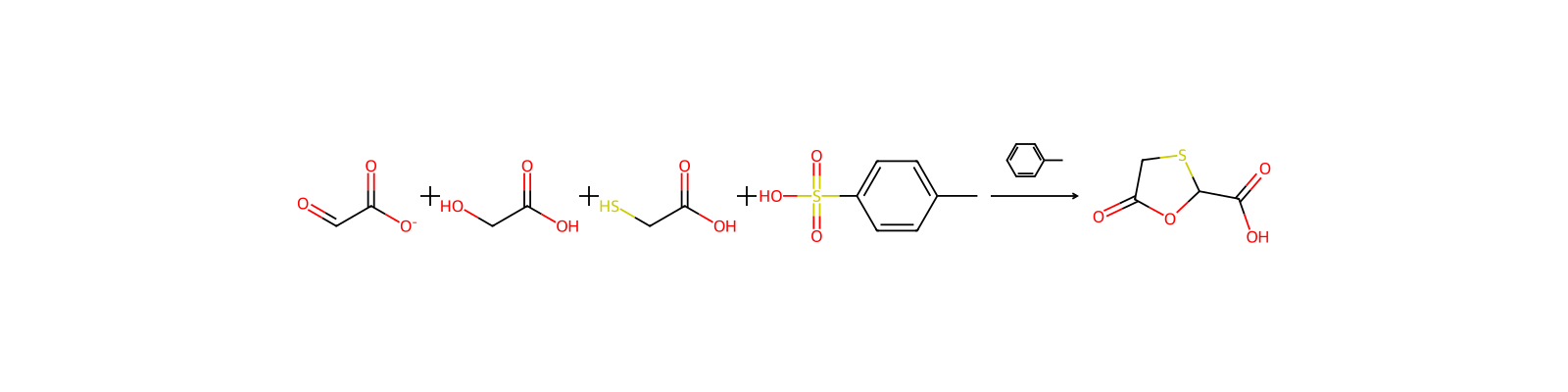
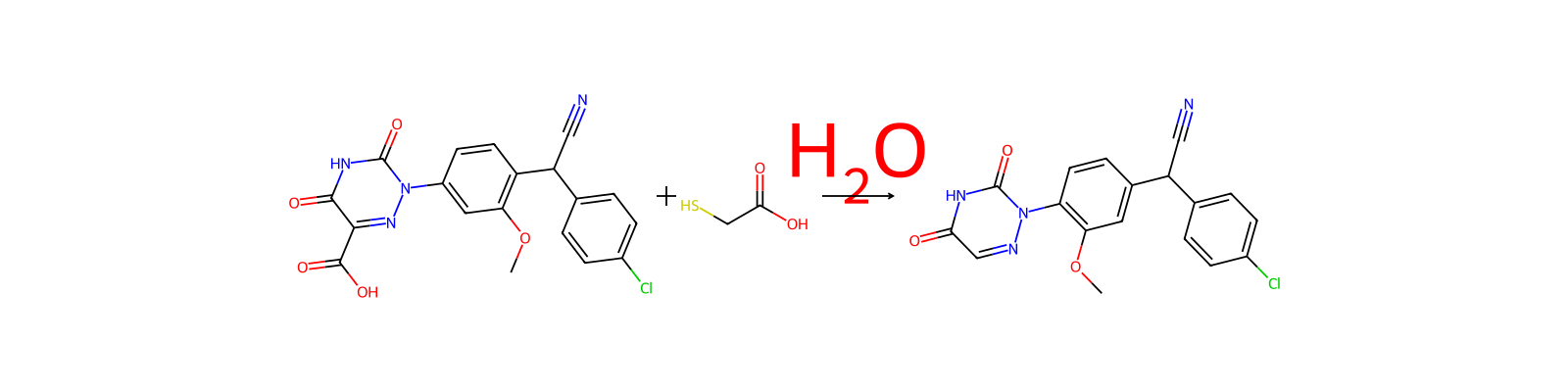
531




Verknüpfte Notizen
Wird geladen…