
Grundinformationen
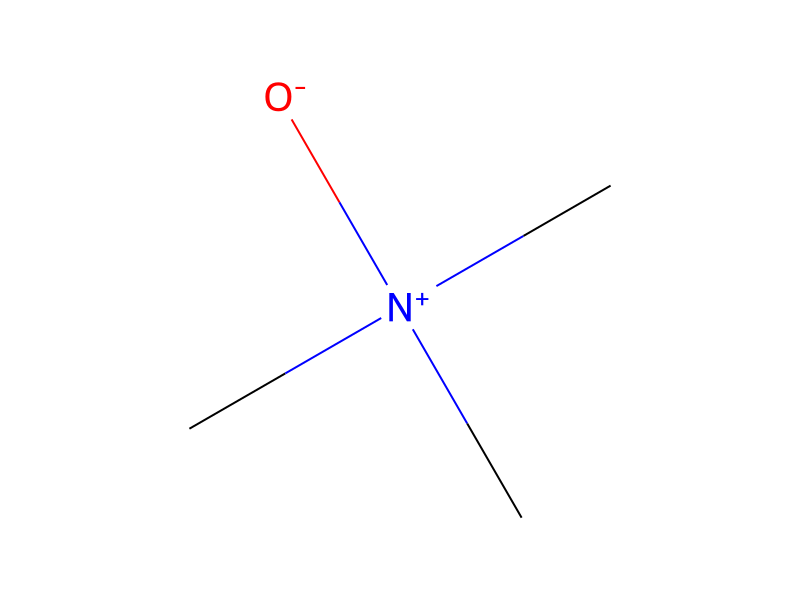
- Standard-SMILES
C[N+](C)(C)[O-]- InChIKey
UYPYRKYUKCHHIB-UHFFFAOYSA-N- Summenformel
- C3H9NO
- Durchschnittliche Molmasse
- 75,11 g/mol
- Monoisotopische Masse
- 75,06841391
Überblick
Trimethylamine N-oxide is a tertiary amine oxide resulting from the oxidation of the amino group of trimethylamine. It has a role as a metabolite, an osmolyte and an Escherichia coli metabolite. It is functionally related to a trimethylamine. It is a conjugate base of a hydroxytrimethylaminium.
Namen und Bezeichner
- Bevorzugter Name
- Trimethylamine oxide
- IUPAC
- N,N-dimethylmethanamine oxide
- Lokaler Name
- Trimethylamin, N-oxid
- Englischer Name
- Trimethylamine N-oxide
- Summenformel
- C3H9NO
- Molmasse
- 75.11
Namen und Synonyme
TRIMETHYLAMINE N-OXIDETrimethylamine oxide1184-78-7N,N-dimethylmethanamine oxideTrioxTrimethyloxamineTMAON,N-Dimethylmethanamine N-oxideMethanamine, N,N-dimethyl-, N-oxidetrimethylammonium oxide(CH3)3NOFLD0K1SJ1A
Weitere Namen anzeigen
Trimetlylamine OxideTrimethylamine N-Oxide AnhydrousTMANO AnhydrousTRIMETHYLAMINOXIDErimethylamineN-oxide
NSC-408426CHEBI:15724FEMA NO. 4245RefChem:933449214-675-6Trimethylamine N-oxide dihydratetrimethylamine-N-oxideTrimethylamine, N-oxide
Datenbank-Bezeichner
- CAS
1184-78-7、85408-49-7- PubChem CID
- 1145
- DTXSID
DTXSID8049678- ChEBI
CHEBI:15724- UNII
- FLD0K1SJ1A
- EC Number
- 214-675-6、287-011-6
- Nikkaji
- J7.304K
Eigenschaften
Berechnete Struktureigenschaften
- XLogP
- -0,3
- Polarare Oberfläche (TPSA)
- 18,1 Ų
- H-Brücken-Donoren
- 0
- H-Brücken-Akzeptoren
- 1
- Frei drehbare Bindungen
- 0
- Schwere Atome
- 5
- Formalladung
- 0
- Komplexität
- 28,4
Experimentelle und physikochemische Eigenschaften
Chemical ClassesNitrogen Compounds -> Amine Oxides
DrugsPharmaceuticals -> Metabolite of Levocarnitine
SpringerMaterials PropertiesSchoenflies notation
LogP-2.570
Food AdditivesFLAVORING AGENT OR ADJUVANT -> FDA Substance added to food
Flavoring AgentsEU Flavoring substances
Solubility
454 mg/mL
Soluble in water
Soluble (in ethanol)
Melting Point95 - 99 °C
Physical Description
Liquid
Colorless solid; Highly hygroscopic; [Merck Index]
Solid
Colourless to yellow solid; Odourless
Physikochemische Eigenschaften
- Schmelzpunkt
- 220 · 220-222 °C (lit.)
- Siedepunkt
- 133.8 °C · 133.8°C (rough estimate)
- Dichte
- 0.9301 · 0.9301 (rough estimate)
- Dampfdruck
- 23.5 Pa · 23.5Pa at 20℃
- Brechungsindex
- 1.4698 · 1.4698 (estimate)
- FEMA
- 4245 · 4245 | TRIMETHYLAMINE OXIDE
- storage temp.
- Hygroscopic, Room Temperature, under inert atmosphere
- Löslichkeit
- Chloroform, DMSO, Methanol (Slightly)
- pka
- 4.65 · 4.65(at 25℃)
- Aggregatzustand
- Solid
- Farbe
- Pale Yellow
- Geruch (Odor)
- odorless
- Wasserlöslichkeit
- 793 g/L · 793g/L at 24.5℃
- Merck
- 14 · 14,9711
- JECFA Number
- 1614 · 1614
- Stabilität
- Hygroscopic
- InChI
- 1S/C3H9NO/c1-4(2,3)5/h1-3H3
- InChIKey
- UYPYRKYUKCHHIB-UHFFFAOYSA-N
- SMILES
- C[N+](C)(C)[O-]
- LogP
- -2.79 · -2.79
- EPA chemische Informationen
- Methanamine, N,N-dimethyl-, N-oxide (1184-78-7)
Sicherheit und Regulatorisches
GHS-Klassifizierung
GHS Classification
Danger
H302 (71.8%): Harmful if swallowed [Warning Acute toxicity, oral]
P264, P264+P265, P270, P273, P280, P301+P317, P302+P352, P305+P354+P338, P317, P321, P330, P332+P317, P362+P364, P391, and P501 (click each P-code to see the statement)
Aggregated GHS information provided per 188 reports by companies from 6 notifications to the ECHA C&L Inventory. Each notification may be associated with multiple companies.
Warning
H302+H332 (31.5%): Harmful if swallowed or if inhaled [Warning Acute toxicity, oral; acute toxicity, inhalation]
Gefahrenhinweise
Regulatory Information
Commission Regulation (EC) No 1565/2000 (Repealed by Com. Implementing Reg. (EU) No 872/2012)
Methanamine, N,N-dimethyl-, N-oxide is listed on the EPA's Chemical Data Reporting (CDR) system. Manufacturers and importers of Methanamine, N,N-dimethyl-, N-oxide are required to report information about their production and use of this chemical to the EPA under the Toxic Substances Control Act (TSCA). (40 eCFR Part 711)
Status: Active Update: 03-04-2023 https://echa.europa.eu/registration-dossier/-/registered-dossier/25104
Methanamine, N,N-dimethyl-, N-oxide: Does not have an individual approval but may be used under an appropriate group standard
Amines, C12-16-alkyldimethyl, N-oxides: Does not have an individual approval but may be used as a component in a product covered by a group standard. It is not approved for use as a chemical in its own right.
Hazards SummaryThe dihydrate is CAS# 62637-93-8; May cause skin, eye, and respiratory tract irritation; [Merck Index] Safe when used as a flavoring agent in food; [JECFA] A skin and strong eye irritant; [Sigma-Aldrich MSDS]
Hazard Classes and Categories
Acute Tox. 4 (57.6%)
Acute Tox. 4 (71.8%)
Sicherheit und Schutzausrüstung
Minimum Risk Level>75 uM in blood
Toxikologische Informationen
Treatment
Kidney dialysis is usually needed to relieve the symptoms of uremic syndrome until normal kidney function can be restored. Treatments for atherosclerosis may include lifestyle changes (exercise, eating fruits and vegetables), medicines (statins), and medical procedures or surgery (angioplasty).
Health Effects
High endogenous levels of TMAO in the blood (>100 uM) can lead to uremia which can lead to a number of conditions including renal damage, chronic kidney disease and cardiovascular disease. Chronically high levels of TMAO in the blood can also lead to the development of atherosclerosis and atherosclerotic plaques.
Exposure RoutesEndogenous, Ingestion
Toxicity Summary
Uremic toxins such as TMAO are actively transported into the kidneys via organic ion transporters (especially OAT3). Increased levels of uremic toxins can stimulate the production of reactive oxygen species. This seems to be mediated by the direct binding or inhibition by uremic toxins of the enzyme NADPH oxidase (especially NOX4 which is abundant in the kidneys and heart) (5). Reactive oxygen species can induce several different DNA methyltransferases (DNMTs) which are involved in the silencing of a protein known as KLOTHO. KLOTHO has been identified as having important roles in anti-aging, mineral metabolism, and vitamin D metabolism. A number of studies have indicated that KLOTHO mRNA and protein levels are reduced during acute or chronic kidney diseases in response to high local levels of reactive oxygen species (6). TMAO appears to contribute to the development of atherosclerosis in part by promoting cholesterol accumulation within macrophages, perhaps by inducing scavenger receptors such as CD36 and SRA1, both of which are involved in the uptake of modified lipoproteins (A15344).
Signs and Symptoms
As a uremic toxin, TMAO can cause uremic syndrome. Uremic syndrome may affect any part of the body and can cause nausea, vomiting, loss of appetite, and weight loss. It can also cause changes in mental status, such as confusion, reduced awareness, agitation, psychosis, seizures, and coma. Abnormal bleeding, such as bleeding spontaneously or profusely from a very minor injury can also occur. Heart problems, such as an irregular heartbeat, inflammation in the sac that surrounds the heart (pericarditis), and increased pressure on the heart can be seen in patients with uremic syndrome. Shortness of breath from fluid buildup in the space between the lungs and the chest wall (pleural effusion) can also be present. Symptoms of atherosclerosis include angina, chest pain, breathlessness, nausea, dizziness, leg pains, weakness or numbness in the legs, erectile dysfunction, hairloss on legs or feet and leg sores that never heal.
Carcinogen ClassificationNo indication of carcinogenicity to humans (not listed by IARC).
Toxicity Data>100 uM in blood is usually indicative of uremia
Sicherheitsdaten
- wgk
- 3
- tsca
- TSCA listed
- hs_code
- 2904.20.5000
- risk_code
- 36/37/38
- hazard_code
- Xi
- safety_code
- 26-37/39
- Speicherklasse
- 11 - Combustible Solids
- Hazard Classifications
- Acute Tox. 4 InhalationAcute Tox. 4 Oral
Chemie und Industrie
Pharmakologische Informationen
Metabolism/Metabolites
Trimethylamine-N-oxide is biosynthesized in the liver from trimethylamine (TMA), which is derived from choline. Flavin monooxygenase 3 (FMO3) has been implicated in the oxidation of TMA since individuals with mutations in FMO3 present with accumulation of TMA levels, causing fish malodor syndrome. TMAO is secreted in the urine and is not metabolized any further.
MeSH Pharmacological ClassificationElectron-accepting molecules in chemical reactions in which electrons are transferred from one molecule to another (OXIDATION-REDUCTION).
Tissue LocationsEpidermis
Cellular LocationsCytoplasm
Verwendung und Herstellung
Uses
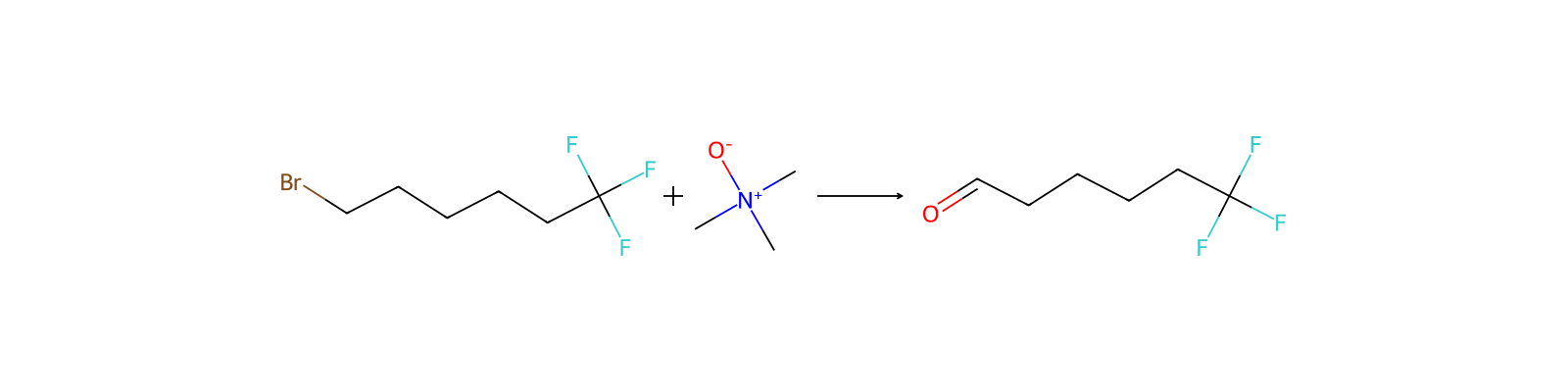
Present in marine organisms; Used in organic synthesis (oxidizing agent); [Merck Index] Used to make quaternary ammonium compounds, as an insect attractant, and a warning agent for flammable gas; [ChemIDplus] Used as flavoring agent or adjuvant; [FDA]
TMAO is produced endogenously in the body. High levels are found in fish. It is a uremic toxic and an atherotoxin or atherogenic. It is also an osmolyte.
U.S. Production2020: <50,000 lb
Industry UsesNot Known or Reasonably Ascertainable
Use Classification
Flavouring Agent -> FLAVOURING_AGENT -> JECFA Functional Classes
Flavoring Agents -> JECFA Flavorings Index
General Manufacturing Information
Not Known or Reasonably Ascertainable
Methanamine, N,N-dimethyl-, N-oxide: ACTIVE
Anwendungen
BeschreibungTrimethylamine N-oxide (TMAO) is a metabolite of choline, phosphatidylcholine, and L-carnitine . It is formed by gut microbiota-mediated metabolism of choline, phosphatidylcholine, and L-carnitine to TMA followed by oxidation of TMA by flavin-containing monooxygenase 3 (FMO3) in the liver. Dietary administration of TMAO (0.12% w/w) increases renal tubulointerstitial fibrosis, collagen deposition, and Smad3 phosphorylation in mice and increases aortic lesion area in atherosclerosis-prone ApoE-/- mice. Plasma levels of TMAO are elevated in patients with chronic kidney disease and decreased in patients with active, compared with inactive, ulcerative colitis. Elevated plasma levels of TMAO are associated with increased risk of cardiovascular disease.
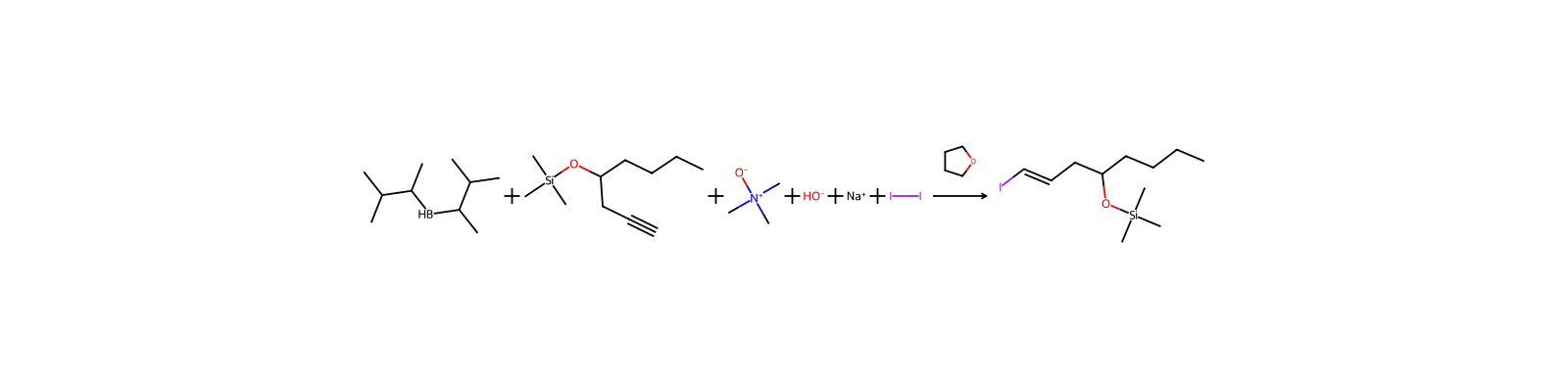
VerwendenTrimethylamineN-oxide can be used:As a demetallationand decarbonylationreagent for organometallic compounds.To prepare azomethine ylide by reaction with lithium di-isopropylamide. This, in turn, may be reacted with simple alkenes to obtain corresponding pyrrolidines.To mediate the conversion of thiols to disulfides.
Vor- und nachgelagerte Produkte
Vorgelagerte Rohstoffe
Nachgelagerte Produkte
Anbieter19 Anbieter
湖南韵邦生物科技股份有限公司85561037 15386497078 · [email protected]
广州纳珑化工有限公司13192879270; 13192879270 · [email protected]
杭州埃肯新材料有限公司15258847994
Dayang Chem (Hangzhou) Co.,Ltd.+86-0571-88938639 17705817739 · [email protected]
广东元丰化学试剂有限公司0751-2829979 13376591640 · [email protected]
杭州杰恒化工有限公司0571-87396432 · [email protected]
尤尼威尔化学品(上海)有限公司021-61932772 13012862996 · [email protected]
武汉峰耀同辉化学制品有限公司027-87466205 15377579727 · [email protected]
湖北世腾化工科技有限公司18971850150 19086915685 · [email protected]
广东翁江化学试剂有限公司0751-2886766 13927870850 · [email protected]
韶关新润合生物科技有限公司19022763608 19022763608 · [email protected]
英伟凯生物科技(上海)有限公司13012862996 · [email protected]
武汉福鑫化工有限公司+86-2759207851; +86-18007136271 · [email protected]
武汉峰耀同辉化学制品有限公司027-87466105 15377573527 · [email protected]
杭州凡达化工有限公司008657128800458 · [email protected]
陕西缔都医药化工有限公司029-029-029-81148696 18161915376 · [email protected]
山东佳鹏新材料有限公司0533-13355330258 13355330258
山东佳鹏精细化工有限公司13573364027
榆林润天畅化工有限责任公司15890142075 15890142075 · [email protected]
Ergänzende Hinweise
DefinitionChEBI: An N-oxide derived from triethylamine.
Zugehörige Reaktionen
146



Verknüpfte Notizen
Wird geladen…