
Grundinformationen
- Standard-SMILES
O=C1C[C@@H](c2ccc(O)cc2)Oc2cc(O)ccc21- InChIKey
FURUXTVZLHCCNA-AWEZNQCLSA-N- Summenformel
- C15H12O4
- Durchschnittliche Molmasse
- 256,25 g/mol
- Monoisotopische Masse
- 256,07355886
Überblick
Liquiritigenin is a dihydroxyflavanone compound having the two hydroxy substituents at the 4'- and 7-positions. Isolated from the root of Glycyrrhizae uralensis, it is a selective agonist for oestrogen receptor beta. It has a role as a hormone agonist and a plant metabolite.
Namen und Bezeichner
- Bevorzugter Name
- Liquiritigenin
- IUPAC
- (2S)-7-hydroxy-2-(4-hydroxyphenyl)-2,3-dihydrochromen-4-one
Namen und Synonyme
Liquiritigenin578-86-9(2S)-liquiritigenin7,4'-Dihydroxyflavanone(-)-liquiritigenin(2S)-7-hydroxy-2-(4-hydroxyphenyl)-2,3-dihydrochromen-4-oneT194LKP9W6(2S)-7-Hydroxy-2-(4-hydroxyphenyl)-2,3-dihydro-4H-1-benzopyran-4-oneCHEBI:28777DTXSID902064934H-1-Benzopyran-4-one, 2,3-dihydro-7-hydroxy-2-(4-hydroxyphenyl)-, (2S)-4H-1-Benzopyran-4-one, 2,3-dihydro-7-hydroxy-2-(4-hydroxyphenyl)-, (S)-
Weitere Namen anzeigen
RefChem:41450DTXCID90128984(S)-7-Hydroxy-2-(4-hydroxyphenyl)chroman-4-one5-DEOXYFLAVANONELIQUIRTIGENINMFCD00287289(S)-liquiritigenin7-hydroxy-2-(4-hydroxy-phenyl)-chroman-4-one
Datenbank-Bezeichner
- CAS
578-86-9- PubChem CID
- 114829
- DTXSID
DTXSID90206493- ChEMBL
CHEMBL252642- ChEBI
CHEBI:28777- UNII
- T194LKP9W6
- Nikkaji
- J22.604A
Eigenschaften
Berechnete Struktureigenschaften
- XLogP
- 2,2
- Polarare Oberfläche (TPSA)
- 66,8 Ų
- H-Brücken-Donoren
- 2
- H-Brücken-Akzeptoren
- 4
- Frei drehbare Bindungen
- 1
- Schwere Atome
- 19
- Formalladung
- 0
- Komplexität
- 335
Experimentelle und physikochemische Eigenschaften
DrugsPharmaceuticals -> Listed in ZINC15
LipidsPolyketides [PK] -> Flavonoids [PK12] -> Flavanones [PK1214]
SpringerMaterials PropertiesChemical shift
Endocrine DisruptorsPotential endocrine disrupting compound
Melting Point203 - 205 °C
Physical DescriptionSolid
Chemie und Industrie
Pharmakologische Informationen
Mechanism of Action
MF101 promoted ERbeta, but not ERalpha, activation of an estrogen response element (ERE) upstream of the luciferase reporter gene. MF101 also selectively regulates transcription of endogenous genes through ERbeta. The ERbeta-selectivity was not due to differential binding, since MF101 binds equally to ERalpha and ERbeta. Fluorescence resonance energy transfer and protease digestion studies showed that MF101 produces a different conformation in ERalpha from ERbeta, when compared with the conformations produced by estradiol. The specific conformational change induced by MF101 allows ERbeta to bind to an ERE and recruit coregulatory proteins that are required for gene activation. MF101 did not activate the ERalpha-regulated proliferative genes, c-myc and cyclin D1, or stimulate MCF-7 breast cancer cell proliferation or tumor formation in a mouse xenograft model.
Cellular LocationsMembrane
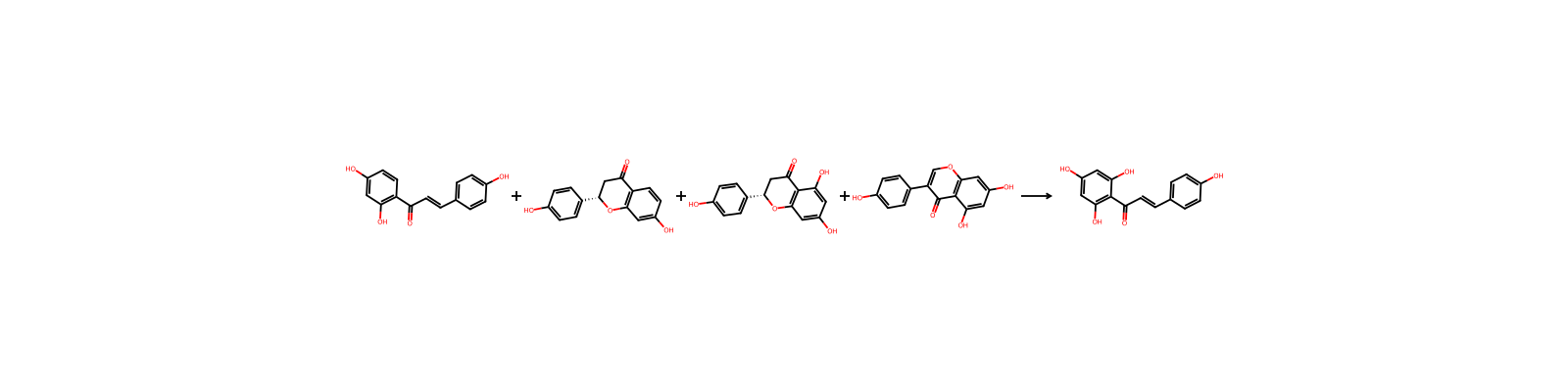
Zugehörige Reaktionen
1
Verknüpfte Notizen
Wird geladen…