StartseiteMCPWorkbenchSkills
StartseiteWorkbenchBenachrichtigungenMein Bereich
llms.txt · MCP-AnleitungDatenschutz · Nutzungsbedingungen · Supportv1.8.0
  1. Startseite
  2. /Verbindung

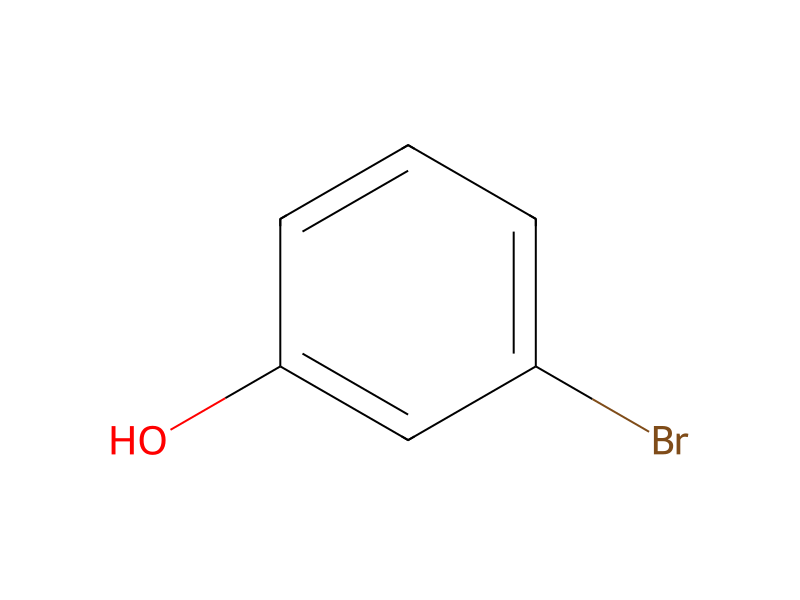
3-Bromphenol

3-Bromophenol

HCID 11563
Neue NotizNeue ReaktionAnfrage stellen
Druckvorschau

Daten werden ergänzt – lade die Seite später neu, um den aktuellen Stand zu sehen
GrundinformationenÜberblickNamen und BezeichnerEigenschaftenSicherheit und RegulatorischesChemie und IndustrieZugehörige ReaktionenNotizen zur Verbindung
TeilstruktursucheÄhnliche Strukturen suchen

Grundinformationen

CAS
591-20-8
Standard-SMILES
Oc1cccc(Br)c1
InChIKey
MNOJRWOWILAHAV-UHFFFAOYSA-N
Summenformel
C6H5BrO
Durchschnittliche Molmasse
173,01 g/mol
Monoisotopische Masse
171,95237688

Überblick

metabolite of bromobenzene

Namen und Bezeichner

Bevorzugter Name
3-Bromophenol
IUPAC
3-bromophenol
Lokaler Name
3-Bromphenol
Englischer Name
3-Bromophenol
Summenformel
C6H5BrO
Molmasse
173.01

Namen und Synonyme

3-BROMOPHENOL591-20-8m-BromophenolPhenol, 3-bromo-meta-bromophenolVMU0X6956YDTXSID9060449RefChem:93254DTXCID4042541209-706-53-Bromo-phenolPhenol, m-bromo-
Weitere Namen anzeigen
3-bromo-pheno3-Brom-phenolm-Bromophenoles3-Bromophenoles3-Bromophenol97%
MFCD000022533-bromo phenolCHEMBL185651UNII-VMU0X6956Ymeta bromophenolPhenol, 3-bromo-; Phenol, m-bromo- (8CI); 3-Bromophenol; m-BromophenolHSDB 7649meta-bromo-phenol

Datenbank-Bezeichner

CAS
591-20-8
PubChem CID
11563
DTXSID
DTXSID9060449
ChEMBL
CHEMBL185651
UNII
VMU0X6956Y
EC Number
209-706-5
Nikkaji
J1.643H

Eigenschaften

Berechnete StruktureigenschaftenWird ergänzt

XLogP
2,6
Polarare Oberfläche (TPSA)
20,2 Ų
H-Brücken-Donoren
1
H-Brücken-Akzeptoren
1
Frei drehbare Bindungen
0
Schwere Atome
8
Formalladung
0
Komplexität
74,9

Experimentelle und physikochemische Eigenschaften

SpringerMaterials PropertiesBoiling point
LogP · 2 Einträge

log Kow = 2.63

2.59

Color/FormCrystals
Solubility · 2 Einträge

Slightly soluble in carbon tetrachloride; soluble in chloroform, alkali; very soluble in ethanol, ether

In water, 2.30X10+4 mg/L at 25 °C

Flash Point110.00 °C (230.00deg F) - closed cup
Boiling Point · 2 Einträge

236.5 °C

MP also reported as 31 °C. BP: 88-89 °C at 3 mm Hg

Melting Point33 °C
Ionization Efficiency · 6 Einträge

Negative

0.63

10.5

Agilent XCT

Electrospray ionization

ammonia (10nM)

Dissociation Constants

Sicherheit und Regulatorisches

Sicherheitsangaben dienen nur zur Orientierung und ersetzen weder das Sicherheitsdatenblatt (SDB) des Lieferanten noch geltende Vorschriften oder eine fachliche Bewertung.

GHS-Klassifizierung

GHS Classification · 4 Einträge

Warning

H302 (16%): Harmful if swallowed [Warning Acute toxicity, oral]

P261, P264, P264+P265, P270, P271, P280, P301+P317, P302+P352, P304+P340, P305+P351+P338, P317, P319, P321, P330, P332+P317, P337+P317, P362+P364, P403+P233, P405, and P501 (click each P-code to see the statement)

Aggregated GHS information provided per 50 reports by companies from 9 notifications to the ECHA C&L Inventory. Each notification may be associated with multiple companies.

Gefahrenhinweise

Regulatory Information · 3 Einträge

Chemical: Phenol, 3-bromo-

Status: Active Update: 22-09-2016 https://echa.europa.eu/registration-dossier/-/registered-dossier/17855

3-Bromophenol: Does not have an individual approval but may be used under an appropriate group standard

Special ReportsWHO; Concise International Chemical Assessment Document No 66, 2,4,6 Tribromophenol and other simple brominated phenols. Available at http://www.inchem.org/documents/cicads/cicads/cicad66.htm as of September 24, 2008.
Hazard Classes and CategoriesAcute Tox. 4 (16%)
Skin, Eye, and Respiratory IrritationsEye irritant

Sicherheit und Schutzausrüstung

Firefighting HazardsHazardous decomposition products formed under fire conditions. - Hydrogen bromide gas
Fire Fighting Procedures · 2 Einträge

Chemie und Industrie

Pharmakologische Informationen

Metabolism/Metabolites · 2 Einträge

p-Bromophenol and o-bromophenol were the major urinary phenolic bromobenzene metabolites although m-bromophenol and 4-bromocatechol were also excreted in detectable quantities. With the exception of o-bromophenol, urinary metabolites were excreted primarily as conjugates.

2-bromophenol (2-(BP)), 3-BP, and 4-BP can all be formed during the metabolism of bromobenzene in both rats and guinea-pigs. 2-BP is formed predominantly by spontaneous isomerization of the 2,3-oxide. 3-BP is formed via the sulfur-series pathway to phenols, which involves the enterohepatic circulation, with the key intermediate being S-(2-hydroxy-4-bromocyclohexa-3,5-dienyl)-L-cysteine, derived from the 4-S-glutathione conjugate of the 3,4-oxide. 4-BP is formed by the sulfur-series route from the S-(2-hydroxy-5-bromocyclohexa-3,5-dienyl)-L-cysteine. Additional suggested in vivo routes to 3- and 4-BP involve dehydration/aromatization of the 3,4-dihydro-3,4-diol, possibly by way of conjugates.

Verwendung und Herstellung

Methods of ManufacturingOrganic bromine compounds can be produced by a number of different chemical reactions; however, addition and substitution reactions are the methods most commonly employed in industrial processes. /Organic bromine compounds/
General Manufacturing InformationPhenol, 3-bromo-: ACTIVE
Anwendungen · 1 Eintrag

Verwenden3-Bromophenol acts as an enzyme inhibitor. It is used in the preparation of 3-bromophenyl ester by reaction with benzoyl chloride in presence of triethylamine as a catalyst. It plays an important role as an intermediate in the manufacture of pharmaceuticals, agrochemicals and dyestuff and in organic synthesis.

Darstellung · 1 Eintrag

Zugehörige Reaktionen

554
Reaktionsaufzeichnung erstellen
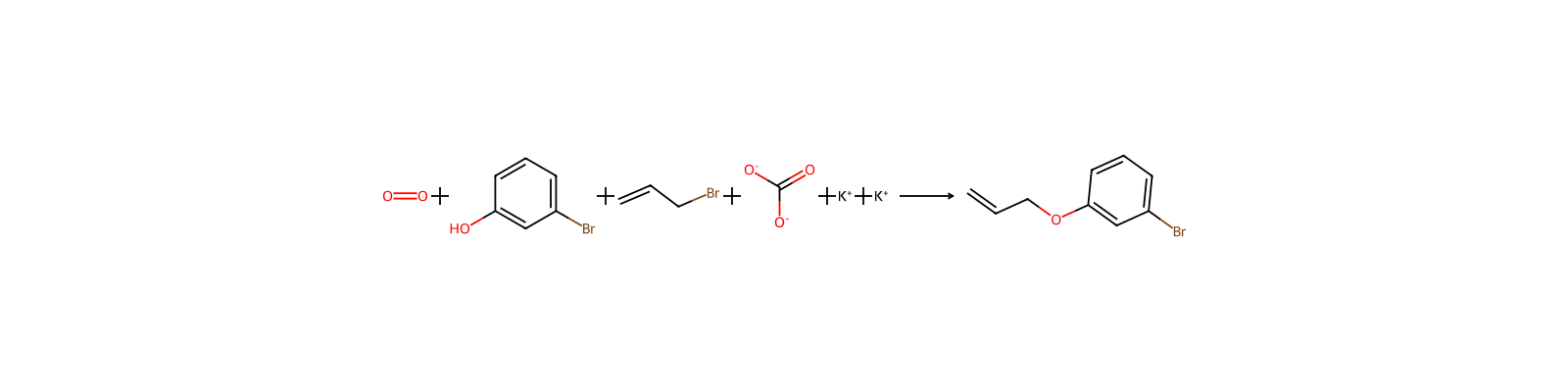
Reaktionsgleichung von HRID 19255
HRID 19255als Eduktuspto-grants-2010_06
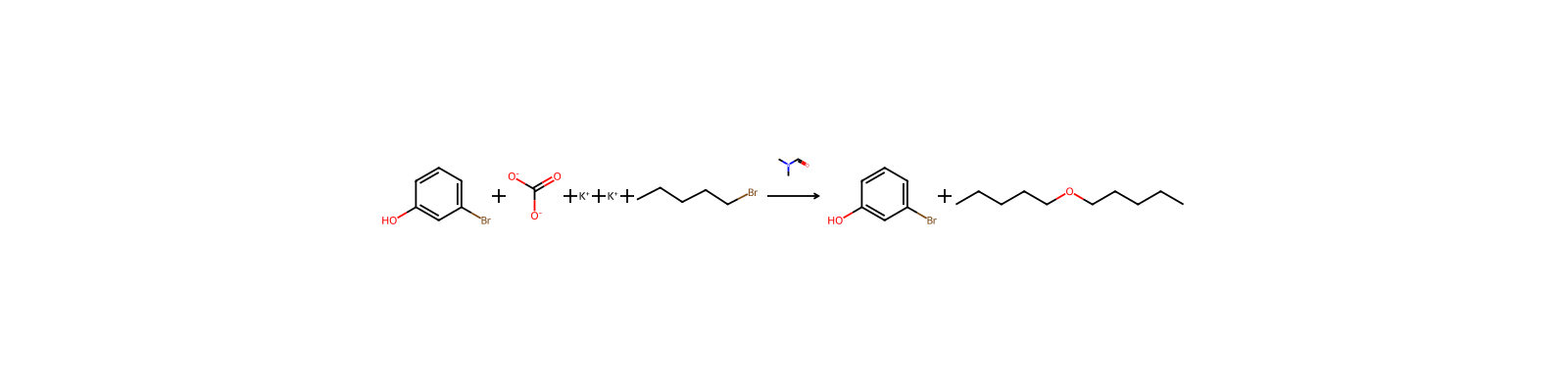
Reaktionsgleichung von HRID 22101
HRID 22101als Eduktuspto-grants-1995_06
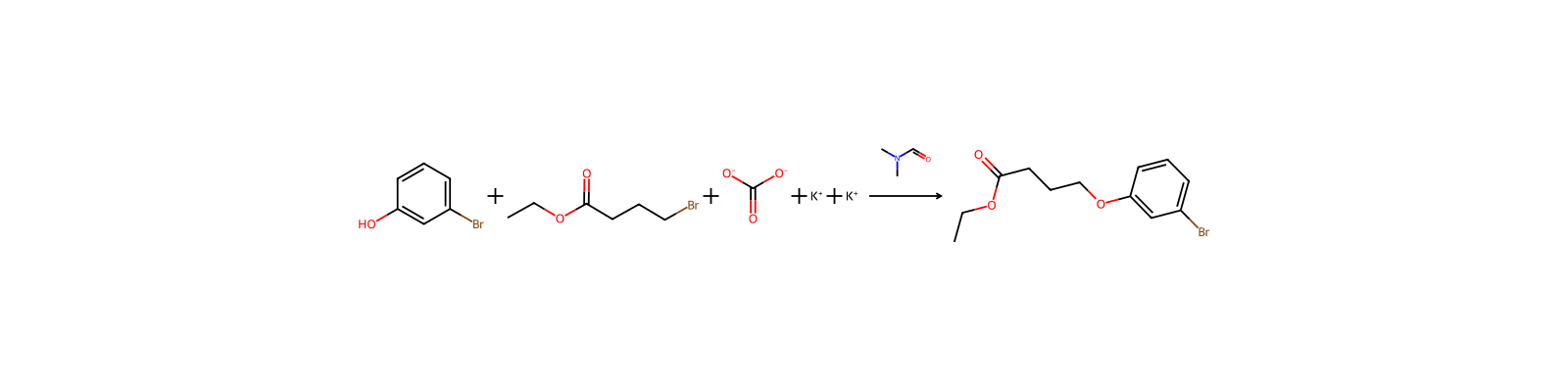
Reaktionsgleichung von HRID 22133
HRID 22133als Eduktuspto-grants-1995_06
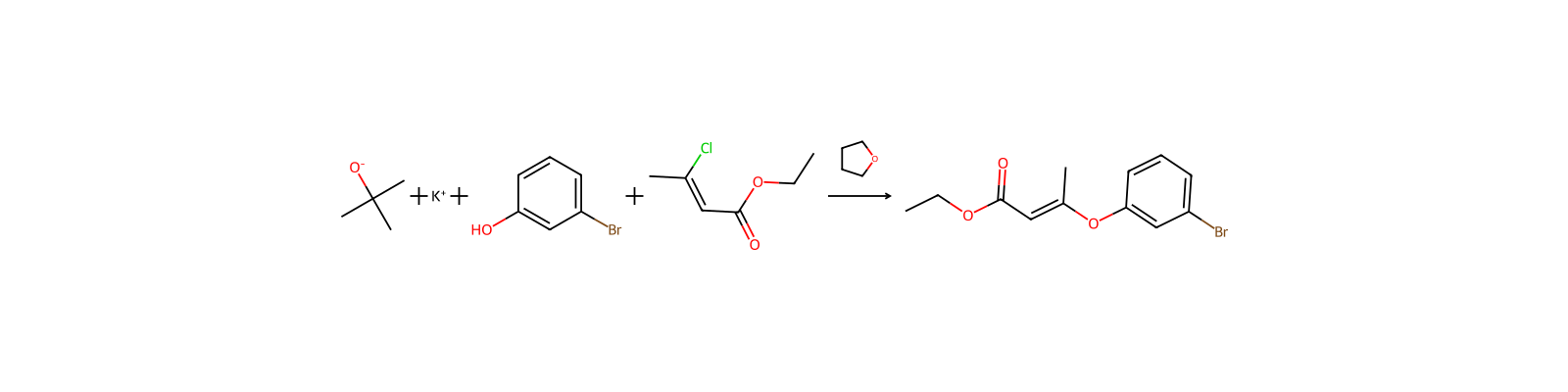
Reaktionsgleichung von HRID 22269
HRID 22269als Eduktuspto-grants-1995_06
Reaktionsgleichung von HRID 22993
HRID 22993als Eduktuspto-grants-2005_02
Reaktionsgleichung von HRID 36148
HRID 36148als Produktals Eduktuspto-grants-1995_05
Reaktionsgleichung von HRID 36149
HRID 36149als Eduktuspto-grants-1995_05
Reaktionsgleichung von HRID 36153
HRID 36153als Eduktuspto-grants-1995_05
Seite 1 von 70

Notizen zur Verbindung

Wird geladen…

Auf dieser SeiteGrundinformationenÜberblickNamen und BezeichnerEigenschaftenSicherheit und RegulatorischesChemie und IndustrieZugehörige ReaktionenNotizen zur Verbindung
Weitere Aktionen
Neue NotizNeue ReaktionAnfrage stellen
pKa = 9.03

Physikochemische Eigenschaften

Schmelzpunkt
30 °C · 30 °C
Siedepunkt
236 °C · 236 °C(lit.)
Dichte
1 · 1,63 g/cm3
Brechungsindex
1.595 · 1.595-1.599
Flammpunkt
230 °F · >230 °F
storage temp.
30 °C · Store below +30°C.
Löslichkeit
alcohol: soluble
Aggregatzustand
Liquid
pka
9.03 · 9.03(at 25℃)
Farbe
Clear colorless, yellow or brownish
Wichte
1.61 · 1.610 (20/4℃)
Wasserlöslichkeit
insoluble
Merck
14 · 14,1428
BRN
1853950 · 1853950
Henry's Law Constant
4.5 · 4.5×101 mol/(m3Pa) at 25℃, HSDB (2015)
InChI
1S/C6H5BrO/c7-5-2-1-3-6(8)4-5/h1-4,8H
InChIKey
MNOJRWOWILAHAV-UHFFFAOYSA-N
SMILES
Oc1cccc(Br)c1
CAS Datenbank
591 · 591-20-8(CAS DataBase Reference)
NIST chemische Informationen
3 · Phenol, 3-bromo-(591-20-8)
EPA chemische Informationen
3 · Phenol, 3-bromo- (591-20-8)

Wear self contained breathing apparatus for fire fighting if necessary.

Use water spray, alcohol-resistant foam, dry chemical or carbon dioxide

Storage ConditionsLight sensitive. Store under inert gas. Air sensitive. Keep container tightly closed in a dry and well-ventilated place.
Cleanup MethodsPick up and arrange /for/ disposal without creating dust. Keep in suitable, closed containers for disposal.
Disposal Methods · 2 Einträge

SRP: The most favorable course of action is to use an alternative chemical product with less inherent propensity for occupational exposure or environmental contamination. Recycle any unused portion of the material for its approved use or return it to the manufacturer or supplier. Ultimate disposal of the chemical must consider: the material's impact on air quality; potential migration in soil or water; effects on animal, aquatic, and plant life; and conformance with environmental and public health regulations.

Observe all federal, state, and local environmental regulations. Contact a licensed professional waste disposal service to dispose of this material.

Preventive Measures · 5 Einträge

SRP: The scientific literature for the use of contact lenses in industry is conflicting. The benefit or detrimental effects of wearing contact lenses depend not only upon the substance, but also on factors including the form of the substance, characteristics and duration of the exposure, the uses of other eye protection equipment, and the hygiene of the lenses. However, there may be individual substances whose irritating or corrosive properties are such that the wearing of contact lenses would be harmful to the eye. In those specific cases, contact lenses should not be worn. In any event, the usual eye protection equipment should be worn even when contact lenses are in place.

SRP: Local exhaust ventilation should be applied wherever there is an incidence of point source emissions or dispersion of regulated contaminants in the work area. Ventilation control of the contaminant as close to its point of generation is both the most economical and safest method to minimize personnel exposure to airborne contaminants.

In accidental release, use personal protective equipment. Avoid dust formation. Avoid breathing dust. Ensure adequate ventilation.

Do not let product enter drains.

For more Preventive Measures (Complete) data for 3-BROMOPHENOL (7 total), please visit the HSDB record page.

Personal Protective Equipment (PPE) · 5 Einträge

Provide appropriate exhaust ventilation at places where dust is formed. Normal measures for preventive fire protection.

Handle with gloves.

Eye protection Safety glasses Skin and body protection Choose body protection according to the amount and concentration of the dangerous substance at the work place.

Where risk assessment shows air-purifying respirators are appropriate use a dust mask type N95 (US) or type P1 (EN 143) respirator. Use respirators and components tested and approved under appropriate government standards such as NIOSH (US) or CEN (EU).

ENGINEERING CONTROLS: Use only in a chemical fume hood. Safety shower and eye bath.

Toxikologische Informationen

Environmental Fate · 3 Einträge

TERRESTRIAL FATE: Based on a classification scheme(1), an estimated Koc value of 640(SRC), determined from a log Kow of 2.63(2) and a regression-derived equation(3), indicates that 3-bromophenol is expected to have low mobility in soil(SRC). The pKa of 3-bromophenol is 9.03(4), indicating that this compound will partially exist in the anion form in the environment and anions generally do not adsorb more strongly to soils containing organic carbon and clay than their neutral counterparts(5). Volatilization of 3-bromophenol from moist soil surfaces is not expected to be an important fate process(SRC) given an estimated Henry's Law constant of 2.2X10⁻⁷ atm-cu m/mole(SRC), using a fragment constant estimation method(6). 3-Bromophenol is not expected to volatilize from dry soil surfaces(SRC) based upon an estimated vapor pressure of 2.0X10⁻² mm Hg(SRC), determined from a fragment constant method(7). A theoretical BOD of 0% using activated sludge in the Japanese MITI test(8) suggests that biodegradation is not an important environmental fate process in soil(SRC).

AQUATIC FATE: Based on a classification scheme(1), an estimated Koc value of 640(SRC), determined from a log Kow of 2.63(2) and a regression-derived equation(3), indicates that 3-bromophenol is expected to adsorb to suspended solids and sediment(SRC). Volatilization from water surfaces is not expected(3) based upon an estimated Henry's Law constant of 2.2X10⁻⁷ atm-cu m/mole(SRC), developed using a fragment constant estimation method(4). According to a classification scheme(5), an experimental BCF of 4.1 to 10(6) suggests the potential for bioconcentration in aquatic organisms is low(SRC). A theoretical BOD of 0% using activated sludge in the Japanese MITI test(6) suggests that biodegradation is not an important environmental fate process in water(SRC).

ATMOSPHERIC FATE: According to a model of gas/particle partitioning of semivolatile organic compounds in the atmosphere(1), 3-bromophenol, which has an estimated vapor pressure of 2.0X10⁻² mm Hg at 25 °C(SRC), determined from a fragment constant method(2), is expected to exist solely as a vapor in the ambient atmosphere. Vapor-phase 3-bromophenol is degraded in the atmosphere by reaction with photochemically-produced hydroxyl radicals(SRC); the half-life for this reaction in air is estimated to be 0.76 days(SRC), calculated from its rate constant of 2.1X10⁻¹¹ cu cm/molecule-sec at 25 °C(SRC) that was derived using a structure estimation method(3). The pseudo-first order rate constant for direct photolysis of 3-bromophenol in aqueous solution was reported as 0.104 1/min, corresponding to a calculated half life of 6.7 min(4). This suggests that 3-bromophenol is susceptible to direct photolysis(SRC).

Effluent Concentrations · 1 Eintrag

The raw flue gas from a Swedish hazardous waste incinerator, located at Norrtorp, and fed chlorinated (mainly solvents) and brominated waste (tetrabutylammonium bromide) contained 3-/4-bromophenol at 24, 230, and 31 ng/cu m over three tests, respectively; bromides were present initially at 32, 1100, and 530 mg/cu m, respectively(1).

Soil Adsorption/Mobility · 1 Eintrag

The Koc of 3-bromophenol is estimated as 640(SRC), using a log Kow of 2.63(1) and a regression-derived equation(2). According to a classification scheme(3), this estimated Koc value suggests that 3-bromophenol is expected to have low mobility in soil. The pKa of 3-bromophenol is 9.03(4), indicating that this compound will exist partially in the anion form in the environment and anions generally do not adsorb more strongly to soils containing organic carbon and clay than their neutral counterparts(4).

Natural Pollution SourcesStudies indicate that there is a wide occurrence of bromophenols, including 3-bromophenol, in marine algae which provides a possible source of such compounds in fish that feed predominantly on ocean plants(1).
Human Toxicity Excerpts/SIGNS AND SYMPTOMS/ May be harmful if inhaled. Causes respiratory tract irritation. May be harmful if absorbed through skin. Causes skin irritation.
Artificial Pollution Sources3-Bromophenol's production(1) may result in its release to the environment through various waste streams(SRC).
Environmental Biodegradation · 2 Einträge

AEROBIC: 3-Bromophenol, present at 100 mg/L, reached 0% of its theoretical BOD in 2 weeks using an activated sludge inoculum at 30 mg/L in the Japanese MITI test(1). A 25% ring degradation was reported for 3-bromophenol, present at 100 mg/L, over a 4-day incubation period measured with UV absorption in sludge from aerated soil where glucose and peptone were added in mineral salts(2). A first order rate constant of 1.95X10⁻⁴ 1/hour, corresponding to a half life of 147 days, was determined for 3-bromophenol in unacclimated activated sludge(3). A first order rate constant of 1.48X10⁻³ was calculated for 3-bromophenol, present at 50 ppm, in cresol acclimated sludge at a pH of 7.2 in a 5-day period. This corresponds to a half life of 19.5 days(4). 3-Bromophenol, present at 50 ppm, reached 100% UV disappearance in >72 days using a Dunkirk soil inoculum with a microbial population of 4 g soil/1 L mineral salts media(5).

ANAEROBIC: 3-Bromophenol, present at 100 uM, degraded in various sediments under anaerobic conditions, as reported in several studies. Under methanogenic and sulfidogenic conditions, degradation was observed within 20-150 days. Activity was maintained by refeeding, and substrate oxidation was coupled to reduction of respective electron acceptors. Under iron-reducing and denitrifying conditions, there was no loss of substrate above sterile controls(1).

Environmental Bioconcentration · 1 Eintrag

An experimental BCF of 4.1 to 10 was calculated in fish for 3-bromophenol using carp (Cyprinus carpio) which were exposed over a 6-week period(1). According to a classification scheme(2), this BCF suggests the potential for bioconcentration in aquatic organisms is low(SRC).

Volatilization from Water/Soil · 1 Eintrag

The Henry's Law constant for 3-bromophenol is estimated as 2.2X10⁻⁷ atm-cu m/mole(SRC) using a fragment constant estimation method(1). This Henry's Law constant indicates that 3-bromophenol is expected to be essentially nonvolatile from water surfaces(2). 3-Bromophenol is not expected to volatilize from dry soil surfaces(SRC) based upon an estimated vapor pressure of 2.0X10⁻² mm Hg(SRC), determined from a fragment constant method(3).

Non-Human Toxicity Excerpts · 4 Einträge

/ALTERNATIVE and IN VITRO TESTS/ 4-Bromocatechol and the /o-, m- and p-/ bromophenol isomers were nephrotoxicants (measured as increased blood urea nitrogen and decreased accumulation of organic anions by renal cortical slices) but not hepatotoxicants (measured as serum glutamic pyruvate transaminase) in vivo at 0.56 mmol/kg (iv). Preincubation of renal cortical slices with each of these bromobenzene metabolites for 90 min resulted in dose-dependent decreases in the accumulation of p-aminohippurate and tetraethylammonium. At 10 umol/preincubation (2.4 mM), organic ion accumulation was decreased maximally by all bromobenzene metabolites examined while equimolar amounts of bromobenzene were without effect. 4-Bromocatechol was the most potent nephrotoxicant in vitro. Administration of 0.53-2.12 mmol/kg (iv) 4-bromocatechol to mice resulted in a dose-dependent decrease in renal function while hepatic function was altered only slightly at the higher doses. The renal cortical necrosis produced by in vivo administration of 4-bromocatechol could not be distinguished histologically from that induced by bromobenzene. These results demonstrate that 4-bromocatechol and the 3 bromophenol isomers are nephrotoxicants that can be generated from bromobenzene in mice.

/ALTERNATIVE and IN VITRO TESTS/ An in vitro model using a suspension of rabbit renal proximal tubules was developed to investigate the mechanism of nephrotoxicity of bromobenzene. Using oxygen consumption, glutathione concentrations and retention of lactate dehydrogenase activity as markers of toxicity, the rank order of potency was bromobenzene (5 mM) less than 2-bromophenol (2 mM) less than 3-, 4-bromophenol (1 mM) less than 2-bromohydroquinone (0.1 mM). These data support in vivo results and are consistent with the hypothesis that 2-bromohydroquinone or a metabolite thereof is responsible for bromobenzene-induced nephrotoxicity...

/ALTERNATIVE and IN VITRO TESTS/ An in vitro model using a suspension of rabbit renal proximal tubules was developed to investigate the mechanism of nephrotoxicity of bromobenzene. Using oxygen consumption, glutathione concentrations and retention of lactate dehydrogenase activity as markers of toxicity, the rank order of potency was bromobenzene (5 mM) less than 2-bromophenol (2 mM) less than 3-, 4-bromophenol (1 mM) less than 2-bromohydroquinone (0.1 mM). These data support in vivo results and are consistent with the hypothesis that 2-bromohydroquinone or a metabolite thereof is responsible for bromobenzene-induced nephrotoxicity...

/ALTERNATIVE and IN VITRO TESTS/ 4-Bromocatechol and the /o-, m- and p-/ bromophenol isomers were nephrotoxicants (measured as increased blood urea nitrogen and decreased accumulation of organic anions by renal cortical slices) but not hepatotoxicants (measured as serum glutamic pyruvate transaminase) in vivo at 0.56 mmol/kg (iv). Preincubation of renal cortical slices with each of these bromobenzene metabolites for 90 min resulted in dose-dependent decreases in the accumulation of p-aminohippurate and tetraethylammonium. At 10 umol/preincubation (2.4 mM), organic ion accumulation was decreased maximally by all bromobenzene metabolites examined while equimolar amounts of bromobenzene were without effect. 4-Bromocatechol was the most potent nephrotoxicant in vitro. Administration of 0.53-2.12 mmol/kg (iv) 4-bromocatechol to mice resulted in a dose-dependent decrease in renal function while hepatic function was altered only slightly at the higher doses. The renal cortical necrosis produced by in vivo administration of 4-bromocatechol could not be distinguished histologically from that induced by bromobenzene. These results demonstrate that 4-bromocatechol and the 3 bromophenol isomers are nephrotoxicants that can be generated from bromobenzene in mice.

Environmental Abiotic Degradation · 1 Eintrag

The rate constant for the vapor-phase reaction of 3-bromophenol with photochemically-produced hydroxyl radicals has been estimated as 2.1X10⁻¹¹ cu cm/molecule-sec at 25 °C(SRC) using a structure estimation method(1). This corresponds to an atmospheric half-life of about 0.76 days at an atmospheric concentration of 5X10+5 hydroxyl radicals per cu cm(1). The pseudo-first order rate constant for direct photolysis of 3-bromophenol in aqueous solution was reported as 0.104 1/min. This corresponds to a calculated half life of 6.7 min(2). Continuous exposure to light in a water medium resulted in the formation of the degradation products resorcinol and 3,3'-dihydroxybiphenol(3). 3-Bromophenol is not expected to undergo hydrolysis in the environment due to the lack of functional groups that hydrolyze under environmental conditions(4).

Probable Routes of Human Exposure · 1 Eintrag

NIOSH (NOES Survey 1981-1983) has statistically estimated that 452 workers (355 of these were female) were potentially exposed to 3-bromophenol in the US(1). Occupational exposure to 3-bromophenol may occur through inhalation and dermal contact with this compound at workplaces where 3-bromophenol is produced or used. Limited monitoring data indicate that the general population may be exposed to 3-bromophenol via inhalation due to the release of this substance from waste incineration(SRC).

Sicherheitsdaten

F
8-10-23
wgk
3
tsca
TSCA listed
ridadr
2811
hs_code
29081000
risk_code
36/37/38-22-20/21/22
hazard_code
Xi,Xn
hazard_note
Harmful/Irritant
safety_code
26-36/39-36/37/39-36
hazard_class
6.1(b)
packing_group
III
Speicherklasse
11 - Combustible Solids
Giftige Stoffe Daten
591-20-8(Hazardous Substances Data)
Hazard Classifications
Eye Irrit. 2Skin Irrit. 2STOT SE 3

synthetische3-bromophenol is synthesized by diazotization and bromination of 3-aminophenol. Dissolve 3-aminophenol in sulfuric acid, cool to below 10°C, and add aqueous sodium nitrite dropwise. After the diazotization reaction, the filtrate is filtered and hydrolyzed with cuprous bromide. Then distillation, collect the evaporated liquid with table salt and filter, the filtrate is extracted with ether, the extract is dried, distilled to recover the ether, and then distilled 3-bromophenol.

Vor- und nachgelagerte Produkte

Vorgelagerte Rohstoffe

NatriumchloridKupferbromid3-Aminophenol

Nachgelagerte Produkte

3-Isopropoxyphenylboronic acid4-Bromo-2-hydroxyacetophenone3-Bromoanisole6-Bromo-1-benzofuran-2-carboxylic acid4-Isobutoxyphenylboronic acid4-Bromo-2-hydroxybenzaldehyde3-Morpholinophenol2,4-Dinitroresorcin3-Benzyloxybenzeneboronic acid4-Bromo-2-hydroxybenzonitrilem-Hydroxybenzonitril4-Bromo-2-hydroxybenzoic acidm,m'-Sulfonylbisphenol3-(Diphenylamino)phenol7-Benzofurancarboxaldehyde (9CI)3-(Trifluoromethoxy)bromobenzene