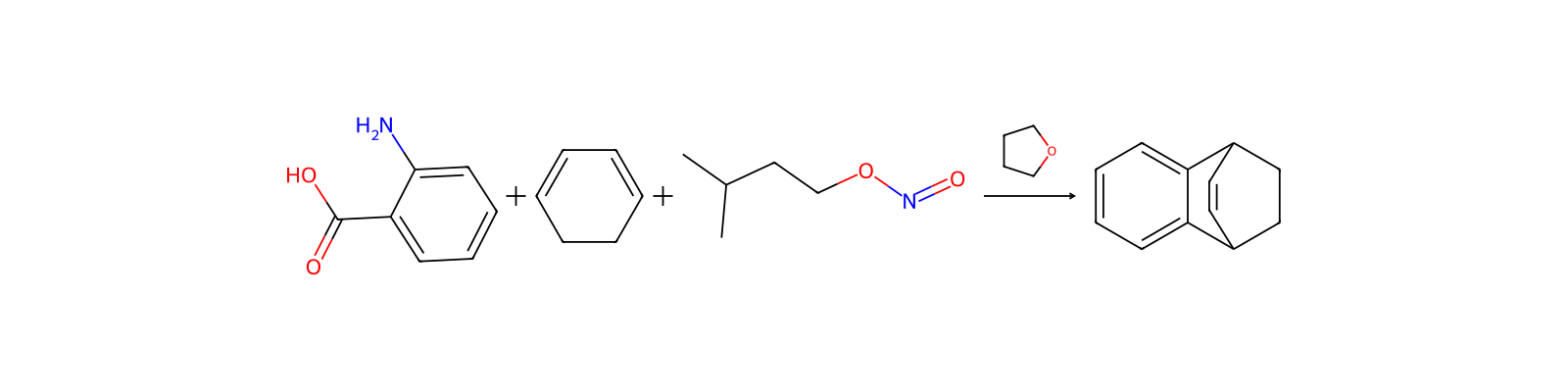
Cyclohexadien
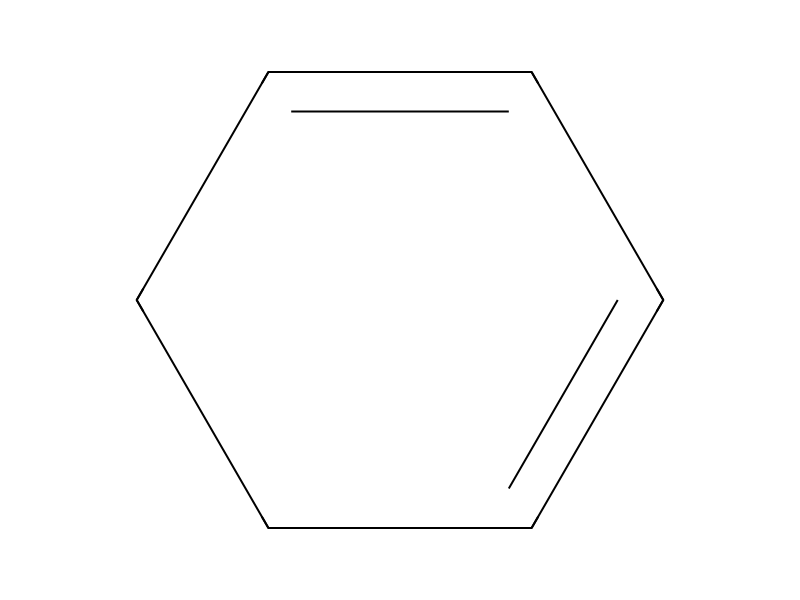
1,3-Cyclohexadiene
Daten werden ergänzt – lade die Seite später neu, um den aktuellen Stand zu sehen
Grundinformationen
- CAS
29797-09-9- Standard-SMILES
C1=CCCC=C1- InChIKey
MGNZXYYWBUKAII-UHFFFAOYSA-N- Summenformel
- C6H8
- Durchschnittliche Molmasse
- 80,13 g/mol
- Monoisotopische Masse
- 80,06260026
Überblick
Cyclohexa-1,3-diene is a cyclohexadiene.
Namen und Bezeichner
- Bevorzugter Name
- 1,3-Cyclohexadiene
- IUPAC
- cyclohexa-1,3-diene
- Lokaler Name
- Cyclohexadien
- Englischer Name
- cyclohexadiene
- Summenformel
- C6H8
- Molmasse
- 80.13
Namen und Synonyme
1,3-CYCLOHEXADIENECyclohexa-1,3-diene592-57-4JV5W0EG5BPCHEBI:37610DTXSID30862259RefChem:72543DTXCID00811052209-764-1CYCLOHEXADIENE1,2-dihydrobenzeneCyclohexadiene-1,3
Weitere Namen anzeigen
MFCD0000153229797-09-9Dihydro-benzene; Cyclohexa-1,3-diene1165952-91-91,3-cyclohexanedieneEINECS 209-764-1UNII-JV5W0EG5BPcyclohexa-1
Datenbank-Bezeichner
- CAS
29797-09-9、592-57-4- PubChem CID
- 11605
- DTXSID
DTXSID30862259- ChEBI
CHEBI:37610- UNII
- JV5W0EG5BP
- EC Number
- 209-764-1、249-853-2
- Nikkaji
- J1.855.158F、J1.855.159D、J94.915I
Eigenschaften
Berechnete StruktureigenschaftenWird ergänzt
- XLogP
- 2,5
- Polarare Oberfläche (TPSA)
- 0 Ų
- H-Brücken-Donoren
- 0
- H-Brücken-Akzeptoren
- 0
- Frei drehbare Bindungen
- 0
- Schwere Atome
- 6
- Formalladung
- 0
- Komplexität
- 66
Experimentelle und physikochemische Eigenschaften
Chemical ClassesOther Classes -> Aliphatics, Unsaturated
LogP2.47
DensityRelative density (water = 1): 0.84
SolubilitySolubility in water: none
Flash Point26 °C c.c.
Boiling Point81 °C
Melting Point-89 °C
Vapor DensityRelative vapor density (air = 1): 2.8 (calculated)
Vapor Pressure97.3 [mmHg]
Physical Description
Colorless liquid; [ICSC] Unpleasant odor; [Alfa Aesar MSDS]
COLOURLESS LIQUID.
Physikochemische Eigenschaften
Sicherheit und Regulatorisches
Sicherheitsangaben dienen nur zur Orientierung und ersetzen weder das Sicherheitsdatenblatt (SDB) des Lieferanten noch geltende Vorschriften oder eine fachliche Bewertung.
GHS-Klassifizierung
GHS Classification
Danger
H225 (100%): Highly Flammable liquid and vapor [Danger Flammable liquids]
P210, P233, P240, P241, P242, P243, P261, P271, P280, P303+P361+P353, P304+P340, P319, P370+P378, P403+P233, P403+P235, P405, and P501 (click each P-code to see the statement)
Aggregated GHS information provided per 48 reports by companies from 5 notifications to the ECHA C&L Inventory. Each notification may be associated with multiple companies.
Gefahrenhinweise
Regulatory Information
Chemical: 1,3-Cyclohexadiene
1,3-Cyclohexadiene: Does not have an individual approval but may be used under an appropriate group standard
Fire HazardsFlammable. Above 26 °C explosive vapour/air mixtures may be formed.
Hazards SummaryMay form explosive peroxides on air exposure; A skin, eye, and respiratory tract irritant; [ICSC] Stabilized with BHT (CAS# 128-37-0); An irritant; [Alfa Aesar MSDS] See 1,4-Hexadiene.
UN ClassificationUN Hazard Class: 3; UN Pack Group: III
Chemical DangersThe substance can form explosive peroxides on exposure to air. Reacts with strong oxidants. This generates fire and explosion hazard.
Physical DangersThe vapour is heavier than air.
Packaging and LabellingAirtight.
Hazard Classes and Categories
Chemie und Industrie
Verwendung und Herstellung
General Manufacturing Information1,3-Cyclohexadiene: ACTIVE
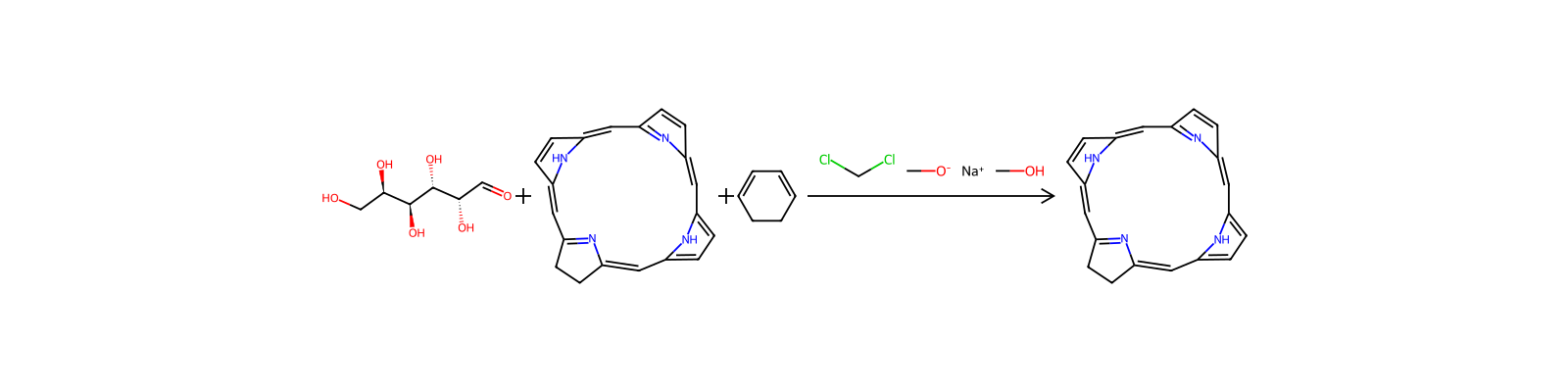
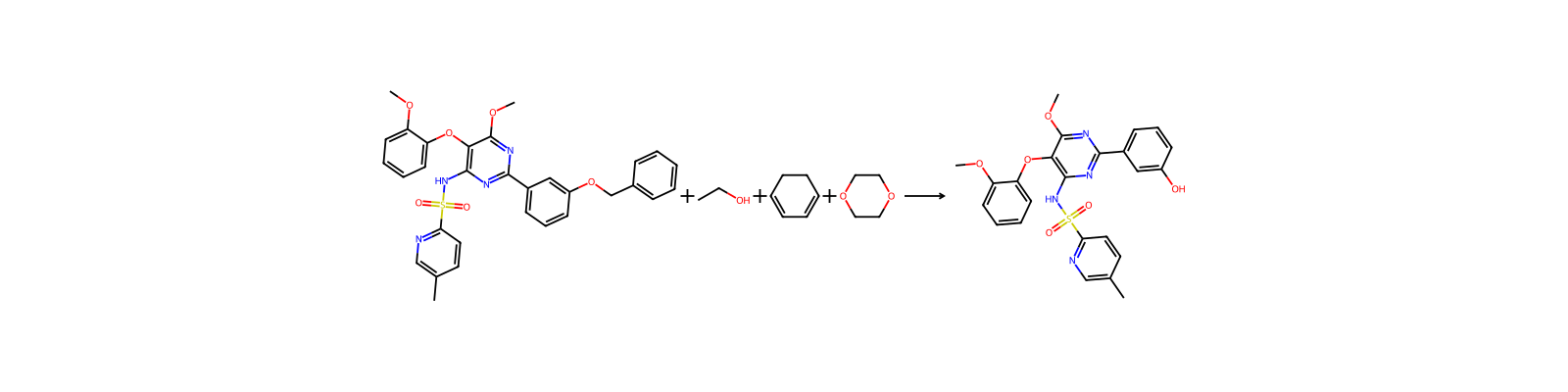
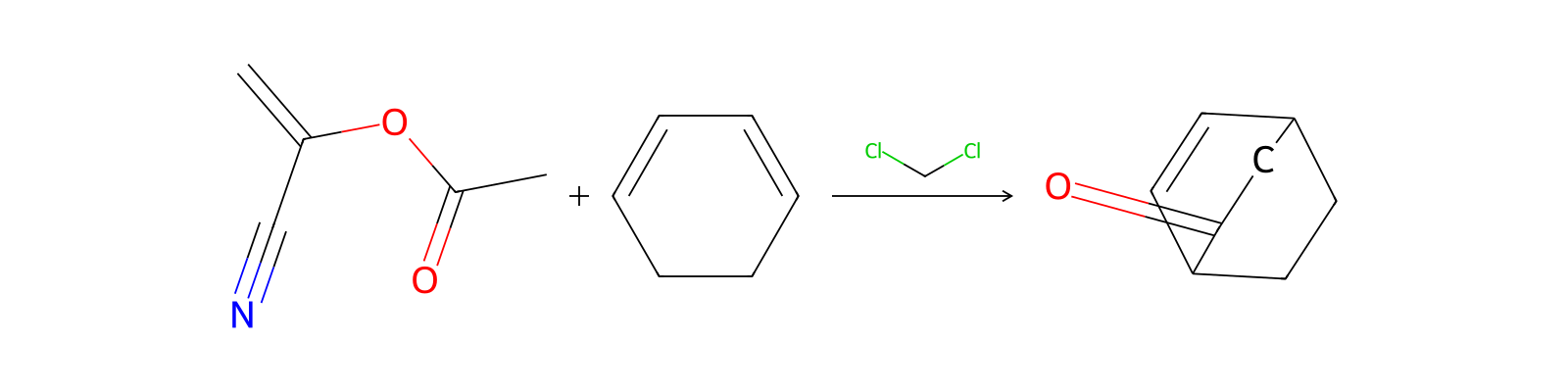
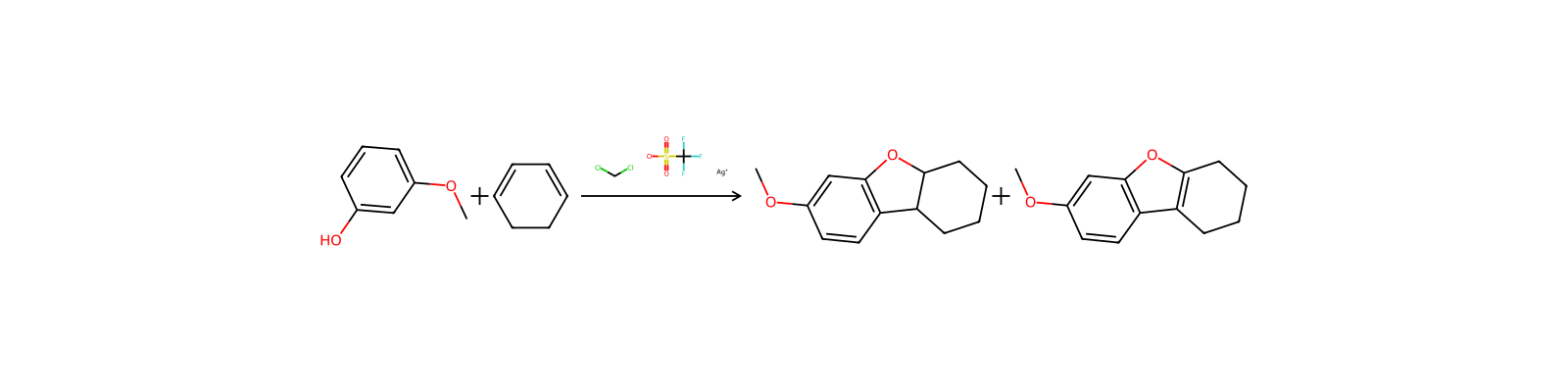
Zugehörige Reaktionen
144



Notizen zur Verbindung
Wird geladen…