

Grundinformationen
- Standard-SMILES
Oc1ccc2ccccc2c1-c1c(O)ccc2ccccc12- InChIKey
PPTXVXKCQZKFBN-UHFFFAOYSA-N- Summenformel
- C20H14O2
- Durchschnittliche Molmasse
- 286,3 g/mol
- Monoisotopische Masse
- 286,09937969
Überblick
(S)-(-)-1,1'-Bi-2-naphthol is a member of naphthols.
Namen und Bezeichner
- Bevorzugter Name
- Binol
- IUPAC
- 1-(2-hydroxynaphthalen-1-yl)naphthalen-2-ol
- Englischer Name
- (R)-(+)-1,1'-Bi-2-naphthol
- Summenformel
- C20H14O2
- Molmasse
- 286.32
Namen und Synonyme
1,1'-Bi-2-naphthol602-09-5[1,1'-Binaphthalene]-2,2'-diolbinolbeta-Binaphthol1,1'-Binaphthyl-2,2'-diolBis-beta-naphtholalpha-Binaphthyl-2,2'-diol(1,1'-BINAPHTHALENE)-2,2'-DIOLNSC-2704925AB254328DTXSID9060526
Weitere Namen anzeigen
(R)-BINOL(R)-1,1'-BI-2-NAPHTHOL(R,S)-BINOL(R)-(+)-BINOL(S)-[1,1'-BINAPHTHALENE]-2,2'-DIOL(+)-BINOLR-1,1'AKOS 90560
RefChem:568357DTXCID7042770210-014-018531-94-718531-99-2(S)-(-)-1,1'-Bi-2-naphthol(R)-(+)-1,1'-Bi-2-naphthol(R)-[1,1'-Binaphthalene]-2,2'-diol
Datenbank-Bezeichner
- CAS
18531-94-7、18531-99-2、602-09-5- PubChem CID
- 11762
- DTXSID
DTXSID9060526- ChEMBL
CHEMBL138718- ChEBI
CHEBI:189881- UNII
- 25AB254328、54OT5RRV4C、M6IDZ128WT
- EC Number
- 210-014-0、606-048-4、606-050-5
- Nikkaji
- J1.031.260D、J1.031.261B、J1.055.781J、J1.055.782H、J134.638E、J166.096I、J54.937A
Eigenschaften
Berechnete Struktureigenschaften
- XLogP
- 5,3
- Polarare Oberfläche (TPSA)
- 40,5 Ų
- H-Brücken-Donoren
- 2
- H-Brücken-Akzeptoren
- 2
- Frei drehbare Bindungen
- 1
- Schwere Atome
- 22
- Formalladung
- 0
- Komplexität
- 346
Physikochemische Eigenschaften
- Schmelzpunkt
- 215 · 215-218 °C
- Siedepunkt
- 388.69 °C · 388.69°C (rough estimate)
- Dichte
- 1.301 · 1.301
- Brechungsindex
- 36 ° · 36.0 ° (C=1, THF)
- storage temp.
- 30 °C · Store below +30°C.
- Löslichkeit
- 50 mg/mL, · dioxane: 50 mg/mL, clear
- pka
- 8.29 · 8.29±0.50(Predicted)
- Aggregatzustand
- Powder
- Farbe
- white to off-white
- Wasserlöslichkeit
- 50 mg/mL · Insoluble in water. Solubility in THF within almost transparency). Soluble in dioxane 50 mg/mL.
- Merck
- 14 · 14,1226
- BRN
- 3616837 · 3616837
- InChI
- 1S/C20H14O2/c21-17-11-9-13-5-1-3-7-15(13)19(17)20-16-8-4-2-6-14(16)10-12-18(20)22/h1-12,21-22H
- InChIKey
- PPTXVXKCQZKFBN-UHFFFAOYSA-N
- SMILES
- Oc1ccc2ccccc2c1-c3c(O)ccc4ccccc34
- CAS Datenbank
- 18531 · 18531-94-7(CAS DataBase Reference)
Sicherheit und Regulatorisches
GHS-Klassifizierung
GHS Classification
Danger
H301 (96.2%): Toxic if swallowed [Danger Acute toxicity, oral]
P261, P264, P264+P265, P270, P271, P280, P301+P316, P302+P352, P304+P340, P305+P351+P338, P319, P321, P330, P332+P317, P337+P317, P362+P364, P403+P233, P405, and P501 (click each P-code to see the statement)
Aggregated GHS information provided per 53 reports by companies from 8 notifications to the ECHA C&L Inventory. Each notification may be associated with multiple companies.
Danger
H301 (90%): Toxic if swallowed [Danger Acute toxicity, oral]
Gefahrenhinweise
Regulatory Information
Status: Active Update: 13-03-2013 https://echa.europa.eu/registration-dossier/-/registered-dossier/7895
Status: Active Update: 23-05-2018 https://echa.europa.eu/registration-dossier/-/registered-dossier/25133
Status: Active Update: 11-11-2019 https://echa.europa.eu/registration-dossier/-/registered-dossier/30088
1,1'-Binaphthyl-2,2'-diol: Does not have an individual approval but may be used under an appropriate group standard
Hazard Classes and Categories
Acute Tox. 3 (90%)
Acute Tox. 3 (92%)
Acute Tox. 3 (96.2%)
Sicherheitsdaten
- F
- 10
- wgk
- 3
- tsca
- No
- ridadr
- UN 2811 6.1/PG 3
- hs_code
- 29071590
- RTECS-Nr.
- DU3106100
- risk_code
- 25-36-36/37/38
- Toxizität
- LD50 orally in Rabbit: 113 mg/kg
- hazard_code
- T,Xi
- safety_code
- 26-45-24/25-36
- hazard_class
- 6.1
- packing_group
- III
- Speicherklasse
- 11 - Combustible Solids
- Hazard Classifications
- Eye Irrit. 2Skin Irrit. 2
Chemie und Industrie
Verwendung und Herstellung
General Manufacturing Information[1,1'-Binaphthalene]-2,2'-diol: ACTIVE
Anwendungen
VerwendenChiral binapthol imminium salt precursor. Salts were used for an asymmetric epoxidation of olefins.
Vor- und nachgelagerte Produkte
Vorgelagerte Rohstoffe
Nachgelagerte Produkte
Anbieter50 Anbieter
国药集团化学试剂有限公司86-21-63210123 · [email protected]
北京华美互利生物化工010-56205725 · [email protected]
梯希爱(上海)化成工业发展有限公司021-67121386 · [email protected]
衢州润东化工有限公司0570-8789886 18892685668 · [email protected]
上海阿拉丁生化科技股份有限公司400-6206333 13167063860 · [email protected]
INTATRADE GmbH+49 3493/605464 · [email protected]
爱斯特(成都)生物制药股份有限公司+86-28-85122536 85324413 · [email protected]
韶远科技(上海)有限公司021-50795510 4000665055 · [email protected]
科瑞迪化学400-821-5857 021-64326257 · [email protected]
上海迈瑞尔生化科技有限公司4006356688 18621169109 · [email protected]
武汉易泰科技有限公司上海分公司18930552037 · [email protected]
阿法埃莎(中国)化学有限公司400-6106006 · [email protected]
安耐吉化学&3A(安徽泽升科技股份有限公司)400-0056266 · [email protected]
石家庄斯迪亚诺精细化工有限公司0311-89250318 13582355795 · [email protected]
上海柏卡化学技术有限公司400-026-1533/(021) 6478-0600 · [email protected]
上海瀚鸿科技股份有限公司021-54306202 13764082696 · [email protected]
上海相辉医药科技有限公司13761987713 · [email protected]
上海景颜化工科技有限公司13817811078 · [email protected]
嘉兴市艾森化工有限公司0573-85285100 18627885956 · [email protected]
Pure Chemistry Scientific Inc.001-857-928-2050 or 1-888-588-9418 · [email protected]
上海隆盛化工有限公司58099637 13585536065 · [email protected]
上海忆嵘生物科技有限公司18049974220 · [email protected]
孝感深远化工有限公司15527621225; 15527621225 · [email protected]
云南西力生物技术股份有限公司0871-65217109 · [email protected]
山东西亚化学有限公司13355009207 13355009207 · [email protected]
大赛璐药物手性技术(上海)有限公司021-50460086-9 15921403865 · [email protected]
玛雅试剂+86 (573) 82222445 (0)18006601000 452520369 · [email protected]
四川库利南科技有限公司400-1166-196 18981987031 · [email protected]
天津希恩思生化科技有限公司400 638 7771 · [email protected]
上海钰康生物科技有限公司15618758386 15618758386 · [email protected]
上海乔木化学科技有限公司021-60451683 15021268886 · [email protected]
河南多贝化工有限公司0370-2785118 17550508557 · [email protected]
艾科试剂4008-755-333 18080918076 · [email protected]
上海思域化工科技有限公司86-21-34053660 · [email protected]
赛默飞世尔科技(中国)有限公司800-810-5118 · [email protected]
北京伊诺凯科技有限公司400-810-7969 010-59572699 · [email protected]
上海特伯化学科技有限公司+86-21-60341587 · [email protected]
上海遐瑞医药科技有限公司+86 21 61551611
南京诺利斯医药科技有限公司13901585132 · [email protected]
江苏艾康生物医药研发有限公司025-66113011 13913916777 · [email protected]
上海健超生物科技有限公司150-2103-5486 18017383231 · [email protected]
TCI AMERICA800-4238616 · [email protected]
TOKYO CHEMICAL INDUSTRY CO., LTD.03-36680489 · [email protected]
TCI Europe320-37350700 · [email protected]
上海贤鼎生物科技有限公司4009209199 · [email protected]
深圳康特腾科技有限公司86-0755-86635001 · [email protected]
越林试剂021-62960152 · [email protected]
北京格林凯默科技有限公司131-21959385 18804271668 · [email protected]
无锡中坤生化科技有限公司+86 0510-85629785
上海弘邦医药科技有限公司021-021-64975436 18917636693 · [email protected]
Zugehörige Reaktionen
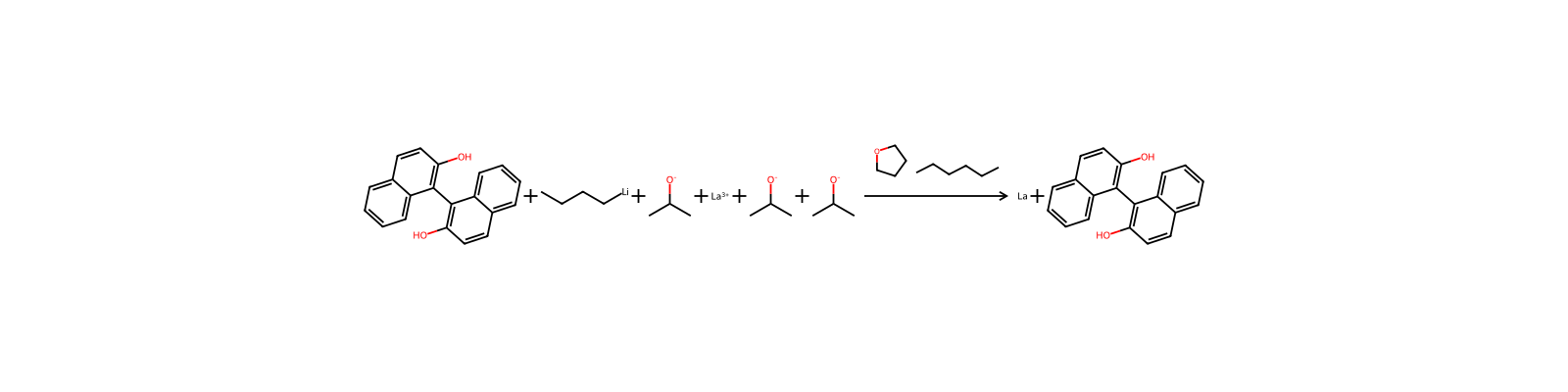
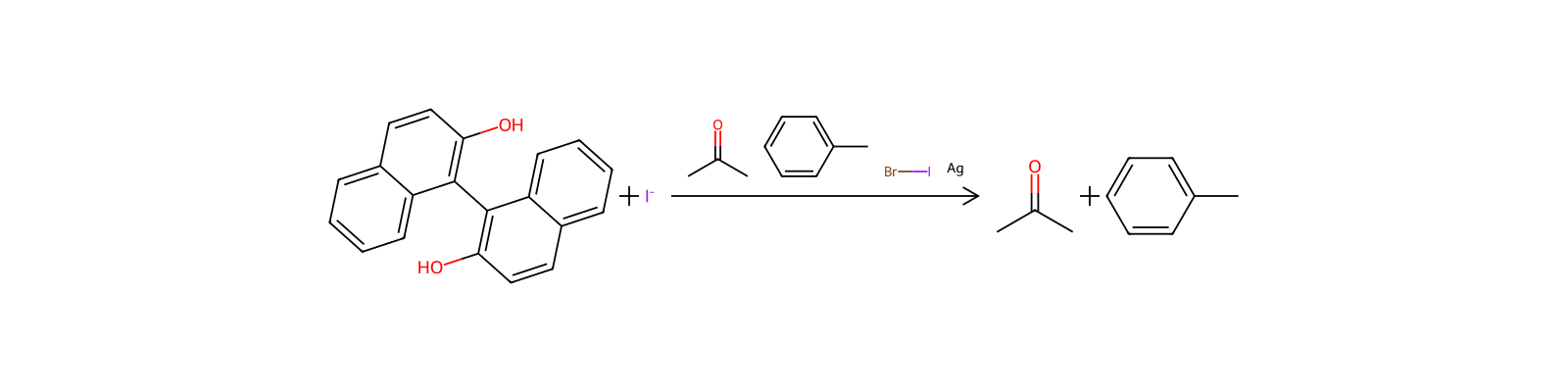
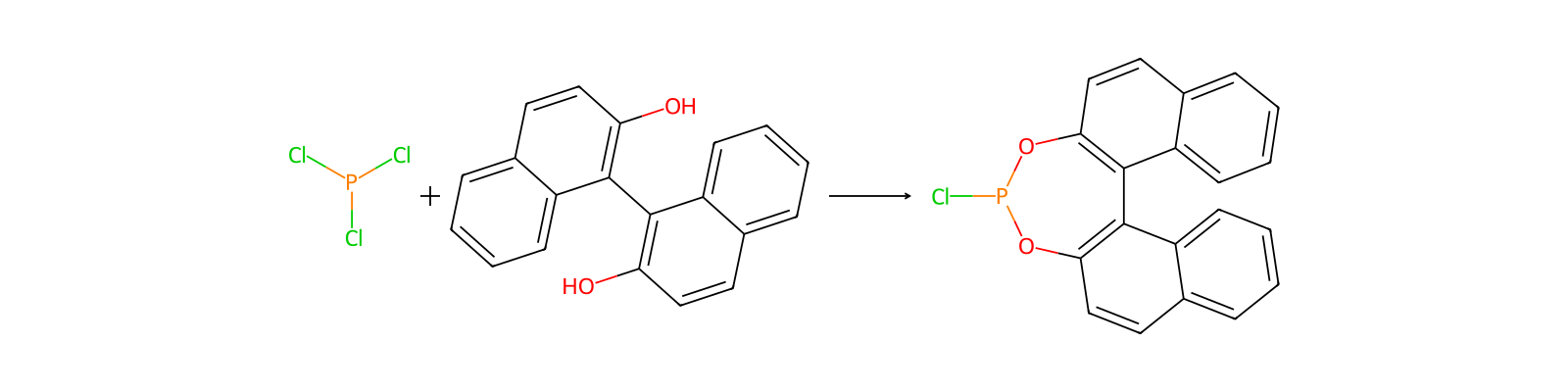
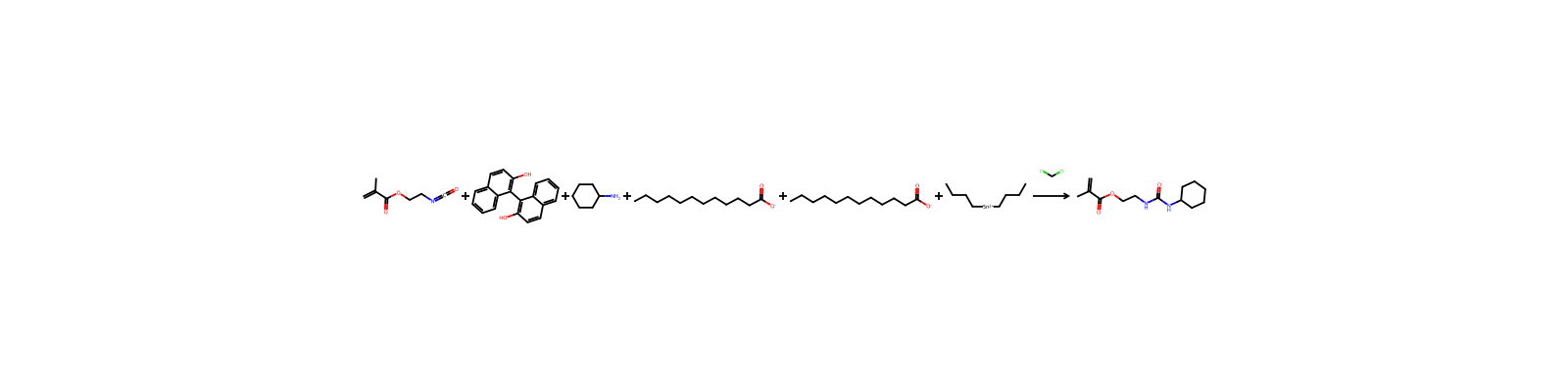
143



Verknüpfte Notizen
Wird geladen…