

Grundinformationen
- Standard-SMILES
CCC(C)(NC(=O)c1cc(Cl)c(C)c(Cl)c1)C(=O)CCl- InChIKey
SOUGWDPPRBKJEX-UHFFFAOYSA-N- Summenformel
- C14H16Cl3NO2
- Durchschnittliche Molmasse
- 336,6 g/mol
- Monoisotopische Masse
- 335,024662
Namen und Bezeichner
- Bevorzugter Name
- Zoxamide
- IUPAC
- 3,5-dichloro-N-(1-chloro-3-methyl-2-oxopentan-3-yl)-4-methylbenzamide
- Englischer Name
- Zoxamide
- Summenformel
- C14H16Cl3NO2
- Molmasse
- 336.64
Namen und Synonyme
Zoxamide156052-68-5ZoxiumRH 7281DTXSID90325813,5-Dichloro-N-(3-chloro-1-ethyl-1-methyl-2-oxopropyl)-4-methylbenzamideZoxium 80W Agricultral FungicideF1XZW465PCRH-7281Benzamide, 3,5-dichloro-N-(3-chloro-1-ethyl-1-methyl-2-oxopropyl)-4-methyl-DTXCID70125813,5-Dichloro-N-(3-chloro-1-ethyl-1-methyl-2-oxopropyl)-p-toluamide
Weitere Namen anzeigen
CAS:156052-68-5zoxamide (bsi,iso)Zoxamide in AcetoneZoxamide (Standard)Adagrasib Impurity 22Zoxamide in AcetonitrileZoxamide Solution, 100ppm
RH7281RefChem:905395CHEBI:820483,5-dichloro-N-(1-chloro-3-methyl-2-oxopentan-3-yl)-4-methylbenzene-1-carboximidic acid605-037-1Zoxamid3,5-dichloro-N-(1-chloro-3-methyl-2-oxopentan-3-yl)-4-methylbenzamideZoxamide [ISO]
Datenbank-Bezeichner
- CAS
156052-68-5- PubChem CID
- 122087
- DTXSID
DTXSID9032581- ChEMBL
CHEMBL1893025- ChEBI
CHEBI:82853- UNII
- F1XZW465PC
- EC Number
- 605-037-1
- Nikkaji
- J1.761.435E
Eigenschaften
Berechnete Struktureigenschaften
- XLogP
- 4,3
- Polarare Oberfläche (TPSA)
- 46,2 Ų
- H-Brücken-Donoren
- 1
- H-Brücken-Akzeptoren
- 2
- Frei drehbare Bindungen
- 5
- Schwere Atome
- 20
- Formalladung
- 0
- Komplexität
- 365
Experimentelle und physikochemische Eigenschaften
pHpH = 6.9 at 24.3 °C
LogPlog Kow = 3.76 at 20 °C
OdorLicorice-like odor
Density1.38 g/cu cm at 20 °C
Color/Form
White solid
Fine, white powder
Solubility
In water, 0.681 mg/L at 20 °C
In acetone = 0.0557 mg/L at 25 °C
DecompositionWhen heated to decomposition it emits toxic vapors of /nitrogen oxides/ and /chloride/.
Melting Point158-160 °C
Vapor Pressure
0.00000001 [mmHg]
less than 9.9X10⁻⁸ mm Hg at 25 °C
Physical DescriptionWhite solid; [Merck Index] Odor like liquorice; [HSDB] White odorless powder; [MSDSonline]
Stability/Shelf Life
Stable under recommended storage conditions.
Stable at elevated heat and pressure.
Stable at elevated heat and pressure alone and with added 316 L stainless steel, carbon steel, iron II or iron III. /from table/
Stable after 2 weeks at 54 °C in commercial or similar container. /Zoxium 80W Agricultural Fungicide/ /from table/
Kovats Retention Index2428
Physikochemische Eigenschaften
- Schmelzpunkt
- 158 · 158-160°; mp 159.5-160.5° (Egan)
- Siedepunkt
- 415.4 · 415.4±45.0 °C(Predicted)
- Dichte
- 1.289 · 1.289±0.06 g/cm3(Predicted)
- storage temp.
- 0 · 0-6°C
- pka
- 11.2 · 11.20±0.46(Predicted)
- BRN
- 11413911 · 11413911
- Henry's Law Constant
- 4.9 · 4.9×103 mol/(m3Pa) at 25℃, HSDB (2015)
- Major Application
- agricultureenvironmental
- InChI
- 1S/C14H16Cl3NO2/c1-4-14(3,12(19)7-15)18-13(20)9-5-10(16)8(2)11(17)6-9/h5-6H,4,7H2,1-3H3,(H,18,20)
- InChIKey
- SOUGWDPPRBKJEX-UHFFFAOYSA-N
- SMILES
- CCC(C)(NC(=O)c1cc(Cl)c(C)c(Cl)c1)C(=O)CCl
- EPA chemische Informationen
- Zoxamide (156052-68-5)
Sicherheit und Regulatorisches
GHS-Klassifizierung
GHS Classification
Warning
H317: May cause an allergic skin reaction [Warning Sensitization, Skin];H400: Very toxic to aquatic life [Warning Hazardous to the aquatic environment, acute hazard];H410: Very toxic to aquatic life with long lasting effects [Warning Hazardous to the aquatic environment, long-term hazard]
P261, P272, P273, P280, P302+P352, P321, P333+P317, P362+P364, P391, and P501 (click each P-code to see the statement)
Warning
Gefahrenhinweise
Regulatory Information
Commission Regulation No 844/2012
Zoxamide is listed in the dataset of EPA Human Health Benchmarks for Pesticides under the Safe Drinking Water Act (40 eCFR 141)
03/119/EC, Reg. (EU) 2016/2016, Reg. (EU) 2018/692, Reg. (EU) 2018/84, Reg. (EU) No 540/2011, Reg. (EU) No 823/2012
Hazards Summary
A strong skin sensitizer and potential cause of occupational asthma; Not a neurotoxin or reproductive toxin; Not likely to be a human carcinogen; [Reference #1] In high-dose animal experiments, causes liver changes and increase in liver weight; [RTECS] May cause moderate eye irritation and mild corneal injury; Organs affected in high-dose animal studies include liver and thyroid; [MSDSonline]
Special Reports
California Environmental Protection Agency/Department of Pesticide Regulation; Toxicology Data Review Summaries.[Available from, as of October 12, 2004: http://www.cdpr.ca.gov/docs/risk/toxsums/toxsumlist.htm]
Health Canada, Pest Management Regulatory Agency; Regulatory Note- Zoxamide REG2001-09 (July 19, 2001).
FIFRA Requirements
Tolerances are established for residues of zoxamide including metabolites and degradates, in or on the commodities in the table below. Compliance with the tolerance levels specified below is to be determined by measuring only zoxamide (3,5-dichloro-N-(3-chloro-1-ethyl-1-methyl-2-oxopropyl)-4-methylbenzamide).[Table#6888]
Tolerances are established for residues of zoxamide including metabolites and degradates, in or on the commodities in the table below. Compliance with the tolerance levels specified below is to be determined by measuring only the sum of zoxamide (3,5-dichloro-N-(3-chloro-1-ethyl-1-methyl-2-oxopropyl)-4-methylbenzamide) and its metabolites 3,5-dichloro-1,4-benzenedicarboxylic acid (RH-1455 and RH-141455) and 3,5-dichloro-4-hydroxymethylbenzoic acid (RH-1452 and RH-141452) calculated as the stoichiometric equivalent of zoxamide.[Table#6889]
Pesticide Fact Sheet: Name of Chemical: Zoxamide; Reason for Issuance: New Chemical. Year of Initial Registration: 2001.
Toxic Combustion ProductsSpecial hazards arising from the substance or mixture: Carbon oxides, nitrogen oxides (NOx), hydrogen chloride gas.
Hazard Classes and Categories
Skin Sens. 1A (100%);Aquatic Acute 1 (100%);Aquatic Chronic 1 (100%)
Skin sensitisation - category 1;Hazardous to the aquatic environment (acute) - category 1;Hazardous to the aquatic environment (chronic) - category 1
Skin Sens. 1;Aquatic Acute 1;Aquatic Chronic 1
Skin, Eye, and Respiratory IrritationsCauses moderate eye irritation.
Hazardous Reactivities and IncompatibilitiesIncompatible with strong acids and bases, reducing agents.
Sicherheit und Schutzausrüstung
Fire Fighting Procedures
Suitable extinguishing media: Use water spray, alcohol-resistant foam, dry chemical or carbon dioxide.
Advice for firefighters: Wear self contained breathing apparatus for fire fighting if necessary.
Storage Conditions
Keep container tightly closed in a dry and well-ventilated place.
Store in a cool dry well-ventilated area.
Cleanup Methods
ACCIDENTAL RELEASE MEASURES: Personal precautions, protective equipment and emergency procedures: Use personal protective equipment. Avoid dust formation. Avoid breathing vapors, mist or gas. Ensure adequate ventilation. Evacuate personnel to safe areas. Avoid breathing dust. Environmental precautions: Prevent further leakage or spillage if safe to do so. Do not let product enter drains. Discharge into the environment must be avoided. Methods and materials for containment and cleaning up: Pick up and arrange disposal without creating dust. Sweep up and shovel. Keep in suitable, closed containers for disposal.
Disposal Methods
SRP: Recycle any unused portion of the material for its approved use or return it to the manufacturer or supplier. Ultimate disposal of the chemical must consider: the material's impact on air quality; potential migration in air, soil or water; effects on animal, aquatic and plant life; and conformance with environmental and public health regulations. If it is possible or reasonable use an alternative chemical product with less inherent propensity for occupational harm/injury/toxicity or environmental contamination.
Product: Offer surplus and non-recyclable solutions to a licensed disposal company. Contact a licensed professional waste disposal service to dispose of this material. Dissolve or mix the material with a combustible solvent and burn in a chemical incinerator equipped with an afterburner and scrubber; Contaminated packaging: Dispose of as unused product.
Preventive Measures
ACCIDENTAL RELEASE MEASURES: Personal precautions, protective equipment and emergency procedures: Use personal protective equipment. Avoid dust formation. Avoid breathing vapors, mist or gas. Ensure adequate ventilation. Evacuate personnel to safe areas. Avoid breathing dust. Environmental precautions: Prevent further leakage or spillage if safe to do so. Do not let product enter drains. Discharge into the environment must be avoided.
Precautions for safe handling: Avoid contact with skin and eyes. Avoid formation of dust and aerosols. Provide appropriate exhaust ventilation at places where dust is formed.
Appropriate engineering controls: Handle in accordance with good industrial hygiene and safety practice. Wash hands before breaks and at the end of workday.
Gloves must be inspected prior to use. Use proper glove removal technique (without touching glove's outer surface) to avoid skin contact with this product. Dispose of contaminated gloves after use in accordance with applicable laws and good laboratory practices. Wash and dry hands.
For more Preventive Measures (Complete) data for Zoxamide (8 total), please visit the HSDB record page.
Allowable Tolerances
Tolerances are established for residues of zoxamide including metabolites and degradates, in or on the commodities in the table below. Compliance with the tolerance levels specified below is to be determined by measuring only zoxamide (3,5-dichloro-N-(3-chloro-1-ethyl-1-methyl-2-oxopropyl)-4-methylbenzamide).[Table#6886]
Tolerances are established for residues of zoxamide including metabolites and degradates, in or on the commodities in the table below. Compliance with the tolerance levels specified below is to be determined by measuring only the sum of zoxamide (3,5-dichloro-N-(3-chloro-1-ethyl-1-methyl-2-oxopropyl)-4-methylbenzamide) and its metabolites 3,5-dichloro-1,4-benzenedicarboxylic acid (RH-1455 and RH-141455) and 3,5-dichloro-4-hydroxymethylbenzoic acid (RH-1452 and RH-141452) calculated as the stoichiometric equivalent of zoxamide.[Table#6887]
Personal Protective Equipment (PPE)
Eye/face protection: Face shield and safety glasses. Use equipment for eye protection tested and approved under appropriate government standards such as NIOSH (US) or EN 166(EU).
Skin protection: Handle with gloves.
Body Protection: Complete suit protecting against chemicals. The type of protective equipment must be selected according to the concentration and amount of the dangerous substance at the specific workplace.
Respiratory protection: For nuisance exposures use type P95 (US) or type P1 (EU EN 143) particle respirator. For higher level protection use type OV/AG/P99 (US) or type ABEK-P2 (EU EN 143) respirator cartridges. Use respirators and components tested and approved under appropriate government standards such as NIOSH (US) or CEN (EU).
For more Personal Protective Equipment (PPE) (Complete) data for Zoxamide (6 total), please visit the HSDB record page.
Toxikologische Informationen
Health EffectsThe toxicity of zoxamide includes the increase of the weights of liver and thyroid, liver histopathological change and increases in alkaline phosphatase. Zoxamide is classified as “not likely to be carcinogenic to humans”
Ecotoxicity Values
LD50; Species: Colinus virginianus (Bobwhite quail) age 16 weeks; oral via capsule >2000 mg/kg
LD50; Species: /Apis mellifera/ (Honeybee) adult; contact >100 ug/bee
LC50; Speces: Eisenia foetida (Earthworm) >1070 mg a.i./kg soil for 14 days
LC50; Species: Oncorhynchus mykiss (Rainbow trout) weight 1.2 g; Conditions: freshwater, flow through; Concentration: 156 ug/L for 96 hr (95% confidence interval: 134-181 ug/L) /94.2% purity/
For more Ecotoxicity Values (Complete) data for Zoxamide (16 total), please visit the HSDB record page.
Environmental Fate
TERRESTRIAL FATE: Based on a classification scheme(1), Koc values of 815-1443(2,3), indicate that zoxamide is expected to have low mobility in soil(SRC). Volatilization of zoxamide from moist soil surfaces is not expected to be an important fate process(SRC) given an estimated Henry's Law constant of 3.3X10⁻¹¹ atm-cu m/mole(SRC), using a fragment constant estimation method(4). Zoxamide is not expected to volatilize from dry soil surfaces(SRC) based upon a vapor pressure of less than 9.9X10⁻⁸ mm Hg at 25 °C(5). Zoxamide has reported half-lives in various soils of 2 to 19 days under aerobic and anaerobic conditions, and, therefore, is expected to biodegrade rapidly under certain environmental conditions(6,7).
AQUATIC FATE: Based on a classification scheme(1), Koc values of 815-1443(2,3), indicate that zoxamide is expected to adsorb to suspended solids and sediment(SRC). Volatilization from water surfaces is not expected(4) based upon an estimated Henry's Law constant of 3.3X10⁻¹¹ atm-cu m/mole(SRC), developed using a fragment constant estimation method(5). According to a classification scheme(6), a BCF range of 95-136 in bluegill sunfish(7), suggests the potential for bioconcentration in aquatic organisms is moderate to high(SRC). Biodegradation data in water were not available(SRC, 2017). However, Zoxamide has reported half-lives in various soils of 2 to 19 days under aerobic and anaerobic conditions(8,3), suggesting that biodegradation maybe an important environmental fate in water(SRC).
ATMOSPHERIC FATE: According to a model of gas/particle partitioning of semivolatile organic compounds in the atmosphere(1), zoxamide, which has a vapor pressure of less than 9.9X10⁻⁸ mm Hg at 25 °C(2), is expected to exist solely in the particulate phase in the ambient atmosphere. Particulate-phase zoxamide may be removed from the air by wet and dry deposition(SRC). Zoxamide contains chromophores that absorb at wavelengths >290 nm(3) and, therefore, may be susceptible to direct photolysis by sunlight. Zoxamide has an aqueous photolysis half-life of 14 days reported at pH 4 and 25 °C(4,5).
Food Survey Values
In a study published in 2012, zoxamide was detected in Wisconsin ginseng, purchased from a commercial source, at a concentration of 23 ug/kg; zoxamide was not detected in American ginseng white Korean ginseng or Chinese red ginseng samples analyzed in this study(1). In a crop study in North Carolina using radio labeled zoxamide, this chemical was detected in mature harvest crops (mustard, radish, turnip, sorghum and soybean) planted 30 to 365 days following application, at concentrations of less than 0.01 to 0.189 mg/kg(2).
Adverse Effects
Occupational hepatotoxin - Secondary hepatotoxins: the potential for toxic effect in the occupational setting is based on cases of poisoning by human ingestion or animal experimentation.;Skin Sensitizer - An agent that can induce an allergic reaction in the skin.
Toxicity Summary
IDENTIFICATION AND USE: Zoxamide is a fine, white powder. It is used as a fungicide. HUMAN EXPOSURE AND TOXICITY: Zoxamide is harmful if absorbed through the skin and causes moderate eye irritation. Prolonged or frequent repeated skin contact may cause allergic reactions in some individuals. It is a dermal sensitizer. ANIMAL STUDIES: Zoxamide was considered to be of low acute toxicity by the oral, dermal and inhalation routes in rats. It was moderately irritating when applied to the skin of rabbits, and was minimally irritating when instilled into the eyes of the same species. Results of skin sensitization testing in guinea pigs were positive. Acute and short-term (90-day) neurotoxicity studies conducted in the rat did not demonstrate any neurotoxic potential for zoxamide. It was not mutagenic in Salmonella typhimurium strains TA98, TA100, TA1535, TA1537, and TA102. ECOTOXICITY STUDIES: The NOEC of zoxamide for the early life-stages of the rainbow trout (Oncorhynchus mykiss) and the sheepshead minnow (Cyprinodon variegatus) were 3.48 ug a.i./L and 40 ug a.i./L, respectively, and for a full life cycle in the fathead minnow (Pimephales promelas) 60 ug a.i./L.
Ecotoxicity Excerpts
/AQUATIC SPECIES/ The NOEC of Zoxamide for the early life-stages of the rainbow trout and the sheepshead minnow were 3.48 ug a.i./L and 40 ug a.i./L, respectively, and for a full life cycle in the fathead minnow (Pimephales promelas) 60 ug a.i./L.
Ongoing Test Status
EPA has released the Interactive Chemical Safety for Sustainability (iCSS) Dashboard. The iCSS Dashboard provides an interactive tool to explore rapid, automated (or in vitro high-throughput) chemical screening data generated by the Toxicity Forecaster (ToxCast) project and the federal Toxicity Testing in the 21st century (Tox21) collaboration. /The title compound was tested by ToxCast and/or Tox21 assays/[USEPA; ICSS Dashboard Application; Available from, as of December 8, 2016: http://actor.epa.gov/dashboard/]
Soil Adsorption/MobilityKoc values for zoxamide have been reported as 815-1443(mean 1224)(1) and 1190(2). According to a classification scheme(3), this Koc data suggests that zoxamide expected to have low mobility in soil.
Human Toxicity Excerpts/SIGNS AND SYMPTOMS/ Harmful if absorbed through the skin. Causes moderate eye irritation. ... Prolonged or frequent repeated skin contact may cause allergic reactions in some individuals. This product is a dermal sensitizer.
Artificial Pollution SourcesZoxamide's production may result in its release to the environment through various waste streams; its use as an agricultural fungicide(1) will result in its direct release to the environment(SRC).
Environmental Biodegradation
AEROBIC: Zoxamide, present at 1.5 mg/kg, has a half-life of 10 days at 25 °C, and at 0.2 mg/kg a half-life range of 2.0 to 4.2 days at 20 °C and 7.7 days at 10 °C, resulting from soil metabolism studies using various sand, loam, and clay soils and radio-labeled 14C-phenyl-zoxamide under aerobic conditions(1). Additionally, zoxamide has a reported aerobic soil metabolism half-life of 19 days(2), therefore this compound is expected to rapidly biodegrade under certain environmental conditions(SRC).
ANAEROBIC: Zoxamide has a reported anaerobic soil metabolism half-life of 14 days(1).
Regulatorische Informationen
Regulatory Information
Commission Regulation No 844/2012
Zoxamide is listed in the dataset of EPA Human Health Benchmarks for Pesticides under the Safe Drinking Water Act (40 eCFR 141)
03/119/EC, Reg. (EU) 2016/2016, Reg. (EU) 2018/692, Reg. (EU) 2018/84, Reg. (EU) No 540/2011, Reg. (EU) No 823/2012
FIFRA Requirements
Tolerances are established for residues of zoxamide including metabolites and degradates, in or on the commodities in the table below. Compliance with the tolerance levels specified below is to be determined by measuring only zoxamide (3,5-dichloro-N-(3-chloro-1-ethyl-1-methyl-2-oxopropyl)-4-methylbenzamide).[Table#6888]
Tolerances are established for residues of zoxamide including metabolites and degradates, in or on the commodities in the table below. Compliance with the tolerance levels specified below is to be determined by measuring only the sum of zoxamide (3,5-dichloro-N-(3-chloro-1-ethyl-1-methyl-2-oxopropyl)-4-methylbenzamide) and its metabolites 3,5-dichloro-1,4-benzenedicarboxylic acid (RH-1455 and RH-141455) and 3,5-dichloro-4-hydroxymethylbenzoic acid (RH-1452 and RH-141452) calculated as the stoichiometric equivalent of zoxamide.[Table#6889]
Pesticide Fact Sheet: Name of Chemical: Zoxamide; Reason for Issuance: New Chemical. Year of Initial Registration: 2001.
Sicherheitsdaten
- wgk
- 3
- ridadr
- UN 3077 9 / PGIII
- risk_code
- 43-50/53
- Toxizität
- LD50 in rats (mg/kg): >5000 orally; >2000 dermally; LC50 in rats (mg/l): >5.3 by inhalation; in mallard ducks, bobwhite quail (mg/kg): >5250, >5250 dietary; in trout (mg/l): 160 (Egan)
- hazard_code
- Xi,N
- safety_code
- 24-37-46-60-61
- Speicherklasse
- 11 - Combustible Solids
- Giftige Stoffe Daten
- 156052-68-5(Hazardous Substances Data)
- Hazard Classifications
- Aquatic Acute 1Aquatic Chronic 1Skin Sens. 1A
Chemie und Industrie
Pharmakologische Informationen
Biological Half-LifeZoxamide was rapidly and extensively absorbed, metabolized and excreted. ... Elimination from plasma was bi-phasic with an elimination half-life of 12-14 hr.
Metabolism/Metabolites
Investigators studied all major elements of a metabolism study in male and female Crl:CD BR rats ... Bile ducts were cannulated to assess degree of biliary excretion and associated metabolites. Investigators isolated 36 compounds including parent zoxamide in urine and/or feces. Bile contained 17 separable components. Major metabolites by each route were identified. ... Several metabolic routes were evident from analysis of fecal metabolites, including as initial steps: reductive dehalogenation, hydrolysis to provide an alpha-keto alcohol, or glutathione conjugation at the chloro group of the side chain. Often the final metabolites were products of subsequent oxidation to provide benzoic acid substituents or oxidation of the side chain to one of several carboxylic acid moieties, depending upon the amount of degradation of the side chain. There was no single dominant urinary metabolite. Most of these had been oxidized to expose several polar groups, and included several glutathione and glucuronide conjugation products. Rats treated with 10 mg/kg [(14)C]-/zoxamide/ following 2 weeks of administration of 200 ppm non-labeled zoxamide had excretion patterns similar to those of non-pre-treated rats. Biliary metabolites in cannulated rats constituted 46-48% of dose. Various glutathione derivatives predominated in the bile, and some residues underwent hydrolysis or reductive dehalogenation followed by glucuronide formation.
Four male Crl:CD BR rats were dosed by gavage in water once at 1000 mg/kg with 3,5-dichloro-4-hydroxymethyl benzoic acid, (RH-141,452), a metabolic product of zoxamide. Purity of unlabeled test article was 100%. Radiopurity of (14)C-ring-labeled test article was 98%. Investigators assessed recoveries in urine, feces, and exhaled air, and identified major metabolites in urine and feces. Urinary excretion was about 98% of dose, feces 1.7%, and expired air about 0.01%. Nearly all of urinary excretion was complete within 24 hr, and most fecal excretion occurred within 48 hr. About 94% of dose was excreted in urine as the test article. Collectively, three minor metabolites accounted for another 3% of urinary label (glucuronides of the hydroxyl or carboxylic acid groups, or glycine conjugate of the carboxylic acid group). Nearly all fecal label represented test article
Four male Crl:CD BR rats were dosed by gavage in water once at 1000 mg/kg with ring-labeled [(14)C]- RH-141,455 (this is the dicarboxylic acid metabolite of zoxamide). Purity of unlabeled RH-141,455 was 98.77%. Radiopurity of (14)C- RH-141,455 was > 96%. Investigators assayed residues in urine, feces, and exhaled air, and identified major metabolites in urine and feces. Tissues were not analyzed at 168 hr termination of rats, since nearly all label could be found in excreta. Recoveries of radiolabel averaged 75.5% in feces, 11.0% in urine, and 9.3% in cage rinse. Due to diarrhea, much of the cage rinse may have represented fecal output. About 0.01% of dose was found in expired air. Label recovery in feces, urine, or cage rinse dropped off quickly after the first 48 hr after dosing. Parent compound was the only significant peak detected after HPLC separation of extracts of fecal and urinary samples.
... Metabolism occurred by primary hydrolysis, glutathione mediated reactions and reductive dehalogenation; secondary oxidation of the aromatic methyl and the aliphatic side chain; and terminal glucuronic acid and amino acid conjugations. Induction of metabolism (glutathione transferase and/or glutathione cofactor) appeared to occur. ... Altogether, in urine and feces, 32 separate metabolites were identified; no single metabolite other than the parent accounted for more than 10% of the administered dose. ... There were no apparent sex related differences.
The in vitro mammalian metabolism of the fungicide zoxamide is related to its in vitro mammalian toxicity. After incubation of zoxamide with rat liver microsomes leading to practically 100% metabolism (mostly hydroxylated zoxamide), the cytotoxicity (methyl thiazole tetrazolium (MTT) test) and the mitosis-inhibiting potential (shown by cell count and by cell cycle analysis) for V79 were not distinguishable from those of zoxamide, demonstrating that the hydroxylation of zoxamide did not change the cytotoxicity or mitosis-inhibiting potential as determined by these assays. After incubation of zoxamide with rat liver S9 predominantly leading to conjugation with glutathione, and after incubation of zoxamide with rat liver slices predominantly leading to the glucuronide of the hydroxylated zoxamide, these activities were eliminated demonstrating that the glutathione conjugate and the glucuronide had lost the activities in these assays due either to no intrinsic potential of these conjugates or to their inability to penetrate the plasma membrane of mammalian cells. It is concluded that the metabolic hydroxylation of zoxamide did not change its activity in the assays used for investigating its influence on cell proliferation, cell cycle and cytotoxicity, while the formation of conjugates with glutathione or glucuronic acid led to the apparent loss of these activities. ...
Absorption, Distribution and Excretion
Mean plasma radioactivity concentrations peaked at 8 hr following 10 mg/kg or 1000 mg/kg zoxamide, and time of one-half peak concentration was 22 hr. Tissue levels as percentage of administered dose were generally about twice as high in the 10 mg/kg groups compared to high dose rats, consistent with the above evidences of poor absorption at 1000 mg/kg. Only the alimentary tract and liver had remarkably high concentrations at 8 hr, with marked reduction in most tissues by 22 hr after dosing. Thus zoxamide and its metabolites tend not accumulate in the body. There were no remarkable sex differences in zoxamide disposition.
Investigators studied all major elements of a metabolism study in male and female Crl:CD BR rats, including excretion patterns following a single gavage dose (in corn oil) of 10 mg/kg or a single dose of 1000 mg/kg labeled zoxamide, or single dose of 10 mg/kg labeled zoxamide after 2 weeks of administration of 200 ppm non-labeled zoxamide in diet. Tissue distribution of residues was determined after 8, 22, and 120 hr ... and blood kinetics were assessed. Exhaled air was evaluated for (14)C content (this was found not to be a significant route). ... Administration of 10 mg/kg zoxamide led to appreciable recovery of unaltered zoxamide in feces (12-23%). Much higher unaltered zoxamide were found in feces (72-74%) following a 1000 mg/kg dose. At least 71% of administered dose was found in feces after 10 mg/kg treatment (with or without dietary pre-treatment).
Zoxamide was rapidly and extensively absorbed, metabolized and excreted. Approximately 61% of the administered dose was systemically absorbed. Absorption was less complete in high dose groups. Plasma concentrations peaked approximately 8 hr post dose. Residue concentrations were highest in organs associated with absorption (liver, stomach, intestines). ... Elimination from plasma was bi-phasic with an elimination half-life of 12-14 hr. No residues were detected in expired air. Altogether, in urine and feces, 32 separate metabolites were identified; no single metabolite other than the parent accounted for more than 10% of the administered dose. Over 85% of the administered dose in single dose studies was excreted within 24-48 hr; the predominant route of excretion was hepatobiliary. No evidence of accumulation of the parent compound or its metabolites was observed. There were no apparent sex related differences.
The two major potato metabolites (RH-141452 and RH-141455), which were minor rat metabolites, were studied in separate metabolism studies. More than 97% of the administered dose (RH-141452) was excreted within 24 hr. Greater than 94% was eliminated unchanged in urine. Two glucuronide conjugates and a glycine conjugate (about 3% of the administered dose) were found in urine. An additional 1.6% of the administered dose was excreted unchanged in the feces. Excretion of RH-141455 was slower: 47% of the administered dose was excreted within 24 hr, with an additional 32% of the administered dose excreted between 24 and 48 hr. Greater than 92% of the administered dose was recovered (about 73% in feces, 11% in urine and 9% in cage rinse) as unchanged RH-141455 (>96%). /Metabolites/
Verwendung und Herstellung
Uses
Used as agricultural fungicide for potatoes, vines, and vegetables (targets Oomycete fungi); [Merck Index]
Farming (Pesticides) [Category: Industry]
For zoxamide (USEPA/OPP Pesticide Code: 101702) ACTIVE products with label matches. /SRP: Registered for use in the U.S. but approved pesticide uses may change periodically and so federal, state and local authorities must be consulted for currently approved uses./
Fungicide.
Two commercial end-use products containing Zoxamide have been reviewed for registration, Zoxium 80W Fungicide, a wettable powder (WP) containing 80% Zoxamide, and Gavel 75DF Fungicide, a dry flowable (DF) containing 8.3% Zoxamide and 66.7% Mancozeb. Zoxium 80W Fungicide is being registered as a tankmix application with Dithane DG Rainshield NT Fungicide (Mancozeb) for control of late blight and early blight on potatoes and applied alone for control of downy mildew on grapes. For additional control of powdery mildew and black rot on grapes, Zoxium 80W Fungicide can be tank-mixed with Nova 40W Fungicide (Myclobutanil). Gavel 75DF Fungicide is being registered for control of late blight and early blight on potatoes and downy mildew on grapes.
This is a man-made compound that is used as a pesticide.
Methods of ManufacturingPreparation: E. L. Michelotti, D. H. Young, United States of America patent 5304572 (1994 to Rohm and Haas).
Formulations/Preparations
Zing! (Gowan Company): Active ingredient: Chlorothalonil 40.0%; Zoxamide 6.8%.
Zoxium 80W Agricultural Fungicide (Gowan Company): Active ingredient: Zoxamide 80.0%.
Gavel 75 DF (Gowan Company): Active ingredient: Mancozeb 66.7%; Zoxamide 8.3%.
Zoxamide Technical (Gowan Company): Active ingredient: Zoxamide 98.0%.
For more Formulations/Preparations (Complete) data for Zoxamide (8 total), please visit the HSDB record page.
Use Classification
Environmental transformation -> Pesticides (parent, predecessor)
Fungicides
General Manufacturing Information
The WHO Recommended Classification of Pesticides by Hazard identifies Zoxamide as unlikely to present an acute hazard in normal use; Main Use: fungicide, other than for seed treatment.
Developed by Rohm and Haas Co. (now Dow AgroSciences), first registered in USA and launched in Europe in 2001. Patents US 5304572.
Vor- und nachgelagerte Produkte
Vorgelagerte Rohstoffe
Anbieter36 Anbieter
阿诺西(上海)生物技术有限公司400-1107768 15058188853 · [email protected]
湖北威德利化学试剂有限公司181-6332-1995 18062128043 · [email protected]
广州佳途科技股份有限公司81960175 18933936954 · [email protected]
苏州市森菲达化工有限公司18796480002 18796480002 · [email protected]
Qingdao Trust Agri Chemical Co.,Ltd+86-008615963231493 +86-008613573296305 · [email protected]
VladaChem GmbH+49-7246-3082843 +86-18411632868 · [email protected]
湖北中科新辰科技有限公司欢迎详询+微信 18827688560
梯希爱(上海)化工贸易有限公司021-61109150 · [email protected]
上海艾梯西生物科技有限公司18721763493
凯试(上海)科技有限公司021-50135380 · [email protected]
上海毕楷科技有限公司18516304666
四川库利南科技有限公司400-1166-196 18981987031 · [email protected]
TargetMol 中国(陶术生物)400-821-0310 15002144251 · [email protected]
艾科试剂4008-755-333 18080918076 · [email protected]
上海将来实业股份有限公司400-0066400 13621662912 · [email protected]
天津阿尔塔科技有限公司022-6537-8550 15522853686 · [email protected]
安耐吉化学&3A(安徽泽升科技股份有限公司)400-0056266 · [email protected]
湖北万业众诚化学试剂有限责任公司18671296875 · [email protected]
上海一飞生物科技有限公司021-65675885 18964387627 · [email protected]
上海源叶生物科技有限公司13636370518 · [email protected]
上海陶术生物科技股份有限公司13564774135 · [email protected]
BOC Sciences[email protected]
金锦乐(湖南)化学有限公司18001959627(微信同号) 18001959627 · [email protected]
深圳市丽晶生化科技有限公司0755-85201366 18938635012 · [email protected]
武汉峰耀同辉化学制品有限公司027-87466105 15377573527 · [email protected]
陕西伊坤特医药科技有限公司18049260030 18049260030 · [email protected]
北京坛墨质检科技有限公司010-52889049 · [email protected]
深圳聚合生化科技有限公司+86-400-002-6226 · [email protected]
TargetMol中国(陶术生物)4008200310 15002144251 · [email protected]
SUZHOU SENFEIDA CHEMICAL CO.,LTD+86-0512-83500002 +86-15195660023 · [email protected]
BOC Sciences+1-631-485-4226 · [email protected]
上海安谱实验科技股份有限公司18502138905 · [email protected]
上海杰股生物科技有限公司021-51698675 · [email protected]
北京百灵威科技有限公司18210857532 18210857532 · [email protected]
武汉青衫合源生物科技有限公司027-18327024450 18327024450 · [email protected]
Hefei TNJ Chemical Industry Co.,Ltd.+86-0551-65418684 +86-18949823763 · [email protected]
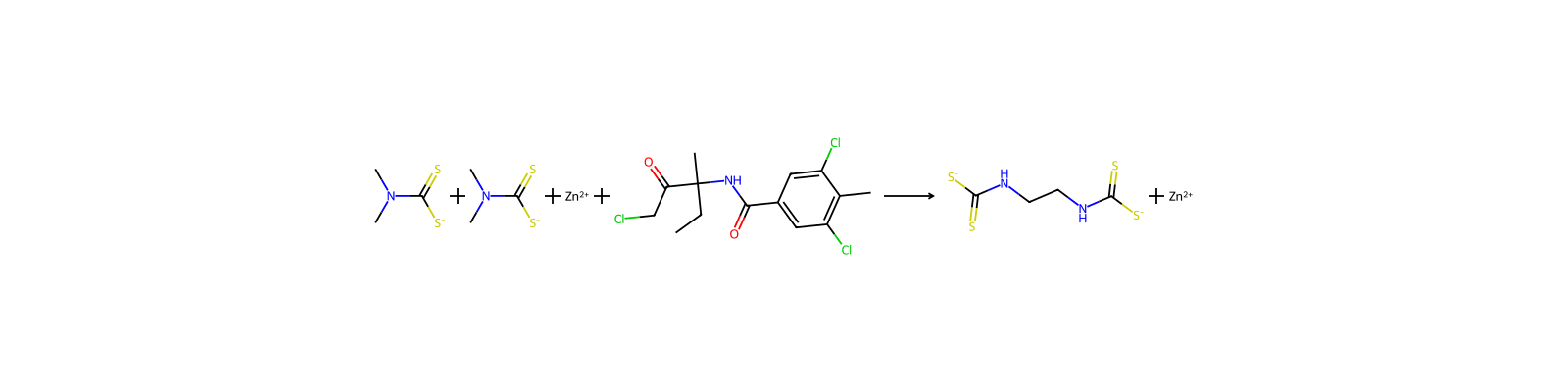
Zugehörige Reaktionen
6


Verknüpfte Notizen
Wird geladen…