HRID 36780als Edukt
Diphenylphosphoryl azide

26386-88-9[N-]=[N+]=NP(=O)(Oc1ccccc1)Oc1ccccc1SORGEQQSQGNZFI-UHFFFAOYSA-Nreagent for racemization-free peptide synthesis; structure
26386-88-9DTXSID10949274Sicherheitsangaben dienen nur zur Orientierung und ersetzen weder das Sicherheitsdatenblatt (SDB) des Lieferanten noch geltende Vorschriften oder eine fachliche Bewertung.
Danger
H301 (97.5%): Toxic if swallowed [Danger Acute toxicity, oral]
P260, P261, P262, P264, P264+P265, P270, P271, P280, P284, P301+P316, P302+P352, P304+P340, P305+P351+P338, P316, P319, P320, P321, P330, P332+P317, P337+P317, P361+P364, P362+P364, P403+P233, P405, and P501 (click each P-code to see the statement)
Aggregated GHS information provided per 81 reports by companies from 18 notifications to the ECHA C&L Inventory. Each notification may be associated with multiple companies.
REACH registered substance: Diphenyl azidophosphate (EC: 247-644-0)
Diphenyl azidophosphate: Does not have an individual approval but may be used under an appropriate group standard
TIH (Toxic Inhalation Hazard) - Term used to describe gases and volatile liquids that are toxic when inhaled. Some are TIH materials themselves, e.g., chlorine, and some release TIH gases when spilled in water, e.g., chlorosilanes. [ERG 2016].
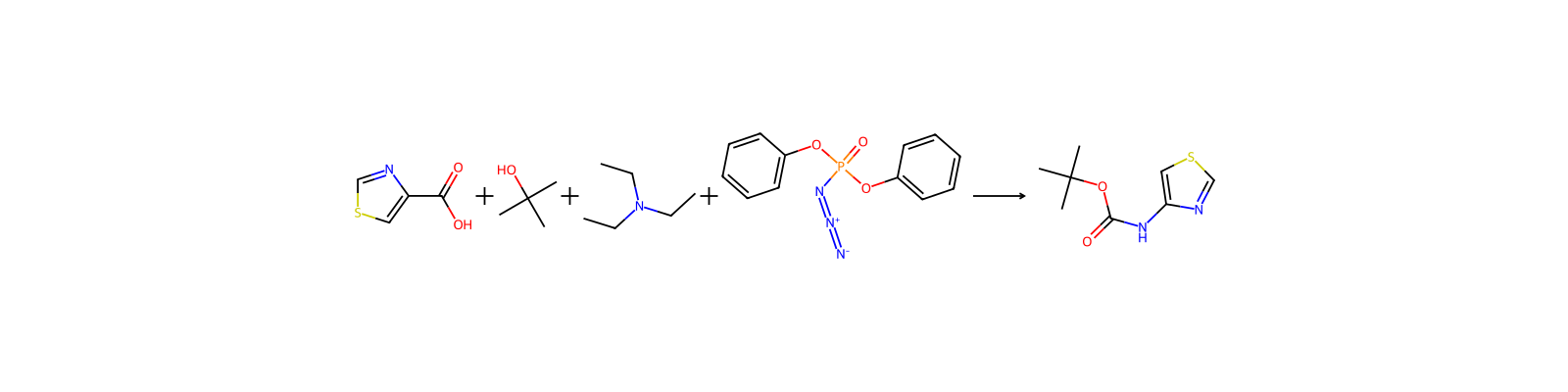
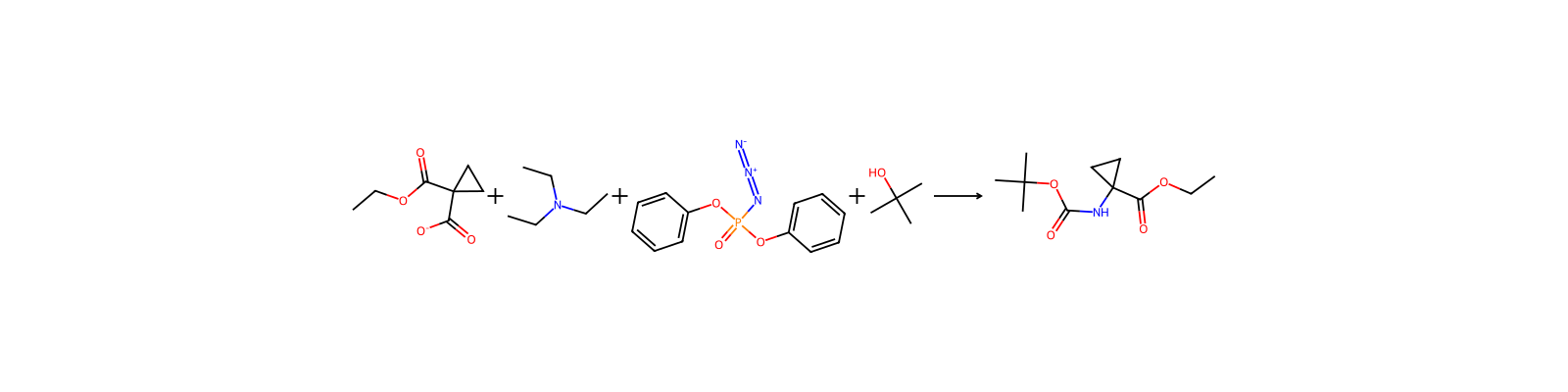
VerwendenDiphenylphosphoryl azide (DPPA or diphenyl phosphorazidate, (PhO)2P(O)N3) is a very toxic and potentially explosive organic compound. DPPA has been found to be effective for a variety of organic reactions as a versatile synthetic reagent. It is widely used in synthesis of other organic compounds especially as a reagent for the synthesis of peptides by virtue of its reactions with carboxylic acids leading to either the urethane or the amide.
synthetischeDiphenylphosphoryl azide (DPPA) is easily prepared in high yield by the reaction of the corresponding chloride with sodium azide in acetone. Combination of sodium azide and 18-crown-6 in the same reaction was reported, and the use of a quaternary ammonium salt as a phase-transfer catalyst in a biphasic phase of water and an organic solvent was also reported to be effective, as shown in Scheme 3.Diphenyl Phosphorazidate (DPPA) - More Than Three Decades LaterTakayuki ShioiriGraduate School of Environmental and Human Sciences, Meijo University