
2-(2-Chlorethoxy)ethanol
2-(Chloroethoxy)ethanol
Daten werden ergänzt – lade die Seite später neu, um den aktuellen Stand zu sehen
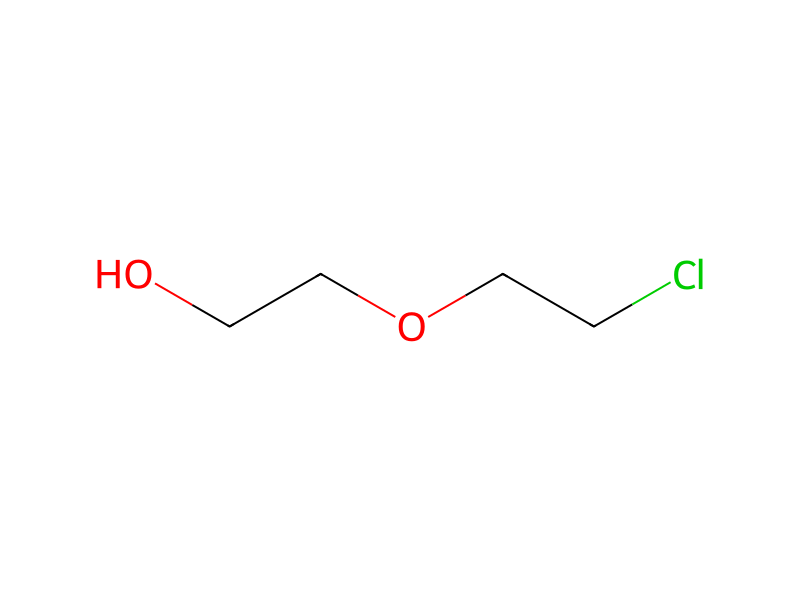
Grundinformationen
- CAS
628-89-7- Standard-SMILES
OCCOCCCl- InChIKey
LECMBPWEOVZHKN-UHFFFAOYSA-N- Summenformel
- C4H9ClO2
- Durchschnittliche Molmasse
- 124,56 g/mol
- Monoisotopische Masse
- 124,02910721
Namen und Bezeichner
- Bevorzugter Name
- 2-(Chloroethoxy)ethanol
- IUPAC
- 2-(2-chloroethoxy)ethanol
- Lokaler Name
- 2-(2-Chlorethoxy)ethanol
- Englischer Name
- 2-(2-Chloroethoxy)ethanol
- Summenformel
- C4H9ClO2
- Molmasse
- 124.57
Namen und Synonyme
2-(2-CHLOROETHOXY)ETHANOL628-89-7Diglycol chlorohydrinEthanol, 2-(2-chloroethoxy)-2-Chloroethyl 2-hydroxyethyl etherR2UP818L4INSC-2648DTXSID90608612-(Chloroethoxy)ethanolRefChem:460123DTXCID5043554211-059-9
Weitere Namen anzeigen
DIETHYLENE GLYCOL CHLOROHYDRINDEGCHoroet2-(2-ChLDiglycol Choroethoxy)ethanoL
2-(2-chloroethoxy)ethan-1-olDiglycol chlorhydrinDiethylene glycol monochlorohydrinC4H9ClO22-(2'-Chloroethoxy)ethanolEthylene Glycol Mono-2-chloroethyl EtherMFCD000028702-(2-chloroethoxy) ethanol
Datenbank-Bezeichner
- CAS
628-89-7- PubChem CID
- 12361
- DTXSID
DTXSID9060861- UNII
- R2UP818L4I
- EC Number
- 211-059-9
- Nikkaji
- J34.792B
Eigenschaften
Berechnete StruktureigenschaftenWird ergänzt
- XLogP
- 0
- Polarare Oberfläche (TPSA)
- 29,5 Ų
- H-Brücken-Donoren
- 1
- H-Brücken-Akzeptoren
- 2
- Frei drehbare Bindungen
- 4
- Schwere Atome
- 7
- Formalladung
- 0
- Komplexität
- 32,9
Experimentelle und physikochemische Eigenschaften
SpringerMaterials PropertiesBoiling point
Physikochemische Eigenschaften
- Siedepunkt
- 79 · 79-81 °C5 mm Hg(lit.)
- Dichte
- 1.18 g/mL · 1.18 g/mL at 25 °C(lit.)
- Dampfdruck
- 22.66 Pa · 22.66Pa at 20℃
- Brechungsindex
- 20 · n20/D 1.452(lit.)
- Flammpunkt
- 195 °F · 195 °F
- storage temp.
- Keep in dark place,Sealed in dry,Room Temperature
- Löslichkeit
- SOLUBLE
- Aggregatzustand
- Liquid
- pka
- 14.34 · 14.34±0.10(Predicted)
- Farbe
- Clear
- Wasserlöslichkeit
- SOLUBLE
- BRN
- 506015 · 506015
- Stabilität
- Stable. Incompatible with strong oxidizing agents.
- InChI
- 1S/C4H9ClO2/c5-1-3-7-4-2-6/h6H,1-4H2
- InChIKey
- LECMBPWEOVZHKN-UHFFFAOYSA-N
- SMILES
- OCCOCCCl
- LogP
- 0.301 at · 0.301 at 30℃
- CAS Datenbank
- 628 · 628-89-7(CAS DataBase Reference)
- NIST chemische Informationen
- 2 · Ethanol, 2-(2-chloroethoxy)-(628-89-7)
- EPA chemische Informationen
- 2 · Ethanol, 2-(2-chloroethoxy)- (628-89-7)
Sicherheit und Regulatorisches
Sicherheitsangaben dienen nur zur Orientierung und ersetzen weder das Sicherheitsdatenblatt (SDB) des Lieferanten noch geltende Vorschriften oder eine fachliche Bewertung.
GHS-Klassifizierung
GHS Classification
Danger
H315 (48.1%): Causes skin irritation [Warning Skin corrosion/irritation]
P261, P264, P264+P265, P271, P280, P302+P352, P304+P340, P305+P351+P338, P305+P354+P338, P317, P319, P321, P332+P317, P337+P317, P362+P364, P403+P233, P405, and P501 (click each P-code to see the statement)
Aggregated GHS information provided per 210 reports by companies from 12 notifications to the ECHA C&L Inventory. Each notification may be associated with multiple companies.
Gefahrenhinweise
Regulatory Information
Status: Active Update: 04-08-2018 https://echa.europa.eu/registration-dossier/-/registered-dossier/10550
Ethanol, 2-(2-chloroethoxy)-: Does not have an individual approval but may be used under an appropriate group standard
Hazard Classes and CategoriesSkin Irrit. 2 (48.1%)
Sicherheitsdaten
- F
- 19
- wgk
- 2
- tsca
- TSCA listed
- ridadr
- UN 3334
- hs_code
- 29094990
- RTECS-Nr.
- KK1350000
- risk_code
- 36/37/38-36
- hazard_code
- Xi
- safety_code
- 26-36-39
- Speicherklasse
- 10 - Combustible liquids
- Hazard Classifications
- Eye Dam. 1Skin Irrit. 2STOT SE 3
Chemie und Industrie
Verwendung und Herstellung
General Manufacturing InformationEthanol, 2-(2-chloroethoxy)-: ACTIVE
Anwendungen
Verwenden2-(2-Chloroethoxy)ethanol is a degradation product of Bis(2-Chloroethyl) Ether. 2-(2-Chloroethoxy)ethanol is a potential genotoxic impurity (PGI) in active pharmaceutical ingredients (APIs).
Vor- und nachgelagerte Produkte
Vorgelagerte Rohstoffe
Nachgelagerte Produkte
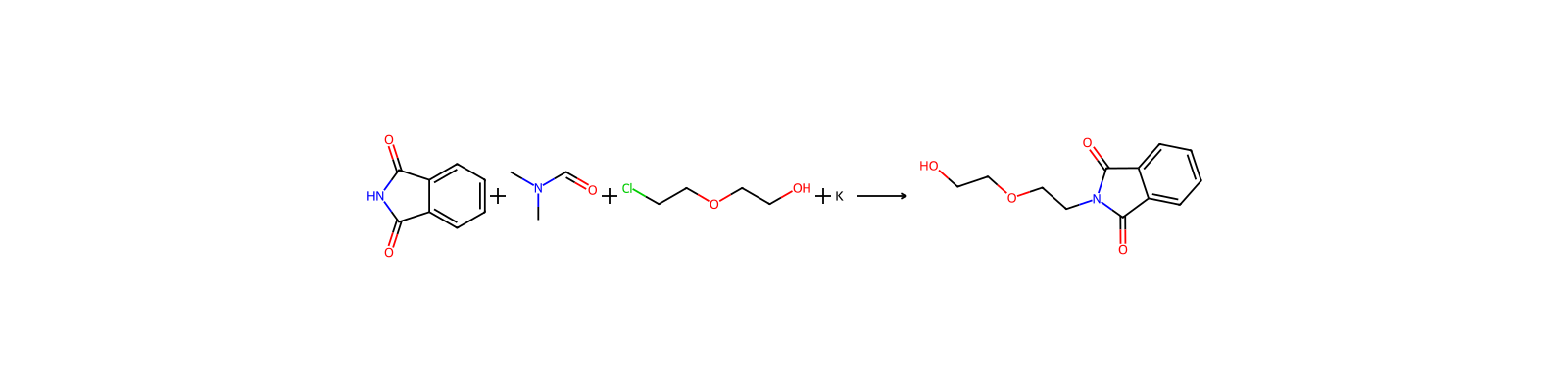
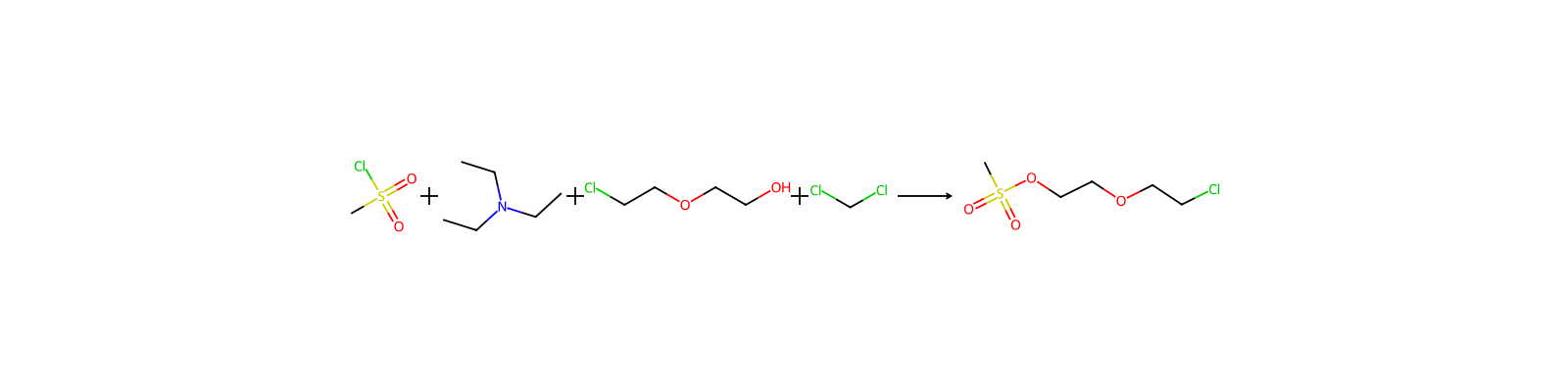
Zugehörige Reaktionen
79





Notizen zur Verbindung
Wird geladen…