
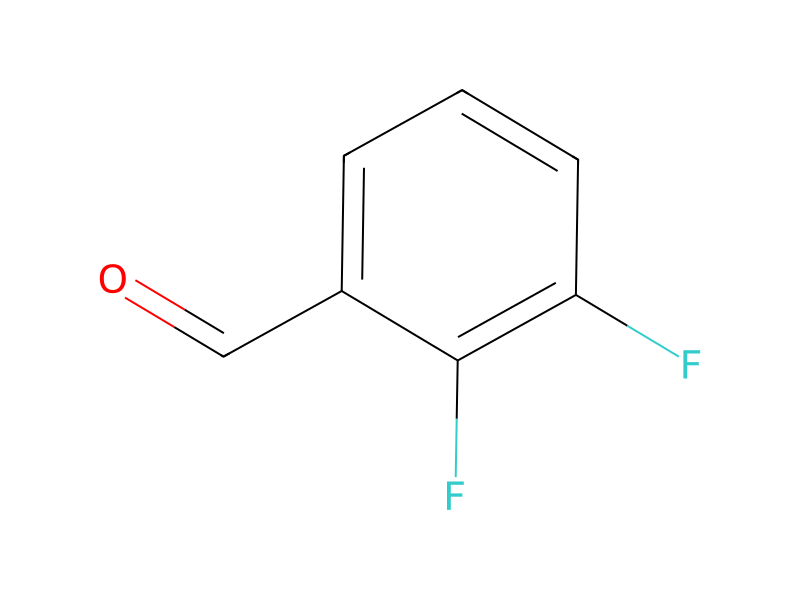
Grundinformationen
- Standard-SMILES
O=Cc1cccc(F)c1F- InChIKey
WDBAXYQUOZDFOJ-UHFFFAOYSA-N- Summenformel
- C7H4F2O
- Durchschnittliche Molmasse
- 142,1 g/mol
- Monoisotopische Masse
- 142,02302107
Namen und Bezeichner
- Bevorzugter Name
- 2,3-Difluorobenzaldehyde
- IUPAC
- 2,3-difluorobenzaldehyde
- Englischer Name
- 2,3-Difluorobenzaldehyde
- Summenformel
- C7H4F2O
- Molmasse
- 142.1
Namen und Synonyme
2,3-Difluorobenzaldehyde2646-91-5WDBAXYQUOZDFOJ-UHFFFAOYSA-DTXSID90181059RefChem:81642DTXCID50103550607-944-8InChI=1/C7H4F2O/c8-6-3-1-2-5(4-10)7(6)9/h1-4HWDBAXYQUOZDFOJ-UHFFFAOYSA-NBENZALDEHYDE, 2,3-DIFLUORO-MFCD000102922,3-difluoro-benzaldehyde
Weitere Namen anzeigen
TIMTEC-BB SBB0065722,3-Difluorobenzalde2,3-fluorobenzaldehyde2,5-DIFLUOROBENALDEHYDE2,3-Difluorobenzaldehyde>Benzaldehyde, 2,3-difluoro-2,3-Difluorobenzaldehyde 98%2,3-Difluorobenzaldehyde,98%2,3- twofluorobenzeneforMaldehyde
difluoro-benzaldehyde2,3 Difluorobenzaldehyde2,3-difluoro benzaldehydeSCHEMBL154794SCHEMBL357469SCHEMBL15067803SCHEMBL15067920SCHEMBL16395363
Datenbank-Bezeichner
- CAS
2646-91-5- PubChem CID
- 137664
- DTXSID
DTXSID90181059- EC Number
- 607-944-8
- Nikkaji
- J829.243D
Eigenschaften
Berechnete Struktureigenschaften
- XLogP
- 1,6
- Polarare Oberfläche (TPSA)
- 17,1 Ų
- H-Brücken-Donoren
- 0
- H-Brücken-Akzeptoren
- 3
- Frei drehbare Bindungen
- 1
- Schwere Atome
- 10
- Formalladung
- 0
- Komplexität
- 127
Physikochemische Eigenschaften
- Schmelzpunkt
- 64 · 64-65 °C
- Siedepunkt
- 64 · 64-65 °C/17 mmHg (lit.)
- Dichte
- 1.301 g/mL · 1.301 g/mL at 25 °C (lit.)
- Brechungsindex
- 20 · n20/D 1.499(lit.)
- Flammpunkt
- 137 °F · 137 °F
- storage temp.
- 2 · Inert atmosphere,2-8°C
- Aggregatzustand
- Liquid
- Wichte
- 1.301 · 1.301
- Farbe
- Clear pale yellow
- BRN
- 2961554 · 2961554
- InChI
- InChI=1S/C7H4F2O/c8-6-3-1-2-5(4-10)7(6)9/h1-4H
- InChIKey
- WDBAXYQUOZDFOJ-UHFFFAOYSA-N
- SMILES
- C(=O)C1=CC=CC(F)=C1F
- CAS Datenbank
- 2646 · 2646-91-5(CAS DataBase Reference)
Sicherheit und Regulatorisches
GHS-Klassifizierung
GHS Classification
Warning
H226 (98%): Flammable liquid and vapor [Warning Flammable liquids];H315 (100%): Causes skin irritation [Warning Skin corrosion/irritation];H319 (100%): Causes serious eye irritation [Warning Serious eye damage/eye irritation];H335 (98%): May cause respiratory irritation [Warning Specific target organ toxicity, single exposure; Respiratory tract irritation]
P210, P233, P240, P241, P242, P243, P261, P264, P264+P265, P271, P280, P302+P352, P303+P361+P353, P304+P340, P305+P351+P338, P319, P321, P332+P317, P337+P317, P362+P364, P370+P378, P403+P233, P403+P235, P405, and P501 (click each P-code to see the statement)
Aggregated GHS information provided per 50 reports by companies from 8 notifications to the ECHA C&L Inventory. Each notification may be associated with multiple companies.;Information may vary between notifications depending on impurities, additives, and other factors. The percentage value in parenthesis indicates the notified classification ratio from companies that provide hazard codes. Only hazard codes with percentage values above 10% are shown. For more detailed information, please visit ECHA C&L website.
Gefahrenhinweise
Hazard Classes and CategoriesFlam. Liq. 3 (98%);Skin Irrit. 2 (100%);Eye Irrit. 2 (100%);STOT SE 3 (98%)
Sicherheitsdaten
- wgk
- 3
- ridadr
- UN 1989 3/PG 3
- hs_code
- 29130000
- risk_code
- 36/37/38
- hazard_code
- Xi
- hazard_note
- Irritant
- safety_code
- 26-37/39-36/37
- hazard_class
- 3
- packing_group
- III
- Speicherklasse
- 3 - Flammable liquids
- Hazard Classifications
- Eye Irrit. 2Flam. Liq. 3Skin Irrit. 2STOT SE 3
Chemie und Industrie
Anwendungen
Verwenden2,3-Difluorobenzaldehyde was used in the synthesis of aminophosphine.
Vor- und nachgelagerte Produkte
Vorgelagerte Rohstoffe
Nachgelagerte Produkte
Anbieter50 Anbieter
梯希爱(上海)化成工业发展有限公司021-67121386 · [email protected]
上海阿拉丁生化科技股份有限公司400-6206333 13167063860 · [email protected]
上海策嵘生物科技有限公司[email protected]
爱斯特(成都)生物制药股份有限公司+86-28-85122536 85324413 · [email protected]
上海赫文斯化工有限公司15721252604 17321035817 · [email protected]
Dayang Chem (Hangzhou) Co.,Ltd.+86-0571-88938639 17705817739 · [email protected]
韶远科技(上海)有限公司021-50795510 4000665055 · [email protected]
科瑞迪化学400-821-5857 021-64326257 · [email protected]
上海迈瑞尔生化科技有限公司4006356688 18621169109 · [email protected]
阿法埃莎(中国)化学有限公司400-6106006 · [email protected]
安耐吉化学&3A(安徽泽升科技股份有限公司)400-0056266 · [email protected]
武汉凯威斯科技有限公司86-027-67849912 · [email protected]
Allfluoro Pharmaceutical Company Limited+86-400-0216110 +86-15958047586 · [email protected]
艾琪康医药科技(上海)有限公司13661411401 · [email protected]
上海瀚鸿科技股份有限公司021-54306202 13764082696 · [email protected]
上海相辉医药科技有限公司13761987713 · [email protected]
上海景颜化工科技有限公司13817811078 · [email protected]
上海泰坦科技股份有限公司400-6009262 15618770481 · [email protected]
上海隆盛化工有限公司58099637 13585536065 · [email protected]
Zhejiang J&C Biological Technology Co.,Limited+1-2135480471 · [email protected]
天津希恩思生化科技有限公司400 638 7771 · [email protected]
天津津御达化工科技有限公司022-58013646 13011382049 · [email protected]
苏州思变化学技术有限公司0512-65617459 18915409046 · [email protected]
赛默飞世尔科技(中国)有限公司800-810-5118 · [email protected]
上海特伯化学科技有限公司+86-21-60341587 · [email protected]
TCI AMERICA800-4238616 · [email protected]
TOKYO CHEMICAL INDUSTRY CO., LTD.03-36680489 · [email protected]
TCI Europe320-37350700 · [email protected]
上海贤鼎生物科技有限公司4009209199 · [email protected]
越林试剂021-62960152 · [email protected]
上海睿升化工科技有限公司+86-021-50935922
Clearsynth Labs Limited+91-22-26355700 · [email protected]
上海泽信化工科技有限公司021-60136491 15901897992
上海将来实业股份有限公司400-0066400 13621662912 · [email protected]
上海将来实业股份有限公司021-61552785 · [email protected]
上海毕得医药科技股份有限公司400-164-7117 18317119277 · [email protected]
Labnetwork lnc.+86-27-50766799 +86-18062016861 · [email protected]
上海石洋化工有限公司021-56795766 · [email protected]
成都零六生物科技有限公司400-1166-196 13458535857 · [email protected]
雷丁试剂0510-85629785 18013409632 · [email protected]
上海默达医药科技有限公司+86 (0)21 51320687 51371369 1744605818
上海马氏化学科技有限公司19916721580 · [email protected]
天津安浩生物科技有限公司[email protected]
上海纳谦化学科技有限公司13598610367 13598610367 · [email protected]
常州天瑞医药科技有限公司0519-85386832 13382812559 · [email protected]
江苏艾康生物医药研发有限公司025-66028182 17714375163 · [email protected]
Sigma-Aldrich西格玛奥德里奇(上海)贸易有限公司021-61415566 800-8193336 · [email protected]
诺尔凯立科技有限公司86-(0)21-31261262 373522135 · [email protected]
北京禾兴源科技有限公司18511709189 · [email protected]
成都润泽本土化工有限公司028-88469284 18000562381 · [email protected]
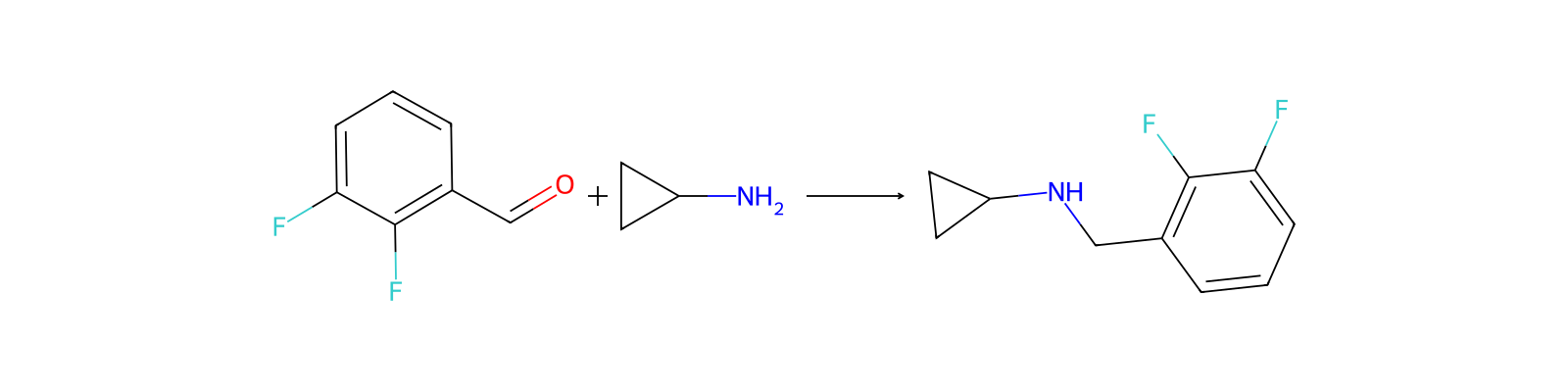
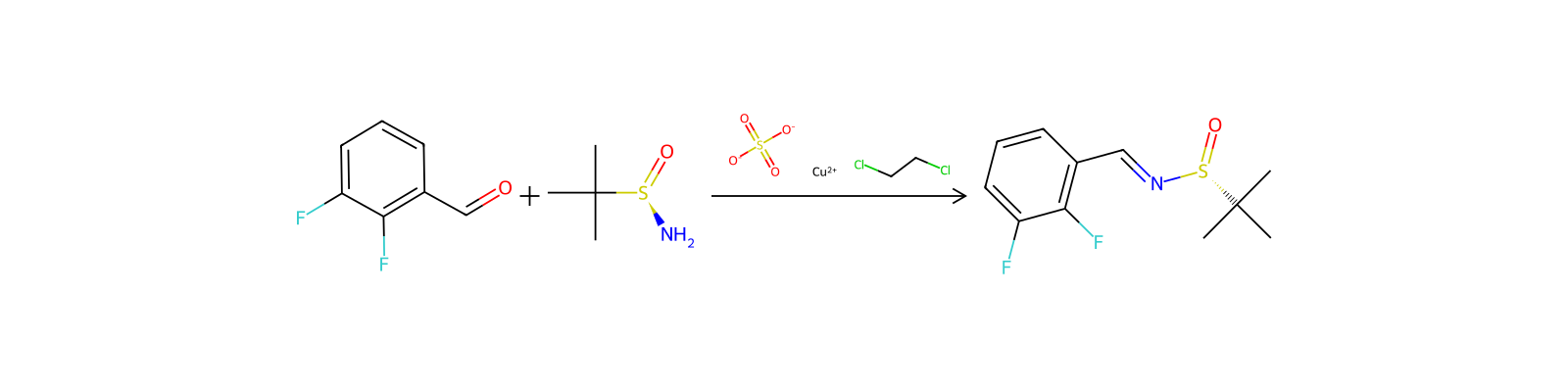
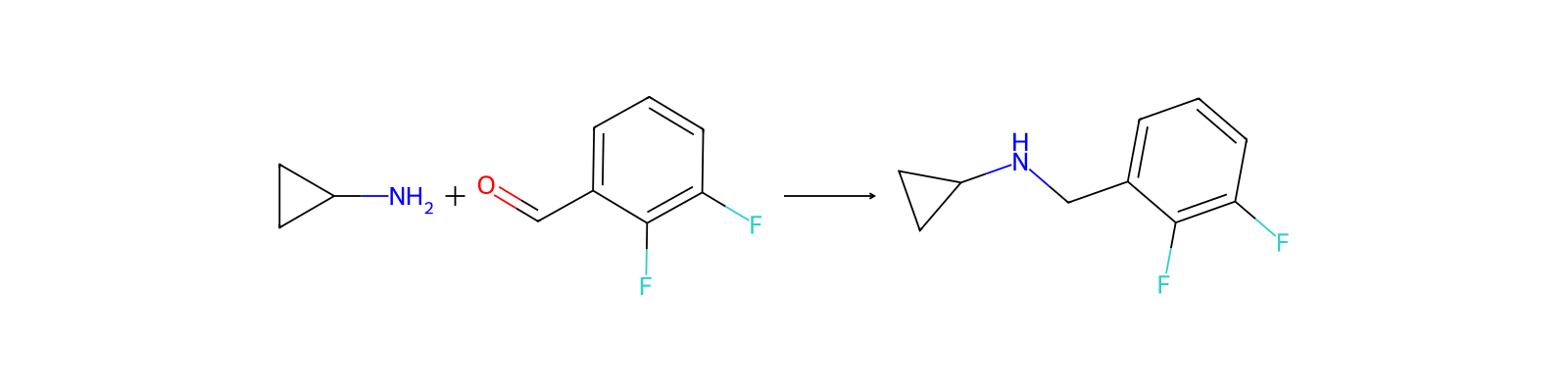
Zugehörige Reaktionen
57



Verknüpfte Notizen
Wird geladen…