

Grundinformationen
- Standard-SMILES
[N]=O- InChIKey
MWUXSHHQAYIFBG-UHFFFAOYSA-N- Summenformel
- NO
- Durchschnittliche Molmasse
- 30,006 g/mol
- Monoisotopische Masse
- 29,99798862
Namen und Bezeichner
- Bevorzugter Name
- Nitric Oxide
- IUPAC
- nitric oxide
- Lokaler Name
- Stickstoffmonoxid
- Englischer Name
- NITRIC OXIDE
- Summenformel
- NO*
- Molmasse
- 30.01
Namen und Synonyme
nitric oxidenitrogen monoxideMononitrogen monoxideINOmax10102-43-9Nitrosyl radicalAmidogen, oxo-Nitrogen oxide (NO)nitrogen monooxideNitric oxide trimerInoventoxyde nitrique
Weitere Namen anzeigen
NOnitricStickoxideNITRICMONOXIDEDIBROMOHEXAMIDINE ISETHIONATEoxo-amidogenitricoxide0
RCRA waste number P076Nitrogen(II) oxideEDRFGENOSYLDTXSID1020938OHM-1177131C4KY9ESHCHEBI:16480
Datenbank-Bezeichner
- CAS
10102-43-9、90880-94-7- PubChem CID
- 145068
- DTXSID
DTXSID1020938- ChEMBL
CHEMBL1200689- ChEBI
CHEBI:16480- UNII
- 31C4KY9ESH
- EC Number
- 233-271-0
- Nikkaji
- J1.313.254B、J415.432K
Eigenschaften
Berechnete Struktureigenschaften
- XLogP
- 0,2
- Polarare Oberfläche (TPSA)
- 18,1 Ų
- H-Brücken-Donoren
- 0
- H-Brücken-Akzeptoren
- 1
- Frei drehbare Bindungen
- 0
- Schwere Atome
- 2
- Formalladung
- 0
- Komplexität
- 2
Experimentelle und physikochemische Eigenschaften
LogP0
OdorSharp, sweet odor
Density
1.27 at -238.36 °F (EPA, 1998) - Denser than water; will sink
1.27 AT -150.2 °C, LIQ
1.27 at -238.36 °
1.226 @25 °C
1.04(relative gas density)
Viscosity0.0188 cP at 25 °C @ 101.325 KPa (gas)
Color/Form
COLORLESS GAS; BLUE LIQ
BLUISH-WHITE SNOW WHEN SOLID
Brown at high concn in air
Solubility
5 % (NIOSH, 2024)
94900
7.38 ml/ 100 ml water at 0 °C; 4.6 ml/ 100 ml water at 20 °C; 2.37 ml/ 100 ml water at 60 °C
3.4 CC/100 CC SULFURIC ACID
26.6 CC/100 CC ALCOHOL
SOL IN CARBON DISULFIDE, IRON SULFATE
Boiling Point
-241.1 °F at 760 mmHg (EPA, 1998)
-151.7
-151.74 °C
-151.8 °C
-241 °F
-151.74 °C @760 [mm Hg]
DecompositionWHEN HEATED TO DECOMP, IT EMITS HIGHLY TOXIC FUMES OF /NITROGEN OXIDES/ ... .
Melting Point
-262.5 °F (EPA, 1998)
-163.6
-163.6 °C
-163.6 °C
-163.6 °C
-263 °F
Vapor Density
1.04 (EPA, 1998) - Heavier than air; will sink (Relative to Air)
1.04 (AIR= 1)
Relative vapor density (air = 1): 1.04
1.04
Odor Threshold
Odor Threshold Low: 0.29 [ppm];Odor Threshold High: 0.97 [ppm];Odor thresholds from HSDB
Low odor threshold 0.3600 mg/cu m; High odor threshold 1.2000 mg/cu m
Vapor Pressure
26000 mmHg at 68 °F (EPA, 1998)
45600 MM HG AT -94.8 °C
34.2 atm
750 [mm Hg] @-151.9 °C
34.2 atm
Physikochemische Eigenschaften
- Schmelzpunkt
- 163.6 °C · −163.6 °C(lit.)
- Siedepunkt
- 151.7 °C · −151.7 °C(lit.)
- Dichte
- -150.2 · d-150.2 (liq) 1.27; Relative d (gas) 1.036 (air = 1); Absolute d (gas) 1.227 (air = 1)
- Dampfdichte
- 1.05 · 1.05 (vs air)
- Brechungsindex
- 25 · nD25 1.0002697
- Löslichkeit
- 20 °C · At 20 °C and at a pressure of 101 kPa, 1 volume dissolves in about 21 volumes of water.
- Aggregatzustand
- colorless gas
- Farbe
- colorless
- Wasserlöslichkeit
- 2 O · slightly soluble H2O [HAW93]
- Spezifische Wärmekapazität
- 1 J/ · Cp(gas): 1 J/(g·K), at 25℃
- Merck
- 13 · 13,6611
- Henry's Law Constant
- 1.9 · 1.9×10-5 mol/(m3Pa) at 25℃, Warneck and Williams (2012)
- Stabilität
- Spontaneously reacts with oxygen in air to yield brown nitrogen dioxide. Reacts violently or explosively with ammonia and many organic materials.
- InChI
- 1S/NO/c1-2
- InChIKey
- MWUXSHHQAYIFBG-UHFFFAOYSA-N
- SMILES
- [N]=O
- CAS Datenbank
- 10102 · 10102-43-9(CAS DataBase Reference)
- EPA chemische Informationen
- Nitric oxide (10102-43-9)
Sicherheit und Regulatorisches
GHS-Klassifizierung
GHS Classification
Danger
H270 (100%): May cause or intensify fire; oxidizer [Danger Oxidizing gases];H280 (87.4%): Contains gas under pressure; may explode if heated [Warning Gases under pressure];H314 (100%): Causes severe skin burns and eye damage [Danger Skin corrosion/irritation];H318 (37.5%): Causes serious eye damage [Danger Serious eye damage/eye irritation];H330 (87.4%): Fatal if inhaled [Danger Acute toxicity, inhalation];H331 (12.6%): Toxic if inhaled [Danger Acute toxicity, inhalation];H373 (34.6%): May causes damage to organs through prolonged or repeated exposure [Warning Specific target organ toxicity, repeated exposure]
P220, P244, P260, P261, P264, P264+P265, P271, P280, P284, P301+P330+P331, P302+P361+P354, P304+P340, P305+P354+P338, P316, P317, P319, P320, P321, P363, P370+P376, P403, P403+P233, P405, P410+P403, and P501 (click each P-code to see the statement)
Aggregated GHS information provided per 301 reports by companies from 6 notifications to the ECHA C&L Inventory. Each notification may be associated with multiple companies.;Information may vary between notifications depending on impurities, additives, and other factors. The percentage value in parenthesis indicates the notified classification ratio from companies that provide hazard codes. Only hazard codes with percentage values above 10% are shown. For more detailed information, please visit ECHA C&L website.
Gefahrenhinweise
Hazards IdentificationToxic/poison by inhalation (TIH/PIH)
Regulatory Information
Chemical: Nitrogen oxide (NO)
Status: Active Update: 15-11-2021 https://echa.europa.eu/registration-dossier/-/registered-dossier/24163
Nitric oxide: HSNO Approval: HSR001063 Approved with controls
The New Jersey Worker and Community Right to Know Act requires public and private employers to provide information about hazardous substances at their workplaces. (N.J.S.A. 34:5A-1 et. seq.)
Other Safety InformationIMAP assessments - Nitrogen oxide (NO): Human health tier I assessment;IMAP assessments - Nitrogen oxide (NO): Environment tier I assessment
DOT LabelPoison Gas Oxidizer Corrosive
Fire Hazards
Burns only when heated with hydrogen. With carbon disulfide, it reacts explosively with emission of light. When mixed with chlorine monoxide, can be explosive. Explodes on contact with nitrogen trichloride. When mixed with ozone, it will explode. Will react with water or steam to produce heat and corrosive fumes. Reacts vigorously with reducing materials. When heated to decomposition, highly toxic fumes of nitrogen oxides are emitted. May ignite other combustible materials (wood, paper, oil, etc.). Mixture with fuels may explode. Container may explode in heat of fire. Vapor explosion and poison hazard indoors, outdoors or in sewers. Reacts with oxygen to form poisonous nitrogen dioxide. Avoid storing in direct sunlight, or areas of high fire hazard.;Incompatible with aluminum, boron, carbon disulfide, hypochlorite, chromium, fluorine, fuels, hydrocarbons, nitrogen trichloride, ozone, phosphorus, uns-dimethyl hydrazine, uranium, acetic anhydride, ammonia, barium oxide, boron trichloride, methyl chloride, 1,2-dichloroethane, dichloroethylene, ethylene, iron, magnesium, manganese, olefins, potassium, propylene, sodium, sulfur, trichloroethylene, 1,1,1-trichloroethane, uns-tetrachloroethaneand reducing agents. (EPA, 1998)
· Substance does not burn but will support combustion.;· Vapors from liquefied gas are initially heavier than air and spread along ground.;· These are strong oxidizers and will react vigorously or explosively with many materials including fuels.;· May ignite combustibles (wood, paper, oil, clothing, etc.).;· Some will react violently with air, moist air and/or water.;· Cylinders exposed to fire may vent and release toxic and/or corrosive gas through pressure relief devices.;· Containers may explode when heated.;· Ruptured cylinders may rocket.
Not combustible but enhances combustion of other substances.
Fire PotentialBURNS ONLY WHEN HEATED WITH HYDROGEN
Health Hazards
Can cause death or permanent injury after a very short exposure to small quantities. Irritant of eyes, nose, throat; can cause unconsciousness. Nitric oxide forms acids in the respiratory system which are irritating and cause congestion in the lungs. Concentrations of 60-150 ppm cause immediate irritation of the nose and throat with coughing and burning in the throat and chest. 6-24 hours after exposure, labored breathing and unconsciousness may result. Concentrations of 100-150 ppm are dangerous for short exposure of 30-60 minutes. Concentrations of 200-700 ppm may be fatal after very short exposure. (EPA, 1998)
· TOXIC and/or CORROSIVE; may be fatal if inhaled or absorbed through skin.;· Fire will produce irritating, corrosive and/or toxic gases.;· Contact with gas or liquefied gas may cause burns, severe injury and/or frostbite.;· Runoff from fire control or dilution water may cause environmental contamination.
Hazards Summary
Nitrogen oxides are a mixture of gases that are composed of nitrogen and oxygen. Two of the most toxicologically significant nitrogen oxides are nitric oxide and nitrogen dioxide; both are nonflammable and colorless to brown at room temperature. Nitric oxide is a sharp sweet-smelling gas at room temperature, whereas nitrogen dioxide has a strong, harsh odor and is a liquid at room temperature, becoming a reddish-brown gas above 70°F. Nitrogen oxides are released to the air from the exhaust of motor vehicles, the burning of coal, oil, or natural gas, and during processes such as arc welding, electroplating, engraving, and dynamite blasting. They are also produced commercially by reacting nitric acid with metals or cellulose. Nitrogen oxides are used in the production of nitric acid, lacquers, dyes, and other chemicals. Nitrogen oxides are also used in rocket fuels, nitration of organic chemicals, and the manufacture of explosives.
Unlike NO2, NO diffuses into the blood without injuring lung tissue. Methemoglobinemia has been reported in workers exposed to concentrations above 10 ppm. [Rom, p. 1476] Methemoglobinemia has been reported in patients who received nitrous oxide contaminated with 1.5% nitric oxide. Listed in the table Examples of Industrial Chemicals for Which Methemoglobin Formation is NOT the Principal Cause of Toxicity; [ACGIH] Nitric oxide can induce methemoglobinemia. NO by itself is nonirritating, but it is usually accompanied by NO2 and other irritating nitrogen oxides. Nitrogen oxides in high concentrations cause delayed pulmonary edema. [ATSDR Medical Management]
DOT ID and Guide
1660 124
1660 124
Reactive GroupOxidizing Agents, Strong
UN ClassificationUN Hazard Class: 2.3; UN Subsidiary Risks: 5.1 and 8
Special Reports
Environment Canada; Tech Info for Problem Spills: Nitric Acid (Draft) (1985).
USEPA; Draft Criteria Document: Oxides of Nitrogen (1983).
Sicherheit und Schutzausrüstung
Fire Fighting
Wear positive pressure breathing apparatus and full protective clothing. Move container from fire area if you can do so without risk. Stay away from ends of tanks. Spray cooling water on containers that are exposed to flames until well after fire is out. For massive fire in cargo area, use unmanned hose holder or monitor nozzles; if this is impossible, withdraw from area and let fire burn.;For small fires, use dry chemical or carbon dioxide. For large fires, use water spray, fog, or foam. (EPA, 1998)
In case of fire in the surroundings, use appropriate extinguishing media. In case of fire: keep cylinder cool by spraying with water. Combat fire from a sheltered position.
First Aid Measures
Fresh air, rest.
First rinse with plenty of water for several minutes (remove contact lenses if easily possible), then refer for medical attention.
Accidental Release Measures
· CALL 911. Then call emergency response telephone number on shipping paper. If shipping paper not available or no answer, refer to appropriate telephone number listed on the inside back cover.;· Keep unauthorized personnel away.;· Stay upwind, uphill and/or upstream.;· Many gases are heavier than air and will spread along the ground and collect in low or confined areas (sewers, basements, tanks, etc.).;· Ventilate closed spaces before entering, but only if properly trained and equipped.
· Do not touch or walk through spilled material.;· Keep combustibles (wood, paper, oil, etc.) away from spilled material.;· Stop leak if you can do it without risk.;· Use water spray to reduce vapors or divert vapor cloud drift. Avoid allowing water runoff to contact spilled material.;· Do not direct water at spill or source of leak.;· If possible, turn leaking containers so that gas escapes rather than liquid.;· Prevent entry into waterways, sewers, basements or confined areas.;· Isolate area until gas has dispersed.;· Ventilate the area.
First Aid
Warning: Can cause permanent injury after very short exposure to small quantities. Delayed pulmonary edema can occur even following minimal early symptoms. Caution is advised.;Signs and Symptoms of Nitric Oxide Exposure: Acute exposure to nitric oxide may result in changes of the pulmonary system including pulmonary edema, pneumonitis, bronchitis, bronchiolitis and emphysema. Mild or violent coughing, hyperpnea (rapid, deep breathing), and dyspnea (difficult or labored breathing) may occur. Fatigue, drowsiness, restlessness, anxiety, mental confusion, nausea and abdominal pain may be seen. Also weak rapid pulse, dilated heart, circulatory collapse, and loss of consciousness may be noted.;Emergency Life-Support Procedures: Acute exposure to nitric oxide may require decontamination and life support for the victims. Emergency personnel should wear protective clothing appropriate to the type and degree of contamination. Air-purifying or supplied-air respiratory equipment should also be worn, as necessary. Rescue vehicles should carry supplies such as plastic sheeting and disposable plastic bags to assist in preventing spread of contamination.;Inhalation Exposure:;1. Move victims to fresh air. Emergency personnel should avoid self-exposure to nitric oxide.;2. Evaluate vital signs including pulse and respiratory rate, and note any trauma. If no pulse is detected, provide CPR. If not breathing, provide artificial respiration. If breathing is labored, administer 100% humidified oxygen or other respiratory support.;3. Obtain authorization and/or further instructions from the local hospital for performance of other invasive procedures.;4. Rush to a health care facility.;Dermal/Eye Exposure:;1. Remove victims from exposure. Emergency personnel should avoid self-exposure to nitric oxide.;2. Evaluate vital signs including pulse and respiratory rate, and note any trauma. If no pulse is detected, provide CPR. If not breathing, provide artificial respiration. If breathing is labored, administer 100% humidified oxygen or other respiratory support.;3. If eye exposure has occurred, eyes must be flushed with lukewarm water for at least 15 minutes.;4. Obtain authorization and/or further instructions from the local hospital for performance of other invasive procedures.;5. Rush to a health care facility.;Ingestion Exposure:;Note: Ingestion of nitric oxide gas is not expected to be a significant route of exposure.;1. Evaluate vital signs including pulse and respiratory rate, and note any trauma. If no pulse is detected, provide CPR. If not breathing, provide artificial respiration. If breathing is labored, administer 100% humidified oxygen or other respiratory support.;2. Obtain authorization and/or further instructions from the local hospital for performance of other invasive procedures.;3. Rush to a health care facility. (EPA, 1998)
General First Aid:;· Call 911 or emergency medical service.;· Ensure that medical personnel are aware of the material(s) involved, take precautions to protect themselves and avoid contamination.;· Move victim to fresh air if it can be done safely.;· Administer oxygen if breathing is difficult.;· If victim is not breathing:;-- DO NOT perform mouth-to-mouth resuscitation; the victim may have ingested or inhaled the substance.;-- If equipped and pulse detected, wash face and mouth, then give artificial respiration using a proper respiratory medical device (bag-valve mask, pocket mask equipped with a one-way valve or other device).;-- If no pulse detected or no respiratory medical device available, provide continuous compressions. Conduct a pulse check every two minutes or monitor for any signs of spontaneous respirations.;· Remove and isolate contaminated clothing and shoes.;· For minor skin contact, avoid spreading material on unaffected skin.;· In case of contact with substance, remove immediately by flushing skin or eyes with running water for at least 20 minutes.;· For severe burns, immediate medical attention is required.;· Effects of exposure (inhalation, ingestion, or skin contact) to substance may be delayed.;· Keep victim calm and warm.;· Keep victim under observation.;· For further assistance, contact your local Poison Control Center.;· Note: Basic Life Support (BLS) and Advanced Life Support (ALS) should be done by trained professionals.;Specific First Aid:;· Clothing frozen to the skin should be thawed before being removed.
(General first aid procedures);Breathing: Respiratory support
Safe StorageFireproof if in building. Keep in a well-ventilated room.
Exposure Control and Personal Protection
· Wear positive pressure self-contained breathing apparatus (SCBA).;· Wear chemical protective clothing that is specifically recommended by the manufacturer when there is NO RISK OF FIRE.;· Structural firefighters' protective clothing provides thermal protection but only limited chemical protection.
Biological Exposure Indices (BEI) [ACGIH] - Methemoglobin in blood = 1.5% of hemoglobin during or at end of shift. [ACGIH];TIH (Toxic Inhalation Hazard) - Term used to describe gases and volatile liquids that are toxic when inhaled. Some are TIH materials themselves, e.g., chlorine, and some release TIH gases when spilled in water, e.g., chlorosilanes. [ERG 2016].
0.5 [ppm]
Storage Conditions
IN GENERAL, MATERIALS WHICH ARE TOXIC AS STORED OR WHICH CAN DECOMP INTO TOXIC COMPONENTS ... SHOULD BE STORED IN A COOL, WELL-VENTILATED PLACE, OUT OF DIRECT RAYS OF SUN, AWAY FROM AREAS OF HIGH FIRE HAZARD, & SHOULD BE PERIODICALLY INSPECTED ... INCOMPATIBLE MATERIALS SHOULD BE ISOLATED ... .
Cleanup Methods1) VENTILATE AREA OF LEAK OR RELEASE TO DISPERSE GAS. 2) STOP FLOW OF GAS. IF SOURCE ... IS CYLINDER & LEAK CANNOT BE STOPPED IN PLACE, REMOVE ... CYLINDER TO SAFE PLACE IN OPEN AIR, & REPAIR LEAK OR ALLOW ... TO EMPTY.
Nonfire Spill Response
Excerpt from ERG Guide 124 [Gases - Toxic and/or Corrosive - Oxidizing]:;Do not touch or walk through spilled material. Keep combustibles (wood, paper, oil, etc.) away from spilled material. Stop leak if you can do it without risk. Use water spray to reduce vapors or divert vapor cloud drift. Avoid allowing water runoff to contact spilled material. Do not direct water at spill or source of leak. If possible, turn leaking containers so that gas escapes rather than liquid. Prevent entry into waterways, sewers, basements or confined areas. Isolate area until gas has dispersed. Ventilate the area. (ERG, 2024)
Disposal Methods
Generators of waste (equal to or greater than 100 kg/mo) containing this contaminant, EPA hazardous waste number P076, must conform with USEPA regulations in storage, transportation, treatment and disposal of waste.
Nitric oxide is a poor candidate for incineration.
Spillage DisposalPersonal protection: gas-tight chemical protection suit including self-contained breathing apparatus. Shut off cylinder if possible. Isolate the area until the gas has dispersed.
Preventive Measures
SRP: Local exhaust ventilation should be applied wherever there is an incidence of point source emmissions or dispersion of regulated contaminants in the work area. Ventilation control of the contaminant as close to its point of generation is both the most economical and safest method to minimize personnel exposure to airborne contaminants.
SRP: The scientific literature for the use of contact lenses in industry is conflicting. The benefit or detrimental effects of wearing contact lenses depend not only upon the substance, but also on factors including the form of the substance, characteristics and duration of the exposure, the uses of other eye protection equipment, and the hygiene of the lenses. However, there may be individual substances whose irritating or corrosive properties are such that the wearing of contact lenses would be harmful to the eye. In those specific cases, contact lenses should not be worn. In any event, the usual eye protection equipment should be worn even when contact lenses are in place.
Toxikologische Informationen
Interactions
Nitric oxide (NO) is produced both by macrophages in vivo as a physiological response to infection and by a variety of cell types as an intercellular messenger. In addition, NO and nitrogen dioxide (NO2) are significant components of many combustion processes. The ubiquitous exposure of humans to nitrogen oxides (NOx), both endogenously and exogenously, may play a significant role in the carcinogenic process due to nitrosation of amines by NOx. We report here that exposure to low concentrations of NO, alone or in combination with NO2, results in significantly enhanced mutation in Salmonella typhimurium TA1535 using a modified Ames Salmonella reversion assay. The observed mutagenicity requires that the bacteria be actively dividing at the time of exposure to NO or NO2, suggesting that the nitrogen oxides, or their reaction products, function as direct-acting mutagens and that the induced lesion is easily repairable by non-dividing cells. Exposure to NO resulted in a time- and dose-dependent increase in the number of revertants approximately proportional to the square of the NO concentration from 0 to 20 ppm. NO was a more effective mutagen relative to NO2, however, the observed requirement for O2 suggests limited oxidation of NO (presumably to NO2) is necessary. Numerous lipid- and aqueous-phase inhibitors of nitrosation, as well as a number of other general antioxidants and free-radical trapping agents, were examined for their effectiveness in blocking the mutagenic effects of NO. The mutagenic activity of NO was most effectively inhibited by beta-carotene and tocopherols. BHT, dimethyl sulfoxide and mannitol also blocked the mutagenic effects of NOx but appeared less effective than beta-carotene or vitamin E, while ascorbate was ineffective as an inhibitor of mutation resulting from NO exposure.
... THE MECHANISM OF NITRIC OXIDE INTOXICATION SUGGESTS THAT IN MIXTURES WITH CARBON MONOXIDE, AS WELL AS NITROGEN DIOXIDE, ADDITIVE EFFECTS SHOULD BE ASSUMED.
The effects of nitric oxide (NO) and carbon monoxide on discrimination learning and brain activity were studied in rats. Male Long-Evans rats surgically instrumented with prefrontal and parietal electroencephalographic electrodes were exposed to 0, 100, or 500 ppm carbon monoxide or 10 or 50 ppm NO alone or in combination for 180 min. Effects on behavior (lever press task) and response to auditory stimulation were examined. Response to auditory stimulation was assessed by recording auditory evoked potentials. At the end of exposure, the rats were killed and blood carboxyhemoglobin and methemoglobin were determined. There was no significant difference between blood auditory evoked potential concn after exposure to 100 or 500 ppm carbon monoxide or 100 or 500 ppm carbon monoxide plus 10 or 50 ppm NO. Methemoglobin concn were significantly higher after exposure to 10 ppm NO plus 100 ppm carbon monoxide than after 10 ppm NO alone. Exposure to 50 ppm NO reduced the number of correct trials and the total number of lever presses significantly. Exposure to 500 ppm carbon monoxide decr the number of correct trials nonsignificantly and the total number of lever presses significantly. Combined carbon monoxide and NO exposure caused synergistic decr in number of correct trials and total number of trials. Carbon monoxide or NO caused increased amplitudes and prolonged latencies in early auditory evoked potential peaks. NO prolonged the latency of late auditory evoked potential peaks. Carbon monoxide incr the amplitude of the N150 peak, whereas NO decr its amplitude. The 10 ppm NO plus 100 ppm carbon monoxide exposure induced a combination effect that was less than additive. The 50 ppm NO plus 500 ppm carbon monoxide exposure induced an additive or synergistic effect on auditory evoked potential peak response. /It was concluded/ that NO plays a dominant role during intoxication with NO and carbon monoxide.
It as shown that preincubation of pancreatic islet cells with alpha-tocopherol significantly improves their resistance to toxic doses of nitric oxide. No protection was afforded by other antioxidants such as vitamin C or glutathione-monoethyl ester. The pathway of NO induced islet cell death involves DNA damage and excessive activation of poly(ADP-ribose)polymerase leading to irreversible depletion of intracellular NAD+. alpha-Tocopherol was found to interfere at early steps of this pathway, by preventing the occurrence of DNA strand breaks. This indicates that alpha-tocopherol directly interacts with nitric oxide or its reactive intermediates. Alpha-tocopherol is not only part of the cellular defence system against oxygen radicals but also protects eukaryotic cells from nitric oxide toxicity.
Target OrgansEyes, skin, respiratory system, blood, central nervous system
Environmental Fate
NITRIC OXIDE IS CONVERTED SPONTANEOUSLY IN AIR TO NITROGEN DIOXIDE, HENCE SOME OF LATTER GAS IS INVARIABLY PRESENT WHENEVER NITRIC OXIDE IS FOUND IN AIR. AT CONCN BELOW 50 PPM ... THIS REACTION IS SLOW ... & FREQUENTLY SUBSTANTIAL CONCN ... MAY OCCUR WITH NEGLIGIBLE QUANTITIES OF NITROGEN DIOXIDE ... .
PHOTOCHEMICAL AIR POLLUTION ARISES FROM A SERIES OF ATMOSPHERIC REACTIONS. THE MAIN COMPONENTS ARE OZONE, OXIDES OF NITROGEN, ALDEHYDES, PEROXYACETYL NITRATES, AND HYDROCARBONS. ... THEY ENTER INTO THE CHEMICAL REACTIONS THAT LEAD TO FORMATION OF PHOTOCHEMICAL SMOG. /OXIDES OF NITROGEN/
Adverse Effects
Methemoglobinemia - The presence of increased methemoglobin in the blood; the compound is classified as secondary toxic effect;Toxic Pneumonitis - Inflammation of the lungs induced by inhalation of metal fumes or toxic gases and vapors.
iNO's adverse effects are primarily dose-dependent, and the recommended limit for clinical use is 20 ppm for up to 14 days in a preterm infant. However, even low doses may exert cellular toxicity. Infants who received iNO and ventilation for PPHN for 1 to 4 days showed nitrotyrosine residues within their lungs, indicating potential long-term pulmonary complications. Clinical doses of iNO have also exhibited adverse effects. Infants weaning from nitric oxide, when it was withdrawn rapidly, suffered from severe rebound pulmonary vasospasm, most likely due to the actions of exogenous nitric oxide downregulating nitric oxide synthase activity.;NO can also rapidly interact with other atoms or anions to facilitate damage. It can combine with oxygen in the lungs to form nitrogen dioxide, a potent pulmonary irritant. Additionally, it can interact with a superoxide anion to form peroxynitrite. Peroxynitrite is cytogenic and can disrupt surfactant functioning within the lungs.;Clinical adverse effects of iNO include the following:;* Worsening heart failure;* Hypotension;* Pulmonary vasospasm;* Methemoglobinemia: The risk of methemoglobinemia increases with the simultaneous use of the eutectic mixture of local anesthetics. (EMLA-Lidocaine/Prilocaine)
Exposure Routes
The substance can be absorbed into the body by inhalation.
inhalation
Toxicity Summary
IDENTIFICATION: Nitric oxide is a colorless, odorless gas that is only slightly soluble in water. The main sources of nitrogen oxides (including nitric oxide) emissions are combustion processes. Fossil fuel power stations, motor vehicles and domestic combustion appliances emit nitrogen oxides, mostly in the form of nitric oxide. Nitric oxide can be present at significant concentrations in ambient air and in indoor air. HUMAN EXPOSURE: Human exposure to nitrogen oxides varies from indoors to outdoors, from cities to the countryside, and with the time of day and season. Nitric oxide is readily oxidized to nitrogen dioxide and peroxidation then occurs. Because of the concurrent exposure to some nitrogen dioxide in nitric oxide exposures, it is difficult to discriminate nitric oxide effects from nitrogen dioxide. Nitric oxide functions as an intracellular second messenger modulating a wide variety of essential enzymes, and it inhibits its own production (e.g., negative feedback). Nitric oxide activates guanylate cyclase which in turn increases intracellular cGMP levels. Nitric oxide is acknowledged as an important endogenous second messenger within several organ systems. At certain levels, inhaled nitric oxide concentrations can cause vasodilation in the pulmonary circulation without affecting the systemic circulation. The lowest effective concentration is not established. Information on pulmonary function and lung host defenses consequent to nitric oxide exposure are too limited for any conclusions to be drawn. Relatively high concentrations have been used in clinical applications for brief periods without reported adverse effects. ANIMAL STUDIES: The toxicological database for nitric oxide is small, relative to nitrogen dioxide. It is often difficult to obtain pure nitric oxide in air without some contamination with nitrogen dioxide. Endogenous nitric oxide synthesis occurs by nitric oxide formation from physiological substrate in cells of many of the organ systems su
In animal primary neuronal cell cultures, excess nitric oxide is partially responsible for glutamate neurotoxicity. These glutamate derangements affect neurodegenerative disorders, including stroke, epilepsy, Alzheimer's disease, amyotrophic lateral sclerosis, and Huntington's disease. However, it is more likely that these neurotoxic mechanisms are subject to mediation through peroxynitrite, the product of an NO and superoxide anion reaction. Peroxynitrite and excess oxygen free radicals can be generated from severe cellular damage and cross the blood-brain barrier as lipid-soluble products accumulate within neuronal tissue. The newer FDA-approved iNO delivery system limits the toxicity of nitric oxide by delivering a controlled level of nitric oxide with oxygen.
Signs and Symptoms
Cough. Shortness of breath.
Redness.
irritation eyes, wet skin, nose, throat; drowsiness, unconsciousness; methemoglobinemia
EPA IRIS InformationNitric oxide
Medical SurveillanceConsider the points of attack, /respiratory system, lung/ in preplacement and periodic physical examination.
Atmospheric ConcentrationsIN TERMS OF AMT OF MATERIAL EMITTED ANNUALLY INTO AIR, FIVE MAJOR POLLUTANTS ACCOUNT FOR CLOSE TO 98% OF POLLUTION. ... NITROGEN OXIDES (6%). /NITROGEN OXIDES/
Human Toxicity Excerpts
CHIEF TOXIC EFFECT ... ASCRIBED TO FORMATION OF METHEMOGLOBIN & SUBSEQUENT ACTION ON CNS.
SYMPTOMATOLOGY: 1. Usually no symptoms occur at the time of exposure, with the exception of a slight cough and perhaps fatigue and nausea. Exposure to low concn may result in impaired pulmonary defense mechanisms (macrophages, cilia) with complications. ... 2. Only very concn nitrous fumes produce prompt coughing, choking, headache, nausea, abdominal pain, and dyspnea (tightness and burning pain in the chest). 3. A symptom-free period follows exposure and lasts for 5-72 hr. 4. Fatigue, uneasiness, restlessness, cough, hyperpnea, and dyspnea appear insidiously, as the adult respiratory distress syndrome gradually develops. /Nitrogen oxides/
SYMPTOMATOLOGY: 5. Increasingly rapid and shallow respirations, cyanosis, mild or violent coughing with frothy expectoration and physical signs of pulmonary edema (for example rales and rhonchi). The vital capacity is rapidly reduced. A serous exudate may develop in the pleural cavity, but its volume is usually small. 6. Anxiety, mental confusion, lethary and finally loss of consciousness. 7. A weak, rapid pulse, dilated heart, venous congestion, intense cyanosis and severe hemoconcentration. Circulatory collapse is secondary to anoxia and hemoconcentration. 8. An asphyxial death due to blockade of gas exchange in the lungs. Death commonly occurs within a few hours after the first evidence of pulmonary edema. /Nitrogen oxides/
SYMPTOMATOLOGY: 9. Sometimes a second acute phase follows the initial pulmonary reaction after a quiescent period of several weeks. Cough, tachypnea, dyspnea, fever, tachycardia and cyanosis at this stage are usually due to bronchiolitis obliterans. The relapse may be abrupt and fulminating, leading either to death or a slow convalescence. 10. In nonfatal cases, convalescence may be complicated by infectious bronchitis, bronchiolitis obliterans, pneumonia and general asthenia. Rarely diffuse pulmonary fibrosis may develop. /Nitrogen oxides/
For more Human Toxicity Excerpts (Complete) data for NITRIC OXIDE (11 total), please visit the HSDB record page.
Artificial Pollution Sources
MAIN SOURCE OF URBAN NITRIC OXIDE ... IS COMBUSTION OF FOSSIL FUELS. ESCAPE OF ... GASES FROM INDUSTRIAL PROCESSES WHERE NITRIC OXIDE IS MADE OR USED, OR FROM FERTILIZER OR EXPLOSIVE FACTORIES, CAN BE IMPORTANT IN LOCAL AREA & IN PLANTS THEMSELVES. IN GENERAL, HIGHER COMBUSTION TEMP YIELD MORE NITROGEN OXIDES.
IN MOST URBAN AREAS THE CAR IS SINGLE LARGEST PRODUCER OF NITRIC OXIDE, WHICH MOVES SO RAPIDLY FROM ENGINE CYLINDER TO COOLER EXHAUST PIPES THAT IT IS PREVENTED FROM DECOMP ...
Volatile organics and nitrogen oxides are emitted by transportation and industrial sources. Oxides of nitrogen are emitted in the combustion of fossil fuels. /Nitrogen oxides/
... RELEASED IN REACTION BETWEEN NITRIC ACID & ANY ORG MATERIAL; IN EXHAUST FROM METAL CLEANING ... FROM ELECTRIC ARC WELDING; IN ELECTROPLATING, ENGRAVING, & PHOTOGRAVURE OPERATIONS; IN DYNAMITE BLASTING ... IN DIESEL ENGINE EXHAUST; IN BURNING OF NITROCELLULOSE ... & IN COMBUSTION OF SOME SHOE POLISHES. /NITROGEN OXIDES/
Regulatorische Informationen
Regulatory Information
Chemical: Nitrogen oxide (NO)
Status: Active Update: 15-11-2021 https://echa.europa.eu/registration-dossier/-/registered-dossier/24163
Nitric oxide: HSNO Approval: HSR001063 Approved with controls
The New Jersey Worker and Community Right to Know Act requires public and private employers to provide information about hazardous substances at their workplaces. (N.J.S.A. 34:5A-1 et. seq.)
RCRA Requirements
P076; As stipulated in 40 CFR 261.33, when nitric oxide, as a commercial chemical product or manufacturing chemical intermediate or an off-specification commercial chemical product or a manufacturing chemical intermediate, becomes a waste, it must be managed according to federal and/or state hazardous waste regulations. Also defined as a hazardous waste is any container or inner liner used to hold this waste or any residue, contaminated soil, water, or other debris resulting from the cleanup of a spill, into water or on dry land, of this waste. Generators of small quantities of this waste may qualify for partial exclusion from hazardous waste regulations (40 CFR 261.5(e)).
CERCLA Reportable Quantities
Persons in charge of vessels or facilities are required to notify the National Response Center (NRC) immediately, when there is a release of this designated hazardous substance, in an amount equal to or greater than its reportable quantity of 10 lb or 4.54 kg. The toll free number of the NRC is (800) 424-8802; In the Washington D.C. metropolitan area (202) 426-2675. The rule for determining when notification is required is stated in 40 CFR 302.4 (section IV. D.3.b).
Releases of CERCLA hazardous substances are subject to the release reporting requirement of CERCLA section 103, codified at 40 CFR part 302, in addition to the requirements of 40 CFR part 355. Nitric oxide is an extremely hazardous substance (EHS) subject to reporting requirements when stored in amounts in excess of its threshold planning quantity (TPQ) of 100 lbs.
DHS Chemicals of Interest (COI)
Nitric oxide
1
10000
3.83
15
Toxic chemical that can be released at a facility.
State Drinking Water Guidelines(FL) FLORIDA 10,000 ug/l
Sicherheitsdaten
- OEB
- A
- OEL
- TWA: 25 ppm (30 mg/m3)
- wgk
- 1
- IDLA
- 100 ppm
- tsca
- TSCA listed
- ridadr
- UN 1660 (NITRIC OXIDE, COMPRESSED)
- RTECS-Nr.
- QX0525000
- risk_code
- 8-23-34-44
- Toxizität
- LCLo inhalation in dog: 5000ppm/25M
- hazard_code
- O,T
- safety_code
- 17-23-36/37/39-45
- hazard_class
- 2.3
- Speicherklasse
- 2A - Gases
- DOT Classification
- 2.3, Hazard Zone A (Gas poisonous by inhalation)
- Giftige Stoffe Daten
- 10102-43-9(Hazardous Substances Data)
- Hazard Classifications
- Acute Tox. 1 InhalationOx. Gas 1Press. Gas Compr. GasSkin Corr. 1B
Chemie und Industrie
Pharmakologische Informationen
ATC Code
R - Respiratory system;R07 - Other respiratory system products;R07A - Other respiratory system products;R07AX - Other respiratory system products;R07AX01 - Nitric oxide
QR - Respiratory system;QR07 - Other respiratory system products;QR07A - Other respiratory system products;QR07AX - Other respiratory system products;QR07AX01 - Nitric oxide
Pharmacodynamics
Persistent pulmonary hypertension of the newborn (PPHN) occurs as a primary developmental defect or as a condition secondary to other diseases such as meconium aspiration syndrome (MAS), pneumonia, sepsis, hyaline membrane disease, congenital diaphragmatic hernia (CDH), and pulmonary hypoplasia. In these states, pulmonary vascular resistance (PVR) is high, which results in hypoxemia secondary to right-to-left shunting of blood through the patent ductus arteriosus and foramen ovale. In neonates with PPHN, Nitric oxide improves oxygenation (as indicated by significant increases in PaO2). Nitric oxide appears to increase the partial pressure of arterial oxygen (PaO2) by dilating pulmonary vessels in better entilated areas of the lung, redistributing pulmonary blood flow away from lung regions with low ventilation/perfusion (V/Q) ratios toward regions with normal ratios.
Mechanism of Action
Nitric oxide is a compound produced by many cells of the body. It relaxes vascular smooth muscle by binding to the heme moiety of cytosolic guanylate cyclase, activating guanylate cyclase and increasing intracellular levels of cyclic guanosine 3',5'-monophosphate, which then leads to vasodilation. When inhaled, nitric oxide produces pulmonary vasodilation.
The effect of nitric oxide (NO) on blood hemoglobin was studied in vitro. Previously deoxygenated human blood was equilibrated with a continuous flow of 1,000 ppm NO, 5.6% carbon dioxide in nitrogen for 3 hours, and flushed for 30 min with 5.6% carbon dioxide in nitrogen. Nitrosylhemoglobin containing blood was equilibrated for various lengths of time with 21% oxygen and 5.6% carbon dioxide in nitrogen or 100% carbon monoxide for 1 hr. Methemoglobin was measured with an anaerobic method. Carboxyhemoglobin was measured. Anaerobic nitrosylhemoglobin blood/buffer solution was equilibratd with carbon monoxide and nitrogen. Acid/base blood changes in nitrosylhemoglobin and methemoglbin formation were determined after 1 hr of nitrogen equilibration, after 3 hr of NO equilibration, and after air exposure. The amount of methemoglobin formed was monitored by spectrophotometric changes of the anaerobic nitrosylhemoglobin solution after being exposed to air. Nitrosylhemoglobin exposure to oxygen incr the methemoglobin formation, with 59% and 78% of the total hemoglobin oxidized in the first 15 min and after 120 min of oxygen exposure, respectively. No significant methemoglobin was formed with nitrosylhemoglobin exposure to carbon dioxide. A total of 42% total hemoglobin in the nitrosylhemoglobin in the nitrosylhemoglobin blood/buffer solution was converted to methemoglobin after 30 min of air exposure and to 55% after 60 min of air exposure. NO exposure significantly decr the pH and base excess after 3 hr of exposure to NO. There were no significant changes after air exposure. ... /It was concluded/ that only under strict anaerobic conditions can NO combine with hemoglobin as nitrosylhemoglobin without any methemoglobin. NO is not a hemoglobin oxidant, it needs the presence of oxygen.
Biological Half-Life2–6 seconds
Metabolism/Metabolites
via pulmonary capillary bed
The biotransformation of nitric oxide (NO) and its intermed metabolites, nitrite and nitrate ions, was reviewed: absorption and conversion of NO in blood, metabolism and excretion of inhaled NO, and conversion of nitrite and nitrate in the digestive system. ... The major proportion of inhaled NO reaches the deeper portion of the lung and reacts with hemoglobin in erythrocytes to form nitrosylhemoglobin which is converted immediately to nitrite and nitrate. The nitrate and nitrite are then transferred to the serum, and the greater part of the nitrate is excreted into the urine through the kidney. ... Part of the nitrate in the blood is secreted into the oral cavity through saliva and is converted to nitrite by oral bacteria, part of the nitrite that reaches the stomach is converted to nitrogen gas with the proteins of the diet and disappears, the intestinal nitrate transferred from the blood and stomach is converted to ammonia or unknown compounds through nitrite by the intestinal bacteria, the thus produced ammonia is absorbed through the intestinal wall into the body, and this ammonia is metabolized to urea through the urea cycle and excreted into the urine.
FDA Pharmacological Classification
31C4KY9ESH
NITRIC OXIDE
Physiologic Effects [PE] - Vasodilation
Established Pharmacologic Class [EPC] - Vasodilator
Nitric oxide is a Vasodilator. The physiologic effect of nitric oxide is by means of Vasodilation.
NITRIC OXIDE
MeSH Pharmacological Classification
Agents that cause an increase in the expansion of a bronchus or bronchial tubes.
Substances that eliminate free radicals. Among other effects, they protect PANCREATIC ISLETS against damage by CYTOKINES and prevent myocardial and pulmonary REPERFUSION INJURY.
Substances used for their pharmacological actions on any aspect of neurotransmitter systems. Neurotransmitter agents include agonists, antagonists, degradation inhibitors, uptake inhibitors, depleters, precursors, and modulators of receptor function.
Paracrine substances produced by the VASCULAR ENDOTHELIUM with VASCULAR SMOOTH MUSCLE relaxation (VASODILATION) activities. Several factors have been identified, including NITRIC OXIDE and PROSTACYCLIN.
Endogenously produced lipid-soluble gaseous molecules which function as neurotransmitters and signal mediators targeting ION CHANNELS and transporters.
Absorption, Distribution and Excretion
Nitric oxide is absorbed systemically after inhalation.
Nitrate has been identified as the predominant nitric oxide metabolite excreted in the urine, accounting for >70% of the nitric oxide dose inhaled.
ABSORPTION IS BY WAY OF LUNG.
ON INHALATION, CONSIDERABLE PORTION ... IS ABSORBED IN UPPER RESP TRACT.
Most of the inhaled nitric oxide is eventually eliminated from the body as nitrate.
... it is efficiently (>80%) absorbed via inhalation ...
Tissue LocationsAdipose Tissue;Adrenal Gland;Adrenal Medulla;Bladder;Brain;Epidermis;Fibroblasts;Intestine;Kidney;Lung;Neuron;Pancreas;Placenta;Platelet;Prostate;Skeletal Muscle;Spleen;Testis;Thyroid Gland
Cellular LocationsCytoplasm;Extracellular
Metabolite Pathways
Arginine and proline metabolism;Arginine: Glycine Amidinotransferase Deficiency (AGAT Deficiency);Creatine deficiency, guanidinoacetate methyltransferase deficiency;Guanidinoacetate Methyltransferase Deficiency (GAMT Deficiency);Hyperornithinemia with gyrate atrophy (HOGA);Hyperornithinemia-hyperammonemia-homocitrullinuria [HHH-syndrome];Hyperprolinemia Type I;Hyperprolinemia Type II;L-arginine:glycine amidinotransferase deficiency;Ornithine Aminotransferase Deficiency (OAT Deficiency);Total 12 pathways, visit the HMDB page for details
Verwendung und Herstellung
Uses
Used in the production of nitric acid; formed in high temperature combustion such as welding and detonation of explosives; it is generated in fires and in the exhaust from internal combustion engines; nitric oxide is present in the toxic gas that causes fatal silo-fillers' disease at concentrations reaching 140 ppm; Most exposures to NO include exposure to other nitrogen oxides as well. In oxytorch welding at about 6000 deg C, NO comprises about 95% of the nitrogen oxides. [ACGIH]
Welding [Category: Weld];Gas Welding and Cutting [Category: Weld];Farming (Respiratory Hazards) [Category: Industry]
Smoking cigarettes [Category: Food & Drugs]
MANUFACTURE OF NITRIC ACID; IN BLEACHING OF RAYON; STABILIZER FOR PROPYLENE, METHYL ETHER
TO PREPARE NITROSYL CARBONYLS
MEDICATION
Methods of Manufacturing
PREPARED INDUSTRIALLY BY PASSING AIR THROUGH ELECTRIC ARC (BASIS OF ATMOSPHERIC NITROGEN FIXATION) OR BY OXIDATION OF AMMONIA OVER PLATINUM GAUZE.
Oxidation of ammonia above 500 °C; decomposition of nitrous oxide solution
Formulations/PreparationsGrade: Pure, 99%
General Manufacturing Information
Nitrogen oxide (NO): ACTIVE
NITRIC OXIDE ... IS FORMED WHEN COMBUSTION TAKES PLACE AT HIGH ENOUGH TEMP TO CAUSE REACTION BETWEEN AIR'S NITROGEN & OXYGEN.
Anwendungen
Beschreibungnear room temperature (its liquid density at 20°C is 1.45 g/cm3). Nitrogen monoxide (NO) is commonly called nitric oxide,Nitric oxide is colorless and has a sharp sweet odor;Nitric oxide is nonfl ammable, toxic gases.Nitric oxide is a free radical that quickly reacts in air to produce nitrogen dioxide.It is also an important biological messenger and transmitter.
HistoryNitric oxide was prepared in 1772 by Joseph Priestley (1733–1804) and described in his volumes Experiments and Observations of Different Kinds of Air published between 1774 and 1786. Priestley called nitric oxide nitrous air, nitrogen dioxide nitrous acid vapor, and nitrous oxide phlogisticated nitrous air, but also referred to the latter as diminished nitrous air. He observed the change of clear nitric oxide to red nitrogen dioxide. Priestley prepared nitric oxide by reacting nitric acid with a metal such as copper: 3Cu(s) + 8HNO3(aq) → 2NO(g) + 3Cu(NO3)2(aq) + 4H2O(l).
VerwendenNitric oxide is used as an intermediate in themanufacture of nitric acid, in the preparationof metal nitrosyls, in bleaching of rayon,and in incandescent lamps. It is produced byheating air at high temperatures.
Vor- und nachgelagerte Produkte
Vorgelagerte Rohstoffe
Nachgelagerte Produkte
Anbieter22 Anbieter
北京华美互利生物化工010-56205725 · [email protected]
安徽旺山旺水特种气体有限公司15906197626 · [email protected]
江西核研院新材料有限公司18901398682 18901398682 · [email protected]
陕西缔都新材料有限公司029-63373950 17392216152 · [email protected]
湖南省华中特种气体有限公司0734-8755555 15674722888 · [email protected]
尚澜气体(上海)有限公司4001882517 13323475516 · [email protected]
Shangchem Co., Ltd.+86-21-68182121
上海嘉斯保气体有限公司13218776790 13218776790 · [email protected]
济南市万理气体有限公司13245484555 · [email protected]
时美拓特种气体(上海)有限公司15757158480 · [email protected]
skychemical Co.Ltd021-20958197 20965099 · [email protected]
淄博桓明新材料有限公司15264351707 15264351707 · [email protected]
上海遐瑞医药科技有限公司+86 21 61551611
池州凯隆进出口贸易有限公司[email protected]
Sigma-Aldrich西格玛奥德里奇(上海)贸易有限公司021-61415566 800-8193336 · [email protected]
茂图气体设备(上海)有限公司17301833415 · [email protected]
陕西缔都医药化工有限公司+86-29-81139210 +86-17392587031 · [email protected]
上海众巍化学有限公司18824865657 · [email protected]
厦门盈融达化工有限公司+86-0592-6210733 · [email protected]
XIAMEN AMITY INDUSTRY AND TRADE CO., LTD.+8618950047208 · [email protected]
广州市粤佳气体有限公司400-6377517 19876107228 · [email protected]
山东众泰合化工有限公司13223931914 13864082898 · [email protected]
Ergänzende Hinweise
DefinitionChEBI: Nitric Oxide is a nitrogen oxide which is a free radical, each molecule of which consists of one nitrogen and one oxygen atom.
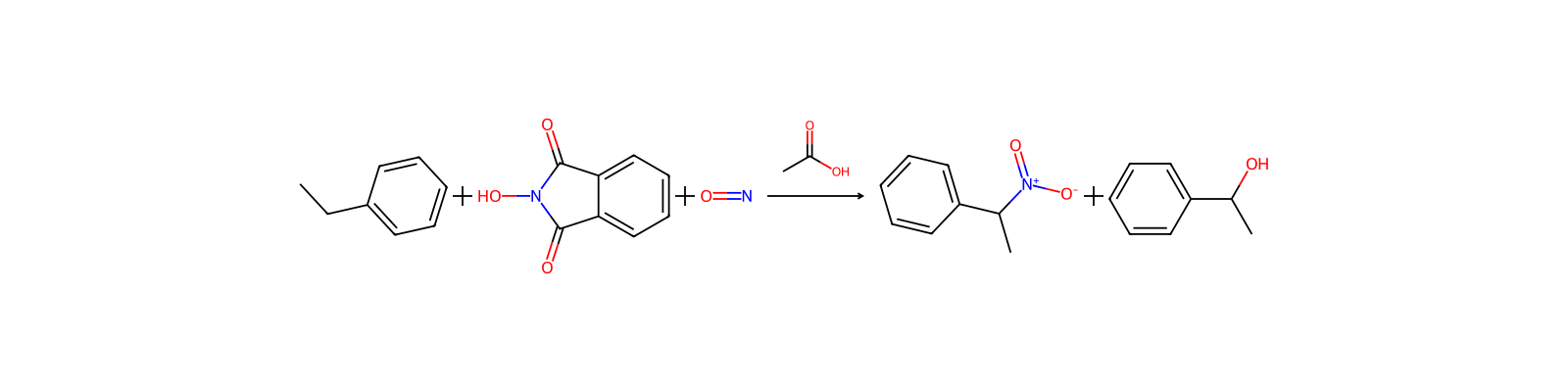
Zugehörige Reaktionen
19



Verknüpfte Notizen
Wird geladen…