

Grundinformationen
- Standard-SMILES
[O]=[Ca]- InChIKey
ODINCKMPIJJUCX-UHFFFAOYSA-N- Summenformel
- CaO
- Durchschnittliche Molmasse
- 56,08 g/mol
Überblick
Calcium oxide appears as an odorless, white or gray-white solid in the form of hard lumps. A strong irritant to skin, eyes and mucous membranes. Used in insecticides and fertilizers.
Namen und Bezeichner
- Bevorzugter Name
- Calcium Oxide
- IUPAC
- oxocalcium
- Lokaler Name
- Calciumoxid
- Englischer Name
- Calcium oxide
- Summenformel
- CaO
- Molmasse
- 56.08
Namen und Synonyme
CalciaCalxylGebrannter kalkUnslaked limeCalcium monoxideAirlockCALXCalx ustaChaux viveQuick limeRhenosorb CRhenosorb F
Weitere Namen anzeigen
CaOLIMECAUSTICQUICKLIMECalcium oxide powderCalcination of calciumcml21cml31
Calcium oxide (CaO)Desical PLime, burnedCaloxal CPACaloxol W3Vesta PPCaloxol CP2Calcia (CaO)
Datenbank-Bezeichner
- CAS
1305-78-8- PubChem CID
- 14778
- ChEMBL
CHEMBL5314372- ChEBI
CHEBI:31344- EC Number
- 215-138-9、695-027-3
- Nikkaji
- J43.729H
Eigenschaften
Berechnete Struktureigenschaften
- Polarare Oberfläche (TPSA)
- 17,1 Ų
- H-Brücken-Donoren
- 0
- H-Brücken-Akzeptoren
- 1
- Frei drehbare Bindungen
- 0
- Schwere Atome
- 2
- Formalladung
- 0
- Komplexität
- 2
Experimentelle und physikochemische Eigenschaften
Chemical Classes
Other Classes -> Bases
Corrosives
CosmeticsBuffering
pHSATURATED SOLN IN WATER IS ABOUT 12.8
SpringerMaterials Propertiesthermal expansion coefficient
Pesticides
Agrochemicals -> Pesticide active substances
Active substance -> EU Pesticides database: Not approved
OdorOdorless
Food AdditivesANTICAKING AGENT OR FREE-FLOW AGENT, DOUGH STRENGTHENER, FIRMING AGENT, NUTRIENT SUPPLEMENT, PH CONTROL AGENT, PROCESSING AID, TEXTURIZER -> FDA Substance added to food
Density
3.3 at 68 °F (USCG, 1999) - Denser than water; will sink
3.34 g/cu cm
Relative density (water = 1): 3.3-3.4
3.34
3.37 @25 °C
3.34
Color/Form
Grey-white, cubic crystals
Colorless, cubic, white crystals
Crystals, white or grayish white lumps, or granular powder
Greyish-yellow, hydroscopic lumps
Solubility
Reacts with water (NIOSH, 2024)
Slightly soluble in water. Insoluble in ethanol. Soluble in glycerol
Reacts with water
Soluble in water forming calcium hydroxide and generating large a quantity of heat.
Soluble in acids, glycerol, sugar solution; practically insoluble in alcohol
1 g is sol in about 840 mL water and 1740 mL boiling water
CorrosivityCorrosive
Flash PointNot flammable
Physikochemische Eigenschaften
- Schmelzpunkt
- 2570 °C · 2570 °C
- Siedepunkt
- 2850 °C · 2850 °C (lit.)
- Dichte
- 3.3 g/mL · 3.3 g/mL at 25 °C (lit.)
- Brechungsindex
- 1.83 · 1.83
- Flammpunkt
- 2850 °C · 2850°C
- storage temp.
- no restrictions.
- Löslichkeit
- 1.65 g/l · 1.65g/l Risk of violent reaction.
- Aggregatzustand
- powder
- Farbe
- White to yellow-very slightly beige
- Wichte
- 3.3 · 3.3
- Geruch (Odor)
- wh. or gray cryst. or powd., odorless
- PH
- 12.6 · 12.6 (H2O, 20℃)(saturated solution)
- Wasserlöslichkeit
- REACTS
- Spezifische Wärmekapazität
- 0.75 J/ · Cp(crystal): 0.75 J/(g·K), at 25℃
- Merck
- 14 · 14,1686
- Dielectric constant
- 2.2 · 2.2(Ambient)
- Stabilität
- Stability Stable, but absorbs carbon dioxide from the air. Incompatible with water, moisture, fluorine, strong acids.
- Kosmetik-Inhaltsstoffe Funktionen
- BUFFERING
- InChI
- 1S/Ca.O
- InChIKey
- ODINCKMPIJJUCX-UHFFFAOYSA-N
- SMILES
- O=[Ca]
- CAS Datenbank
- 1305 · 1305-78-8(CAS DataBase Reference)
- NIST chemische Informationen
- Calcium monoxide(1305-78-8)
- EPA chemische Informationen
- Calcium oxide (1305-78-8)
Sicherheit und Regulatorisches
GHS-Klassifizierung
GHS Classification
This chemical does not meet GHS hazard criteria for 5.1% (130 of 2552) of reports.
Danger
H302 (18.2%): Harmful if swallowed [Warning Acute toxicity, oral]
P260, P261, P264, P264+P265, P270, P271, P280, P301+P317, P301+P330+P331, P302+P352, P302+P361+P354, P304+P340, P305+P354+P338, P316, P317, P319, P321, P330, P332+P317, P362+P364, P363, P403+P233, P405, and P501 (click each P-code to see the statement)
Aggregated GHS information provided per 2552 reports by companies from 66 notifications to the ECHA C&L Inventory. Each notification may be associated with multiple companies.
Not Classified
Gefahrenhinweise
Regulatory Information
Chemical: Calcium oxide
Calcium oxide (CaO) is listed on the EPA's Chemical Data Reporting (CDR) system. Manufacturers and importers of Calcium oxide (CaO) are required to report information about their production and use of this chemical to the EPA under the Toxic Substances Control Act (TSCA). (40 eCFR Part 711)
2002/2076
Status: Cease Manufacture Update: 01-05-2018 https://echa.europa.eu/registration-dossier/-/registered-dossier/24348
Calcium oxide: Does not have an individual approval but may be used under an appropriate group standard
The New Jersey Worker and Community Right to Know Act requires public and private employers to provide information about hazardous substances at their workplaces. (N.J.S.A. 34:5A-1 et. seq.)
Other Safety InformationIMAP assessments - Calcium oxide: Environment tier I assessment
DOT LabelCorrosive
Fire Hazards
Excerpt from ERG Guide 157 [Substances - Toxic and/or Corrosive (Non-Combustible / Water-Sensitive)]:
· Non-combustible, substance itself does not burn but may decompose upon heating to produce corrosive and/or toxic fumes.
Not combustible.
Fire PotentialNot combustible, but bulk powder may heat spontaneously when damp with water.
Health Hazards
Causes burns on mucous membrane and skin. Inhalation of dust causes sneezing. (USCG, 1999)
· TOXIC and/or CORROSIVE; inhalation, ingestion or contact (skin, eyes) with vapors, dusts or substance may cause severe injury, burns or death.
Hazards SummaryCan cause first degree burns on short exposure and second degree burns on long exposure; [CHRIS] May be corrosive to the skin, eyes, and respiratory tract; May cause ulceration and perforation of the nasal septum; [ICSC]
DOT ID and Guide
1910 157
1910 157
FDA Requirements
Substance added directly to human food affirmed as generally recognized as safe (GRAS).
Calcium oxide used as a nutrient and/or dietary supplement in animal drugs, feeds, and related products is generally recognized as safe when used in accordance with good manufacturing or feeding practice.
Reactive GroupBases, Strong
UN ClassificationUN Hazard Class: 8; UN Pack Group: III
Special Reports
Optimal Calcium Uptake. Current Bibliographies in Medicine 94-4. Public Services Division/National Library of Medicine. 775 citations from January, 1990-April, 1994.[Available from, as of April 4, 2003: http://www.nlm.nih.gov/pubs/cbm/calcium.html]
Sicherheit und Schutzausrüstung
Fire Fighting
Excerpt from ERG Guide 157 [Substances - Toxic and/or Corrosive (Non-Combustible / Water-Sensitive)]:
In case of fire in the surroundings, use appropriate extinguishing media.
First Aid Measures
Fresh air, rest. Refer for medical attention.
Remove contaminated clothes. Rinse skin with plenty of water or shower. Refer for medical attention .
First rinse with plenty of water for several minutes (remove contact lenses if easily possible), then refer for medical attention.
Rinse mouth. Do NOT induce vomiting. Give nothing to drink. Refer for medical attention .
Accidental Release Measures
· CALL 911. Then call emergency response telephone number on shipping paper. If shipping paper not available or no answer, refer to appropriate telephone number listed on the inside back cover.
· ELIMINATE all ignition sources (no smoking, flares, sparks or flames) from immediate area.
First Aid
Excerpt from NIOSH Pocket Guide for Calcium oxide:
General First Aid:
(General first aid procedures)
Safe StorageSeparated from strong acids, organic chemicals, water and food and feedstuffs. Dry.
Exposure Control and Personal Protection
· Wear positive pressure self-contained breathing apparatus (SCBA).
1.0 [mg/m3], inhalable fraction[German Research Foundation (DFG)]
Fire Fighting Procedures
Extinguish fire using agent suitable for surrounding fire. Use flooding quantities of water as spray. DO NOT use carbon dioxide or halogenated extinguishing agents.
If material involved in fire: Extinguish fire using agent suitable for type of surrounding fire. (Material itself does not burn or burns with difficulty.) Cool all affected containers with flooding quantities of water. Do not use water on material itself. Keep run-off out of sewers and water sources. Use foam, dry chemical, or carbon dioxide.
In case of fire in the surroundings, use appropriate extinguishing media.
Inhalation: Fresh air, rest. Refer for medical attention.
For more Fire Fighting Procedures (Complete) data for CALCIUM OXIDE (7 total), please visit the HSDB record page.
Storage Conditions
Keep tightly closed and dry.
Materials which are toxic as stored or which can decompose into toxic components ... should be stored in a cool well ventilated place, out of the direct rays of the sun, away from areas of high fire hazard, and should be periodically inspected. Incompatible materials should be isolated ...
Store in a cool, dry, well-ventilated location.
Separate from strong acids, organic chemicals, water and food and feedstuffs. Dry.
Cleanup Methods
1) Ventilate area of spill. 2) Collect spilled material in most convenient and safe manner and deposit in sealed containers for reclamation or for disposal in secured sanitary landfill.
Environmental considerations: Land spill: Dig a pit, pond, lagoon, holding area to contain liquid or solid material. /SRP: If time permits, pits, ponds, lagoons, soak holes, or holding areas should be sealed with an impermeable flexible membrane liner./ Cover solids with a plastic sheet to prevent dissolving in rain or fire fighting water. Dike surface flow using soil, sand bags, foamed polyurethane, or foamed concrete.
Environmental considerations: Water spill: Use natural barriers or oil spill control booms to limit spill travel. Use natural deep water pockets, excavated lagoons, or sand bag barriers to trap material at bottom. Remove trapped material with suction hoses.
Shovel into suitable dry container. Use water spray to control dust, protect personnel.
Personal protection: particulate filter respirator adapted to the airborne concentration of the substance. Sweep spilled substance into covered dry containers.
Nonfire Spill ResponseExcerpt from ERG Guide 157 [Substances - Toxic and/or Corrosive (Non-Combustible / Water-Sensitive)]:
Disposal Methods
SRP: The most favorable course of action is to use an alternative chemical product with less inherent propensity for occupational harm/injury/toxicity or environmental contamination. Recycle any unused portion of the material for its approved use or return it to the manufacturer or supplier. Ultimate disposal of the chemical must consider: the material's impact on air quality; potential migration in soil or water; effects on animal and plant life; and conformance with environmental and public health regulations.
SRP: Wastewater from contaminant suppression, cleaning of protective clothing/equipment, or contaminated sites should be contained and evaluated for subject chemical or decomposition product concentrations. Concentrations shall be lower than applicable environmental discharge or disposal criteria. Alternatively, pretreatment and/or discharge to a permitted wastewater treatment facility is acceptable only after review by the governing authority and assurance that "pass through" violations will not occur. Due consideration shall be given to remediation worker exposure (inhalation, dermal and ingestion) as well as fate during treatment, transfer and disposal. If it is not practicable to manage the chemical in this fashion, it must be evaluated in accordance with EPA 40 CFR Part 261, specifically Subpart B, in order to determine the appropriate local, state and federal requirements for disposal.
... May be disposed of in sealed containers in secured sanitary landfill.
Spillage DisposalPersonal protection: particulate filter respirator adapted to the airborne concentration of the substance. Sweep spilled substance into covered dry containers.
Toxikologische Informationen
Interactions
Betel quid chewing is a general oral habit in Taiwan, India, southeastern Asian and South Africa with or without the additive of tobacco, alcohol or lime. In this study, the tumor-promoting neoplastic transformation effect of Lime-Piper betel quid (LPB) was examined on JB6 cells. The treatment of LPB at a high dose (1.0 mg/mL) for over 5 days or at lower doses (0.1, 0.5 mg/mL) for over 15 days induced the formation of transformed foci. The transformed cells showed the characteristics of colony formation in soft agar, higher growth rate and multilayer on culture dish. A two-fold induction of the protein levels of c-fos and c-jun proto-oncogenes was observed in the cells from the 50th passage (Cl1/p50, Cl2/p50 and Cl3/p50), suggesting that LPB-transformed cells were oncogenic. In addition, the LPB-transformed cells possessed an elevated level of c-Myc and an increased cell population distributed in the S phase of the cell cycle. These results demonstrated the promotion effect of LPB and indicate that it could be a tumor promoter. Lime-piper betel quid/
Static bioassays of 96 hr duration were conducted in the laboratory using fry of common carp (Cyprinus carpio), adult tubificid worm (Branchiura sowerbyi) and adult copepod plankton (Cyclops viridis) to determine LC50 values of Cu and CaO to these organisms and effects of interaction between Cu and CaO. Ninety-six hour LC(50) values of Cu to fry of common carp, worm and copepod were found to be 1.40 mg/L, 0.08 mg/L and 0.03 mg/L respectively. CaO up to 500 mg/L did not produce any mortality of the fry of common carp up to 96 hr. But 96 hr LC50 values of CaO to worm and copepod were 83.00 mg/L and 27.80 mg/L respectively. When common carp fry, worm and the copepod were exposed to respective LC50 dose of Cu in presence of varying concentration of CaO, mortality of the organisms significantly reduced and was found inversely correlated with the doses of CaO [y = 48.36-0.807x, r = -0.99 (n = 7) for fish; y = 44.46-0.146x, r = -0.97 (n = 7) for worm; y = 49.46-0.66x, r = -0.99 (n = 7) for the copepod]. The present results indicate that CaO is non-toxic to fish and is capable of reducing the toxicity of Cu to fish while CaO and Cu are antagonistic to each other for the worm and the copepod. Potential of using CaO as antitoxic agent for Cu in water is discussed.
96-hr LC50 values of cadmium (Cd) to fish Labeo rohita and the copepod Diaptomus forbesi, determined by static bioassays, were, respectively, 89.5 and 10.2 mg/L. LC50 values increased significantly when fish pre-exposed to 100-350 mg/L CaO or 0.5-1.5 mg/L KMnO4 for 4 d and the copepod to 20-70 mg/L CaO or 0.25-1.0 mg/L KMnO4 for same period. The LC50 values also increased when the pre-exposure period of CaO was increased to 12 d at concentration 100 mg/L for fish and 20 mg/L for copepod. All fish died when pre-exposed to 1.5 mg/L KMnO4 for 8 d. But LC50 values of Cd to copepod increased when pre-exposure period of 0.5 mg/L KMnO4 was increased from 4 to 8 d.
Target OrgansEyes, skin, respiratory system
Adverse EffectsDermatotoxin - Skin burns.
Exposure Routes
The substance can be absorbed into the body by inhalation of its aerosol and by ingestion.
inhalation, ingestion, skin and/or eye contact
Ecotoxicity Excerpts
/AQUATIC SPECIES/ In aqueous suspension the substance (Calcium oxide) react basic and have a toxic effect on fish.
/OTHER TERRESTRIAL SPECIES/ The Puchuncavi Valley in central Chile has been exposed to atmospheric depositions from a copper smelter. Nowadays, soils in the surrounding area are acidic and contaminated with Cu and As. The objective of this study was to determine the effectiveness of lime and compost for in situ immobilization of trace elements in the soils of the Puchuncavi Valley by using earthworms as bioindicators of toxicity. The lime and compost treatments significantly increased soil pH and decreased the soluble and exchangeable Zn, exchangeable Cu, and free Cu(2+) activity. However, the compost treatment increased soluble Cu, and soluble and exchangeable As. Lime application had no effect on earthworm reproduction in comparison with the unamended control, whereas the application of compost increased cocoon and juvenile production. There was a spatial variability of soil properties within treatments in the field plots. This allowed the identification of which soil properties were actually having an impact on earthworm reproduction. For both cocoon and juvenile production, soil organic matter (SOM) was a positive factor, i.e., more SOM increased cocoon or juvenile production. The toxicity (negative) factor was total soil As. However, total Cu and total As were well correlated (R(2)=0.80, p<0.001), hence some of the trends could have been masked. In summary, compost treatment was effective in improving the quality of soils of Puchuncav Valley, increasing earthworm reproduction. Future Chilean legislation on maximum permissible concentrations of trace elements in soils should consider SOM content due to its effect on trace element solubility and bioavailability.
Signs and Symptoms
Burning sensation. Cough. Shortness of breath. Sore throat.
Dry skin. Redness. Skin burns. Burning sensation. Pain.
Redness. Pain. Blurred vision. Severe deep burns.
Burning sensation. Abdominal pain. Abdominal cramps. Vomiting. Diarrhoea.
irritation eyes, skin, upper resp tract; ulcer, perforation nasal septum; pneumonitis; dermatitis
Human Toxicity Excerpts
/SIGNS AND SYMPTOMS/ Industrial experience has shown calcium oxide to be very irritating to mucous membranes and moist skin as a result of local liberation of heat and dehydration of tissues upon slaking of the small size particles and the resulting alkalinity of the slaked product. Inflammation of respiratory passages and ulceration and perforation of the nasal septum have been attributed to inhalation of lime dust. Major complaints of workers exposed to lime consist of eye and skin irritation.
/SIGNS AND SYMPTOMS/ Calcium oxide dust irritates the eyes and upper respiratory tract primarily because of its alkalinity. Inflammation of the respiratory passages, ulceration and perforation of the nasal septum, and pneumonia have been attributed to inhalation of calcium oxide dust.
/SIGNS AND SYMPTOMS/ ... Strong nasal irritation occurred as a consequence of exposure to a mixture of dusts containing calcium oxide in the range of 25 mg/cu m ...
/SIGNS AND SYMPTOMS/ Burning sensation. Abdominal pain. Abdominal cramps. Vomiting. Diarrhoea.
For more Human Toxicity Excerpts (Complete) data for CALCIUM OXIDE (15 total), please visit the HSDB record page.
Non-Human Toxicity Excerpts
/ALTERNATIVE and IN VITRO TESTS/ Components of betel quid (BQ) have been investigated for genotoxicity, mutagenicity, and animal toxicity. However, little information exists regarding their carcinogenic characteristics. Considerable attention has already been focused on tumor promoters that occur environmentally for human uptake. In this study, the promoting effects of BQ and lime-piper additives (LPA) in BQ on epidermal hyperplasia in CD-1 mouse skin are investigated. In the present study, we found that BQ and LPA at concentrations of 25, 50,75 mg/mL caused significant induction of hyperplasia, but only LPA caused an increase of epidermal ornithine decarboxylase (ODC). Treatment of mouse skin with LPA caused remarkable increases in the production of H(2)O(2) by 2.41-, 3.90-, and 3.76-fold (for the above-indicated concentrations respectively); as well as marked increases of myeloperoxidase (MPO) by 1.43-, 2.70-, and 2.29-fold. Application of LPA or BQ (50,100,150 mg/mL) also caused induction of protein kinase C-alpha (PKC-alpha) and NF-kappaB. LPA exhibited more significant effect than BQ. Thus, LPA might make a major contribution to the BQ-induced expression of PKC and NF-kappaB. These results indicated that BQ has the potential of being promoting agents, and that LPA should play a major role in increasing the effects of BQ-caused skin hyperplasia and inflammation. The promoting effects of BQ and LPA on mouse skin were associated with the induction of the expressions of PKC and NF-kappaB.
Probable Routes of Human Exposure
According to the 2006 TSCA Inventory Update Reporting data, the number of persons reasonably likely to be exposed in the industrial manufacturing, processing, and use of calcium oxide is 1000 or greater; the data may be greatly underestimated(1).
NIOSH (NOES Survey 1981-1983) has statistically estimated that 726,694 workers (71,652 of these were female) were potentially exposed to calcium oxide in the US(1). Occupational exposure to calcium oxide may occur through inhalation of dust and dermal contact with this compound at workplaces where calcium oxide is produced or used(SRC).
During lime production, workers may be exposed to atmospheric dust, /&/ the prodn of hazardous gases ... Dust is hazard in ... manual crushing, screening, drying, packaging & loading of lime itself, to builders, plasterers, agricultural workers ... using pure lime & in use & handling of materials of which lime is a component such as basic slag, cement or calcium cyanamide.
Antidote and Emergency Treatment
Immediate first aid: Remove patient from contact with the material. Ensure that adequate decontamination has been carried out. If patient is not breathing, start artificial respiration, preferably with a demand valve resuscitator, bag-valve-mask device, or pocket mask, as trained. Perform CPR if necessary. Immediately flush contaminated eyes with gently flowing water. Do not induce vomiting. If vomiting occurs, lean patient forward or place on the left side (head-down position, if possible) to maintain an open airway and prevent aspiration. Keep patient quiet and maintain normal body temperature. Obtain medical attention. /Inorganic Bases/Alkaline Corrosives and Related Compounds/
Basic treatment: Establish a patent airway (oropharyngeal or nasopharyngeal airway, if needed). Suction if necessary. Watch for signs of respiratory insufficiency and assist ventilations if necessary. Administer oxygen by nonrebreather mask at 6 to 12 L/min. Monitor for pulmonary edema and treat if necessary ... . Monitor for shock and treat if necessary ... . For eye contamination, flush eyes immediately with water. Irrigate each eye continuously with 0.9% saline (NS) during transport ... . Do not use emetics. For ingestion, rinse mouth and administer 5 mL/kg up to 200 mL of water for dilution if the patent can swallow, has a strong gag reflex, and does not drool ... . Do not attempt to neutralize. Cover skin burns with dry sterile dressings after decontamination ... . /Inorganic Bases/Alkaline Corrosives and Related Compounds/
Advanced treatment: Consider orotracheal or nasotracheal intubation for airway control in the patient who is unconscious, has severe pulmonary edema, or is in severe respiratory distress. Early intubation, at the first signs of upper airway obstruction, may be necessary. Positive-pressure ventilation techniques with a bag valve mask device may be beneficial. Consider drug therapy for pulmonary edema ... . Monitor cardiac rhythm and treat arrhythmias as necessary ... . Start IV administration of D5W /SRP: "To keep open", minimal flow rate/. Use 0.9% saline (NS) or lactated Ringer's (LR) if signs of hypovolemia are present. For hypotension with signs of hypovolemia, administer fluid cautiously. Consider vasopressors if patient is hypotensive with a normal fluid volume. Watch for signs of fluid overload ... . Use proparacaine hydrochloride to assist eye irrigation ... . /Inorganic Bases/Alkaline Corrosives and Related Compounds/
Regulatorische Informationen
FDA Requirements
Substance added directly to human food affirmed as generally recognized as safe (GRAS).
Calcium oxide used as a nutrient and/or dietary supplement in animal drugs, feeds, and related products is generally recognized as safe when used in accordance with good manufacturing or feeding practice.
FIFRA Requirements
Residues of calcium oxide are exempted from the requirement of a tolerance when used in accordance with good agricultural practice as inert (or occasionally active) ingredients in pesticide formulations applied to growing crops or to raw agricultural commodities after harvest. Use: solid diluent, carrier.
Sicherheitsdaten
- F
- 10-21-34
- OEB
- B
- OEL
- TWA: 2 mg/m3
- wgk
- 1
- IDLA
- 25 mg/m3
- tsca
- TSCA listed
- ridadr
- UN 1910
- hs_code
- 28259019
- RTECS-Nr.
- EW3100000
- risk_code
- 34-41-37/38
- hazard_code
- C,Xi
- safety_code
- 26-36/37/39-45-25-39
- hazard_class
- 8
- packing_group
- III
- Speicherklasse
- 13 - Non Combustible Solids
- Giftige Stoffe Daten
- 1305-78-8(Hazardous Substances Data)
- Hazard Classifications
- Eye Dam. 1Skin Irrit. 2STOT SE 3
Chemie und Industrie
Pharmakologische Informationen
ATC CodeQP - Antiparasitic products, insecticides and repellents
MeSH Pharmacological ClassificationMaterials used in the production of dental bases, restorations, impressions, prostheses, etc.
Verwendung und Herstellung
Uses
Used in building materials (bricks, plaster, mortar, and stucco); to make aluminum, magnesium, calcium salts, and glass; to dehair hides; to process non-ferrous ores; to produce paper pulp; and to clarify cane and beet sugar juices; Also used in drilling fluids, lubricants, and water treatment; [HSDB]
Aluminum Producing [Category: Industry]
For calcium oxide (USEPA/OPP Pesticide Code: 075604) ACTIVE products with label matches. /SRP: Registered for use in the USA but approved pesticide uses may change periodically and so federal, state and local authorities must be consulted for currently approved uses./
In construction applications incl finishing & masons lime; in metallurgy, principally as a flux in steel prodn; kraft paper pulp prodn; ammonia recovery in solvay process for sodium carbonate; treatment of sewage and trade waste; water purification and softening; misc applications
In bricks, plaster, mortar, stucco, building materials; manufacture of steel, aluminum, magnesium, and flotation of non-ferrous ores; manufacture of glass, paper, Na2CO3 (Solvay process), calcium salts and many other industrial chemicals; dehairing hides; clarification of cane and beet sugar juices; in fungicides, insecticides, drilling fluids, lubricants; in water and sewage treatment; in laboratory to absorb carbon dioxide (the combination with NaOH is known as soda-lime ...)
In making chlorinated lime; dehydrating agent
Impurities
Calcium carbonate; magnesium, iron, and aluminum oxides.
Grades of purity: 96-97%
U.S. Production
2023: 50,000,000,000 - <55,000,000,000 lb
(1990) 34.90 billion lb
(1991) 33.86 billion lb
(1992) 34.72 billion lb
Production volumes for non-confidential chemicals reported under the Inventory Update Rule.[Table#3357]
For more U.S. Production (Complete) data for CALCIUM OXIDE (6 total), please visit the HSDB record page.
Consumption Patterns
46% Is used in metallurgy, princply as a flux in steel prodn; 13% for ammonia recovery in the solvay process for sodium carbonate; 8% in construction applications, incl finishing and masons lime and in soil stabilization; 7% in water purification and softening; 5% in beet and cane sugar refining; 5% in kraft paper pulp prodn; 3% in the treatment of sewage and trade waste; 2% as a raw material for glass; and 11% in other, misc applications (1973)
Consumer UsesOther
Industry UsesOther
Methods of Manufacturing
Calcination of limestone; gypsum (Mueller-Kuehne process; coproduced with sulphur dioxide, raw)
Commercial production from limestone.
Modern processes employ continuous shaft kilns filled with alternate layers of crushed limestone & coal or anthracite. Raw materials...charged mechanically at the top...processed lime discharged mechanically at the bottom. Limestone & fuel are conveyed to charging point on skip hoists.
Calcium carbonate (limestone) is roasted in kilns until all the carbon dioxide is driven off.
Formulations/Preparations
Properly stored lime of commerce contains 90-95% free calcium oxide.
Grades: Technical; refractory; agricultural, FCC.
Cold-Ster (Positive Impact Waste Solutions, LLC): Active ingredient: calcium oxide 86.8%.
Household ProductsInformation on 46 consumer products that contain Calcium oxide in the following categories is provided:
Use Classification
Food additives
Food Additives -> ACIDITY_REGULATOR; FLOUR_TREATMENT_AGENT; YEAST_FOOD -> JECFA Functional Classes
Food Additives -> ACIDITY_REGULATOR; FLOUR_TREATMENT_AGENT; YEAST_FOOD -> JECFA Functional Classes
Cosmetics -> Buffering
General Manufacturing Information
Synthetic Rubber Manufacturing
Calcium oxide (CaO): ACTIVE
Like other high-melting solids (tungsten, zirconia, carbon ) lime (CaO) becomes incandescent when heated to near its mp (2500 °C). Of both historical and etymological interest is the use of lime as an illuminant in stage lighting for some years before the advent of electricity (1850-1880). Invented in 1816, this technique involved an oxyhydrogen flame impinging on a cylinder of lime, causing it to emit a brilliant white light that was concentrated to a beam by a lens. The light was powerful enough to spotlight actors or simulate sunshine. It became known in theatrical circles as limelight.
Temperature and moisture responsive smart textile. US 20080057809 A1
Anwendungen
HistoryCalcium oxide dates from prehistoric times. It is produced by heating limestone to drive off carbon dioxide in a process called calcination: CaCO3(s) CaO(s) + CO2(g). At temperatures of several hundred degrees Celsius, the reaction is reversible and calcium oxide will react with atmospheric carbon dioxide to produce calcium carbonate. Efficient calcium oxide production is favored at temperatures in excess of 1,000°C. In prehistoric times limestone was heated in open fires to produce lime. Over time, lined pits and kilns were used to produce lime. Brick lime kilns were extensively built starting in the 17th century and the technology to produce lime has remained relatively constant since then.
VerwendenCalcium Oxide is a general food additive consisting of white granules or powder of poor water solubility. it is obtained by heating limestone (calcium carbonate) in a furnace. it is also termed lime or quicklime. it is used as an anticaking agent, firming agent, and nutritive supple- ment in applications such as grain products and soft candy.
Vor- und nachgelagerte Produkte
Vorgelagerte Rohstoffe
Nachgelagerte Produkte
Anbieter50 Anbieter
国药集团化学试剂有限公司86-21-63210123 · [email protected]
北京华美互利生物化工010-56205725 · [email protected]
上海阿拉丁生化科技股份有限公司400-6206333 13167063860 · [email protected]
南通润丰石油化工有限公司66017690 19952660367 · [email protected]
河北创之源生物科技有限公司13012111162
河北创海生物科技有限公司+86-86-13131129325 · [email protected]
Baoji Guokang Healthchem co.,ltd+8615604608665 15604608665 · [email protected]
Hebei Henghe Import and Export Trading Co. LTD+8618032935937 18032916000 · [email protected]
北京康普汇维科技有限公司010-67777729 18810111057 · [email protected]
上海迈瑞尔生化科技有限公司4006356688 18621169109 · [email protected]
阿法埃莎(中国)化学有限公司400-6106006 · [email protected]
上海瀚鸿科技股份有限公司021-54306202 13764082696 · [email protected]
上海沃化化工有限公司021-57681602-802 17302146015 · [email protected]
上海泰坦科技股份有限公司400-6009262 15618770481 · [email protected]
沈阳依莱普克斯化工有限公司024-31124838 15840046119
天津金汇太亚化学试剂有限公司022-59582624 18622766592 · [email protected]
山东西亚化学有限公司13355009207 13355009207 · [email protected]
玛雅试剂+86 (573) 82222445 (0)18006601000 452520369 · [email protected]
四川库利南科技有限公司400-1166-196 18981987031 · [email protected]
天津希恩思生化科技有限公司400 638 7771 · [email protected]
南京化学试剂股份有限公司025-58369808 17895012682 · [email protected]
斯百全化学(上海)有限公司021-021-021-67601398-809-809-809 15221380277 · [email protected]
赛默飞世尔科技(中国)有限公司800-810-5118 · [email protected]
北京伊诺凯科技有限公司400-810-7969 010-59572699 · [email protected]
上海遐瑞医药科技有限公司+86 21 61551611
南京杜莱生物技术有限公司025-84699383-8003;025-846993838003-8003 18013301590 · [email protected]
北京环宇世纪化学科技有限公司hysj_bj.com
HBCChem, Inc.+1-510-219-6317 · [email protected]
成都零六生物科技有限公司400-1166-196 13458535857 · [email protected]
上海麦克林生化科技股份有限公司15221275939 15221275939 · [email protected]
杭州杰恒化工有限公司0571-87396432 · [email protected]
上海嵩爰化工科技有限公司010-1234567 18521000990 · [email protected]
江苏艾康生物医药研发有限公司025-66028182 17714375163 · [email protected]
天津锦耀翔承科技有限公司18822227517 18822227517 · [email protected]
上海孚一生物科技有限公司+86 (21) 61124340
上海兴鲁化工科技有限公司02120970332 · [email protected]
成都润泽本土化工有限公司13096311329 028-88469284 616445927 · [email protected]
湖北巨胜科技有限公司027-59599241 18871490274 · [email protected]
池州凯隆进出口贸易有限公司[email protected]
Sigma-Aldrich西格玛奥德里奇(上海)贸易有限公司021-61415566 800-8193336 · [email protected]
九鼎化学(上海)科技有限公司4009209199 · [email protected]
Henan Alfa Chemical Co., Ltd+8618339805032 · [email protected]
杭州鼎燕化工有限公司0571-87157530-8003 18267553885 · [email protected]
厦门志信化学有限公司+86-5922680277 +86-13806087780 · [email protected]
廊坊乾耀科技有限公司0316-2132008 19932680339 · [email protected]
湖北兴银河化工有限公司13437271305 · [email protected]
北京华威锐科化工科技有限公司89508211 18501085097 · [email protected]
上海炎泽化工有限公司15345144255 19901447308 · [email protected]
艾万拓威达优尔国际贸易(上海)有限公司400-821-8006 · [email protected]
上海西陇生化科技有限公司021-52907766-8042
Ergänzende Hinweise
DefinitionChEBI: Calcium oxide is a member of the class of calcium oxides of calcium and oxygen in a 1:1 ratio. It has a role as a fertilizer.
Zugehörige Reaktionen
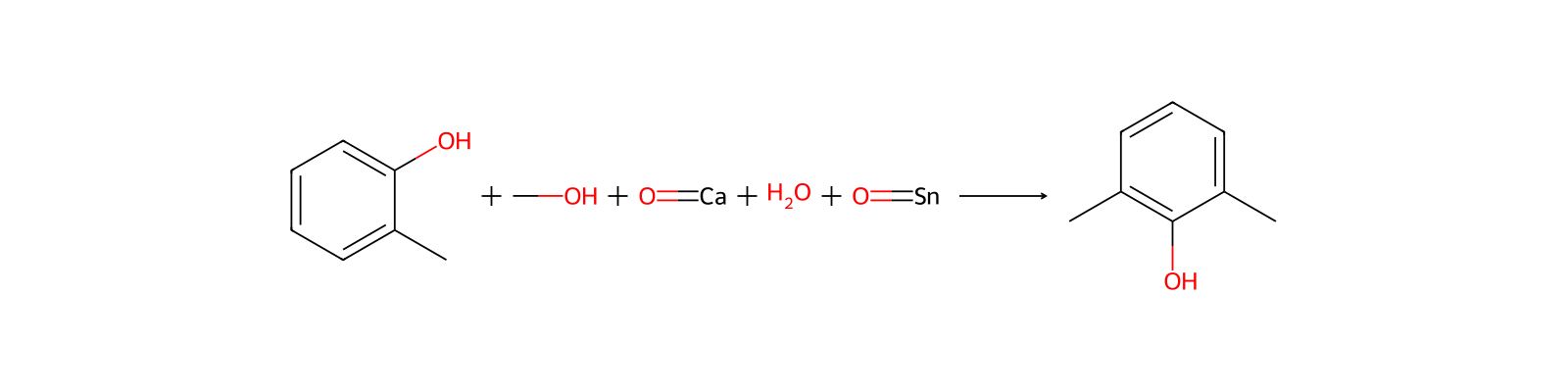
36


Verknüpfte Notizen
Wird geladen…