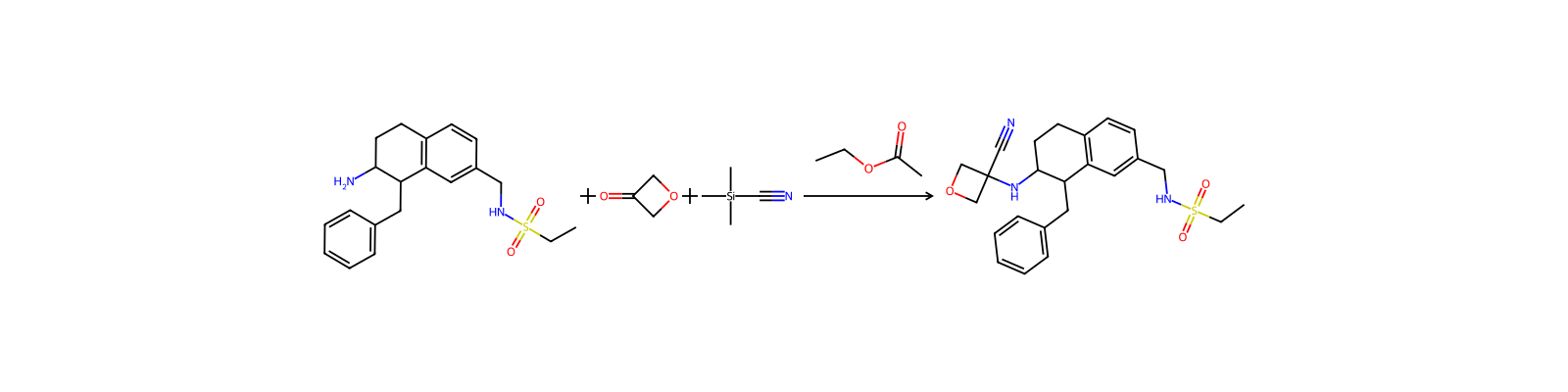
HRID 57953als Edukt
Daten werden ergänzt – lade die Seite später neu, um den aktuellen Stand zu sehen
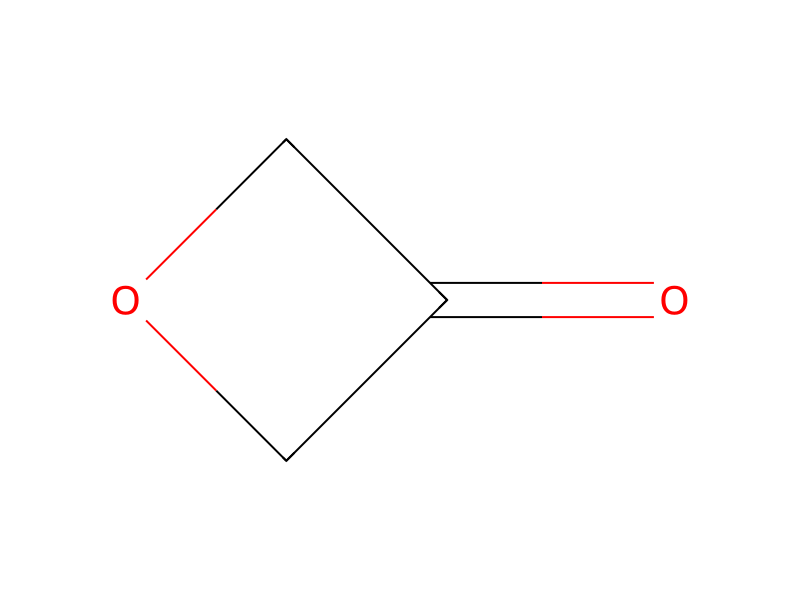
6704-31-0O=C1COC1ROADCYAOHVSOLQ-UHFFFAOYSA-Nstructure in first source
6704-31-0DTXSID80567101CHEMBL4779660Sicherheitsangaben dienen nur zur Orientierung und ersetzen weder das Sicherheitsdatenblatt (SDB) des Lieferanten noch geltende Vorschriften oder eine fachliche Bewertung.
This chemical does not meet GHS hazard criteria for 2% (1 of 49) of reports.
Danger
H226 (98%): Flammable liquid and vapor [Warning Flammable liquids]
P210, P233, P240, P241, P242, P243, P261, P264, P264+P265, P270, P271, P272, P280, P301+P317, P302+P352, P303+P361+P353, P304+P340, P305+P354+P338, P317, P319, P321, P330, P332+P317, P333+P317, P362+P364, P370+P378, P403+P233, P403+P235, P405, and P501 (click each P-code to see the statement)
Aggregated GHS information provided per 49 reports by companies from 10 notifications to the ECHA C&L Inventory. Each notification may be associated with multiple companies.
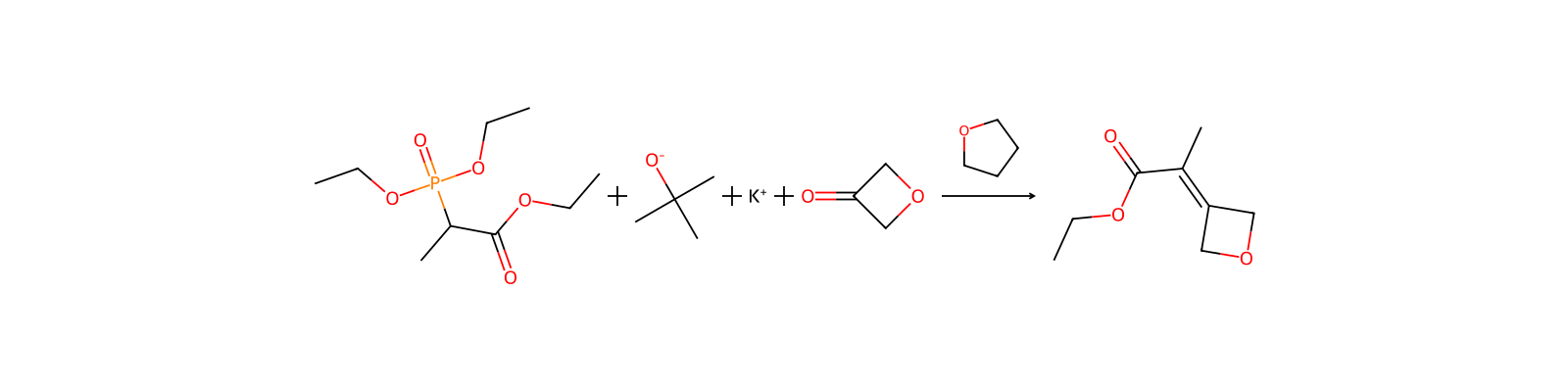
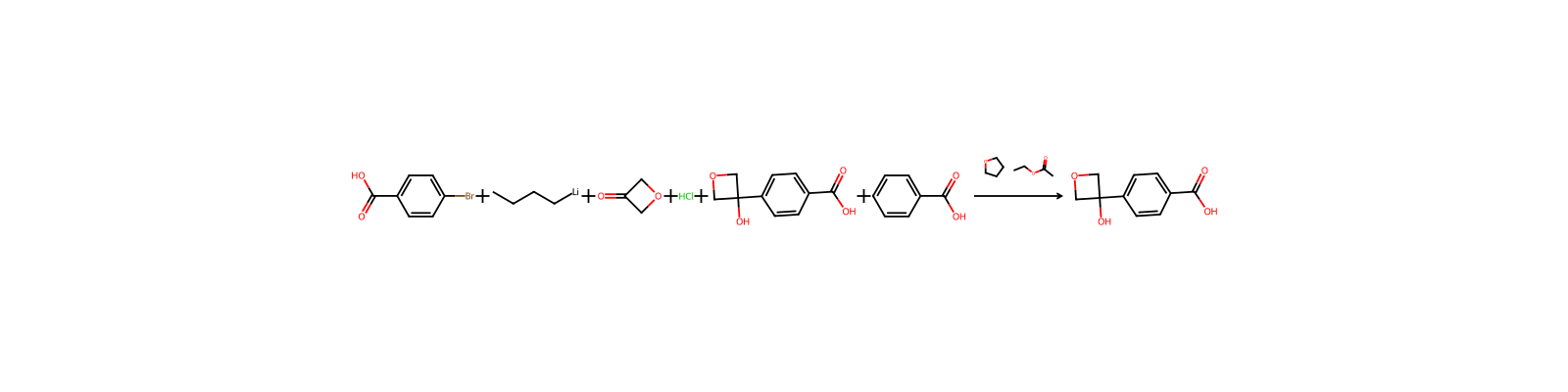
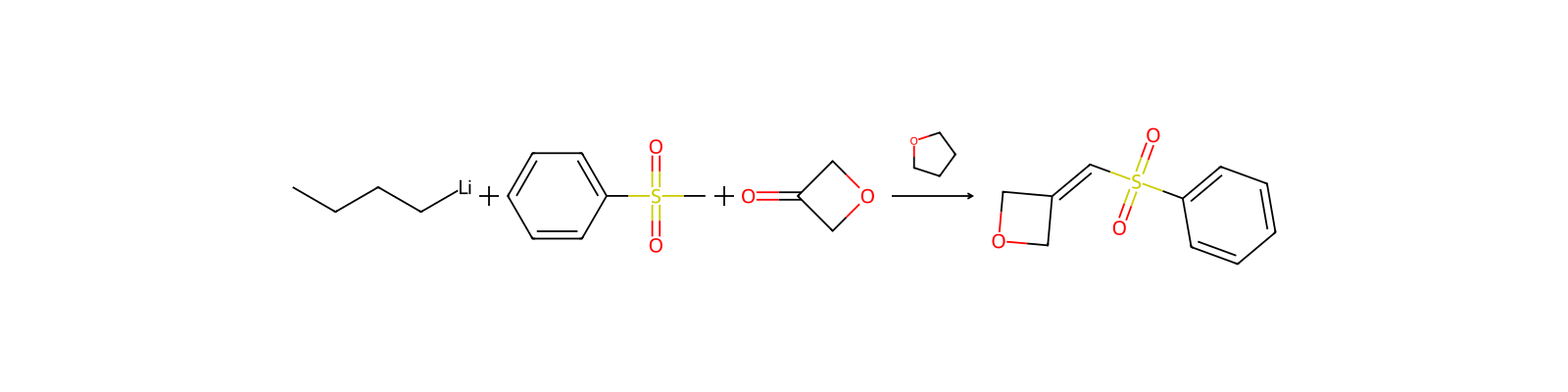
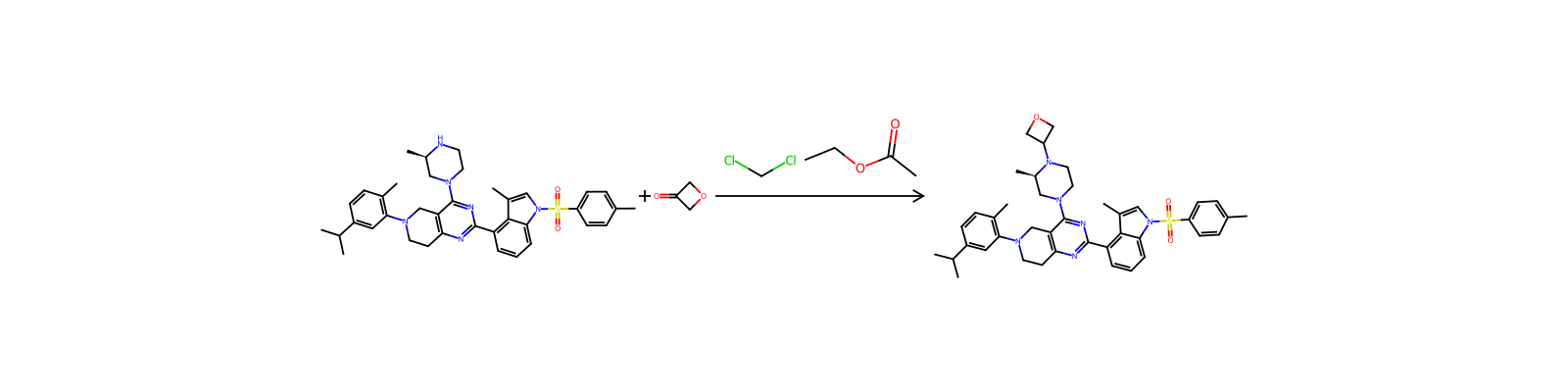
Verwenden3-Oxetanone is used as a starting material for the preparation of other oxetanes compounds, which are of pharmacological interest. It is also considered as an object for theoretical studies.
Definition3-oxetanone (1,3-epoxy2-propanone, cC3H4O2) is a highly strained molecule functional in ring expansion and addition reactions. This molecule has also been proposed as a decomposition product of acetonylperoxy radical in the atmosphere. 3-oxetanone is suspected in the decomposition of the acetonylperoxy radical, an intermediate formed during the atmospheric processing of acetone. Atmospheric acetone degradation produces the acetonyl radical, CH3C(O)CH2, which reacts with O2 to form the acetonylperoxy radical. Rate constants predicted by a canonical variational theory/small-curvature tunneling method show that the radical isomerising produces 3-oxetanone and hydroxyl radical. These are the dominant products in the 2502000 K range. There is no significant branching to other products below 1200 K. The only published study of the dissociation of 3-oxetanone is a Rice-Ramsperger-KasselMarcus (RRKM) analysis of the unimolecular rate constant for the photolysis of 3-oxetanone, producing ketene and formaldehyde[1-2].