Grundinformationen
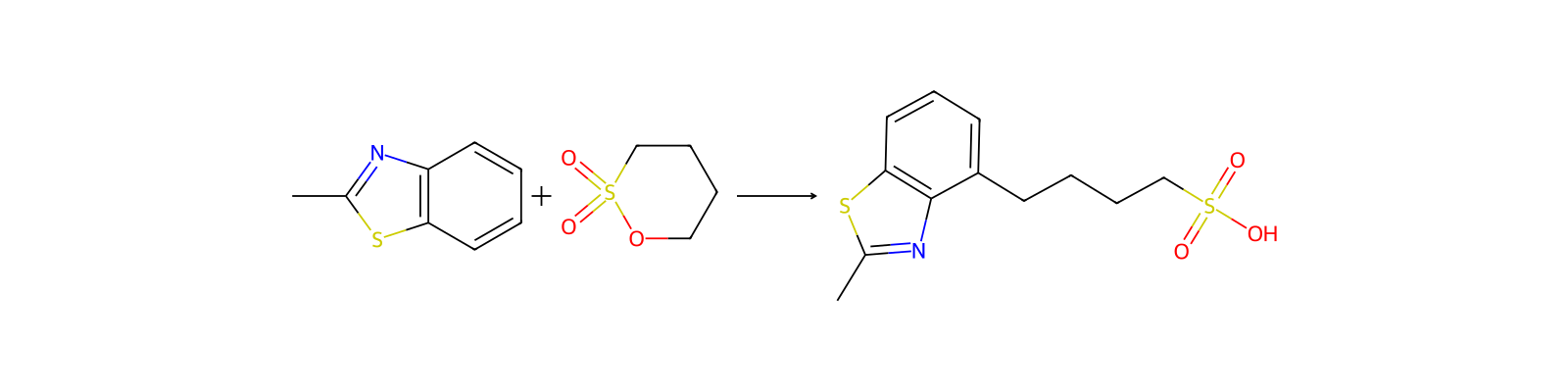
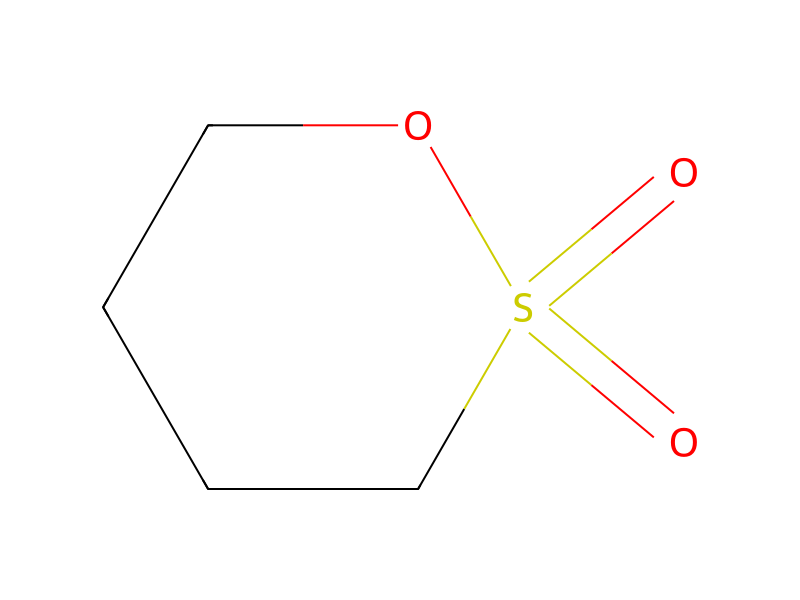
- Standard-SMILES
O=S1(=O)CCCCO1- InChIKey
MHYFEEDKONKGEB-UHFFFAOYSA-N- Summenformel
- C4H8O3S
- Durchschnittliche Molmasse
- 136,17 g/mol
- Monoisotopische Masse
- 136,01941529
Namen und Bezeichner
- Bevorzugter Name
- 1,4-Butane sultone
- IUPAC
- oxathiane 2,2-dioxide
- Lokaler Name
- 1,2-Oxathian-2,2-dioxid
- Englischer Name
- 1,4-Butane sultone
- Summenformel
- C4H8O3S
- Molmasse
- 136.17
Namen und Synonyme
1,4-BUTANE SULTONE1,4-ButanesultoneButane sultone1,2-Oxathiane, 2,2-dioxide1,2-Oxathiane 2,2-dioxideButanesultoneButanesulfone1,4-Butylene sulfone1,4-Butanesulfone1(4)-ButanesultoneBRN 0110588HSDB 5846
Weitere Namen anzeigen
-Sultone1,4-Butane1,4-BUTANE SULTON1,4-butylenesulfoneBusulfan Impurity 71,4-Butane suLJACS-1633-83-6δ-Valerosultone
UNII-4E0C1CLI2CEINECS 216-647-9NSC 71999DTXSID4061836NSC-719995-19-01-00010 (Beilstein Handbook Reference)1,4-BUTANE SULTONE [HSDB]1-BUTANESULFONIC ACID, 4-HYDROXY-, .DELTA.-SULTONE
Datenbank-Bezeichner
- CAS
1633-83-6- PubChem CID
- 15411
- DTXSID
DTXSID4061836- UNII
- 4E0C1CLI2C
- EC Number
- 216-647-9
- Nikkaji
- J3.676E
Eigenschaften
Berechnete Struktureigenschaften
- XLogP
- 0,1
- Polarare Oberfläche (TPSA)
- 51,8 Ų
- H-Brücken-Donoren
- 0
- H-Brücken-Akzeptoren
- 3
- Frei drehbare Bindungen
- 0
- Schwere Atome
- 8
- Formalladung
- 0
- Komplexität
- 153
Experimentelle und physikochemische Eigenschaften
Physical Description
Liquid
Clear faintly brownish-yellow liquid; [MSDSonline]
Physikochemische Eigenschaften
- Schmelzpunkt
- 12 · 12-15 °C (lit.)
- Siedepunkt
- 165 °C/25 · >165 °C/25 mmHg (lit.)
- Dichte
- 1.331 g/mL · 1.331 g/mL at 25 °C (lit.)
- Brechungsindex
- 20 · n20/D 1.464(lit.)
- Flammpunkt
- 230 °F · >230 °F
- storage temp.
- 30 °C · Store below +30°C.
- Löslichkeit
- 54 g/l · 54g/l (decomposition)
- Aggregatzustand
- Liquid
- Farbe
- Clear colorless to yellow
- Wasserlöslichkeit
- 54 g/L · 54 g/L (20 ºC) decomposes
- BRN
- 110588 · 110588
- InChI
- 1S/C4H8O3S/c5-8(6)4-2-1-3-7-8/h1-4H2
- InChIKey
- MHYFEEDKONKGEB-UHFFFAOYSA-N
- SMILES
- O=S1(=O)CCCCO1
- CAS Datenbank
- 1633 · 1633-83-6(CAS DataBase Reference)
- EPA chemische Informationen
- 1 · 1,2-Oxathiane, 2,2-dioxide (1633-83-6)
Sicherheit und Regulatorisches
GHS-Klassifizierung
GHS Classification
This chemical does not meet GHS hazard criteria for 0.6% (1 of 167) of reports.
Warning
H302 (99.4%): Harmful if swallowed [Warning Acute toxicity, oral];H315 (65.3%): Causes skin irritation [Warning Skin corrosion/irritation];H319 (65.3%): Causes serious eye irritation [Warning Serious eye damage/eye irritation];H335 (65.3%): May cause respiratory irritation [Warning Specific target organ toxicity, single exposure; Respiratory tract irritation];H341 (66.5%): Suspected of causing genetic defects [Warning Germ cell mutagenicity];H351 (95.8%): Suspected of causing cancer [Warning Carcinogenicity];H412 (62.9%): Harmful to aquatic life with long lasting effects [Hazardous to the aquatic environment, long-term hazard]
P203, P261, P264, P264+P265, P270, P271, P273, P280, P301+P317, P302+P352, P304+P340, P305+P351+P338, P318, P319, P321, P330, P332+P317, P337+P317, P362+P364, P403+P233, P405, and P501 (click each P-code to see the statement)
Aggregated GHS information provided per 167 reports by companies from 12 notifications to the ECHA C&L Inventory. Each notification may be associated with multiple companies.;Reported as not meeting GHS hazard criteria per 1 of 167 reports by companies.;There are 11 notifications provided by 166 of 167 reports by companies with hazard statement code(s).;Information may vary between notifications depending on impurities, additives, and other factors. The percentage value in parenthesis indicates the notified classification ratio from companies that provide hazard codes. Only hazard codes with percentage values above 10% are shown. For more detailed information, please visit ECHA C&L website.
Gefahrenhinweise
Regulatory Information
1,2-Oxathiane, 2,2-dioxide is listed on the EPA's Chemical Data Reporting (CDR) system. Manufacturers and importers of 1,2-Oxathiane, 2,2-dioxide are required to report information about their production and use of this chemical to the EPA under the Toxic Substances Control Act (TSCA). (40 eCFR Part 711)
Status: Active Update: 30-07-2020 https://echa.europa.eu/registration-dossier/-/registered-dossier/26087
1,4-Butanesultone: Does not have an individual approval but may be used under an appropriate group standard
Hazards SummaryA mutagen and equivocal tumorigen; [RTECS] May cause irritation; [MSDSonline] See Propane sultone.
Special Reports
THIS IS A REVIEW OF THE HOST MEDIATED ASSAY AND BODY FLUID ASSAY AS REPORTED FOR 208 CHEMICALS. 1,4-BUTANE SULTONE WAS POSITIVE FOR AN UNSPECIFIED STRAIN OF SALMONELLA TYPHIMURIUM.[LEGATOR MS ET AL; AN EVALUATION OF THE HOST MEDIATED ASSAY AND BODY FLUID ANALYSIS A REPORT OF THE USA ENVIRONMENTAL PROTECTION AGENCY GENE-TOX PROGRAM; MUTAT RES 98 (3): 319-74 (1982)]
Hazard Classes and CategoriesAcute Tox. 4 (99.4%);Skin Irrit. 2 (65.3%);Eye Irrit. 2 (65.3%);STOT SE 3 (65.3%);Muta. 2 (66.5%);Carc. 2 (95.8%);Aquatic Chronic 3 (62.9%)
Toxikologische Informationen
Non-Human Toxicity Excerpts
FEMALE ICR/HA SWISS MICE WERE INJECTED SC WITH 1,4-BUTANE SULTONE ONCE/WK FOR 580 DAYS @ 1.0 MG/0.05 ML TRICAPRYLIN. NO SIGNIFICANT TUMORIGENIC EFFECT WAS NOTED.
1,4-BUTANE SULTONE WAS TESTED IN THE IP HOST-MEDIATED ASSAY, USING ADULT MALE SWISS-WEBSTER MICE AS THE HOST ANIMAL AND SALMONELLA TYPHIMURIUM AS A TEST ORGANISM. IT TESTED POS @ A CONCN OF 106.4 MG/KG IN STRAINS TA1530 AND TA1538 & @ A CONCN OF 138 MG/KG IN STRAIN TA1535.
1,4-BUTANE SULTONE WAS POS FOR RECOMBINOGENIC ACTIVITY IN SACCHAROMYCES CEREVISIAE D3 WHEN ADMIN @ A CONCN OF 1.0% WITHOUT METABOLIC ACTIVATION.
1,4-BUTANE SULTONE WAS TESTED IN THE AMES REVERSION TEST IN SALMONELLA TYPHIMURIUM STRAINS TA1535, TA1536, TA1537, TA1538, TA98 AND TA100 WITHOUT ACTIVATION @ 100 UG (0.73 UMOL/PLATE). IT WAS MUTAGENIC IN STRAINS TA1535, TA1537, AND TA100, CAUSING 500, 66, AND 470 HIS+ REVERTANTS/PLATE (MINUS BACKGROUND), RESPECTIVELY.
For more Non-Human Toxicity Excerpts (Complete) data for 1,4-BUTANE SULTONE (6 total), please visit the HSDB record page.
Regulatorische Informationen
Regulatory Information
1,2-Oxathiane, 2,2-dioxide is listed on the EPA's Chemical Data Reporting (CDR) system. Manufacturers and importers of 1,2-Oxathiane, 2,2-dioxide are required to report information about their production and use of this chemical to the EPA under the Toxic Substances Control Act (TSCA). (40 eCFR Part 711)
Status: Active Update: 30-07-2020 https://echa.europa.eu/registration-dossier/-/registered-dossier/26087
1,4-Butanesultone: Does not have an individual approval but may be used under an appropriate group standard
Sicherheitsdaten
- wgk
- 3
- tsca
- TSCA listed
- ridadr
- 2810
- hs_code
- 29349990
- RTECS-Nr.
- RP4300000
- risk_code
- 22-40-68-20/21/22
- Toxizität
- LD50 orally in Rabbit: 500 mg/kg
- hazard_code
- Xn
- safety_code
- 22-36/37-45-36
- hazard_class
- 6.1(b)
- packing_group
- III
- Speicherklasse
- 11 - Combustible Solids
- Giftige Stoffe Daten
- 1633-83-6(Hazardous Substances Data)
- Hazard Classifications
- Acute Tox. 4 OralCarc. 2Eye Irrit. 2Skin Irrit. 2Skin Sens. 1STOT SE 3
Chemie und Industrie
Verwendung und Herstellung
Uses
Used as research chemical (alkylating agent); Not commercially produced in the US; [HSDB]
RESEARCH CHEMICAL (ALKYLATING AGENT)
U.S. Exports
(1979) No Data
(1981) No Data
U.S. Imports
(1979) No Data
(1981) No Data
U.S. Production
2023: <50,000 lb;2022: 50,000 - <250,000 lb;2021: 50,000 - <250,000 lb;2020: 50,000 - <250,000 lb
(1979) NOT PRODUCED COMMERCIALLY IN U.S.
(1981) NOT PRODUCED COMMERCIALLY IN U.S.
Industry UsesIntermediate
Methods of ManufacturingPROBABLY BY DEHYDRATION OF 4-HYDROXY-1-BUTANESULFONIC ACID
General Manufacturing Information
All Other Basic Organic Chemical Manufacturing
1,2-Oxathiane, 2,2-dioxide: ACTIVE
Anwendungen
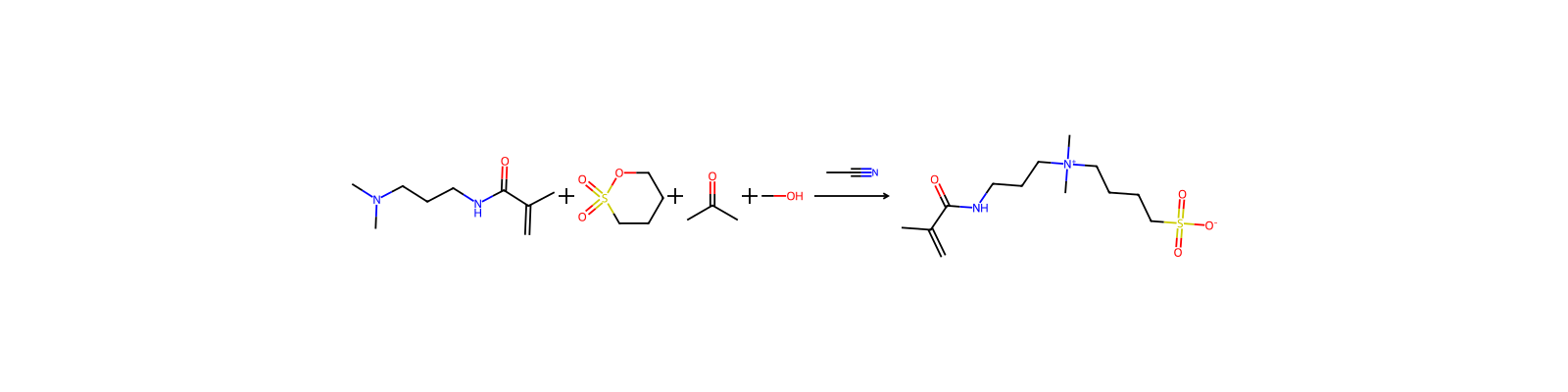
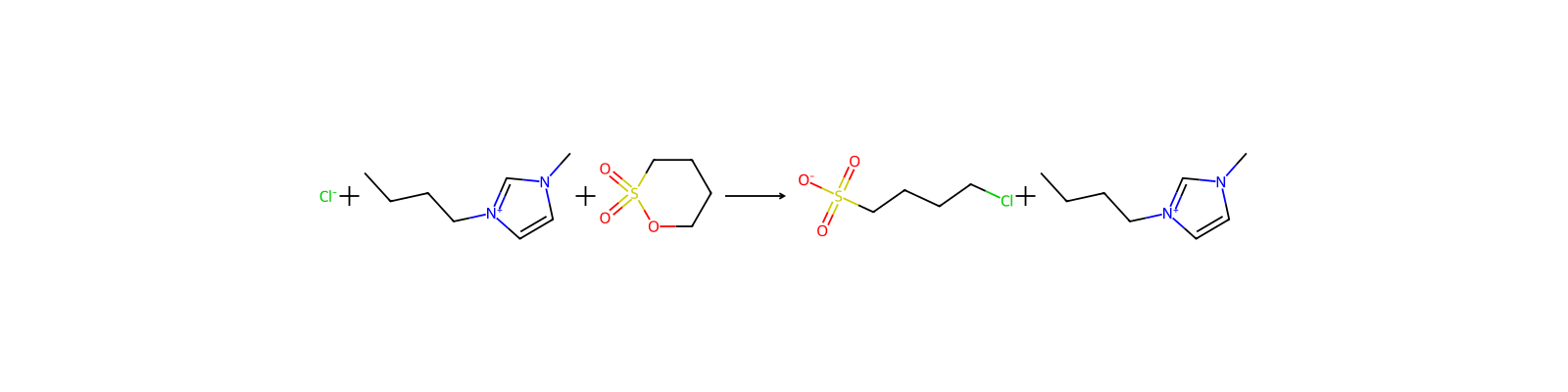
Beschreibung1,4-Butane sultone is an impurity in sulfobutyl ether β-cyclodextrin (SBE-β-CD), and has been reported to be a weak carcinogen. 1,4-Butane sultone can be used for preparation of Brnsted acidic ionic liquids and the ionic liquid is green, highly water soluble, thermally stable, specific and catalytically stable, and can be used for the preparation of symmetrical 3,3'-diaryloxyoctanone compounds[1-2].
Verwenden1,4-Butane Sultone is an alkylating agent with weak carcinogenic activity.
Vor- und nachgelagerte Produkte
Vorgelagerte Rohstoffe
Nachgelagerte Produkte
Anbieter50 Anbieter
国药集团化学试剂有限公司86-21-63210123 · [email protected]
梯希爱(上海)化成工业发展有限公司021-67121386 · [email protected]
衢州润东化工有限公司0570-8789886 18892685668 · [email protected]
上海阿拉丁生化科技股份有限公司400-6206333 13167063860 · [email protected]
中节能万润股份有限公司0535-6101880 · [email protected]
T&W GROUP021-61551611 13296011611 · [email protected]
爱斯特(成都)生物制药股份有限公司+86-28-85122536 85324413 · [email protected]
武汉博莱特化工有限公司+86-027-85583407 +86-13554014698 · [email protected]
北京安司莫森技术有限公司010-82954736 13391601435 · [email protected]
韶远科技(上海)有限公司021-50795510 4000665055 · [email protected]
科瑞迪化学400-821-5857 021-64326257 · [email protected]
浙江荣大化工有限公司571-88086013
Syntechem Co.,Ltd[email protected]
上海迈瑞尔生化科技有限公司4006356688 18621169109 · [email protected]
武汉易泰科技有限公司上海分公司18930552037 · [email protected]
阿法埃莎(中国)化学有限公司400-6106006 · [email protected]
安耐吉化学&3A(安徽泽升科技股份有限公司)400-0056266 · [email protected]
上海瀚鸿科技股份有限公司021-54306202 13764082696 · [email protected]
上海柯维化学技术有限公司021-64609169 18901607656 · [email protected]
上海相辉医药科技有限公司13761987713 · [email protected]
嘉兴市艾森化工有限公司0573-85285100 18627885956 · [email protected]
上海泰坦科技股份有限公司400-6009262 15618770481 · [email protected]
武汉吉和昌新材料股份有限公司18602737196 18602737196
上海隆盛化工有限公司58099637 13585536065 · [email protected]
武汉赛沃尔化工有限公司027-85613400 18707177243 · [email protected]
湖北健楚生物医药有限公司027-65528353 13554206703
山东西亚化学有限公司13355009207 13355009207 · [email protected]
玛雅试剂+86 (573) 82222445 (0)18006601000 452520369 · [email protected]
四川库利南科技有限公司400-1166-196 18981987031 · [email protected]
天津希恩思生化科技有限公司400 638 7771 · [email protected]
河南多贝化工有限公司0370-2785118 17550508557 · [email protected]
上海源叶生物科技有限公司13636370518 · [email protected]
上海思域化工科技有限公司86-21-34053660 · [email protected]
赛默飞世尔科技(中国)有限公司800-810-5118 · [email protected]
北京伊诺凯科技有限公司400-810-7969 010-59572699 · [email protected]
上海特伯化学科技有限公司+86-21-60341587 · [email protected]
TCI AMERICA800-4238616 · [email protected]
TOKYO CHEMICAL INDUSTRY CO., LTD.03-36680489 · [email protected]
TCI Europe320-37350700 · [email protected]
上海贤鼎生物科技有限公司4009209199 · [email protected]
深圳振强药物研发有限公司0755-66853366 13670046396 · [email protected]
武汉市罗氏科技发展有限公司18986168071; 18986168071 · [email protected]
北京环宇世纪化学科技有限公司hysj_bj.com
湖北鑫源顺医药化工有限公司13971561712, 13995564702, 027-50664929 · [email protected]
上海将来实业股份有限公司021-61552785 · [email protected]
上海笛柏生物科技有限公司400-008-9730,021-54359730 400-008-9730 · [email protected]
日照力德士化工有限公司010-51268198 · [email protected]
郑州阿尔法化工有限公司0371-53732842 15981811963 · [email protected]
美岚实业(上海)有限公司021-58958189 · [email protected]
上海爱蝶实业有限公司021-58957966 18930537195 · [email protected]
Zugehörige Reaktionen
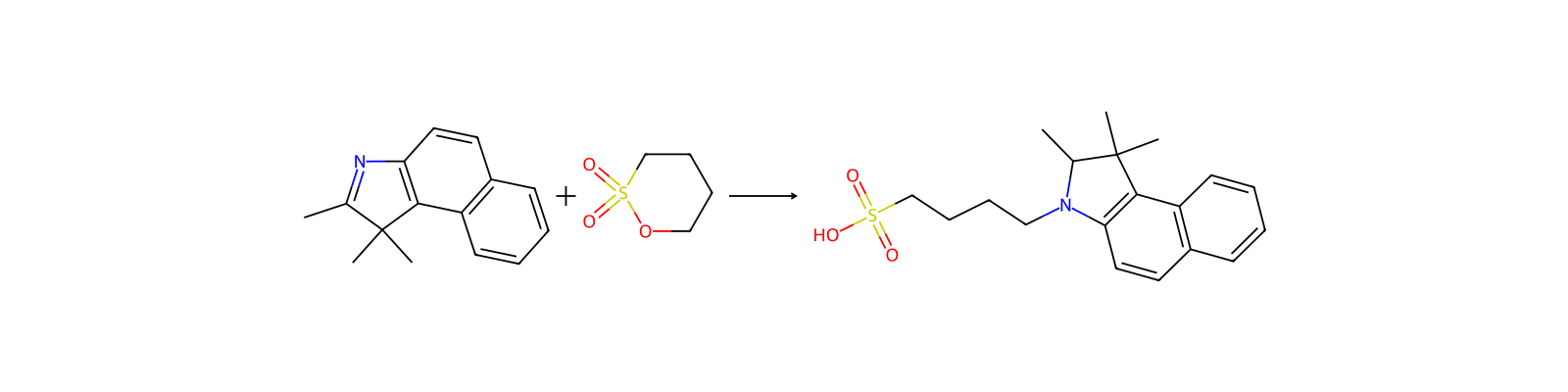
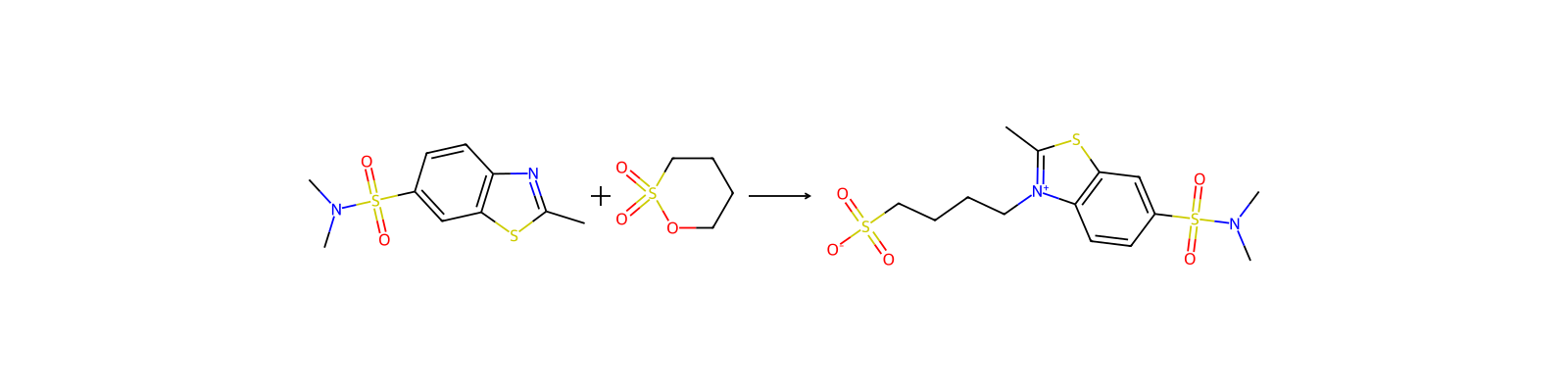
71



Verknüpfte Notizen
Wird geladen…