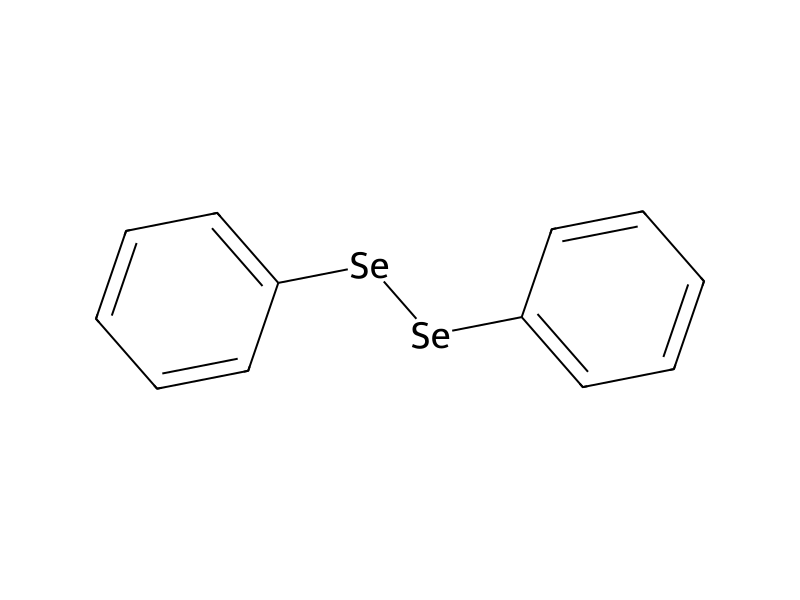
Grundinformationen
- Standard-SMILES
c1ccc([Se][Se]c2ccccc2)cc1- InChIKey
YWWZCHLUQSHMCL-UHFFFAOYSA-N- Summenformel
- C12H10Se2
- Durchschnittliche Molmasse
- 312,1 g/mol
- Monoisotopische Masse
- 313,91129292
Überblick
Diphenyl diselenide is an organic molecular entity.
Namen und Bezeichner
- Bevorzugter Name
- Diphenyl diselenide
- IUPAC
- (phenyldiselanyl)benzene
- Lokaler Name
- Diphenyldiselenid
- Englischer Name
- Diphenyl diselenide
- Summenformel
- C12H10Se2
- Molmasse
- 312.13
Namen und Synonyme
Diphenyl diselenide1666-13-3Diselenide, diphenylPhenyl diselenide1,2-Diphenyldiselane(phenyldiselanyl)benzeneDiphenyldiselenideBis(phenylselenide)9ATU3Z459QDTXSID6061864NSC-49763RefChem:134644
Weitere Namen anzeigen
diseLTwo phenyltwo sediphenyl-diseleniddiphenyl disenenideDiselenide,diphenylDiphenyl perselenide
DTXCID3035347216-780-2diphenyldiselaneC12H10Se2MFCD00003001CHEMBL3122204CCRIS 9227EINECS 216-780-2
Datenbank-Bezeichner
- CAS
1666-13-3- PubChem CID
- 15460
- DTXSID
DTXSID6061864- ChEMBL
CHEMBL3122204- ChEBI
CHEBI:232541- UNII
- 9ATU3Z459Q
- EC Number
- 216-780-2
- Nikkaji
- J31.930I
Eigenschaften
Berechnete Struktureigenschaften
- Polarare Oberfläche (TPSA)
- 0 Ų
- H-Brücken-Donoren
- 0
- H-Brücken-Akzeptoren
- 0
- Frei drehbare Bindungen
- 3
- Schwere Atome
- 14
- Formalladung
- 0
- Komplexität
- 128
Physikochemische Eigenschaften
- Schmelzpunkt
- 60 °C · 60 °C
- Siedepunkt
- 202 °C · 202 °C / 11mmHg
- Dichte
- 1.557 · 1.5570
- Brechungsindex
- 1.743 · 1.7430
- storage temp.
- 30 °C · Store below +30°C.
- Aggregatzustand
- Powder
- Farbe
- yellow
- Wichte
- 1.84 · 1.84
- Wasserlöslichkeit
- Insoluble
- BRN
- 2047179 · 2047179
- InChI
- 1S/C12H10Se2/c1-3-7-11(8-4-1)13-14-12-9-5-2-6-10-12/h1-10H
- InChIKey
- YWWZCHLUQSHMCL-UHFFFAOYSA-N
- SMILES
- [Se]([Se]c1ccccc1)c2ccccc2
- CAS Datenbank
- 1666 · 1666-13-3(CAS DataBase Reference)
- NIST chemische Informationen
- Diselenide, diphenyl(1666-13-3)
- EPA chemische Informationen
- Diselenide, diphenyl (1666-13-3)
Sicherheit und Regulatorisches
GHS-Klassifizierung
GHS Classification
Danger
H301 (97.9%): Toxic if swallowed [Danger Acute toxicity, oral]
P260, P261, P264, P270, P271, P273, P301+P316, P304+P340, P316, P319, P321, P330, P391, P403+P233, P405, and P501 (click each P-code to see the statement)
Aggregated GHS information provided per 48 reports by companies from 8 notifications to the ECHA C&L Inventory. Each notification may be associated with multiple companies.
Gefahrenhinweise
Regulatory Information
Chemical: Diselenide, diphenyl
Diphenyl diselenide: Does not have an individual approval but may be used under an appropriate group standard
Other Safety InformationEvaluation - Chemicals not considered for in depth evaluation - Not commercially active in Australia
Hazard Classes and CategoriesAcute Tox. 3 (97.9%)
Sicherheit und Schutzausrüstung
Minimum Risk LevelChronic Oral: 0.005 mg/kg/day (L134)
Toxikologische Informationen
Health Effects
Chronic oral exposure to high concentrations of selenium compounds can produce a disease called selenosis. The major signs of selenosis are hair loss, nail brittleness, and neurological abnormalities (such as numbness and other odd sensations in the extremities). Animal studies have shown that selenium may also affect sperm production and the female reproductive cycle. (L619)
Exposure RoutesOral (L619) ; inhalation (L619) ; dermal (L619)
Toxicity Summary
Selenium readily substitutes for sulfur in biomolecules and in many biochemical reactions, especially when the concentration of selenium is high and the concentration of sulfur is low. Inactivation of the sulfhydryl enzymes necessary for oxidative reactions in cellular respiration, through effects on mitochondrial and microsomal electron transport, might contribute to acute selenium toxicity. Selenomethionine (a common organic selenium compound) also appears to randomly substitute for methionine in protein synthesis. This substitution may affect the structure and functionability of the protein, for example, by altering disulfide bridges. Inorganic forms of selenium appear to react with tissue thiols by redox catalysis, resulting in formation of reactive oxygen species and causing damage by oxidative stress. (L619)
Signs and Symptoms
Short-term oral exposure to high concentrations of selenium may cause nausea, vomiting, and diarrhea. Brief exposures to high levels of elemental selenium or selenium dioxide in air can result in respiratory tract irritation, bronchitis, difficulty breathing, and stomach pains. Longer-term exposure to either of these air-borne forms can cause respiratory irritation, bronchial spasms, and coughing. (L619)
Carcinogen Classification3, not classifiable as to its carcinogenicity to humans. (L135)
Sicherheitsdaten
- wgk
- 3
- tsca
- TSCA listed
- ridadr
- UN 3283 6.1/PG 2
- hs_code
- 2931 90 00
- RTECS-Nr.
- JM9152500
- risk_code
- 23/25-33-50/53
- hazard_code
- T,N
- safety_code
- 20/21-28-45-60-61-28A
- hazard_class
- 6.1
- packing_group
- II
- Speicherklasse
- 6.1A - Combustible acute toxic Cat. 1 and 2very toxic hazardous materials
- Hazard Classifications
- Acute Tox. 3 InhalationAcute Tox. 3 OralAquatic Acute 1Aquatic Chronic 1STOT RE 2
Chemie und Industrie
Pharmakologische Informationen
Metabolism/Metabolites
Selenium may be absorbed through inhalation and ingestion, while some selenium compounds may also be absorbed dermally. Once in the body, selenium is distributed mainly to the liver and kidney. Selenium is an essential micronutrient and is a component of glutathione peroxidase, iodothyronine 5'-deiodinases, and thioredoxin reductase. Organic selenium is first metabolized into inorganic selenium. Inorganic selenium is reduced stepwise to the intermediate hydrogen selenide, which is either incorporated into selenoproteins after being transformed to selenophosphate and selenocysteinyl tRNA or excreted into the urine after being transformed into methylated metabolites of selenide. Elemental selenium is also methylated before excretion. Selenium is primarily eliminated in the urine and feces, but certain selenium compounds may also be exhaled. (L619)
Verwendung und Herstellung
UsesDiphenyl diselenide is a useful reagent in organic synthesis. (L623)
General Manufacturing InformationDiselenide, diphenyl: INACTIVE
Anwendungen
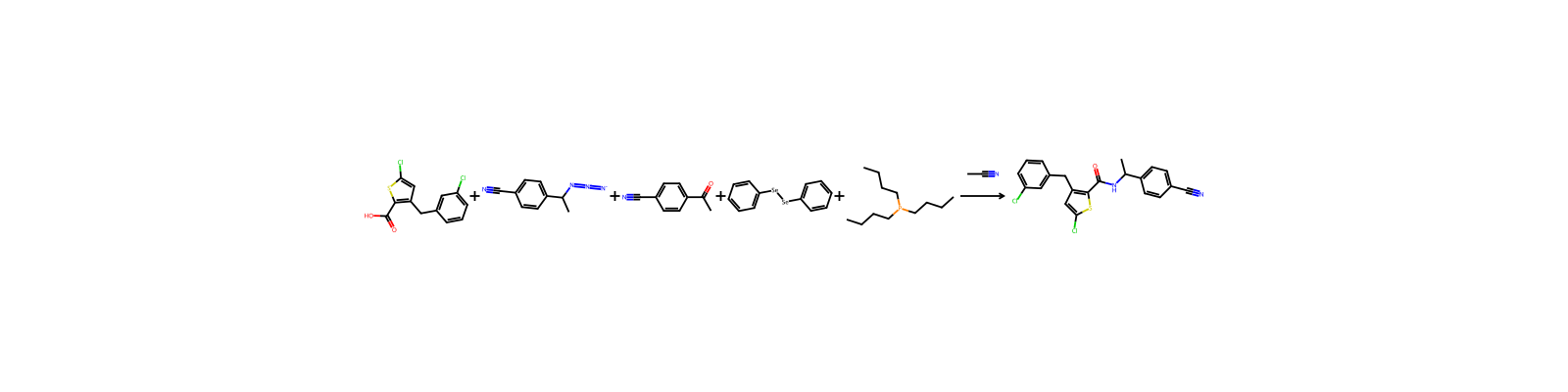
VerwendenDiphenyl diselenide is used in the methoxyselenenylation of alkenes, dihydroxylation of double bonds, hydrothiolation of terminal alkynes. It is used in the synthesis of the unsymmetrical diorganyl selenides, 1-(phenylselenomethyl)vinyl selenides, allylic phenyl selenides.
Vor- und nachgelagerte Produkte
Vorgelagerte Rohstoffe
Nachgelagerte Produkte
Anbieter50 Anbieter
国药集团化学试剂有限公司86-21-63210123 · [email protected]
梯希爱(上海)化成工业发展有限公司021-67121386 · [email protected]
阿诺西(上海)生物技术有限公司400-1107768 15058188853 · [email protected]
衢州润东化工有限公司0570-8789886 18892685668 · [email protected]
上海阿拉丁生化科技股份有限公司400-6206333 13167063860 · [email protected]
宁波君龙新材料有限公司0574 88552216 19032109277 · [email protected]
南京凯美西化工有限公司02558748998 18951874644 · [email protected]
合肥翰刚医药科技有限公司+8618062405514 · [email protected]
武汉欣扬瑞和化学科技有限公司153-07155313 15307155313 · [email protected]
杭州品高化工有限公司0571-87658025 · [email protected]
上海泰矶林实业有限公司02150630626 17717886015 · [email protected]
INTATRADE GmbH+49 3493/605464 · [email protected]
Dayang Chem (Hangzhou) Co.,Ltd.+86-0571-88938639 17705817739 · [email protected]
淮安嘉目生物科技有限公司0517-83187139 18205232085 · [email protected]
南京凯天化工有限公司+86 (25) 5860-8846 · [email protected]
Syntechem Co.,Ltd[email protected]
上海迈瑞尔生化科技有限公司4006356688 18621169109 · [email protected]
江苏普乐司生物科技有限公司0513-66017706 18551496367 · [email protected]
北京东华力拓科技发展有限公司010-88425576 · [email protected]
阿法埃莎(中国)化学有限公司400-6106006 · [email protected]
安耐吉化学&3A(安徽泽升科技股份有限公司)400-0056266 · [email protected]
石家庄斯迪亚诺精细化工有限公司0311-89250318 13582355795 · [email protected]
上海恩诺生物科技有限公司+86 (21) 6435-5022
上海瀚鸿科技股份有限公司021-54306202 13764082696 · [email protected]
上海景颜化工科技有限公司13817811078 · [email protected]
嘉兴市艾森化工有限公司0573-85285100 18627885956 · [email protected]
南京哈柏医药科技有限公司13376080562 13376090521 · [email protected]
上海隆盛化工有限公司58099637 13585536065 · [email protected]
武汉市皇臻生物化工有限公司13795480948 · [email protected]
HONG KONG IPURE BIOLOGY CO.,LIMITED86 18062405514 18062405514 · [email protected]
艾科试剂4008-755-333 18080918076 · [email protected]
上海思域化工科技有限公司86-21-34053660 · [email protected]
赛默飞世尔科技(中国)有限公司800-810-5118 · [email protected]
TCI AMERICA800-4238616 · [email protected]
TOKYO CHEMICAL INDUSTRY CO., LTD.03-36680489 · [email protected]
TCI Europe320-37350700 · [email protected]
北京京土恒盛化工科技有限公司00-13911456598 13911456598 · [email protected]
HBCChem, Inc.+1-510-219-6317 · [email protected]
成都零六生物科技有限公司400-1166-196 13458535857 · [email protected]
上海麦克林生化科技股份有限公司15221275939 15221275939 · [email protected]
杭州杰恒化工有限公司0571-87396432 · [email protected]
上海嵩爰化工科技有限公司010-1234567 18521000990 · [email protected]
池州凯隆进出口贸易有限公司[email protected]
Sigma-Aldrich西格玛奥德里奇(上海)贸易有限公司021-61415566 800-8193336 · [email protected]
天津荣燊化工有限公司18317763565; 18317763565 · [email protected]
上海昕凯医药科技有限公司21-619849051-1 18521059765 · [email protected]
九鼎化学(上海)科技有限公司4009209199 · [email protected]
安耐吉化学&3A(安徽泽升科技股份有限公司)400-0056266 · [email protected]
上海玻尔化学试剂有限公司19102157732 · [email protected]
成都润泽本土化工有限公司028-88469284 18000562381 · [email protected]
Zugehörige Reaktionen
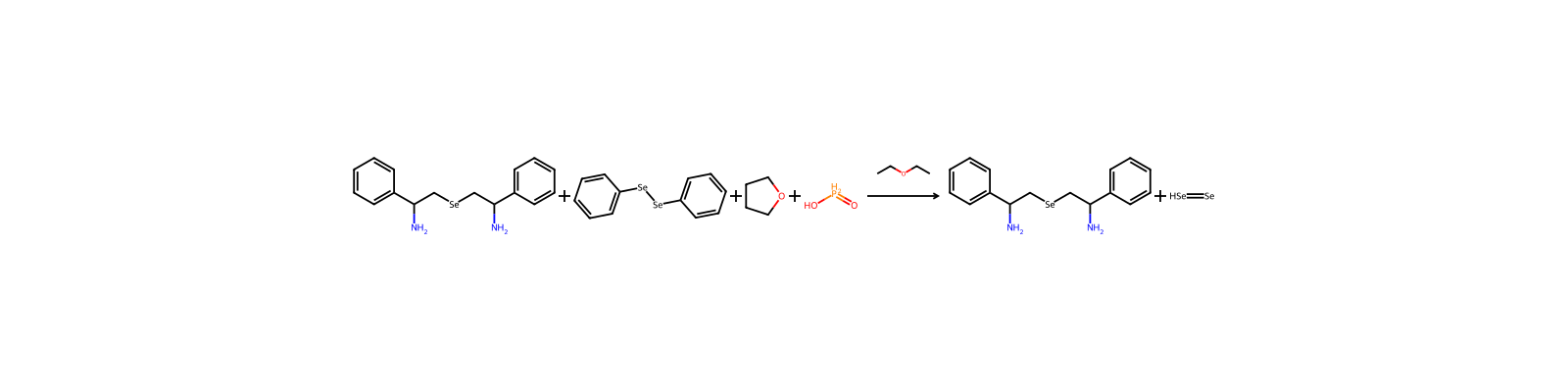
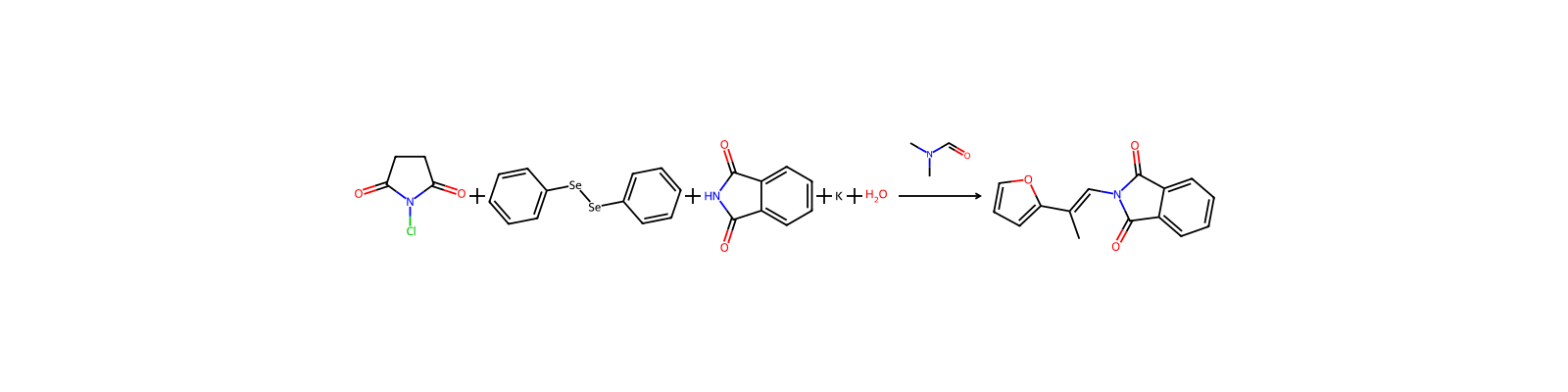
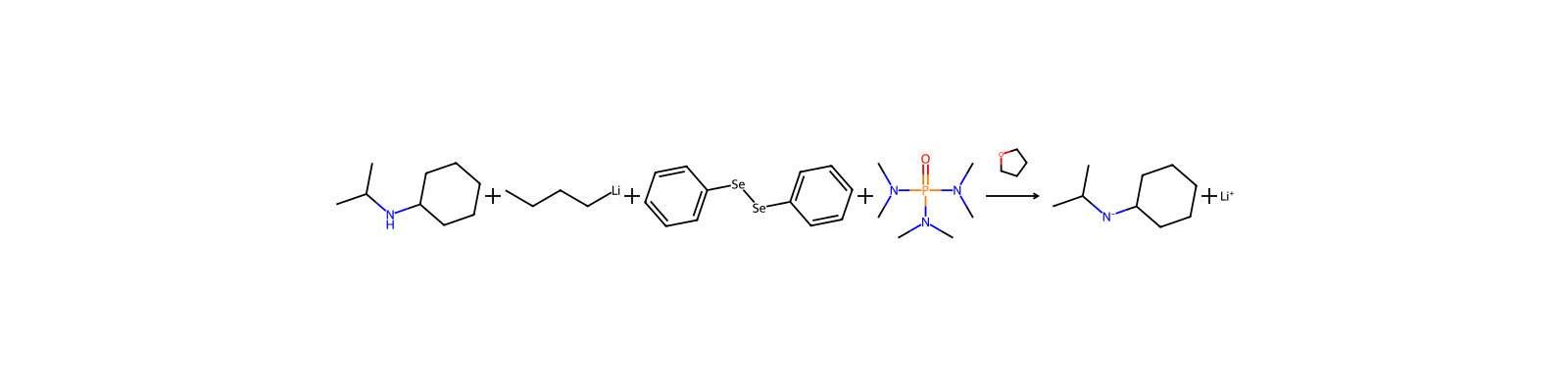
13




Verknüpfte Notizen
Wird geladen…