StartseiteMCPWorkbenchSkills
StartseiteWorkbenchBenachrichtigungenMein Bereich
llms.txt · MCP-AnleitungDatenschutz · Nutzungsbedingungen · Supportv1.8.0
  1. Startseite
  2. /Verbindung

Disilber(1+)sulfat

Silver sulfate

HCID 159865
Neue NotizNeue ReaktionAnfrage stellen
Druckvorschau

Daten werden ergänzt – lade die Seite später neu, um den aktuellen Stand zu sehen
GrundinformationenÜberblickNamen und BezeichnerEigenschaftenSicherheit und RegulatorischesChemie und IndustrieZugehörige ReaktionenNotizen zur Verbindung
TeilstruktursucheÄhnliche Strukturen suchen

Grundinformationen

CAS
10294-26-5
Standard-SMILES
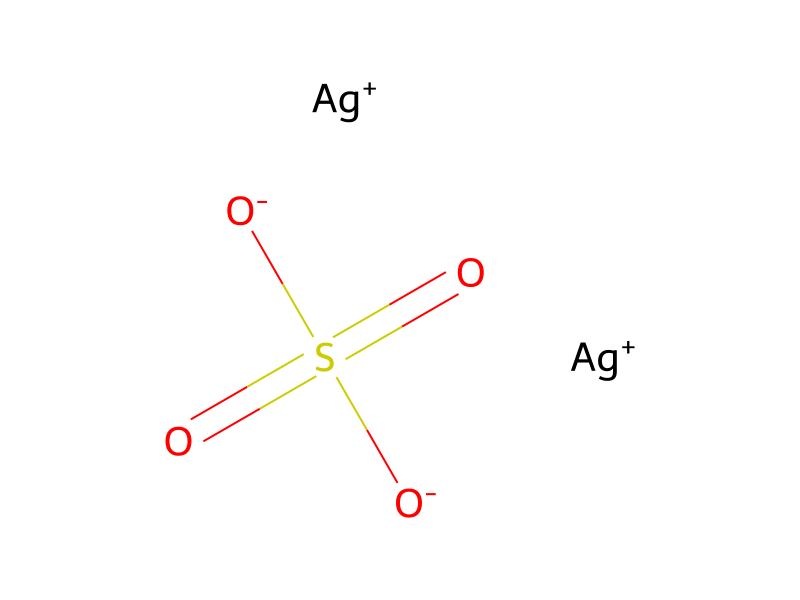
O=S(=O)([O-])[O-].[Ag+].[Ag+]
InChIKey
YPNVIBVEFVRZPJ-UHFFFAOYSA-L
Summenformel
Ag2SO4
Durchschnittliche Molmasse
311,8 g/mol
Monoisotopische Masse
309,76191

Überblick

Silver sulfate is an odorless white to gray solid. Sinks and mixes with water. (USCG, 1999)

Namen und Bezeichner

Bevorzugter Name
Silver sulfate
IUPAC
disilver;sulfate
Lokaler Name
Disilber(1+)sulfat
Englischer Name
Silver sulfate
Summenformel
Ag2O4S
Molmasse
311.8

Namen und Synonyme

Silver sulfate10294-26-5Sulphuric acid, silver saltDisilver sulfateDisilver(1+) sulfateDisilver monosulfate19287-89-9Silver sulfate (Ag2SO4)UNII-8QG6HV4ZPO8QG6HV4ZPODISILVER MONOSULPHATESulfuric acid, silver(1+) salt (1:2)
Weitere Namen anzeigen
SILVER SULPHATESilver sulfatSILVER(I) SULFATEver suLdisilverdisilver(1+)Siver sulfatedisilversulphateSilverSulphateGr
DISILVER SULPHATESulfuric acid silver salt (1:2)EINECS 233-653-7EINECS 242-941-1SILVER SULFATE [MI]SILVER SULFATE [VANDF]SILVER SULFATE [WHO-DD]DTXSID70172884

Datenbank-Bezeichner

CAS
10294-26-5、19287-89-9
PubChem CID
159865
DTXSID
DTXSID70172884
UNII
8QG6HV4ZPO

Eigenschaften

Berechnete StruktureigenschaftenWird ergänzt

Polarare Oberfläche (TPSA)
88,6 Ų
H-Brücken-Donoren
0
H-Brücken-Akzeptoren
4
Frei drehbare Bindungen
0
Schwere Atome
7
Formalladung
0
Komplexität
62,2

Experimentelle und physikochemische Eigenschaften

Chemical ClassesMetals -> Metals, Inorganic Compounds
CosmeticsAntimicrobial
Density5.45 at 68 °F (USCG, 1999) - Denser than water; will sink
Physical Description · 2 Einträge

Silver sulfate is an odorless white to gray solid. Sinks and mixes with water. (USCG, 1999)

Colorless lustrous solid; Turns gray on light exposure; [Hawley] White to gray odorless solid; [CAMEO] Fine white crystals; [MSDSonline] Fairly soluble in water; [Ullmann]

Physikochemische Eigenschaften

Schmelzpunkt
652 °C · 652 °C (lit.)
Siedepunkt
1085 °C · 1085 °C
Dichte
5.45 · 5.45
Flammpunkt
1085 °C · 1085°C
storage temp.
Keep in dark place,Sealed in dry,Room Temperature
Löslichkeit
8 g/l · 8g/l
Aggregatzustand

Sicherheit und Regulatorisches

Sicherheitsangaben dienen nur zur Orientierung und ersetzen weder das Sicherheitsdatenblatt (SDB) des Lieferanten noch geltende Vorschriften oder eine fachliche Bewertung.

GHS-Klassifizierung

GHS Classification · 6 Einträge

This chemical does not meet GHS hazard criteria for 1.3% (3 of 231) of reports.

Danger

H318 (98.3%): Causes serious eye damage [Danger Serious eye damage/eye irritation]

P264+P265, P273, P280, P305+P354+P338, P317, P391, and P501 (click each P-code to see the statement)

Aggregated GHS information provided per 231 reports by companies from 15 notifications to the ECHA C&L Inventory. Each notification may be associated with multiple companies.

Not Classified

Gefahrenhinweise

Regulatory Information · 3 Einträge

Chemical: Sulfuric acid, disilver(1+) salt

REACH registered substance: Disilver(1+) sulphate (EC: 233-653-7)

Silver sulphate: Does not have an individual approval but may be used under an appropriate group standard

Health HazardsContact with eyes causes irritation. If continued for a long period, ingestion or inhalation of silver compounds can cause permanent discoloration of the skin (argyria). (USCG, 1999)
Hazards SummaryAn eye irritant; [CAMEO] Corrosive to eyes; [eChemPortal: ERMA] An irritant; [MSDSonline] See Silver.
Reactive GroupMetals, Less Reactive
Reactivity Profile · 1 Eintrag

SILVER SULFATE has weak oxidizing or reducing powers. Redox reactions can however still occur. The majority of compounds in this class are slightly soluble or insoluble in water. If soluble in water, then the solutions are usually neither strongly acidic nor strongly basic. These compounds are not water-reactive.

Air and Water Reactions

Chemie und Industrie

Pharmakologische Informationen

Metabolism/Metabolites · 1 Eintrag

Silver and its compounds can be absorbed via inhalation, while silver compounds can also be absorbed orally and dermally. It distributes throughout the body in the blood, particularily to the liver. Insoluble silver salts are transformed into soluble silver sulfide albuminates, bind to amino or carboxyl groups in RNA, DNA, and proteins, or are reduced to metallic silver by ascorbic acid or catecholamines. Metallic silver is oxidized and may deposit in the tissues, causing arygria. Silver is eliminated primarily in the faeces. (L808)

Verwendung und Herstellung

Uses · 2 Einträge

Used as lab reagent; [Hawley]

Silver sulfate is used in silver plating. (L828)

Use ClassificationCosmetics -> Antimicrobial
General Manufacturing InformationSulfuric acid, silver(1+) salt (1:2): ACTIVE
Anwendungen · 1 Eintrag

VerwendenSilver sulfate is used as a catalyst to oxidize long chain aliphatic hydrocarbons in the determination of chemical oxygen demand (COD). It serves as a catalyst in wastewater treatment and aids in the production of nanostructured metallic layers beneath Langmuir monolayers.

Darstellung

synthetischeSilver sulfate is precipitated by adding sulfuric acid to a solution of silvernitrate:2Ag+(aq) + SO42- (aq) → Ag2SO4 (s) The precipitate is washed with hot water and preparation is under ruby red illumination.

Vor- und nachgelagerte Produkte

Zugehörige Reaktionen

37
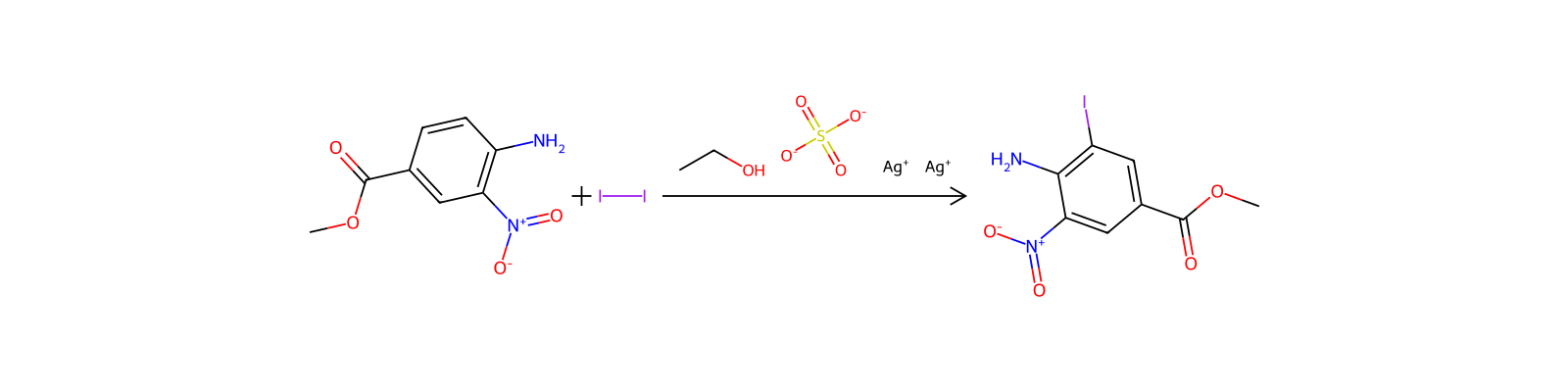
Reaktionsaufzeichnung erstellen
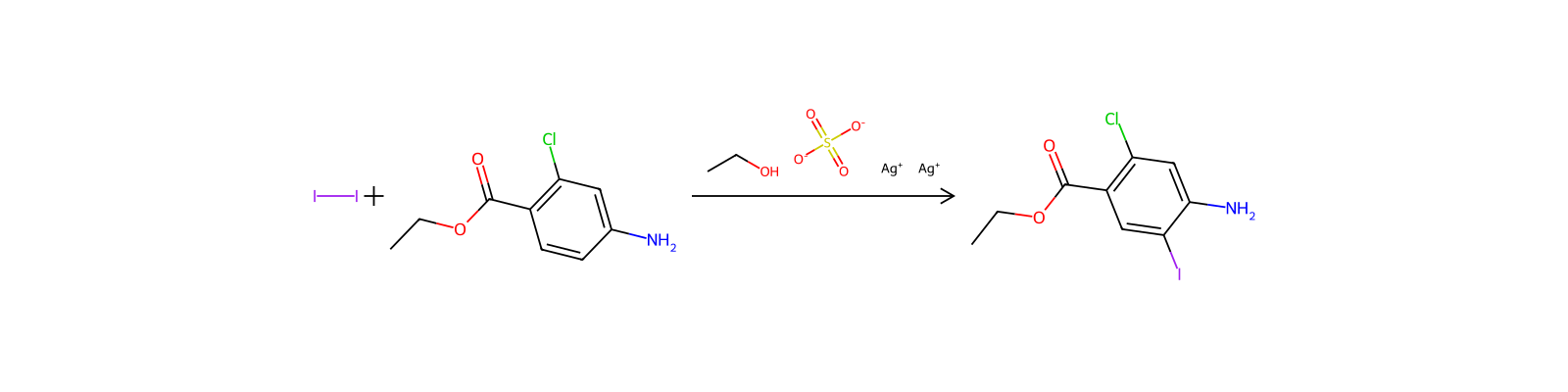
Reaktionsgleichung von HRID 6812
HRID 6812als Katalysatoruspto-grants-2006_08
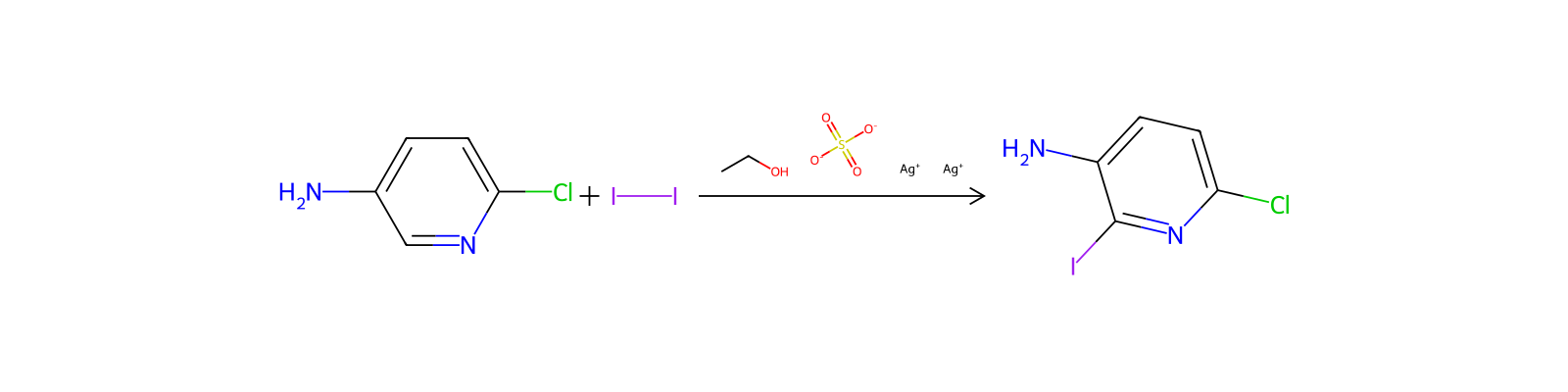
Reaktionsgleichung von HRID 59804
HRID 59804als Katalysatoruspto-grants-2016_09
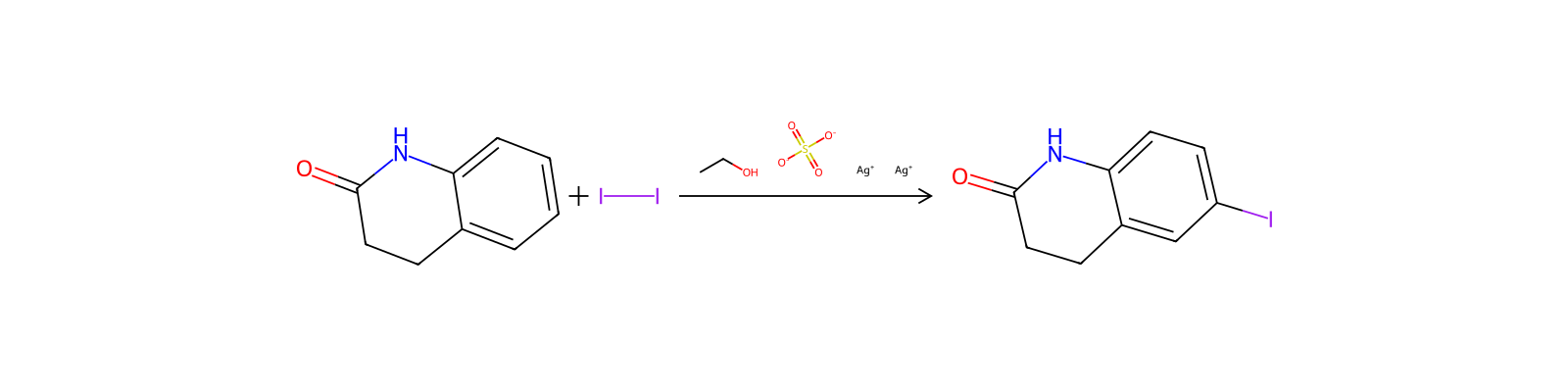
Reaktionsgleichung von HRID 59936
HRID 59936als Katalysatoruspto-grants-2016_09
Reaktionsgleichung von HRID 339114
HRID 339114als Katalysatoruspto-grants-2014_11
Reaktionsgleichung von HRID 446225
HRID 446225als Katalysatoruspto-grants-2013_07
Reaktionsgleichung von HRID 446994
HRID 446994als Katalysatoruspto-grants-2013_07
Reaktionsgleichung von HRID 513063
HRID 513063als Katalysatoruspto-grants-2015_08
Reaktionsgleichung von HRID 514242
HRID 514242als Katalysatoruspto-grants-2015_08
Seite 1 von 5

Notizen zur Verbindung

Wird geladen…

Auf dieser SeiteGrundinformationenÜberblickNamen und BezeichnerEigenschaftenSicherheit und RegulatorischesChemie und IndustrieZugehörige ReaktionenNotizen zur Verbindung
Weitere Aktionen
Neue NotizNeue ReaktionAnfrage stellen
EC Number
233-653-7、242-941-1
Nikkaji
J43.610K
Solid
Wichte
5.45 · 5.45
Farbe
White to off-white
PH
5 · 5-6 (5g/l, H2O, 25℃)
Wasserlöslichkeit
7.4 g/L · 7.4 g/L (20 ºC)
Spezifische Wärmekapazität
0.42 J/ · Cp(crystal): 0.42 J/(g·K), at 25℃
Merck
14 · 14,8529
Stabilität
Stability Stable, but light-sensitive.
Kosmetik-Inhaltsstoffe Funktionen
ANTIMICROBIAL
InChI
1S/2Ag.H2O4S/c;;1-5(2,3)4/h;;(H2,1,2,3,4)/q2*+1;/p-2
InChIKey
YPNVIBVEFVRZPJ-UHFFFAOYSA-L
SMILES
[Ag+].[Ag+].[O-]S([O-])(=O)=O
CAS Datenbank
10294 · 10294-26-5(CAS DataBase Reference)
EPA chemische Informationen
Silver sulfate (10294-26-5)
Water soluble.
Hazard Classes and Categories · 2 Einträge

Eye Dam. 1 (98.3%)

Hazardous to the aquatic environment (Acute) - Category 1

Sicherheit und Schutzausrüstung

First AidINHALATION: move to fresh air.
Exposure Control and Personal Protection0.01 [mg/m3], inhalable fraction (salts), as Ag[German Research Foundation (DFG)]
Threshold Limit Values (TLV)0.01 [mg/m3], as Ag (compounds)
Permissible Exposure Limit (PEL)0.01 [mg/m3], as Ag
Personal Protective Equipment (PPE)Dust mask; goggles or face shield; protective gloves. (USCG, 1999)
Immediately Dangerous to Life or Health (IDLH) · 2 Einträge

10 mg Ag/m3 (NIOSH, 2024)

10.0 [mg/m3], as Ag

Toxikologische Informationen

Treatment · 1 Eintrag

EYES: irrigate opened eyes for several minutes under running water. INGESTION: do not induce vomiting. Rinse mouth with water (never give anything by mouth to an unconscious person). Seek immediate medical advice. SKIN: should be treated immediately by rinsing the affected parts in cold running water for at least 15 minutes, followed by thorough washing with soap and water. If necessary, the person should shower and change contaminated clothing and shoes, and then must seek medical attention. INHALATION: supply fresh air. If required provide artificial respiration.

Health Effects · 1 Eintrag

Silver itself is not toxic to humans, but most silver salts are. In large doses, silver and compounds containing it can be absorbed into the circulatory system and become deposited in various body tissues, leading to argyria, which results in a blue-grayish pigmentation of the skin, eyes, and mucous membranes. Argyria is rare, and although, so far as known, this condition does not otherwise harm a person's health, it is disfiguring and usually permanent. Mild forms of argyria are sometimes mistaken for cyanosis. (L809)

Exposure RoutesOral (L808) ; inhalation (L808) ; dermal (L808)
Toxicity Summary · 1 Eintrag

Metallic silver is oxidized and may deposit in the tissues, causing arygria. The silver ion is known to inhibit glutathione peroxidase and NA+,K+-ATPase activity, disrupting selenium-catalyzed sulfhydryl oxidation-reduction reactions and intracellular ion concentrations, respectively. Silver nanoparticles are believed to disrupt the mitochondrial respiratory chain, causing oxidative stress, reduced ATP synthesis, and DNA damage. (L808, A243, A244, A245, A246)

Signs and Symptoms · 1 Eintrag

Exposure to high levels of silver for a long period of time may result in a condition called arygria, a blue-gray discoloration of the skin and other body tissues. Argyria is a permanent effect but does not appear to be harmful to health. Exposure to high levels of silver in the air has resulted in breathing problems, lung and throat irritation, and stomach pains. Skin contact with silver can cause mild allergic reactions such as rash, swelling, and inflammation in some people. (L808)

Carcinogen ClassificationNo indication of carcinogenicity to humans (not listed by IARC).

Sicherheitsdaten

F
8
wgk
3
tsca
TSCA listed
ridadr
UN 1830 8/PG 2
hs_code
28432900
risk_code
36/37/38-36-35-50/53-41
Toxizität
LD50 orally in Rabbit: 5000 mg/kg
hazard_code
Xi,C,N
safety_code
26-36-39-45-36/37/39-30-61-60
hazard_class
9
Speicherklasse
13 - Non Combustible Solids
Hazard Classifications
Aquatic Acute 1Aquatic Chronic 1Eye Dam. 1

Vorgelagerte Rohstoffe

SilbernitratSalpetersureSilberSchwefelsure

Nachgelagerte Produkte

Silbernitrat6-bromoindolineDiammin[cyclobutan-1,1-dicarboxylato(2-)-O,O']platinETHYLENESULFATE4-Bromoindoline