
Grundinformationen
- Standard-SMILES
CC(C)(C)c1cc(O)ccc1O- InChIKey
BGNXCDMCOKJUMV-UHFFFAOYSA-N- Summenformel
- C10H14O2
- Durchschnittliche Molmasse
- 166,22 g/mol
- Monoisotopische Masse
- 166,09937969
Überblick
Tert-butylhydroquinone appears as white to light tan crystalline powder or a fine beige powder. Very slight aromatic odor. (NTP, 1992)
Namen und Bezeichner
- Bevorzugter Name
- Tert-Butylhydroquinone
- IUPAC
- 2-tert-butylbenzene-1,4-diol
- Lokaler Name
- 2-(1,1-Dimethylethyl)-1,4-benzoldiol
- Englischer Name
- tert-Butylhydroquinone
- Summenformel
- C10H14O2
- Molmasse
- 166.22
Namen und Synonyme
tert-Butylhydroquinone1948-33-0TBHQ2-tert-ButylhydroquinoneT-BUTYLHYDROQUINONEMTBHQ2-t-Butylhydroquinone2-tert-Butyl-1,4-benzenediolMono-tert-butylhydroquinoneSustaneMono-tertiarybutylhydroquinoneTenox TBHQ
Weitere Namen anzeigen
TERTIARY BUTYL HYDROQUINONEButylhydroquinoneAntioxidant TBHQ
2-(1,1-Dimethylethyl)-1,4-benzenedioltert-Butyl-1,4-benzenedioltertiary-ButylhydroquinoneBanox 20BAHydroquinone, tert-butyl-1,4-Benzenediol, 2-(1,1-dimethylethyl)-tert-Butylhydrochinone2-tert-Butyl(1,4)hydroquinone
Datenbank-Bezeichner
- CAS
1948-33-0- PubChem CID
- 16043
- DTXSID
DTXSID6020220- ChEMBL
CHEMBL242080- ChEBI
CHEBI:78886- UNII
- C12674942B
- EC Number
- 217-752-2
- Nikkaji
- J2.135K
Eigenschaften
Berechnete Struktureigenschaften
- XLogP
- 2,8
- Polarare Oberfläche (TPSA)
- 40,5 Ų
- H-Brücken-Donoren
- 2
- H-Brücken-Akzeptoren
- 2
- Frei drehbare Bindungen
- 1
- Schwere Atome
- 12
- Formalladung
- 0
- Komplexität
- 148
Experimentelle und physikochemische Eigenschaften
Chemical ClassesOther Classes -> Phenols
DrugsPharmaceuticals -> Listed in ZINC15
Cosmetics
Cosmetic ingredients (TBHQ) -> CIR (Cosmetic Ingredient Review)
Cosmetic ingredients (t-Butyl Hydroquinone) -> CIR (Cosmetic Ingredient Review)
Antioxidant
pHpH = 4.56 at 25 °C of a 1% solution of 2-tert-butylhydroquinone
FragrancesFragrance Ingredient (2-tert-Butylhydroquinone) -> IFRA transparency List
Odor
Very slight aromatic odor
Characteristic odor
Very slight odor
Food AdditivesANTIOXIDANT -> FDA Substance added to food
Density
1.05 (NTP, 1992) - Denser than water; will sink
1.05
Color/Form
White to light tan crystalline powder or a fine beige powder
White crystalline solid
Solubility
less than 1 mg/mL at 66 °F (NTP, 1992)
Practically insoluble in water; soluble in ethanol
Solubility: 5% in water at 95 °C, 5% in lard at 50 °C
In water, 2000 mg/L at 30 °C (Shake-flask method)
Solubility in fats and food-grade solvents is good
(at 25 °C): less than 1% in water, 60% in ethanol, 60% in ethyl acetate, 10% in glyceryl monooleate, 10% in cottonseed oil, 10% in corn oil, 10% in soybean oil, 30% in propylene glycol, 5% in safflower oil
Flash Point
340 °F (NTP, 1992)
171 °C (340 °F) - closed cup
Animal DrugsPharmaceuticals -> UK Veterinary Medicines Directorate List
Physikochemische Eigenschaften
- Schmelzpunkt
- 127 · 127-129 °C(lit.)
- Siedepunkt
- 295 °C · 295 °C
- Dichte
- 295 · 295
- Dampfdruck
- 0.004 Pa · 0.004Pa at 25℃
- Brechungsindex
- 1.4859 · 1.4859 (estimate)
- Flammpunkt
- 171 °C · 171 °C
- storage temp.
- 30 °C · Store below +30°C.
- Löslichkeit
- DMSO (Slightly), Methanol (Slightly)
- pka
- 10.8 · 10.80±0.18(Predicted)
- Aggregatzustand
- Crystalline Powder
- Farbe
- White to light tan, may contain black specs
- Wasserlöslichkeit
- Slightly soluble in water(10g/L).
- BRN
- 637923 · 637923
- Stabilität
- Stable. Incompatible with strong bases, strong oxidizing agents.
- Kosmetik-Inhaltsstoffe Funktionen
- FRAGRANCEPERFUMINGANTIOXIDANT
- InChI
- 1S/C10H14O2/c1-10(2,3)8-6-7(11)4-5-9(8)12/h4-6,11-12H,1-3H3
- InChIKey
- BGNXCDMCOKJUMV-UHFFFAOYSA-N
- SMILES
- CC(C)(C)c1cc(O)ccc1O
- LogP
- 1.521 at · 1.521 at 25℃
- CAS Datenbank
- 1948 · 1948-33-0(CAS DataBase Reference)
- NIST chemische Informationen
- 1 · 1,4-Benzenediol, 2-(1,1-dimethylethyl)-(1948-33-0)
- EPA chemische Informationen
- tert-Butylhydroquinone (1948-33-0)
Sicherheit und Regulatorisches
GHS-Klassifizierung
GHS Classification
This chemical does not meet GHS hazard criteria for 3% (83 of 2730) of reports.
Warning
H302+H312 (19.5%): Harmful if swallowed or in contact with skin [Warning Acute toxicity, oral; acute toxicity, dermal]
P261, P264, P264+P265, P270, P272, P273, P280, P301+P317, P302+P352, P305+P351+P338, P317, P321, P330, P332+P317, P333+P317, P337+P317, P362+P364, P391, and P501 (click each P-code to see the statement)
Aggregated GHS information provided per 2730 reports by companies from 46 notifications to the ECHA C&L Inventory. Each notification may be associated with multiple companies.
Warning
Gefahrenhinweise
Regulatory Information
Chemical: 1,4-Benzenediol, 2-(1,1-dimethylethyl)-
Regulation (EC) No 1333/2008 (amended)
1,4-Benzenediol, 2-(1,1-dimethylethyl)- is listed on the EPA's Chemical Data Reporting (CDR) system. Manufacturers and importers of 1,4-Benzenediol, 2-(1,1-dimethylethyl)- are required to report information about their production and use of this chemical to the EPA under the Toxic Substances Control Act (TSCA). (40 eCFR Part 711)
Status: Active Update: 25-04-2022 https://echa.europa.eu/registration-dossier/-/registered-dossier/5612
t-Butylhydroquinone: Does not have an individual approval but may be used under an appropriate group standard
Other Safety InformationEvaluation - Butylated hydroxyanisole and related antioxidants
Fire HazardsThis chemical is combustible. (NTP, 1992)
Health HazardsSYMPTOMS: Symptoms of exposure to this compound include irritation of the skin and eyes and dermatitis. Delayed symptoms may include lung poisoning. If aspirated into the lungs, chemical pneumonia may occur.
Hazards Summary
Causes ataxia in inhalation studies and changes in liver weight in feeding studies of laboratory animals; [RTECS] Not likely to be embryotoxic in humans based on studies of rats exposed to 0.5% in the diet; [REPROTOX] A skin and eye irritant; [CAMEO] Skin sensitization has been reported in cosmetics and cutting oils; [Kanerva, p. 1763] An irritant; [MSDSonline] See Hydroquinone.
FDA Requirements
The food additive TBHQ, which is the chemical 2-(1,1-dimethylethyl)-1,4-benzenediol ... also known as tertiary butylhydroquinone, may be safely used in food in accordance with the following prescribed conditions: (a) The food additive has a melting point of not less than 126.5 °C. (b) The percentage of TBHQ in the food additive is not less than 99.0 percent ... (c) It is used as an antioxidant alone or in combination with BHA and/or BHT. (d) The total antioxidant content of a food containing the additive will not exceed 0.02 percent of the oil or fat content of the food, including the essential (volatile) oil content of the food.
Reactive GroupPhenols and Cresols
Special Reports
DHHS/NTP; Toxicology & Carcinogenesis Studies of t-Butylhydroquinone in F344/N Rats and B6C3F1 Mice (Feed Studies) (1997) Technical Report Series No. 459 NIH Publication No. 97-3375[Available from, as of October 12, 2016: http://ntp.niehs.nih.gov/ntp/htdocs/lt_rpts/tr459.pdf]
FIFRA Requirements
Residues of tertiary butylhydroquinone are exempted from the requirement of a tolerance when used in accordance with good agricultural practice as inert (or occasionally active) ingredients in pesticide formulations applied to growing crops only. Use: Antioxidant. Limit: None.
Reactivity Profile
Phenols, such as TERT-BUTYLHYDROQUINONE, do not behave as organic alcohols, as one might guess from the presence of a hydroxyl (-OH) group in their structure. Instead, they react as weak organic acids. Phenols and cresols are much weaker as acids than common carboxylic acids (phenol has pKa = 9.88). These materials are incompatible with strong reducing substances such as hydrides, nitrides, alkali metals, and sulfides. Flammable gas (H2) is often generated, and the heat of the reaction may ignite the gas. Heat is also generated by the acid-base reaction between phenols and bases. Such heating may initiate polymerization of the organic compound. Phenols are sulfonated very readily (for example, by concentrated sulfuric acid at room temperature). The reactions generate heat. Phenols are also nitrated very rapidly, even by dilute nitric acid. Nitrated phenols often explode when heated. Many of them form metal salts that tend toward detonation by rather mild shock. This chemical is incompatible with oxidizers. (NTP, 1992)
Air and Water ReactionsInsoluble in water.
Toxic Combustion ProductsSpecial hazards arising from the substance or mixture: Carbon oxides
Sicherheit und Schutzausrüstung
Fire FightingFires involving this material can be controlled with a dry chemical, carbon dioxide or Halon extinguisher. (NTP, 1992)
First Aid
EYES: First check the victim for contact lenses and remove if present. Flush victim's eyes with water or normal saline solution for 20 to 30 minutes while simultaneously calling a hospital or poison control center. Do not put any ointments, oils, or medication in the victim's eyes without specific instructions from a physician. IMMEDIATELY transport the victim after flushing eyes to a hospital even if no symptoms (such as redness or irritation) develop.
Fire Fighting Procedures
Suitable extinguishing media: Use water spray, alcohol-resistant foam, dry chemical or carbon dioxide.
Advice for firefighters: Wear self contained breathing apparatus for fire fighting if necessary.
Storage ConditionsKeep container tightly closed in a dry and well-ventilated place.
Cleanup Methods
ACCIDENTAL RELEASE MEASURES: Personal precautions, protective equipment and emergency procedures: Use personal protective equipment. Avoid dust formation. Avoid breathing vapors, mist or gas. Ensure adequate ventilation. Evacuate personnel to safe areas. Avoid breathing dust. Environmental precautions: Do not let product enter drains. Methods and materials for containment and cleaning up: Pick up and arrange disposal without creating dust. Sweep up and shovel. Keep in suitable, closed containers for disposal.
Nonfire Spill Response
SMALL SPILLS AND LEAKAGE: Should a spill occur while you are handling this chemical, FIRST REMOVE ALL SOURCES OF IGNITION, then you should dampen the solid spill material with 60-70% ethanol and transfer the dampened material to a suitable container. Use absorbent paper dampened with 60-70% ethanol to pick up any remaining material. Seal the absorbent paper, and any of your clothes, which may be contaminated, in a vapor-tight plastic bag for eventual disposal. Solvent wash all contaminated surfaces with 60-70% ethanol followed by washing with a soap and water solution. Do not reenter the contaminated area until the Safety Officer (or other responsible person) has verified that the area has been properly cleaned.
Disposal Methods
SRP: Recycle any unused portion of the material for its approved use or return it to the manufacturer or supplier. Ultimate disposal of the chemical must consider: the material's impact on air quality; potential migration in air, soil or water; effects on animal, aquatic and plant life; and conformance with environmental and public health regulations. If it is possible or reasonable use an alternative chemical product with less inherent propensity for occupational harm/injury/toxicity or environmental contamination.
Product: Offer surplus and non-recyclable solutions to a licensed disposal company. Contact a licensed professional waste disposal service to dispose of this material; Contaminated packaging: Dispose of as unused product.
Preventive Measures
ACCIDENTAL RELEASE MEASURES: Personal precautions, protective equipment and emergency procedures: Use personal protective equipment. Avoid dust formation. Avoid breathing vapors, mist or gas. Ensure adequate ventilation. Evacuate personnel to safe areas. Avoid breathing dust. Environmental precautions: Do not let product enter drains.
Precautions for safe handling: Avoid contact with skin and eyes. Avoid formation of dust and aerosols. Provide appropriate exhaust ventilation at places where dust is formed. Normal measures for preventive fire protection.
Appropriate engineering controls: Handle in accordance with good industrial hygiene and safety practice. Wash hands before breaks and at the end of workday.
Gloves must be inspected prior to use. Use proper glove removal technique (without touching glove's outer surface) to avoid skin contact with this product. Dispose of contaminated gloves after use in accordance with applicable laws and good laboratory practices. Wash and dry hands.
SRP: Local exhaust ventilation should be applied wherever there is an incidence of point source emissions or dispersion of regulated contaminants in the work area. Ventilation control of the contaminant as close to its point of generation is both the most economical and safest method to minimize personnel exposure to airborne contaminants. Ensure that the local ventilation moves the contaminant away from the worker.
Allowable Tolerances
Residues of tertiary butylhydroquinone are exempted from the requirement of a tolerance when used in accordance with good agricultural practice as inert (or occasionally active) ingredients in pesticide formulations applied to growing crops only. Use: Antioxidant. Limit: None.
Personal Protective Equipment (PPE)
RECOMMENDED RESPIRATOR: Where the neat test chemical is weighed and diluted, wear a NIOSH-approved half face respirator equipped with an organic vapor/acid gas cartridge (specific for organic vapors, HCl, acid gas and SO2) with a dust/mist filter. (NTP, 1992)
Eye/face protection: Safety glasses with side-shields conforming to EN166. Use equipment for eye protection tested and approved under appropriate government standards such as NIOSH (US) or EN 166(EU).
Skin protection: Handle with gloves.
Body Protection: Complete suit protecting against chemicals. The type of protective equipment must be selected according to the concentration and amount of the dangerous substance at the specific workplace.
Respiratory protection: For nuisance exposures use type P95 (US) or type P1 (EU EN 143) particle respirator. For higher level protection use type OV/AG/P99 (US) or type ABEK-P2 (EU EN 143) respirator cartridges. Use respirators and components tested and approved under appropriate government standards such as NIOSH (US) or CEN (EU).
Toxikologische Informationen
Interactions
... The objective of this study was to test whether tert-butylhydroquinone (tBHQ), a well-known synthetic Nrf2 inducer, could protect human hepatocytes against arsenic-induced cytotoxicity and oxidative injuries. Our results showed that 5 and 25 umol/L tBHQ pretreatment suppressed the arsenic-induced hepatocellular cytotoxicity, reactive oxygen species generation, and hepatic lipid peroxidation, while relieved the arsenic-induced disturbances of intracellular glutathione balance. In addition, we also observed that tBHQ treatment promoted the arsenic biomethylation process and upregulated Nrf2-regulated downstream heme oxygenase-1 and NADPH: quinine oxidoreductase 1 mRNA expressions. Collectively, we suspected that Nrf2 signaling pathway may be involved in the protective effects of tBHQ against arsenic invasion in hepatocytes. These data suggest that phenolic Nrf2 inducers, such as tBHQ, represent novel therapeutic or dietary candidates for the population at high risk of arsenic poisoning.
... Pretreatment of MIN6 beta-cells with NRF2 activators, including CDDO-Im, dimethyl fumarate (DMF), and tert-butylhydroquinone (tBHQ), protected the cells from high levels of H2O2-induced cell damage. ...
... Copper has been shown to be capable of mediating the activation of several xenobiotics producing reactive oxygen and other radicals. Since copper exists in the nucleus and is closely associated with chromosomes and DNA bases, in this study we have investigated whether the activation of 1,4-hydroquinone (1,4-HQ) and a variety of other phenolic compounds by copper can induce strand breaks in double-stranded phi X-174 RF I DNA (phi X-174 relaxed form I DNA). In the presence of micromolar concentrations of Cu(II), DNA strand breaks were induced by 1,4-HQ and other phenolic compounds including 4,4'-biphenol, catechol, 1,2,4-benzenetriol, 2-methoxyestradiol, 2-hydroxyestradiol, diethylstilbestrol, butylated hydroxytoluene, butylated hydroxyanisole, tert-butylhydroquinone, ferulic acid, caffeic acid, chlorogenic acid, eugenol, 2-acetamidophenol, and acetaminophen. Structure-activity analysis shows that in the presence of Cu(II), the DNA cleaving activity for phenolic compounds with a 1,4-hydroquinone structure, such as 1,2,4-benzenetriol and tert-butylhydroquinone is greater than those with a catechol group (catechol, 2-hydroxyestradiol and caffeic acid). Those compounds having one phenol group, such as eugenol, 2-acetamidophenol, and acetaminophen, are the least reactive. In addition, the induced DNA strand breaks could be inhibited by bathocuproinedisulfonic acid, a Cu(I)-specific chelator, or catalase indicating that a Cu(II)/Cu(I) redox cycle and H2O2 generation are two major determinants involved in the observed DNA damage. Using reactive oxygen scavengers, it was observed that the DNA strand breaks induced by the 1,4-HQ/Cu(II) system could not be efficiently inhibited by hydroxyl radical scavengers, but could be protected by singlet oxygen scavengers, suggesting that either singlet oxygen or a singlet oxygen-like entity, possibly a copper-peroxide complex, but not free hydroxyl radical probably plays a role in the DNA damage. The above results would suggest that macromolecule-associated copper and reactive oxygen generation may be important factors in the mechanism of 1,4-HQ and other phenolic compound-induced DNA damage in target cells.
The effects of diethyl maleate on the cytotoxicity of phenyl-hydroquinone and other hydroquinones were studied in freshly isolated rat hepatocytes. ... Among other hydroquinones (0.5 mM), tert-butyl-hydroquinone-induced cytotoxicity was decreased by diethyl maleate (1.25 mM) ... .
For more Interactions (Complete) data for T-BUTYLHYDROQUINONE (13 total), please visit the HSDB record page.
Ecotoxicity Values
LC50; Species: Ictalurus punctatus (Channel Catfish) length 46 (39-52) mm, weight 0.93 (0.76-1.22) g; Conditions: freshwater, static, 17.0 °C (16.3-17.4 °C), pH 8.0 (7.3-8.7), hardness 146 mg/L CaCO3 (136-156 mg/L CaCO3), alkalinity 109 mg/L CaCO3 (98-120 mg/L CaCO3), dissolved oxygen 8.3 mg/L (6.0-11.2 mg/L); Concentration: 370 ug/L for 48 hr (95% confidence interval: 340-390 ug/L) /formulation/
LC50; Species: Lepomis macrochirus (Bluegill) juvenile, length 39 (37-42) mm, weight 1.03 (0.97-1.09) g; Conditions: freshwater, static, 17.0 °C (16.3-17.4 °C), pH 8.0 (7.3-8.7), hardness 146 mg/L CaCO3 (136-156 mg/L CaCO3), alkalinity 109 mg/L CaCO3 (98-120 mg/L CaCO3), dissolved oxygen 8.3 mg/L (6.0-11.2 mg/L); Concentration: 150 ug/L for 48 hr (95% confidence interval: 140-160 ug/L) /formulation/
LC50; Species: Oncorhynchus mykiss (Rainbow Trout) length 43 (35-61) mm, weight 0.87 (0.48-1.64) g; Conditions: freshwater, static, 17.0 °C (16.3-17.4 °C), pH 8.0 (7.3-8.7), hardness 146 mg/L CaCO3 (136-156 mg/L CaCO3), alkalinity 109 mg/L CaCO3 (98-120 mg/L CaCO3), dissolved oxygen 8.3 mg/L (6.0-11.2 mg/L); Concentration: 370 ug/L for 48 hr (95% confidence interval: 340-390 ug/L) /formulation/
EC50; Species: Dreissena polymorpha (Zebra Mussel) shell length 5-8 mm; Conditions: freshwater, static, 17.0 °C (16.3-17.4 °C), pH 8.0 (7.3-8.7), hardness 146 mg/L CaCO3 (136-156 mg/L CaCO3), alkalinity 109 mg/L CaCO3 (98-120 mg/L CaCO3), dissolved oxygen 8.3 mg/L (6.0-11.2 mg/L); Concentration: 1000 ug/L for 48 hr (95% confidence interval: 800-1200 ug/L); Effect: behavior, increased ability to detach from substrate /formulation/
LC50; Species: Dreissena polymorpha (Zebra Mussel) shell length 5-8 mm; Conditions: freshwater, static, 17.0 °C (16.3-17.4 °C), pH 8.0 (7.3-8.7), hardness 146 mg/L CaCO3 (136-156 mg/L CaCO3), alkalinity 109 mg/L CaCO3 (98-120 mg/L CaCO3), dissolved oxygen 8.3 mg/L (6.0-11.2 mg/L); Concentration: 118000 ug/L for 48 hr (95% confidence interval: 104000-133000 ug/L) /formulation/
Environmental Fate
TERRESTRIAL FATE: Based on a classification scheme(1), an estimated Koc value of 1690(SRC), determined from a structure estimation method(2), indicates that t-butylhydroquinone is expected to have low mobility in soil(SRC). Volatilization of t-butylhydroquinone from moist soil surfaces is not expected to be an important fate process(SRC) given an estimated Henry's Law constant of 1.5X10⁻¹⁰ atm-cu m/mole(SRC), using a fragment constant estimation method(2). t-Butylhydroquinone is not expected to volatilize from dry soil surfaces(SRC) based upon an estimated vapor pressure of 3.2X10⁻⁵ mm Hg at 25 °C(SRC), determined from a fragment constant method(2). Biodegradation data specific to t-butylhydroquinone in soil were not available(SRC, 2016). However, the analogous compound t-butylphenol was found to be not readily biodegradable in the Japanese MITI test (0% degradation in 4 weeks)(3), not readily biodegradable in CO2 Evolution tests (OECD Guideline 301B, 0-14% in 28 days) and not inherently biodegradable in the Zahn-Wellens test(4). This suggests that t-butylhydroquinone is not readily biodegradable(SRC).
AQUATIC FATE: Based on a classification scheme(1), an estimated Koc value of 1690(SRC), determined from a structure estimation method(2), indicates that t-butylhydroquinone is expected to adsorb to suspended solids and sediment(SRC). Volatilization from water surfaces is not expected(3) based upon an estimated Henry's Law constant of 1.5X10⁻¹⁰ atm-cu m/mole(SRC), developed using a fragment constant estimation method(2). According to a classification scheme(4), an estimated BCF of 24(SRC), from an estimated log Kow of 2.94(2) and a regression-derived equation(2), suggests the potential for bioconcentration in aquatic organisms is low. Biodegradation data specific to t-butylhydroquinone in soil were not available(SRC, 2016). However, the analogous compound t-butylphenol was found to be not readily biodegradable in the Japanese MITI test (0% degradation in 4 weeks)(5), not readily biodegradable in CO2 Evolution tests (OECD Guideline 301B, 0-14% in 28 days) and not inherently biodegradable in the Zahn-Wellens test(6). This suggests that t-butylhydroquinone is not readily biodegradable(SRC). t-Butylhydroquinone is not expected to undergo hydrolysis in the environment due to the lack of functional groups that hydrolyze under environmental conditions(3).
ATMOSPHERIC FATE: According to a model of gas/particle partitioning of semivolatile organic compounds in the atmosphere(1), t-butylhydroquinone, which has an estimated vapor pressure of 3.2X10⁻⁵ mm Hg at 25 °C(SRC), determined from a fragment constant method(2), will exist in both the vapor and particulate phases in the ambient atmosphere. Vapor-phase t-butylhydroquinone is degraded in the atmosphere by reaction with photochemically-produced hydroxyl radicals(SRC); the half-life for this reaction in air is estimated to be 7.5 hours(SRC), calculated from its rate constant of 5.1X10⁻¹¹ cu cm/molecule-sec at 25 °C(SRC) that was derived using a structure estimation method(2). Particulate-phase t-butylhydroquinone may be removed from the air by wet and dry deposition(SRC). t-Butylhydroquinone has a weak absorption maximum at 292 nm that decreases to zero at about 325 nm(3); therefore, it may be susceptible to direct photolysis by sunlight(SRC).
Food Survey Values
t-Butylhydroquinone is used as a food additive antioxidant in vegetable oils, fats and food products at a maximum concentration of 0.02% based on the weight of the fat or oil in the food product(1). In the US, t-Butylhydroquinone is used as an antioxidant in meat products to prevent lipid oxidation at concentrations up to 0.01% for a single antioxidant (based on fat content) and up to 0.02% for a combination of antioxidants in meat products(2).
Adverse EffectsSkin Sensitizer - An agent that can induce an allergic reaction in the skin.
Toxicity Summary
On the basis of the data included in this report the CIR Expert Panel has concluded that t-Butyl Hydroquinone may be safely used as a cosmetic ingredient at concentrations not to exceed 0.1%
Safe for use in cosmetics, with qualifications
IDENTIFICATION AND USE: t-Butylhydroquinone (TBHQ) is a white to light tan crystalline substance with a faint odor. It is used as an antioxidant in fats and oils. HUMAN EXPOSURE AND TOXICITY: There have been reports of vision disturbances in individuals exposed to this chemical. TBHQ produced single strand DNA breaks in human cells. ANIMAL STUDIES: TBHQ produced no teratogenic effects in pregnant rats fed this chemical in the diet. In rats fed TBHQ in the diet, it caused liver enlargement. Acute neurotoxic effects of animals exposed to TBHQ included convulsions and medullary paralysis. In a 2-year study, mice were exposed to t-butyl hydroquinone in feed. There was no evidence of carcinogenic activity of t-butylhydroquinone in male or female animals. TBHQ was negative in an Ames assay in which Salmonella typhimurium strains TA97, TA98, TA100 and TA102 were tested with two types of metabolic activation. In a mouse lymphoma L5178Y forward mutation assay, TBHQ was positive with metabolic activation. TBHQ was negative in a CHO/HGPRT assay at doses of up to 6 ug/mL in the absence of metabolic activation, and 250 ug/mL in the presence of metabolic activation. ECOTOXICITY STUDIES: The transcription of various Glutathione S-Transferases (GSTs), including GSTA, GSTR2 and GSTT, were significantly induced by TBHQ in Nile tilapia.
Average Daily IntakeADI: 0 to 0.7 mg/kg bw/day(1). The estimated daily intake (EDI) of t-butylhydroquinone in the Korean diet is 0.0012 mg/kg bw/day(2).
Ecotoxicity Excerpts
/AQUATIC SPECIES/ The cyanobacterial toxin, MC-LR, is predominantly presented during toxic cyanobacterial blooms and is consumed by phytoplanktivorous fish and zooplanktivorous fish directly. Detoxification of MC-LR in liver was believed to begin with conjugate formation with GSH, catalyzed by GSTs. MC-LR GSH conjugates display increased solubility and are subjected to accelerated biliary excretion. In this study, we showed that the mRNA transcriptions of GSTA, GPX and UCP2 were increased within 8 hr following MC-LR exposure in isolated hepatocytes of Nile tilapia, confirming the roles of phase II enzymes, especially GSTs, in MC-LR detoxification in tilapia. The widely used food-additive, synthetic antioxidant, tert-butylhydroquinone (tBHQ) has been shown to induce phase II enzymes including GSTs, via the antioxidant responsive elements (ARE) located in the regulatory regions of these genes. Our results also showed that the transcription of various GSTs, including GSTA, GSTR2 and GSTT were significantly induced by tBHQ in Nile tilapia. In consistence, fish fed on tBHQ-containing diet (0.01 percent tBHQ) showed significantly reduced MC-LR accumulation in liver tissues 48 hr after an oral administration of a single dose of 250 ug MC-LR/kg body weight (bwt). The findings in this research suggested that tBHQ could reduce MC-LR accumulations in liver, likely through the induction of phase II metabolizing enzymes such as GSTs. Subacute effects of tBHQ and its potential applications in fishery need to be further investigated.
Ongoing Test Status
EPA has released the Interactive Chemical Safety for Sustainability (iCSS) Dashboard. The iCSS Dashboard provides an interactive tool to explore rapid, automated (or in vitro high-throughput) chemical screening data generated by the Toxicity Forecaster (ToxCast) project and the federal Toxicity Testing in the 21st century (Tox21) collaboration. /The title compound was tested by ToxCast and/or Tox21 assays/[USEPA; ICSS Dashboard Application; Available from, as of September 8, 2016: http://actor.epa.gov/dashboard/]
The following link will take the user to the National Toxicology Program (NTP) Test Agent Search Results page for t-Butylhydroquinone, which tabulates all of the "Short-Term Toxicity Studies," "Long-term Carcinogenicity Studies," "Genetic Toxicology Studies", and "Organ Systems Toxicity Studies" performed with this chemical. Clicking on the "Testing Status" link will take the user to the status (i.e., in review, in progress, in preparation, on test, completed, etc.) and results of all the studies that the NTP has done on this chemical.[Available from: http://ntp.niehs.nih.gov/testing/status/agents/ts-1948330.html]
Soil Adsorption/Mobility
Using a structure estimation method based on molecular connectivity indices(1), the Koc of t-butylhydroquinone can be estimated to be 1690(SRC). According to a classification scheme(2), this estimated Koc value suggests that t-butylhydroquinone is expected to have low mobility in soil.
TSCA Test Submissions
2-(t- butyl)-1, 4-benzenediol (CAS # 1948-33-0) was evaluated for primary dermal irritation. The test substance was administered to outbred black guinea pigs (5/sex/group) at concentrations of 0.1, 1.0, or 5.0% in 1 ml each scheduled working day for 13 weeks, for a total of 63 applications. The test substance was spread evenly on the shaved flank each day of dosing. At 0.1%, the test substance produced weak irritant responses and did not produced depigmentation. At 1.0%, 20% of animals had spotty or uniform loss of pigment. At 5%, 40% of animals were hypopigmented.
Human Toxicity Excerpts
/SIGNS AND SYMPTOMS/ Chronic neurotoxic effects include vision disturbances. /From table; Quinones/
/GENOTOXICITY/ Tert-butylhydroquinone (TBHQ) was tested for potential cytotoxicity and genotoxicity upon A549 lung cancer cells and Human Umbilical Vein Endothelial Cells (HUVEC). Cytotoxicity was evaluated by MTT assay and flow cytometry analysis, while genotoxicity was assessed in vitro by alkaline comet, DNA fragmentation and DAPI staining assays. TBHQ dose- and time-dependently decreased the growth of A549 and HUVEC cells. Flow cytometry analyses determined early and late apoptosis in the treated cells. Also, single strand DNA breaking has been observed through comet assay technique. In addition, morphology of DAPI stained cells and DNA fragmentation assay using gel electrophoresis showed clear fragmentation in the chromatin and DNA rings within the nucleus of cell's treated TBHQ.
/ALTERNATIVE and IN VITRO TESTS/ ... In the present study we investigated the effects of naturally occurring dietary compounds and tert-butyl hydroquinone (TBHQ) for their effects on breast cancer resistance protein (BCRP) expression. In Caco-2 cells, the most pronounced induction of BCRP expression could be observed after treatment with TBHQ (100 uM), dibenzoylmethane (DBM, 50 uM), and quercetin (25 uM), while green tea component (-)-epicatechin (50 uM) decreased BCRP expression. On mRNA level, quercetin, chrysin, flavone, and indole-3-carbinol showed a strong inducing effect, while genistein had no effect on BCRP mRNA expression. Curcumin and resveratrol showed a strong effect on BCRP induction in MCF-7 wild-type cells but no response in aryl hydrocarbon receptor (AhR)-deficient MCF-7AHR(200) cells, supporting our hypothesis that BCRP is regulated via AhR-dependent signaling pathways. Inhibition of proteasome-mediated degradation of ligand-activated AhR caused a "superinduction" of BCRP mRNA. Antioxidant responsive element activators sulforaphane and diethylmaleate (DEM) had no inducing effect on BCRP mRNA expression. Caco-2 cells pretreated with quercetin or DBM showed an enhancement of apically transported benzo[a]pyrene-3-sulfate, indicating that induced BCRP was functionally active. In conclusion, apart from the modulation of detoxifying enzymes in the intestine, induction of BCRP by dietary constituents may contribute to the detoxification of food-derived procarcinogens such as benzo[a]pyrene.
/ALTERNATIVE and IN VITRO TESTS/ ... In an effort to define new pathways for targeted drug development for fetal hemoglobin (HbF) induction, we evaluated the nuclear factor erythroid 2-related factor 2 (NRF2) antioxidant response element signaling pathway. We found that 3 well-known activators of this pathway increased gamma-globin mRNA at nontoxic doses in K562 cells. Tert-butylhydroquinone (tBHQ), the most active of these compounds, increased cellular levels and nuclear translocation of NRF2 and binding of NRF2 to the gamma-globin promoter. siRNA knockdown of NRF2 inhibited gamma-globin induction by tBHQ. When tested in human primary erythroid cells, tBHQ induced NRF2 binding to the gamma-globin promoter, increased gamma-globin mRNA and HbF, and suppressed gamma-globin mRNA and HbA, resulting in a > 3-fold increase in the percentage of HbF. These results suggest that drugs that activate the NRF2/antioxidant response element signaling pathway have the potential to induce therapeutic levels of HbF in people with beta-hemoglobinopathies.
For more Human Toxicity Excerpts (Complete) data for T-BUTYLHYDROQUINONE (9 total), please visit the HSDB record page.
Regulatorische Informationen
FDA Requirements
The food additive TBHQ, which is the chemical 2-(1,1-dimethylethyl)-1,4-benzenediol ... also known as tertiary butylhydroquinone, may be safely used in food in accordance with the following prescribed conditions: (a) The food additive has a melting point of not less than 126.5 °C. (b) The percentage of TBHQ in the food additive is not less than 99.0 percent ... (c) It is used as an antioxidant alone or in combination with BHA and/or BHT. (d) The total antioxidant content of a food containing the additive will not exceed 0.02 percent of the oil or fat content of the food, including the essential (volatile) oil content of the food.
FIFRA Requirements
Residues of tertiary butylhydroquinone are exempted from the requirement of a tolerance when used in accordance with good agricultural practice as inert (or occasionally active) ingredients in pesticide formulations applied to growing crops only. Use: Antioxidant. Limit: None.
Sicherheitsdaten
- wgk
- 3
- tsca
- TSCA listed
- ridadr
- UN3077
- hs_code
- 29072900
- RTECS-Nr.
- MX4375000
- risk_code
- 22-36/37/38
- Toxizität
- guinea pig,LD50,oral,790mg/kg (790mg/kg),WHO Food Additives Series. Vol. 8, Pg. 26, 1975.
- hazard_code
- Xn
- safety_code
- 26-36-28A
- hazard_class
- 9
- packing_group
- III
- Speicherklasse
- 13 - Non Combustible Solids
- Giftige Stoffe Daten
- 1948-33-0(Hazardous Substances Data)
- Hazard Classifications
- Acute Tox. 4 DermalAcute Tox. 4 OralAquatic Acute 1Aquatic Chronic 1Eye Irrit. 2Skin Irrit. 2Skin Sens. 1
- Selbstentzündungstemperatur
- 855 °F
Chemie und Industrie
Pharmakologische Informationen
Mechanism of Action
... In this study, tert-butylhydroquinone (tBHQ), a widely used Nrf2 activator, was initially employed to investigate the potential protective role of Nrf2 activation in saturated fatty acid (SFA)-induced hepatoxicity. As expected, SFA-induced hepatocyte cell death was prevented by tBHQ in both AML-12 mouse hepatocytes and HepG2 human hepatoma cells. However, the protective effect of tBHQ is Nrf2-independent, because the siRNA-mediated Nrf2 silencing did not abrogate tBHQ-conferred protection. Alternatively, our results revealed that autophagy activation was critically involved in the protective effect of tBHQ on lipotoxicity. tBHQ induced autophagy activation and autophagy inhibitors abolished tBHQ's protection. The induction of autophagy by tBHQ exposure was demonstrated by the increased accumulation of LC3 puncta, LC3-II conversion, and autophagic flux (LC3-II conversion in the presence of proteolysis inhibitors). Subsequent mechanistic investigation discovered that tBHQ exposure activated AMP-activated protein kinase (AMPK) and siRNA-mediated AMPK gene silencing abolished tBHQ-induced autophagy activation, indicating that AMPK is critically involved in tBHQ-triggered autophagy induction. Furthermore, our study provided evidence that tBHQ-induced autophagy activation is required for its Nrf2-activating property. Collectively, our data uncover a novel mechanism for tBHQ in protecting hepatocytes against SFA-induced lipotoxicity. tBHQ-triggered autophagy induction contributes not only to its hepatoprotective effect, but also to its Nrf2-activating property.
/An/ outbreak of H7N9 influenza in China /was/ of high concern to public health. H7 hemagglutinin (HA) plays a critical role in influenza entry and thus HA presents an attractive target for antivirals. Previous studies have suggested that the small molecule tert-butyl hydroquinone (TBHQ) inhibits the entry of influenza H3 HA by binding to the stem loop of HA and stabilizing the neutral pH conformation of HA, thereby disrupting the membrane fusion step. Based on amino acid sequence, structure and immunogenicity, H7 is a related Group 2 HA. In this work we show, using a pseudovirus entry assay, that TBHQ inhibits H7 HA-mediated entry, as well as H3 HA-mediated entry, with an IC50 ~ 6 uM. Using NMR, we show that TBHQ binds to the H7 stem loop region. STD NMR experiments indicate that the aromatic ring of TBHQ makes extensive contact with the H7 HA surface. Limited proteolysis experiments indicate that TBHQ inhibits influenza entry by stabilizing the H7 HA neutral pH conformation. Together, this work suggests that the stem loop region of H7 HA is an attractive target for therapeutic intervention and that TBHQ, which is a widely used food preservative, is a promising lead compound.
Metabolism/Metabolites
TBHQ is readily metabolized. In mouse studies, metabolism primarily involved oxidation at the tert-butyl group, followed by formation of the glucuronide conjugate and excretion in the urine, or by excretion of the free acid in feces. In rats, 80-90% of the (14)C-radiolabel was excreted in urine or feces within 96 hours, mostly as the free acid in feces with smaller amounts in urine, and less than 0.3% in expired air. More than 43 metabolites were present in the urine and feces of mice and rats. In several studies with rats and dogs, TBHQ by the oral route was shown to be well absorbed and rapidly excreted, mainly in the urine. Primary urinary metabolites in both species are the 4-O-sulfate conjugate and the 4-O-glucuronide. Excretion seems to be essentially complete after 4 days.
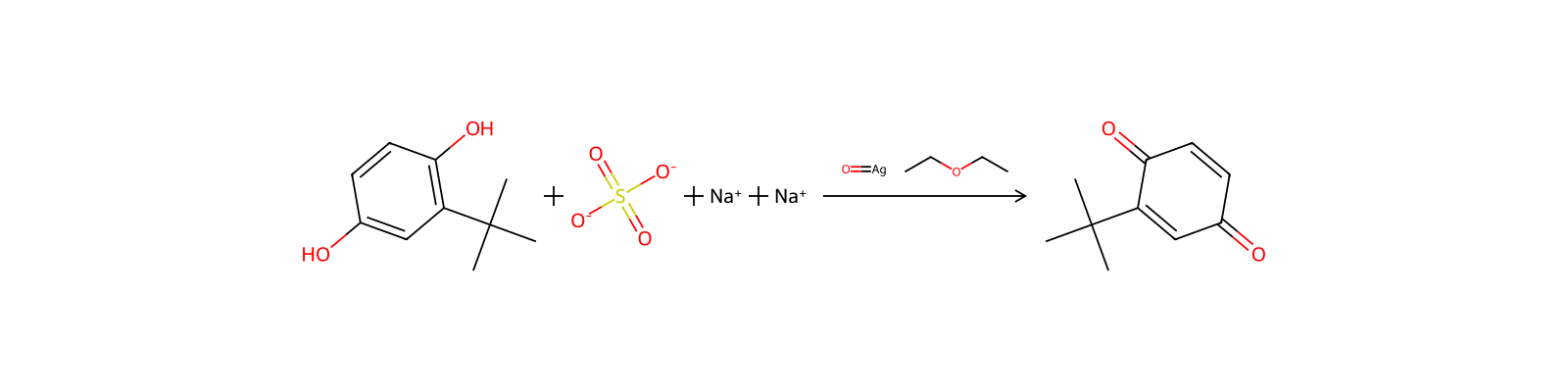
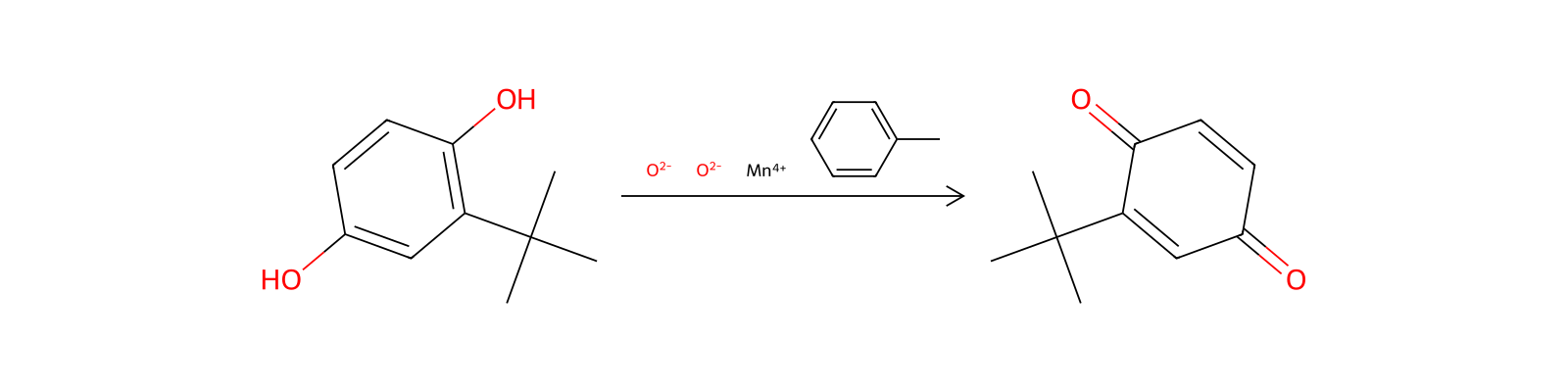
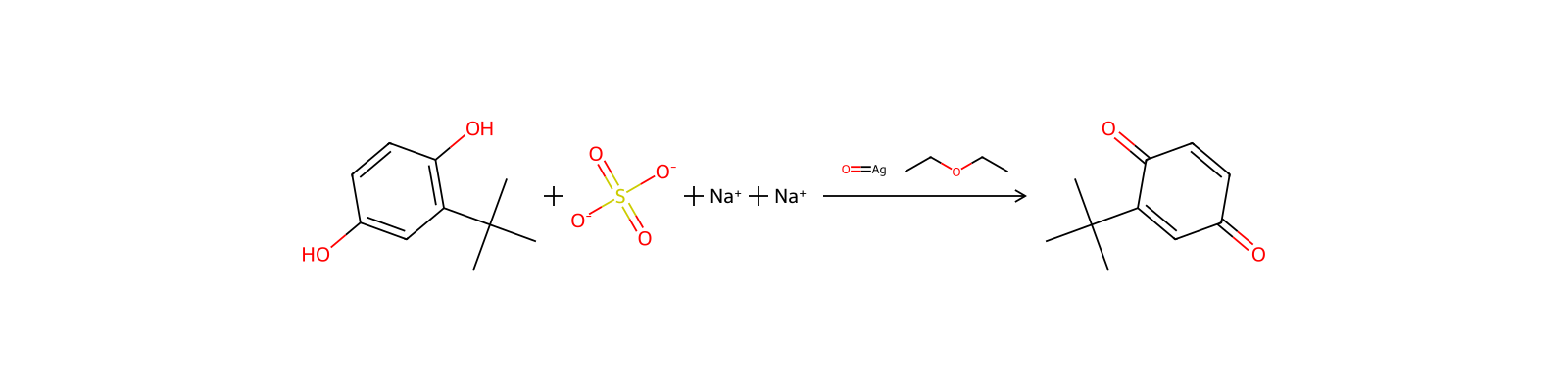
The dominant metabolic pathway of the presumably carcinogenic food antioxidant 2(3)-tert-butyl-4-hydroxyanisole includes O-demethylation to 2-tert-butyl(1,4)hydroquinone and subsequent peroxidation to 2-tert-butyl(1,4)paraquinone. ...
The tert-butylsemiquinone anion radical is formed from tert-butylhydroquinone and from tert-butylquinone in rat liver microsomes.
After ip administration of 3-tert-butyl-4-hydroxyanisole to rats two previously undocumented metabolites 2-tert-butyl-5-methylthiohydroquinone and 2-tert-butyl-6-methylthiohydroquinone were identified in the urine. In addition to these metabolites 3-tert-butyl-4,5-dihydroxyanisole was also detected in the urine hydrolyzed by beta-glucuronidase/sulfatase. Administration of tert-butylhydroquinone, an O-demethylated metabolite of 3-tert-butyl-4-hydroxyanisole, also resulted in the formation of the S-containing metabolites, 2-tert-butyl-5-methylthiohydroquinone and 2-tert-butyl-6-methylthiohydroquinone. After incubation of tert-butylhydroquinone with rat liver microsomes in the presence of glutathione, two metabolites were isolated and purified by HPLC. The metabolites were identified as 2-tert-butyl-5-(glutathione-S-yl)hydroquinone and 2-tert-butyl-6-(glutathione-S-yl)hydroquinone.The formation of tert-butyl hydroquinone-glutathione conjugates required NADPH molecular oxygen and glutathione. Cytochrome p450 inhibitors such as SKF 525-A and metyrapone markedly inhibited the formation of tert-butylhydroquinone-glutathione conjugates in vitro. tert-Butylhydroquinone is converted by cytochrome p450-mediated monooxygenases to a reactive metabolite 2-tert-butyl-p-benzoquinone which then conjugates with glutathione to form tert-butylhydroquinone-glutathione conjugates. Glutathione S-transferase activities do not seen to play a role in glutathione conjugation reaction of 2-tert-butyl-p-benzoquinone because cytosol fraction from rat liver homogenates did not enhance the microsome-mediated production of tert-butylhydroquinone-glutathione conjugates.
MeSH Pharmacological Classification
Naturally occurring or synthetic substances that inhibit or retard oxidation reactions. They counteract the damaging effects of oxidation in animal tissues.
Compounds or agents that combine with an enzyme in such a manner as to prevent the normal substrate-enzyme combination and the catalytic reaction.
Cellular LocationsMembrane
Verwendung und Herstellung
Uses
CIR ingredient: TBHQ
CIR ingredient: t-Butyl Hydroquinone
Used as antioxidant for fats and oils (approved for use in foods); [HSDB] Used at concentrations of 0.1 to 1.0% in cosmetics; Also used to prevent rancidity in food at concentrations of 0.02%; [REPROTOX]
Metal Machining [Category: Heat or Machine]
As an inert ingredient, TBHQ is an antioxidant in a number of pesticide formulations, including some with agricultural uses.
TBHQ is extensively used as an FDA-approved antioxidant (at concentrations up to 0.02% in terms of oil and fat content) in certain foods such as oils, fats, and meat products to slow oxidation and prevent rancidity ... . It is also used in cosmetic products such as lipstick, eye shadows, perfumes and skin care preparations at concentrations from 0.1 to 1.0%. It is also used as a polymerization inhibitor for styrene, butadiene, and other alkenes.
U.S. Production
2023: 1,000,000 - <2,500,000 lb
(1976) PROBABLY GREATER THAN 2.3X10+6 GRAMS
Non-confidential 2012 Chemical Data Reporting (CDR) information on the production and use of chemicals manufactured or imported into the United States. Chemical: 1,4-Benzenediol, 2-(1,1-dimethylethyl)-. National Production Volume: Withheld.
Consumption PatternsESSENTIALLY 100% AS AN ANTIOXIDANT IN VEGETABLE FATS AND OILS (1976)
Consumer UsesNot Known or Reasonably Ascertainable
Industry UsesNot Known or Reasonably Ascertainable
Methods of ManufacturingHydroquinone is tert-butylated with isobutylene or tert-butyl alcohol in the presence of a Friedel-Crafts catalyst to produce tert-butylhydroquinone.
Formulations/Preparations... TBHQ is employed alone, as blends with BHT and BHA, and in conjunction with synergists such as citric acid or other metal chelating aqents.
Household ProductsInformation on 12 consumer products that contain t-Butyl hydroquinone in the following categories is provided:
Use Classification
Food additives
Fragrance Ingredients
Food Additives -> ANTIOXIDANT -> JECFA Functional Classes
Food Additives -> ANTIOXIDANT -> JECFA Functional Classes
Food Additives -> ANTIOXIDANT -> JECFA Functional Classes
Cosmetics -> Antioxidant
General Manufacturing Information
Food, beverage, and tobacco product manufacturing
1,4-Benzenediol, 2-(1,1-dimethylethyl)-: ACTIVE
...Antioxidants are effective only with fresh fats which have not been allowed to oxidize. For this reason, it is important to incorporate these additives as early as possible in the preparation process. /Antioxidants/
TBHQ shows no discoloration in the presence of iron.
The antioxidants most frequently used in the US include... mono-tert-butylhydroquinone (TBHQ). These compounds are frequently added in combination with citric acid.../PRC: which complexes metal ions/.
It was cleared for food use in the US in 1972. ... It shows significantly better protection than propylgallate, especially with soybean and safflower oils, which are highly unsaturated and particularly difficult to stabilize.
Anwendungen
Verwendentert-Butylhydroquinone (TBHQ) is an antioxidant that exhibits an excellent stabilizing effect in unsaturated fats and oils. It has good solubility in fats and oils, with a maximum usage level of 0.02% based on the weight of the fat or oil or the fat content of the food product. It shows no discoloration in the presence of iron and produces no discernible flavor or odor. It can be combined with BHA and BHT. It is used in edible fats and vegetable oils to retard rancidity. It is used in potato chips and dry cereal. It is also termed butylhydroquinone and mono-tertiary-butylhydroquinone.
Vor- und nachgelagerte Produkte
Vorgelagerte Rohstoffe
Nachgelagerte Produkte
Anbieter50 Anbieter
国药集团化学试剂有限公司86-21-63210123 · [email protected]
北京华美互利生物化工010-56205725 · [email protected]
梯希爱(上海)化成工业发展有限公司021-67121386 · [email protected]
上海阿拉丁生化科技股份有限公司400-6206333 13167063860 · [email protected]
山东泰诚生物科技有限公司18769832557 18769832557 · [email protected]
爱斯特(成都)生物制药股份有限公司+86-28-85122536 85324413 · [email protected]
科瑞迪化学400-821-5857 021-64326257 · [email protected]
上海将来实业股份有限公司400-0066400 13621662912 · [email protected]
Syntechem Co.,Ltd[email protected]
上海迈瑞尔生化科技有限公司4006356688 18621169109 · [email protected]
天津中信凯泰化工有限公司022-66880623 · [email protected]
阿法埃莎(中国)化学有限公司400-6106006 · [email protected]
安耐吉化学&3A(安徽泽升科技股份有限公司)400-0056266 · [email protected]
上海瀚鸿科技股份有限公司021-54306202 13764082696 · [email protected]
上海尚饮思生化医药有限公司021-021-57872719 13761402923 · [email protected]
合肥天健化工有限公司551-65418679 15856988503;15837135945 · [email protected]
南京蓝白化工有限公司025-85499326 15366059326;13813836665 · [email protected]
山东西亚化学有限公司13355009207 13355009207 · [email protected]
玛雅试剂+86 (573) 82222445 (0)18006601000 452520369 · [email protected]
四川库利南科技有限公司400-1166-196 18981987031 · [email protected]
天津希恩思生化科技有限公司400 638 7771 · [email protected]
南京维奥化工有限公司Please Send Email 18652950785 · [email protected]
河南多贝化工有限公司0370-2785118 17550508557 · [email protected]
斯百全化学(上海)有限公司021-021-021-67601398-809-809-809 15221380277 · [email protected]
上海源叶生物科技有限公司13636370518 · [email protected]
艾科试剂4008-755-333 18080918076 · [email protected]
上海思域化工科技有限公司86-21-34053660 · [email protected]
西安康培基生物科技有限公司86-029-85456576 · [email protected]
赛默飞世尔科技(中国)有限公司800-810-5118 · [email protected]
北京伊诺凯科技有限公司400-810-7969 010-59572699 · [email protected]
江苏艾康生物医药研发有限公司025-66113011 13913916777 · [email protected]
TCI AMERICA800-4238616 · [email protected]
TOKYO CHEMICAL INDUSTRY CO., LTD.03-36680489 · [email protected]
TCI Europe320-37350700 · [email protected]
成都麦卡希化工有限公司028-85632863 18108198598 · [email protected]
上海贤鼎生物科技有限公司4009209199 · [email protected]
深圳振强药物研发有限公司0755-66853366 13670046396 · [email protected]
无锡市乾丰化工科技有限公司0510-82860650 · [email protected]
南京杜莱生物技术有限公司025-84699383-8003;025-846993838003-8003 18013301590 · [email protected]
宁波台康化工有限公司0574-87365517 18074210286 · [email protected]
上海湄水化工科技有限公司021-60549325 18616193163
上海将来实业股份有限公司021-61552785 · [email protected]
安徽科迪达化工有限公司0554-2106669 · [email protected]
HBCChem, Inc.+1-510-219-6317 · [email protected]
郑州鸿晟医药科技有限公司0371-0371-13526885213 15637198702 · [email protected]
美岚实业(上海)有限公司021-58958189 · [email protected]
上海石洋化工有限公司021-56795766 · [email protected]
上海爱蝶实业有限公司021-58957966 18930537195 · [email protected]
成都零六生物科技有限公司400-1166-196 13458535857 · [email protected]
广拓化学(上海)有限公司021-60899189-8001 18918189673 · [email protected]
Ergänzende Hinweise
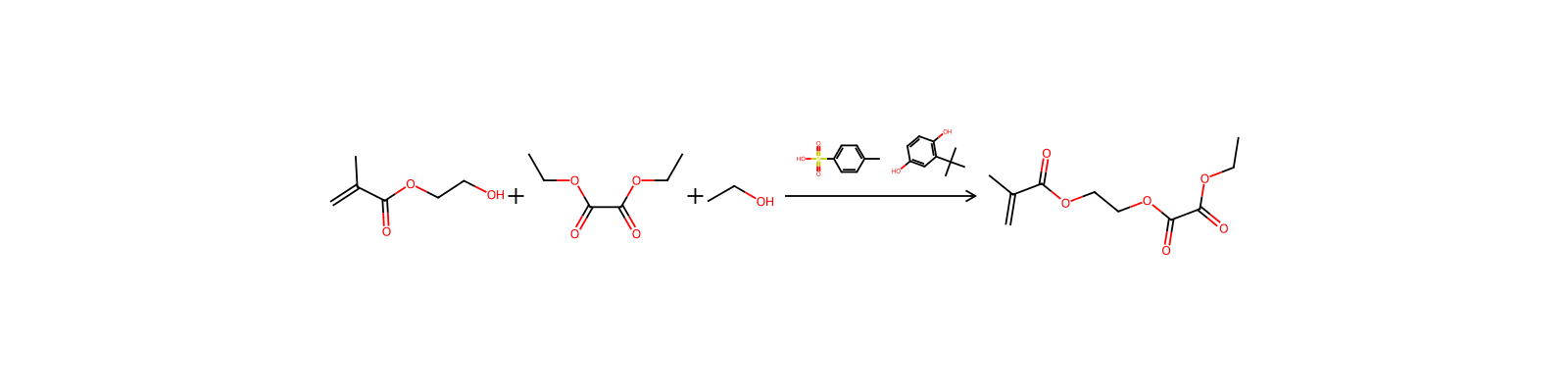
DefinitionChEBI: A member of the class of hydroquinones in which one of the ring hydrogens of hydroquinone is replaced by a tert-butyl group.
Zugehörige Reaktionen
54



Verknüpfte Notizen
Wird geladen…